
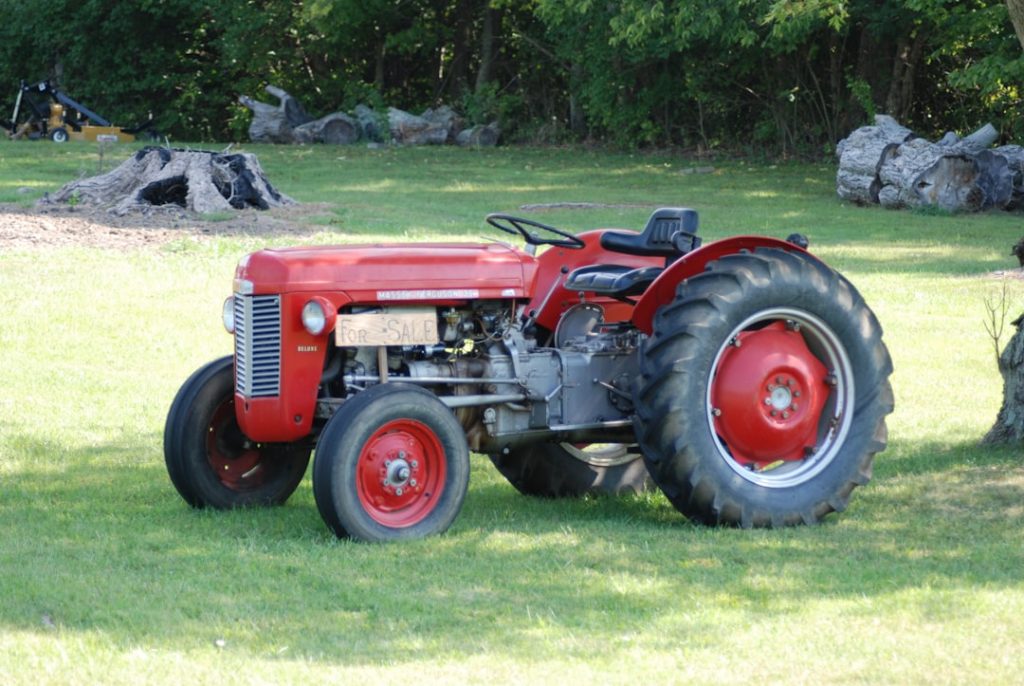
The evolution of tractors is a fascinating journey that reflects the broader changes in agricultural practices and technology over the past century. The first tractors emerged in the late 19th century, primarily as steam-powered machines. These early models were cumbersome and required significant maintenance, but they marked a pivotal shift from horse-drawn plows to mechanized farming.
The introduction of gasoline engines in the early 20th century revolutionized tractor design, making them more efficient and easier to operate. Companies like Ford and International Harvester began producing tractors that were not only powerful but also more accessible to the average farmer, leading to widespread adoption. By the 1930s, the tractor industry had matured significantly, with manufacturers focusing on improving performance and comfort.

The introduction of the Farmall tractor by International Harvester in 1924 was a game-changer; it was one of the first tractors designed for versatility, allowing farmers to use it for various tasks beyond plowing. This era also saw the rise of iconic models such as the John Deere Model D and the Allis-Chalmers Model B, which became symbols of agricultural innovation. As World War II approached, the demand for efficient farming equipment surged, leading to advancements in tractor technology that would set the stage for post-war agricultural expansion.
Key Takeaways
- Vintage tractors have a rich history that reflects the evolution of farming technology.
- Preserving vintage tractors helps maintain agricultural heritage and educates future generations.
- Vintage tractor auctions offer unique opportunities to acquire rare and restored models.
- Restoration involves careful repair and sourcing authentic parts to maintain originality.
- A passionate community of enthusiasts supports preservation, restoration, and knowledge sharing.
The Importance of Preserving Vintage Tractors
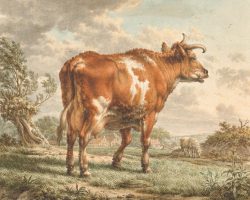
Preserving vintage tractors is not merely an act of nostalgia; it serves as a vital link to our agricultural heritage. These machines represent the ingenuity and hard work of generations of farmers who relied on them to cultivate the land and feed their communities. By maintaining and restoring these tractors, enthusiasts ensure that future generations can appreciate the technological advancements that have shaped modern agriculture.
Each vintage tractor tells a story, reflecting the era in which it was built and the specific challenges faced by farmers at that time. Moreover, vintage tractors often serve as educational tools, providing insights into historical farming practices and machinery. Museums and agricultural fairs frequently showcase these machines, allowing visitors to engage with history in a tangible way.
The preservation of vintage tractors also fosters a sense of community among enthusiasts who share a passion for these machines. Through restoration projects, clubs, and events, individuals come together to celebrate their love for vintage tractors while promoting awareness of their historical significance.
What to Expect at a Vintage Tractor Auction
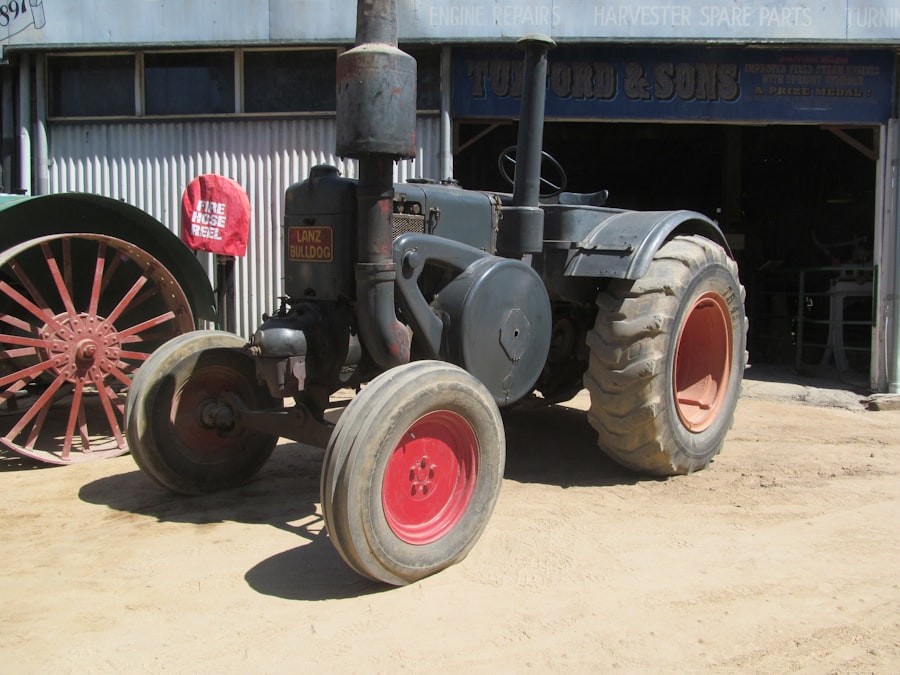
Attending a vintage tractor auction can be an exhilarating experience for both seasoned collectors and newcomers alike. These events typically feature a diverse array of tractors, ranging from rare models to more common ones that have been lovingly restored. Upon arrival, attendees are greeted by rows of gleaming machines, each with its own unique history and character.
Auction catalogs often provide detailed descriptions of each tractor, including its year of manufacture, condition, and any modifications made over the years. Bidding at these auctions can be competitive, especially for sought-after models or those with historical significance. Prospective buyers should come prepared with research on the tractors they are interested in, as well as a clear budget.
It’s not uncommon for bidding wars to erupt over particularly desirable tractors, driving prices well above initial estimates. Additionally, many auctions offer opportunities for buyers to inspect the tractors up close before bidding begins, allowing them to assess their condition and functionality firsthand.
How Vintage Tractors Are Restored
| Restoration Stage | Typical Duration | Key Activities | Tools/Materials Used | Common Challenges |
|---|---|---|---|---|
| Assessment & Documentation | 1-2 weeks | Inspect tractor condition, take photos, list parts needed | Camera, notebook, measuring tools | Identifying missing parts, assessing rust damage |
| Disassembly | 1-3 weeks | Carefully dismantle tractor, label and store parts | Wrenches, screwdrivers, containers for parts | Seized bolts, fragile components breaking |
| Cleaning & Rust Removal | 2-4 weeks | Remove dirt, grease, and rust from parts | Wire brushes, sandblaster, degreasers | Heavy rust, hard-to-reach areas |
| Repair & Replacement | 3-6 weeks | Fix or replace damaged parts, engine overhaul | Welding equipment, replacement parts, engine tools | Finding authentic parts, machining custom pieces |
| Painting & Finishing | 1-2 weeks | Apply primer, paint, decals, and protective coatings | Paint sprayer, masking tape, paint | Achieving original color match, avoiding paint runs |
| Reassembly | 2-4 weeks | Put tractor back together, test mechanical functions | Hand tools, torque wrench, lubricants | Aligning parts correctly, ensuring safety |
| Final Testing & Adjustment | 1 week | Run tractor, adjust engine and controls | Diagnostic tools, fuel, lubricants | Fine-tuning engine performance, fixing leaks |
Restoring a vintage tractor is both an art and a science, requiring a blend of mechanical skills, historical knowledge, and an eye for detail. The restoration process typically begins with a thorough assessment of the tractor’s condition. This involves examining the engine, transmission, bodywork, and any other components that may need attention.
Depending on the level of deterioration, restorers may choose to undertake a complete overhaul or focus on specific areas that require repair. Once the assessment is complete, the restoration process can begin. This often involves disassembling the tractor to its individual parts for cleaning and repair.
Rust removal is a common task, as many vintage tractors have spent decades exposed to the elements. After cleaning, parts may be painted or refinished to restore their original appearance. Mechanical components are often rebuilt or replaced with new parts that match the original specifications.
Throughout this process, restorers strive to maintain authenticity while ensuring that the tractor is safe and functional for use or display.
The Community of Vintage Tractor Enthusiasts
The world of vintage tractors is rich with community spirit and camaraderie among enthusiasts who share a passion for these machines. Clubs and organizations dedicated to vintage tractors often host events such as rallies, shows, and parades where members can showcase their restored machines and share their knowledge with others. These gatherings provide an opportunity for enthusiasts to connect with like-minded individuals who appreciate the craftsmanship and history behind each tractor.
Online forums and social media groups have also become vital platforms for vintage tractor enthusiasts to exchange tips, share restoration projects, and discuss upcoming events. These digital spaces allow individuals from all over the world to connect, fostering a global community united by a shared interest in preserving agricultural history. Whether through local clubs or online networks, the sense of belonging within this community is palpable, as members support one another in their restoration efforts and celebrate their collective passion for vintage tractors.
The Impact of Vintage Tractors on Farming
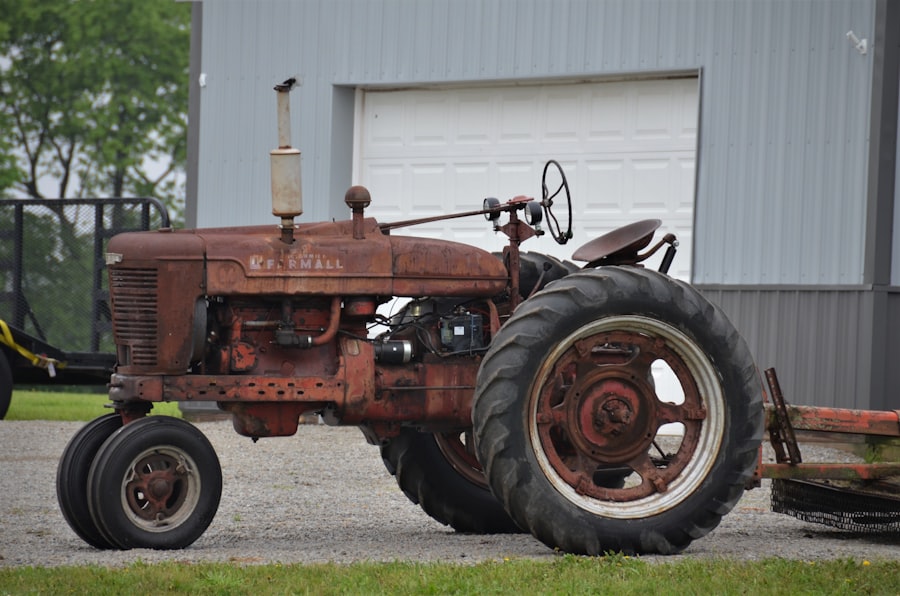
While vintage tractors may seem like relics of the past, their impact on modern farming practices cannot be understated. Many contemporary farmers still appreciate the simplicity and reliability of older models, often using them for specific tasks where modern machinery may be too complex or costly. For instance, smaller farms may rely on vintage tractors for cultivating crops or maintaining gardens due to their ease of use and lower maintenance costs compared to newer models.
Additionally, vintage tractors play a role in sustainable farming practices by promoting the use of older technology that requires less fuel and fewer resources than modern equipment. This aligns with a growing movement among farmers who seek to reduce their carbon footprint and embrace more environmentally friendly practices. By integrating vintage machinery into their operations, farmers can honor traditional methods while adapting to contemporary agricultural challenges.
Tips for Buying a Vintage Tractor at Auction
Navigating a vintage tractor auction can be daunting for first-time buyers; however, with careful preparation and research, it can also be an exciting opportunity to acquire a piece of agricultural history. One essential tip is to thoroughly research the specific models you are interested in before attending the auction. Understanding market values and common issues associated with particular makes and models can help you make informed decisions during bidding.
Another crucial aspect is to inspect any tractors you are considering before placing a bid. Look for signs of wear or damage that may not be immediately apparent in photographs or descriptions. Pay attention to critical components such as the engine condition, transmission functionality, and overall structural integrity.
If possible, bring along someone experienced in vintage machinery who can provide additional insights during your inspection.
The Future of Vintage Tractors
As we look toward the future of vintage tractors, several trends are emerging that may shape their role in agriculture and collector culture. One significant trend is the increasing interest in sustainable farming practices among younger generations. This shift could lead to a resurgence in the use of vintage tractors as farmers seek out reliable machinery that aligns with their eco-friendly values.
Additionally, as technology continues to advance rapidly in agriculture, there may be a growing appreciation for the simplicity and durability of older models. Moreover, advancements in restoration techniques and access to parts have made it easier than ever for enthusiasts to restore vintage tractors to their former glory. As more people become involved in this hobby, we can expect an expansion of community events focused on celebrating these machines.
The future may also see an increase in educational programs aimed at teaching younger generations about the importance of preserving agricultural history through vintage tractors. In conclusion, vintage tractors represent not only a significant chapter in agricultural history but also an enduring passion among enthusiasts dedicated to preserving these machines for future generations. Their impact on farming practices continues to resonate today as we navigate an ever-evolving agricultural landscape.