
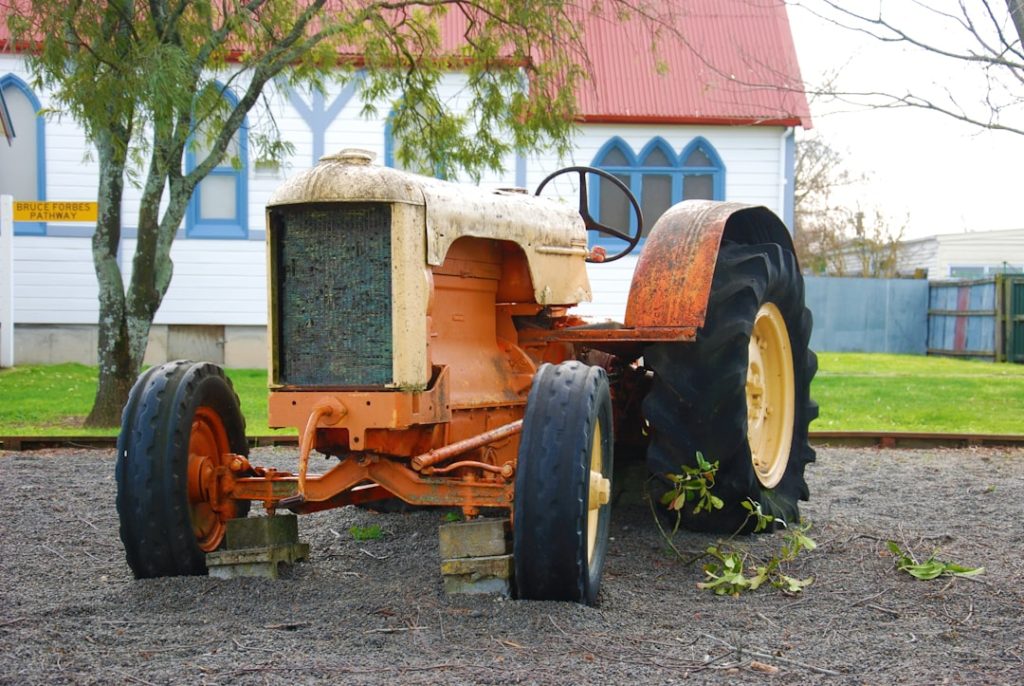
The evolution of pedal tractors is a fascinating journey that intertwines the realms of agriculture and childhood play. Originating in the early 20th century, these miniature replicas of real tractors were initially designed as toys for children, allowing them to emulate the farming activities they observed in their rural surroundings. The first pedal tractors emerged in the 1920s, crafted primarily from metal and featuring simple designs that mimicked the functionality of their full-sized counterparts.
Companies like John Deere and International Harvester recognized the potential of these toys not just as playthings but as tools for instilling a sense of responsibility and work ethic in young children. As the decades progressed, pedal tractors became more than just toys; they evolved into cherished collectibles. By the 1950s and 1960s, manufacturers began producing more intricate models with detailed features, vibrant colors, and branding that appealed to both children and adult collectors.
The post-war economic boom saw a surge in disposable income, leading families to invest in high-quality toys. This period marked a significant turning point, as pedal tractors transitioned from mere play items to nostalgic artifacts that evoke memories of simpler times. Collectors began to seek out vintage models, recognizing their craftsmanship and historical significance, thus laying the groundwork for a thriving market that continues to flourish today.
Key Takeaways
- Vintage pedal tractors evolved from practical farming tools to highly collectible items with historical value.
- Collectors prize vintage pedal tractors for their craftsmanship, nostalgia, and rarity.
- Top brands and models, such as those from Ertl and Hubley, dominate the vintage pedal tractor market.
- Successful restoration requires careful sourcing of parts and attention to original details.
- Auctions offer thrilling opportunities to acquire rare tractors and connect with a passionate collector community.
What Makes Vintage Pedal Tractors So Desirable to Collectors?
The allure of vintage pedal tractors lies in their unique combination of nostalgia, craftsmanship, and historical significance. For many collectors, these toys represent a tangible connection to their childhoods or to the agricultural heritage of their families. The emotional resonance associated with these items often drives collectors to seek out specific models that remind them of their past experiences or those of loved ones.
This emotional attachment is further amplified by the stories behind each tractor, as many were passed down through generations or were once part of a family’s farming legacy. In addition to nostalgia, the craftsmanship of vintage pedal tractors is a significant factor in their desirability. Unlike many modern toys that are mass-produced with plastic components, vintage models were often made from durable metal and featured intricate details that showcased the manufacturing techniques of their time.
Collectors appreciate the artistry involved in creating these toys, from the precision engineering to the vibrant paint jobs that have stood the test of time. Furthermore, limited production runs and unique features make certain models particularly sought after, as collectors vie for rare pieces that can enhance their collections and serve as conversation starters.
The Most Sought-After Brands and Models in the Vintage Pedal Tractor Market
Within the vintage pedal tractor market, certain brands and models have achieved legendary status among collectors. John Deere, for instance, is perhaps the most recognized name in agricultural machinery, and its pedal tractors are highly coveted. Models such as the John Deere 4020 and 520 are particularly sought after due to their iconic designs and historical significance within the farming community.
These tractors not only represent a brand but also embody a legacy of innovation and reliability that resonates with collectors. Another brand that has garnered a dedicated following is International Harvester. The International Harvester pedal tractors, especially models like the Farmall Cub and Farmall Super A, are prized for their distinctive styling and connection to American farming history.
Collectors often seek out these models not only for their aesthetic appeal but also for their rarity; certain versions were produced in limited quantities or featured unique color schemes that make them stand out in any collection. Additionally, brands like Case and Allis-Chalmers have their own loyal fan bases, with specific models commanding high prices at auctions due to their scarcity and desirability.
Tips for Finding and Restoring Vintage Pedal Tractors
| Tip | Description | Estimated Time | Difficulty Level | Tools/Materials Needed |
|---|---|---|---|---|
| Research Brands and Models | Identify popular vintage pedal tractor brands and models to target your search effectively. | 2-3 hours | Easy | Internet access, reference books |
| Inspect for Rust and Damage | Check the tractor for rust, dents, and missing parts before purchasing. | 30 minutes | Medium | Flashlight, magnifying glass |
| Source Replacement Parts | Locate original or compatible replacement parts for restoration. | 1-2 weeks | Hard | Online marketplaces, specialty stores |
| Disassemble Carefully | Take apart the tractor methodically to avoid damaging components. | 3-4 hours | Medium | Screwdrivers, wrenches, containers for small parts |
| Remove Rust and Paint | Use sanding or chemical rust removers to clean metal surfaces. | 4-6 hours | Hard | Sandpaper, wire brush, rust remover |
| Prime and Paint | Apply primer and paint to restore original look and protect metal. | 6-8 hours (including drying time) | Medium | Primer, paint, brushes or spray paint |
| Lubricate Moving Parts | Ensure pedals, wheels, and steering move smoothly after reassembly. | 30 minutes | Easy | Lubricant oil, grease |
| Test for Safety | Check stability and functionality before allowing children to use it. | 1 hour | Medium | Safety gloves, testing area |
For those interested in entering the world of vintage pedal tractor collecting, knowing where to find these treasures is crucial. Antique shops, flea markets, estate sales, and online marketplaces such as eBay are excellent starting points for discovering hidden gems. Networking with other collectors can also provide valuable leads on where to find specific models or parts needed for restoration projects.
Joining online forums or local collector clubs can enhance one’s search efforts by connecting enthusiasts who share tips and resources. Restoration is an integral part of the collecting process for many enthusiasts. When restoring a vintage pedal tractor, it’s essential to approach the project with care and respect for the original craftsmanship.
Start by thoroughly cleaning the tractor to remove dirt and grime while preserving its original paint where possible. If repainting is necessary, using high-quality paint that matches the original color scheme can help maintain authenticity. Additionally, sourcing original parts or high-quality reproductions can enhance the tractor’s value while ensuring it remains true to its roots.
Documenting the restoration process can also add to the tractor’s story, making it more appealing to future collectors.
The Excitement and Anticipation of Attending a Vintage Pedal Tractor Auction
Attending a vintage pedal tractor auction is an exhilarating experience for collectors and enthusiasts alike. The atmosphere is charged with anticipation as bidders gather to vie for coveted models that may not be available elsewhere. Auctions often feature a diverse array of tractors, from well-preserved classics to rare finds that spark excitement among attendees.
The thrill of competition adds an element of unpredictability; bidders must be prepared to act quickly and decisively when they spot a model they desire. The social aspect of auctions cannot be overlooked either. These events provide an opportunity for collectors to connect with one another, share stories about their collections, and discuss restoration techniques or market trends.
Many attendees form friendships based on their shared passion for vintage pedal tractors, creating a sense of community that extends beyond the auction itself. The excitement builds as each lot is presented, with bidders eagerly raising their paddles in hopes of securing a prized addition to their collections.
Notable Sales and Record-Breaking Prices at Past Vintage Pedal Tractor Auctions
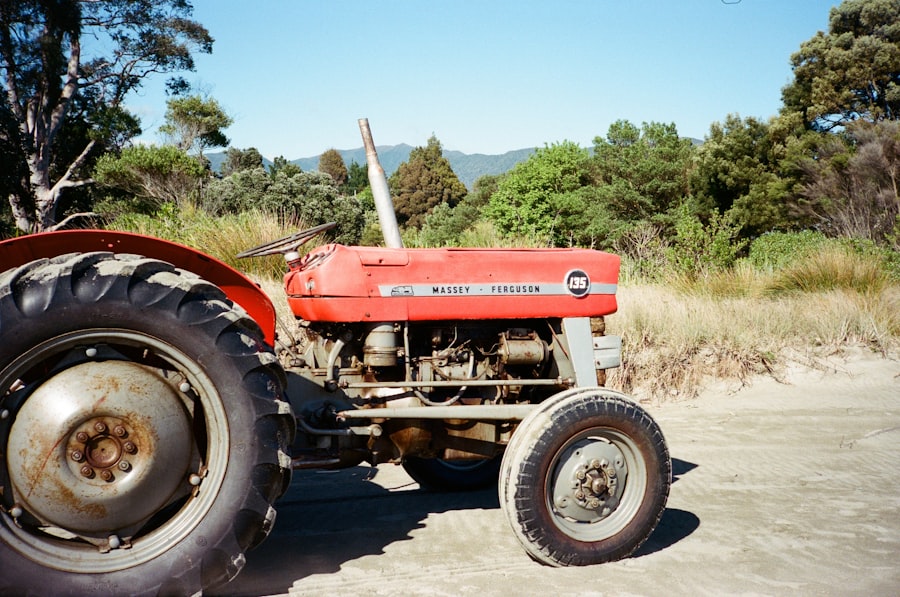
The vintage pedal tractor market has seen some remarkable sales over the years, with certain models fetching astonishing prices at auction. For instance, a rare John Deere 4020 pedal tractor sold for over $5,000 at a recent auction, highlighting its desirability among collectors who appreciate its historical significance and craftsmanship. Such record-breaking sales not only reflect the value placed on these items but also underscore the growing interest in vintage toys as investment pieces.
Another notable sale involved an International Harvester Farmall pedal tractor that fetched nearly $4,000 due to its pristine condition and limited production run. Auctions like these demonstrate how certain models can appreciate significantly over time, making them attractive options for collectors looking to invest in tangible assets. The excitement surrounding these high-stakes auctions often draws attention from media outlets and collectors alike, further fueling interest in the vintage pedal tractor market.
The Community of Vintage Pedal Tractor Collectors: Networking and Sharing Knowledge
The community surrounding vintage pedal tractor collecting is vibrant and welcoming, characterized by a shared passion for preserving history through these unique artifacts. Collectors often come together at events such as shows, auctions, and swap meets where they can showcase their collections and exchange knowledge about restoration techniques or sourcing parts. These gatherings foster camaraderie among enthusiasts who appreciate not only the tractors themselves but also the stories they represent.
Online platforms have also played a significant role in connecting collectors across geographical boundaries. Social media groups and dedicated forums allow individuals to share photos of their collections, seek advice on restoration projects, or discuss market trends. This digital networking has expanded the community significantly, enabling collectors from different regions to collaborate on projects or even trade parts.
The willingness to share knowledge and experiences enriches the collecting journey for everyone involved.
The Future of Vintage Pedal Tractor Collecting: Trends and Predictions
As we look toward the future of vintage pedal tractor collecting, several trends are emerging that may shape the landscape of this niche market. One notable trend is the increasing interest among younger generations who are discovering these collectibles through social media platforms like Instagram and TikTok. This newfound enthusiasm could lead to a resurgence in popularity as younger collectors seek out vintage models that resonate with their own childhood experiences or family histories.
Additionally, there is a growing emphasis on sustainability within collecting communities. As awareness of environmental issues rises, many collectors are focusing on preserving existing items rather than contributing to new production cycles. This shift could lead to an increased demand for restoration services and parts sourcing as enthusiasts strive to maintain the integrity of vintage models while minimizing their ecological footprint.
In conclusion, while predicting specific trends can be challenging, it is clear that vintage pedal tractor collecting will continue to thrive as long as there are passionate individuals dedicated to preserving these pieces of history. The combination of nostalgia, craftsmanship, community engagement, and emerging interests among new collectors ensures that this unique hobby will remain vibrant for years to come.