
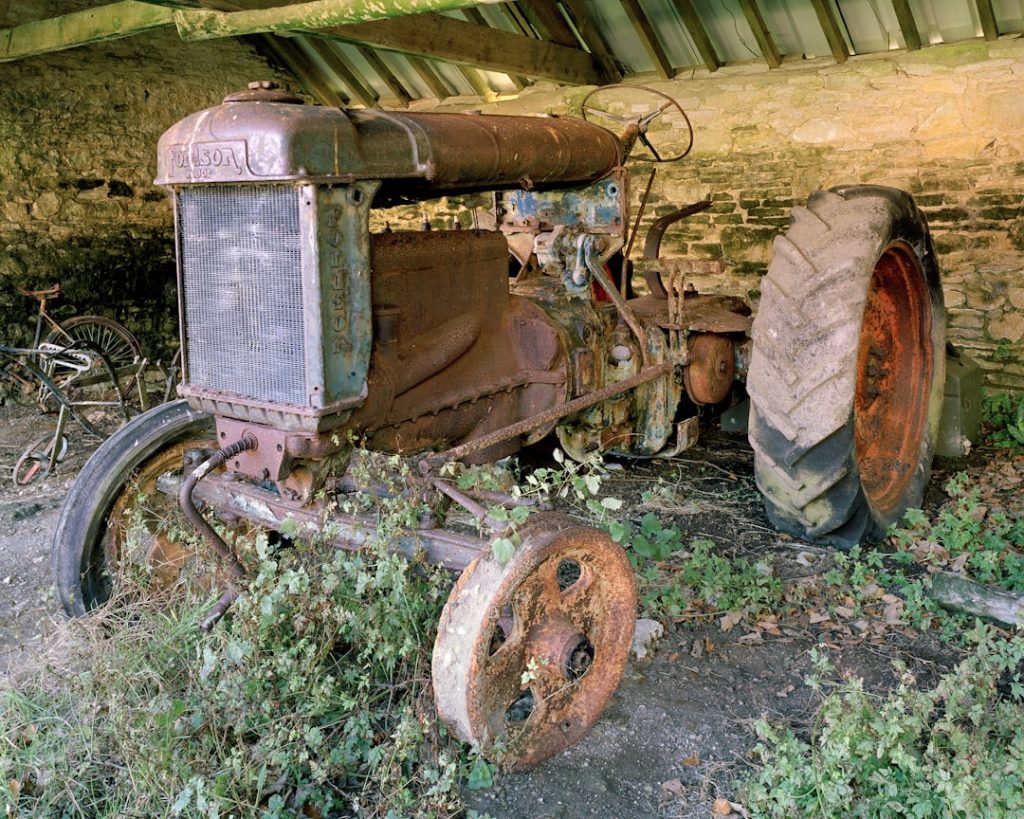
The evolution of farm machinery is a fascinating journey that reflects the broader changes in agricultural practices and technology over the centuries. The roots of vintage farm machinery can be traced back to the early 19th century, when the Industrial Revolution began to transform agriculture from a labor-intensive endeavor into a more mechanized process. Early innovations included the seed drill, invented by Jethro Tull in 1701, which allowed for more efficient planting of crops.
However, it was not until the advent of steam power in the 1800s that significant advancements in farm machinery began to take shape. Steam-powered tractors and threshing machines revolutionized farming, enabling farmers to cultivate larger areas of land with greater efficiency. As the 20th century approached, internal combustion engines began to replace steam power, leading to the development of gasoline-powered tractors.
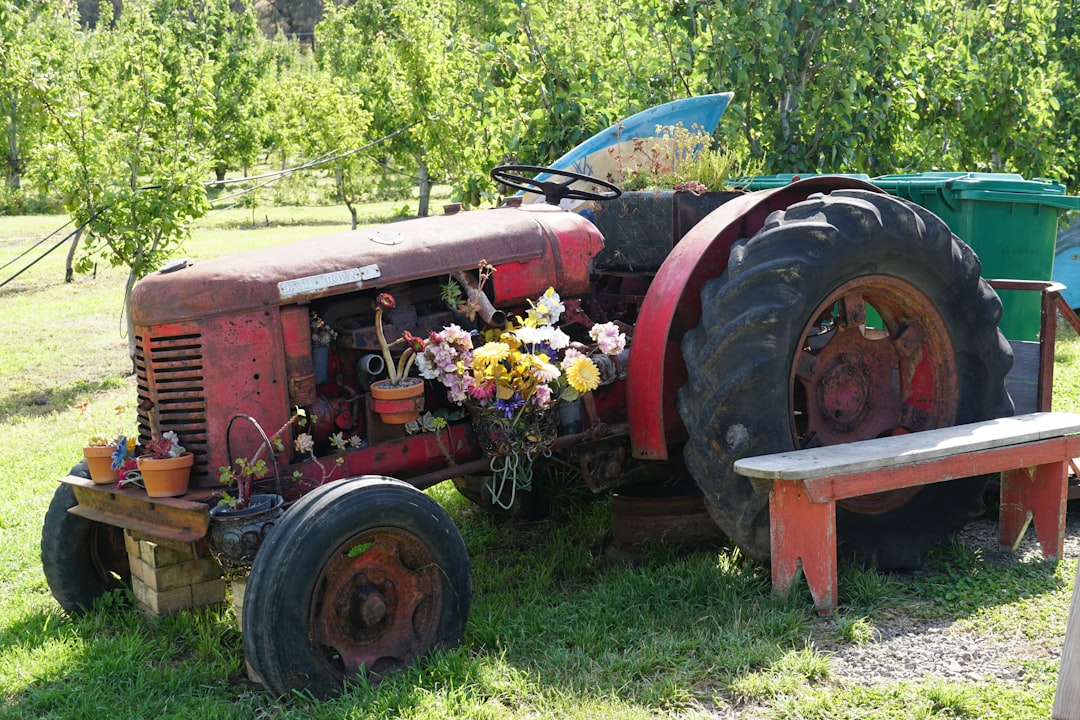
The Fordson tractor, introduced in 1917, was one of the first mass-produced tractors and played a pivotal role in making mechanized farming accessible to a broader range of farmers. This period also saw the introduction of various implements such as plows, harrows, and combines, which further enhanced productivity. By the mid-20th century, vintage farm machinery had become an integral part of agricultural life, with iconic brands like John Deere and International Harvester emerging as household names.
These machines not only transformed farming practices but also shaped rural communities and economies.
Key Takeaways
- Vintage farm machinery has a rich history reflecting agricultural advancements over time.
- These machines can be found for sale through auctions, online marketplaces, and specialty dealers.
- Restoring vintage farm equipment requires careful attention to detail and sourcing authentic parts.
- The value of vintage farm machinery depends on rarity, condition, and historical significance.
- Collecting and displaying vintage farm machinery is a growing trend among enthusiasts and historians.
Where to Find Vintage Farm Machinery for Sale
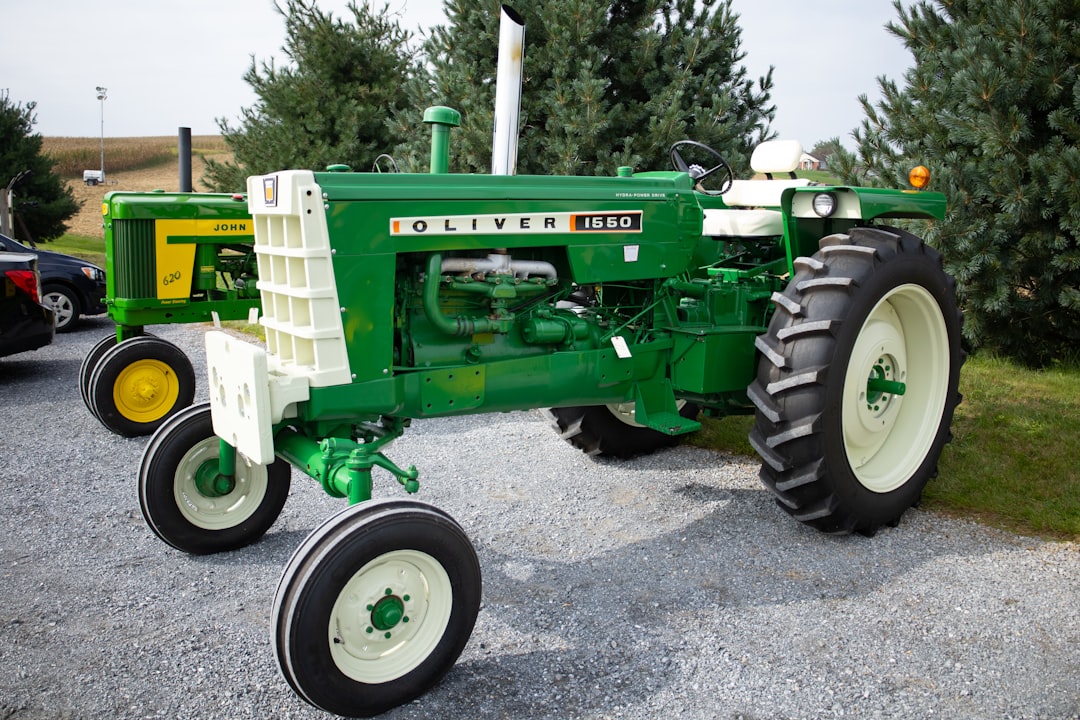
Finding vintage farm machinery for sale can be an exciting treasure hunt for enthusiasts and collectors alike. One of the most common places to start is at local auctions, where farmers often sell off older equipment that they no longer use. These auctions can be a goldmine for those looking for specific models or brands, as they often feature a wide variety of machinery from different eras.
Attending farm estate sales can also yield valuable finds, as families may sell off their ancestors’ equipment that has been passed down through generations. Online marketplaces have also become increasingly popular for sourcing vintage farm machinery. Websites like eBay, Craigslist, and specialized auction sites cater specifically to agricultural equipment.
These platforms allow buyers to browse listings from across the country, providing access to a broader range of options than local sales alone. Additionally, social media groups and forums dedicated to vintage machinery can connect buyers with sellers directly, fostering a community where enthusiasts share leads on available equipment. Networking with local farming communities and attending agricultural fairs can also lead to discovering hidden gems that may not be listed online.
Restoring Vintage Farm Machinery
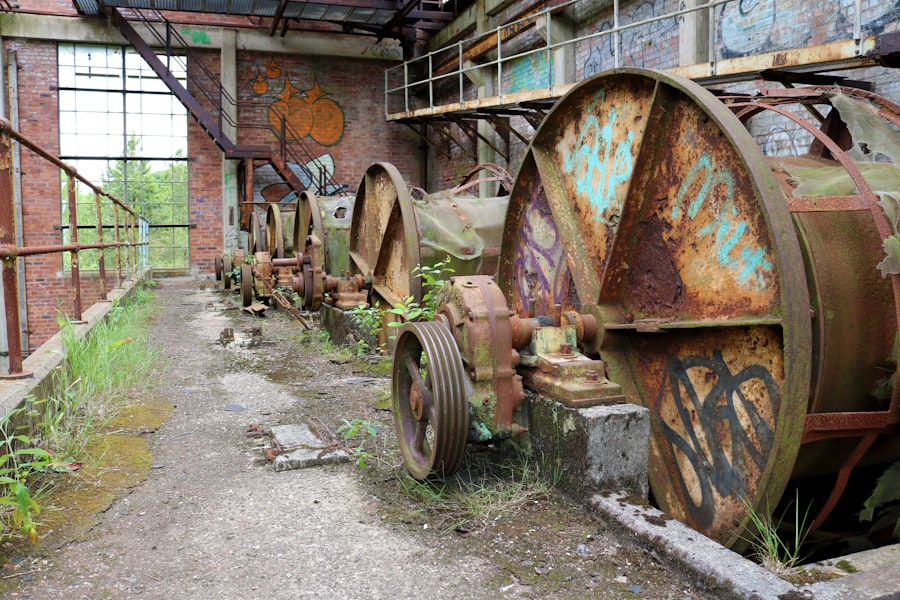
Restoring vintage farm machinery is both an art and a science, requiring a blend of mechanical skills, historical knowledge, and a passion for preservation. The restoration process often begins with a thorough assessment of the machine’s condition. This includes evaluating the engine, transmission, and structural integrity of the frame.
Many collectors prefer to restore machines to their original specifications, which involves sourcing authentic parts that match the original design. This can be a challenging task, as some parts may no longer be manufactured or readily available. Once the assessment is complete, the restoration process typically involves disassembling the machine to clean and repair individual components.
Rust removal is a common challenge faced during restoration; techniques such as sandblasting or chemical treatments are often employed to restore metal surfaces. After repairs are made, the machine is usually repainted to its original color scheme, which not only enhances its aesthetic appeal but also protects it from future deterioration. The final step often includes reassembling the machine and conducting test runs to ensure everything operates smoothly.
This meticulous process not only revives the functionality of vintage machinery but also preserves its historical significance for future generations.
The Value of Vintage Farm Machinery
| Type of Machinery | Average Age (Years) | Market Value Range | Restoration Cost | Collector Demand | Historical Significance |
|---|---|---|---|---|---|
| Tractors | 50-70 | 5,000 – 30,000 | 2,000 – 15,000 | High | Very High |
| Plows | 60-80 | 1,000 – 8,000 | 500 – 4,000 | Medium | High |
| Harvesters | 40-60 | 7,000 – 25,000 | 3,000 – 12,000 | High | Very High |
| Seed Drills | 50-70 | 2,000 – 10,000 | 1,000 – 5,000 | Medium | Medium |
| Threshers | 60-90 | 4,000 – 20,000 | 2,000 – 10,000 | Medium | High |
The value of vintage farm machinery can vary significantly based on several factors, including age, rarity, condition, and historical significance. Collectors often seek out machines that are not only functional but also represent important milestones in agricultural technology. For instance, tractors from the early 20th century or those produced by iconic brands like John Deere or Case IH tend to command higher prices due to their historical importance and desirability among collectors.
Condition plays a crucial role in determining value; well-preserved machines with original parts and minimal modifications are typically more sought after than heavily restored or altered versions. Additionally, provenance can enhance value; machines with documented histories or those that belonged to notable figures in agriculture may attract premium prices at auctions. As interest in vintage farm machinery continues to grow, so does its market value, making it an appealing investment for collectors who appreciate both its aesthetic and historical significance.
Popular Brands and Models of Vintage Farm Machinery
Several brands have become synonymous with vintage farm machinery due to their long-standing reputations and iconic models. John Deere is perhaps the most recognized name in agricultural equipment, with models like the John Deere Model A tractor becoming legendary among collectors. Introduced in 1934, the Model A was one of the first tractors designed for both row-crop and general-purpose farming, making it a versatile choice for farmers at the time.
International Harvester is another prominent brand known for its innovative designs and reliable machinery. The Farmall series, particularly the Farmall H and M models produced in the 1930s and 1940s, are highly sought after by collectors due to their unique styling and robust performance. These tractors were designed for small to medium-sized farms and became popular for their ease of use and adaptability to various farming tasks.
Other notable brands include Allis-Chalmers, Case, and Massey Ferguson, each contributing unique models that have left a lasting impact on agricultural practices.
Tips for Buying Vintage Farm Machinery
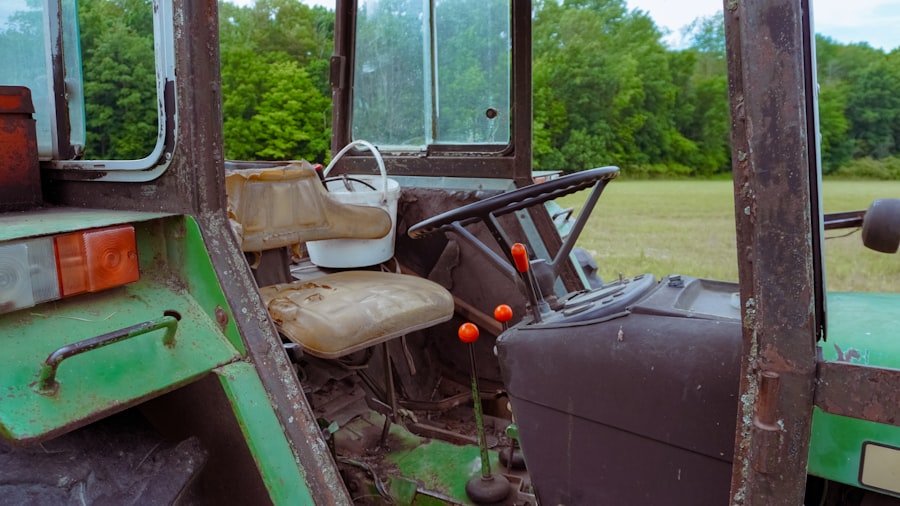
When considering purchasing vintage farm machinery, there are several key factors to keep in mind to ensure a successful acquisition. First and foremost, conducting thorough research on specific models and brands is essential. Understanding the history, common issues, and market values associated with particular machines can help buyers make informed decisions.
Joining online forums or local clubs dedicated to vintage machinery can provide valuable insights from experienced collectors. Inspecting the machinery in person is crucial before making a purchase. Buyers should look for signs of wear and tear, rust damage, or modifications that may affect performance or authenticity.
It’s advisable to ask for maintenance records or any documentation that can provide insight into the machine’s history. If possible, test-running the equipment can reveal potential mechanical issues that may not be immediately apparent during a visual inspection. Finally, establishing a budget that accounts for potential restoration costs is vital; many vintage machines may require significant investment beyond the initial purchase price.
Displaying and Using Vintage Farm Machinery
Displaying vintage farm machinery can be a rewarding endeavor for collectors who wish to showcase their prized possessions while preserving their historical significance. Many enthusiasts choose to create dedicated spaces on their properties where they can exhibit their collections. This could involve building a barn or shed specifically designed for displaying machinery or setting up outdoor displays that highlight different models in an aesthetically pleasing manner.
Using vintage farm machinery is another way to appreciate its historical value while keeping it functional. Many collectors participate in tractor shows or agricultural fairs where they can demonstrate their machines in action. These events not only allow collectors to share their passion with others but also serve as educational opportunities for younger generations interested in agricultural history.
However, it’s essential to balance usage with preservation; regular maintenance and careful handling are crucial to ensuring that these machines remain in good condition for years to come.
The Growing Trend of Collecting Vintage Farm Machinery
The trend of collecting vintage farm machinery has gained momentum over recent years as more individuals recognize the cultural and historical significance of these machines. This resurgence can be attributed to several factors, including nostalgia for simpler times in agriculture and a growing appreciation for craftsmanship that characterized earlier manufacturing processes. Collectors often find joy in preserving these machines not just as functional tools but as artifacts that tell stories about agricultural practices and rural life.
Social media platforms have played a significant role in fostering this trend by connecting collectors from around the world. Online communities allow enthusiasts to share restoration projects, trade parts, and discuss best practices for maintenance and preservation. Additionally, events such as tractor shows and swap meets have become popular gatherings where collectors can showcase their machines while networking with like-minded individuals.
As interest continues to grow, it is likely that vintage farm machinery will remain a cherished aspect of agricultural heritage for future generations.