
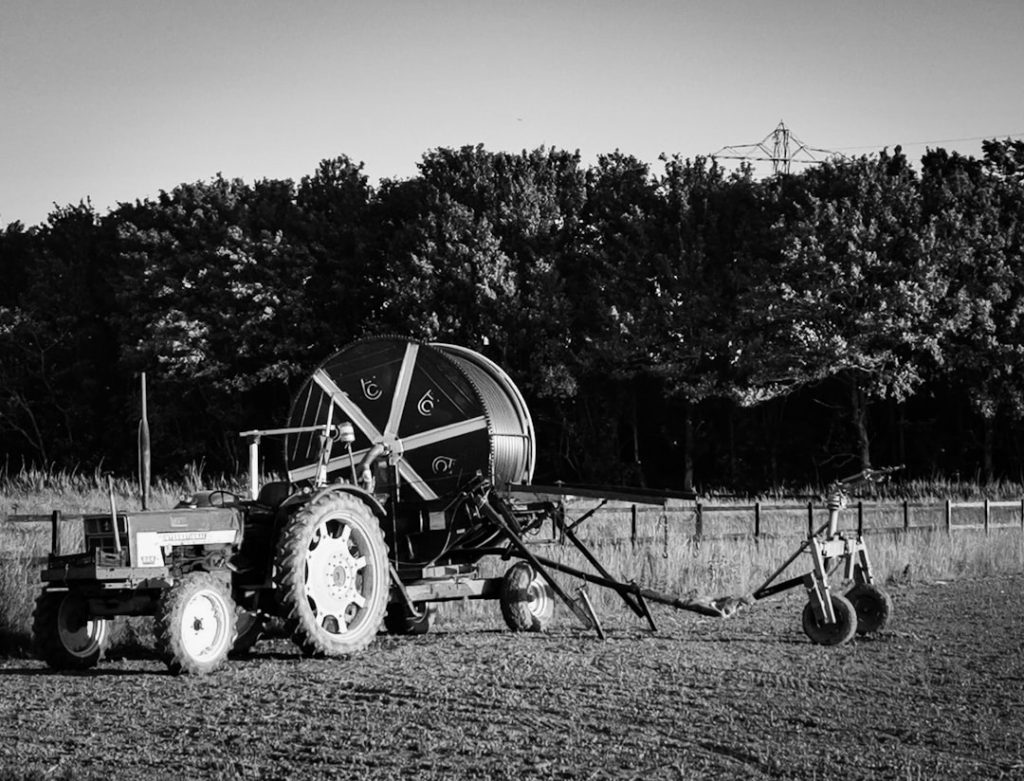
The allure of vintage agricultural machinery lies not only in its aesthetic charm but also in its rich history and the stories it carries. Each piece of machinery, from the iconic Fordson tractor to the classic International Harvester combine, represents a significant chapter in the evolution of farming practices. These machines were often built with a level of craftsmanship that is rarely seen in modern equipment, showcasing the ingenuity and resourcefulness of their creators.
The patina of age, the intricate mechanical designs, and the nostalgia they evoke contribute to their timeless appeal, making them coveted items for collectors and enthusiasts alike. Moreover, vintage agricultural machinery serves as a tangible link to the past, allowing us to appreciate the advancements in technology and farming methods over the decades. For many, these machines symbolize a simpler time when farming was more labor-intensive and community-oriented.
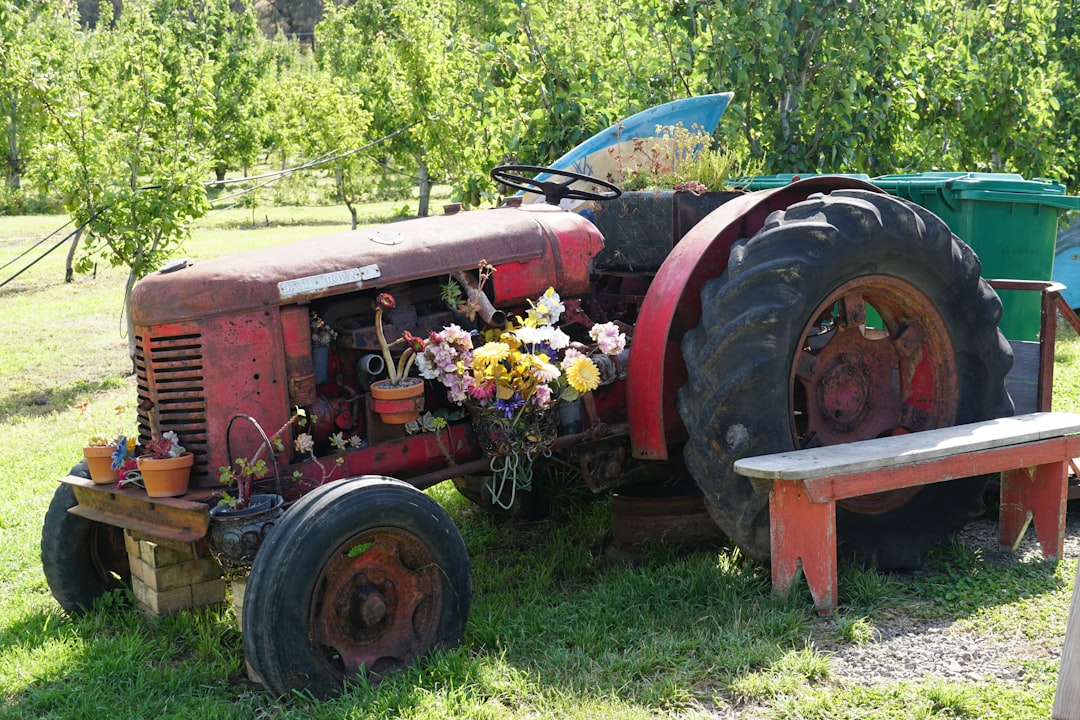
The sight of a well-preserved vintage tractor plowing a field can evoke memories of family farms and rural life, creating a sense of connection to agricultural heritage. This emotional resonance is a significant factor in the growing interest in vintage machinery, as it allows individuals to engage with history in a meaningful way.
Key Takeaways
- Vintage agricultural machinery holds enduring charm and historical significance.
- Investing in vintage machinery can be financially rewarding and culturally valuable.
- Benefits include durability, unique design, and potential for appreciation.
- Key considerations include condition, authenticity, and availability of parts.
- The market for vintage agricultural equipment is expanding, indicating strong future investment potential.
Investing in Vintage Agricultural Machinery: A Wise Choice
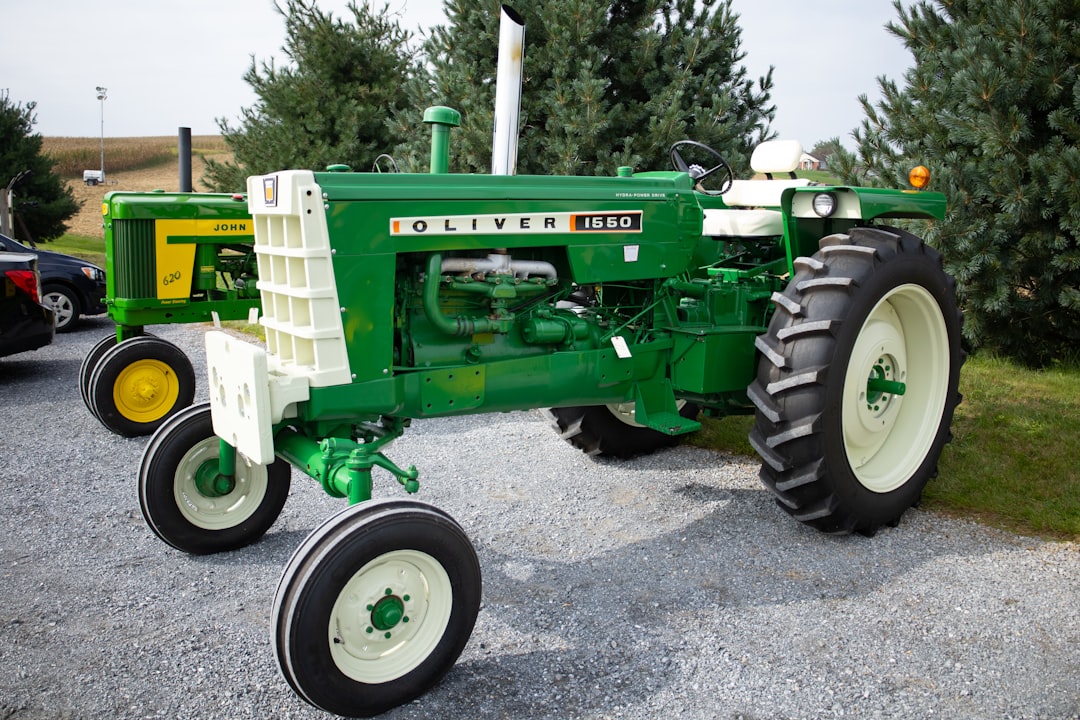
Investing in vintage agricultural machinery can be a prudent financial decision for several reasons. First and foremost, the value of these machines tends to appreciate over time, particularly if they are well-maintained and preserved. Unlike many modern assets that depreciate rapidly, vintage machinery often becomes more desirable as it becomes rarer.
Collectors and enthusiasts are willing to pay a premium for machines that are in good condition or have unique features, making them a potentially lucrative investment. Additionally, the market for vintage agricultural machinery is expanding as more people recognize its value. With the rise of sustainable farming practices and a growing interest in organic agriculture, there is an increasing appreciation for traditional farming methods and the equipment that supported them.
This trend has led to a surge in demand for vintage machinery, which can be used not only for display but also for practical farming purposes. As more individuals seek to reconnect with their agricultural roots or adopt sustainable practices, investing in vintage machinery can yield both financial returns and personal satisfaction.
The Advantages of Purchasing Vintage Agricultural Machinery
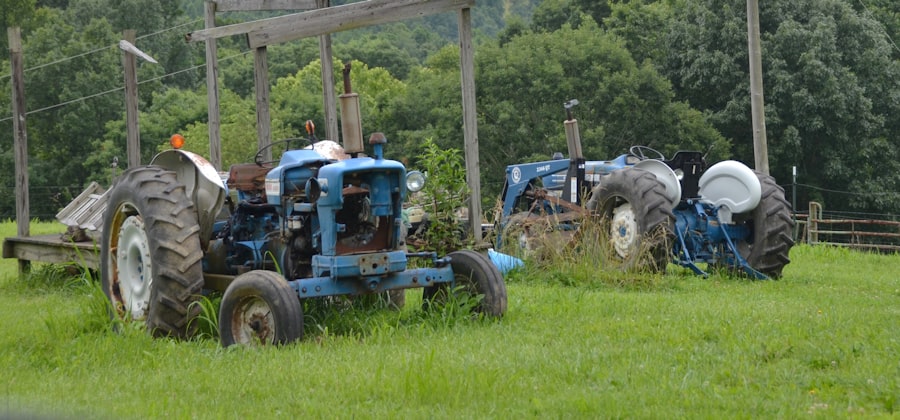
One of the primary advantages of purchasing vintage agricultural machinery is its durability and reliability. Many older machines were built to last, often using high-quality materials and robust engineering that can withstand the rigors of farm work. Unlike some modern equipment that may be designed with planned obsolescence in mind, vintage machinery often boasts a level of sturdiness that makes it suitable for ongoing use.
This reliability can be particularly appealing to small-scale farmers or hobbyists who prefer to work with equipment that has proven its worth over decades. In addition to durability, vintage agricultural machinery often comes with a unique character that modern machines lack. Each piece has its own story, marked by years of use and the hands that operated it.
This individuality can enhance the farming experience, as operators develop a bond with their equipment that transcends mere functionality. Furthermore, many vintage machines are simpler in design, making them easier to repair and maintain than their modern counterparts. This simplicity can be advantageous for those who enjoy hands-on work and prefer to avoid the complexities of contemporary technology.
Where to Find Vintage Agricultural Machinery for Sale
| Source | Type of Machinery | Average Price Range | Location | Additional Notes |
|---|---|---|---|---|
| Online Marketplaces (e.g., eBay, TractorHouse) | Tractors, Plows, Harvesters | 1,000 – 20,000 | Global | Wide variety, buyer protection available |
| Antique Farm Shows & Auctions | Rare and Restored Vintage Equipment | 5,000 – 50,000 | Regional/Local | Opportunity to inspect in person |
| Specialty Dealers & Restorers | Fully Restored Tractors and Implements | 10,000 – 40,000 | Varies by dealer | Often includes warranty or service |
| Classified Ads in Agricultural Magazines | Various Vintage Machinery | 500 – 15,000 | Local/Regional | May require negotiation and inspection |
| Online Forums and Collector Groups | Tractors, Implements, Parts | Varies widely | Global | Good for networking and finding rare items |
Finding vintage agricultural machinery for sale can be an exciting treasure hunt for enthusiasts and collectors. Numerous avenues exist for sourcing these unique pieces, ranging from online marketplaces to local auctions and estate sales. Websites such as eBay, Craigslist, and specialized agricultural auction sites often feature listings for vintage tractors, plows, and other equipment.
These platforms allow buyers to browse a wide selection from various sellers, making it easier to find specific models or brands. Local farm shows and antique machinery exhibitions also provide excellent opportunities to discover vintage equipment. These events often feature vendors specializing in antique machinery, offering everything from fully restored tractors to parts for restoration projects.
Networking with other collectors at these events can lead to valuable insights and potential leads on machinery that may not be publicly listed for sale. Additionally, joining local or online clubs dedicated to vintage agricultural machinery can connect buyers with fellow enthusiasts who may have machines for sale or know where to find them.
Factors to Consider When Purchasing Vintage Agricultural Machinery
When considering the purchase of vintage agricultural machinery, several critical factors should be taken into account to ensure a wise investment. First and foremost is the condition of the machine. Prospective buyers should thoroughly inspect the equipment for signs of wear, rust, or damage.
Understanding the machine’s operational history can provide insight into how well it has been maintained over the years. If possible, obtaining documentation such as service records or previous ownership history can further inform the decision-making process. Another important consideration is the availability of parts and support for maintenance.
While many vintage machines are built to last, sourcing replacement parts can sometimes be challenging due to their age. Buyers should research whether parts are readily available through specialty suppliers or if there are aftermarket options for repairs. Additionally, understanding the machine’s mechanical systems and whether they require specialized knowledge for maintenance can influence the decision to purchase.
A machine that is too complex or difficult to maintain may not be a practical choice for those looking to use it regularly.
Restoring and Maintaining Vintage Agricultural Machinery
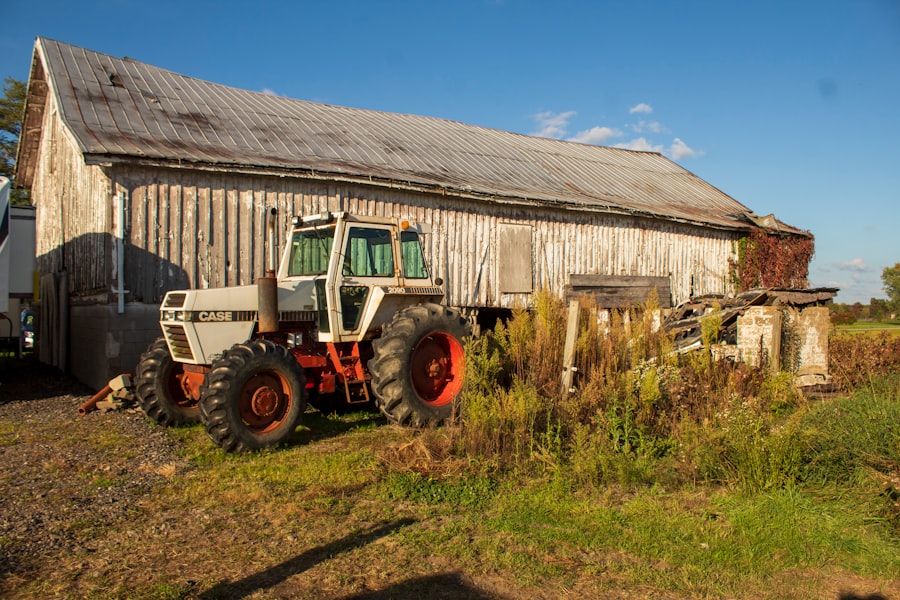
Restoring vintage agricultural machinery can be a rewarding endeavor that enhances both its value and functionality. The restoration process often involves cleaning, repairing, and sometimes repainting the machine to bring it back to its former glory. Many enthusiasts take pride in preserving the original features and aesthetics while ensuring that the machine operates efficiently.
This process can require a range of skills, from mechanical knowledge to painting techniques, making it an engaging project for those who enjoy hands-on work. Maintenance is equally important in preserving the longevity of vintage machinery. Regular upkeep can prevent deterioration and ensure that the machine remains operational for years to come.
This includes routine tasks such as oil changes, lubrication of moving parts, and checking for any signs of wear or damage. Creating a maintenance schedule based on usage can help owners stay on top of necessary tasks and avoid costly repairs down the line. Additionally, joining forums or communities focused on vintage machinery can provide valuable tips and resources for maintaining specific models.
The Growing Market for Vintage Agricultural Machinery
The market for vintage agricultural machinery has seen significant growth in recent years, driven by various factors including nostalgia, sustainability trends, and increased interest in heritage farming practices. As younger generations become more involved in agriculture—whether through family farms or urban gardening initiatives—there is a renewed appreciation for traditional farming methods and the equipment that supported them. This shift has led to an uptick in demand for vintage machinery among both collectors and practical users.
Moreover, social media platforms have played a crucial role in fostering this growing market by connecting enthusiasts from around the world. Online communities dedicated to vintage agricultural machinery allow individuals to share their experiences, showcase their collections, and exchange information about sourcing parts or restoration techniques. This sense of community not only enhances interest but also drives up demand as more people become aware of the beauty and functionality of these machines.
The Future of Vintage Agricultural Machinery as an Investment
Looking ahead, the future of vintage agricultural machinery as an investment appears promising. As awareness continues to grow regarding sustainable practices and the importance of preserving agricultural heritage, more individuals are likely to seek out these machines not just as collectibles but as functional tools that embody traditional farming values. The increasing popularity of agritourism—where farms open their doors to visitors—also presents opportunities for showcasing vintage equipment as part of an educational experience.
Furthermore, as modern farming technology evolves rapidly, there may be a counter-movement that values simplicity and reliability over complexity. Vintage agricultural machinery represents a return to basics—a time when farming was less about automation and more about skillful labor and connection to the land. This shift could further enhance the desirability of vintage machines among new generations of farmers who wish to honor traditional practices while embracing sustainable methods.
In conclusion, investing in vintage agricultural machinery offers not only financial potential but also an opportunity to connect with history and preserve agricultural heritage for future generations. As interest continues to grow in this niche market, those who appreciate the craftsmanship and stories behind these machines will find themselves part of a vibrant community dedicated to celebrating the past while looking toward a sustainable future.