
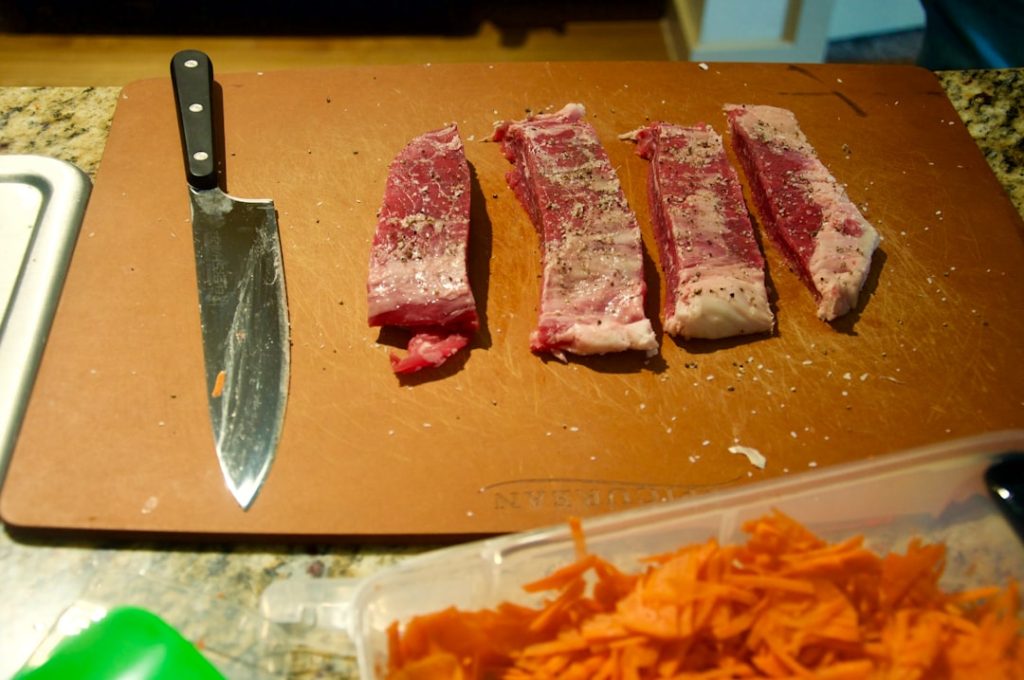
Commercial meat slicers are essential tools in the culinary world, particularly in restaurants, delis, and butcher shops. These machines are designed to slice various types of meat, cheese, and even vegetables with precision and efficiency. Unlike their home kitchen counterparts, commercial meat slicers are built to withstand heavy use and provide consistent results, making them indispensable for high-volume food preparation.
The evolution of these machines has led to a variety of models, each tailored to meet specific needs, from thinly sliced prosciutto to thick-cut roast beef. The history of meat slicers dates back to the late 19th century when the first manual slicers were introduced. These early models required significant physical effort and skill to operate.

However, as technology advanced, electric meat slicers emerged, revolutionizing the way food was prepared in commercial kitchens. Today’s commercial meat slicers are equipped with powerful motors, adjustable blade thickness settings, and safety features that enhance usability while ensuring consistent quality. Understanding the functionality and advantages of these machines is crucial for anyone looking to optimize their kitchen operations.
Key Takeaways
- Commercial meat slicers improve efficiency and consistency in food preparation.
- Key factors in choosing a slicer include blade size, motor power, and safety features.
- Proper safety practices are essential to prevent accidents during use.
- Regular maintenance and cleaning extend the slicer’s lifespan and ensure hygiene.
- Versatile slicers can be used creatively for meats, cheeses, vegetables, and more.
Benefits of Using a Commercial Meat Slicer in Your Kitchen

One of the primary benefits of using a commercial meat slicer is the efficiency it brings to food preparation. In a busy kitchen environment, time is of the essence. A commercial meat slicer can significantly reduce the time it takes to prepare meats and cheeses, allowing chefs to focus on other aspects of meal preparation.
For instance, slicing large quantities of deli meats for sandwiches or charcuterie boards can be accomplished in a fraction of the time it would take using a knife. This efficiency not only speeds up service but also enhances overall productivity in the kitchen. Moreover, the precision offered by commercial meat slicers ensures uniformity in slice thickness, which is crucial for presentation and cooking consistency.
For example, when preparing dishes that require even cooking, such as stir-fries or sandwiches, having uniformly sliced ingredients can make a significant difference in the final product. Additionally, many commercial meat slicers allow for adjustable thickness settings, enabling chefs to customize their slices according to specific recipes or customer preferences. This versatility makes them an invaluable asset in any culinary setting.
Factors to Consider When Choosing a Commercial Meat Slicer
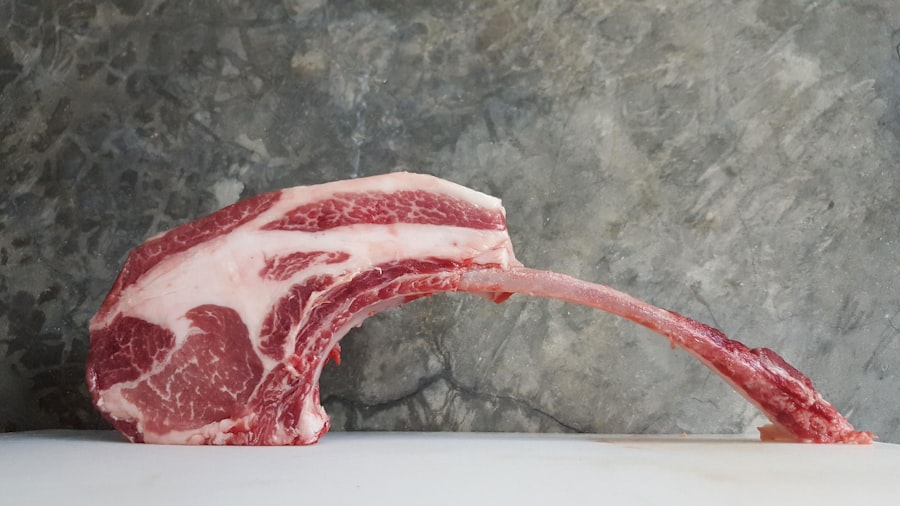
When selecting a commercial meat slicer, several factors must be taken into account to ensure that the chosen model meets the specific needs of your kitchen. One of the most critical considerations is the size and capacity of the slicer. Depending on the volume of food being prepared, a larger slicer may be necessary to accommodate bigger cuts of meat or higher quantities.
Additionally, the footprint of the machine should be considered; it should fit comfortably within your kitchen layout without obstructing workflow. Another important factor is the blade material and size. Most commercial meat slicers come equipped with stainless steel blades due to their durability and resistance to corrosion.
The diameter of the blade can also affect slicing capabilities; larger blades can handle thicker cuts more efficiently. Furthermore, ease of use is paramount; look for models with user-friendly controls and features such as automatic feed systems that can streamline the slicing process. Finally, consider the machine’s safety features, such as blade guards and emergency shut-off switches, which are essential for preventing accidents in a busy kitchen environment.
Safety Tips for Using a Commercial Meat Slicer
| Safety Tip | Description | Recommended Frequency | Risk Level if Ignored |
|---|---|---|---|
| Use Safety Guard | Always keep the blade guard in place to prevent accidental contact with the blade. | Every use | High |
| Wear Cut-Resistant Gloves | Wear gloves designed to resist cuts when handling or cleaning the slicer. | Every use | Medium |
| Turn Off and Unplug Before Cleaning | Ensure the slicer is powered off and unplugged before cleaning or maintenance. | Every cleaning | High |
| Keep Blade Sharp | Regularly sharpen the blade to ensure smooth slicing and reduce the risk of slips. | Weekly or as needed | Medium |
| Use Proper Technique | Push meat with the food pusher, never with hands, to avoid contact with the blade. | Every use | High |
| Inspect Equipment Regularly | Check for loose parts, damaged cords, or malfunctioning components before use. | Daily | Medium |
| Train Staff Properly | Ensure all users are trained on safe operation and emergency procedures. | Initial training and periodic refreshers | High |
| Keep Work Area Clean | Maintain a clean and dry workspace to prevent slips and contamination. | Daily | Medium |
Using a commercial meat slicer requires adherence to strict safety protocols to prevent accidents and injuries. First and foremost, operators should always wear appropriate personal protective equipment (PPE), including cut-resistant gloves and non-slip shoes. These precautions help minimize the risk of injury while handling sharp blades and heavy equipment.
Additionally, it is crucial to keep long hair tied back and avoid wearing loose clothing that could become entangled in the machine. Before operating the slicer, it is essential to familiarize oneself with its controls and safety features. Always ensure that the blade guard is in place before starting the machine and never attempt to slice food without it.
When feeding meat into the slicer, use the pusher or food holder provided; never use your hands to guide the food towards the blade. After use, always turn off the machine and unplug it before cleaning or performing maintenance tasks. By following these safety tips, operators can significantly reduce the risk of accidents while maximizing efficiency in their kitchen operations.
Maintenance and Cleaning of a Commercial Meat Slicer
Proper maintenance and cleaning are vital for ensuring the longevity and performance of a commercial meat slicer. Regular cleaning should be performed after each use to prevent cross-contamination and maintain hygiene standards. Begin by disassembling removable parts such as the blade guard and food tray.
These components should be washed with warm soapy water and rinsed thoroughly before being air-dried or wiped down with a clean cloth. In addition to routine cleaning, periodic maintenance checks are necessary to keep the slicer functioning optimally. This includes inspecting the blade for dullness or damage; a dull blade can lead to uneven slicing and increased strain on the motor.
If necessary, blades should be sharpened or replaced according to manufacturer guidelines. Furthermore, lubricating moving parts as recommended can help prevent wear and tear over time. Keeping a maintenance log can also be beneficial for tracking service intervals and ensuring that all necessary tasks are completed on schedule.
Creative Ways to Use a Commercial Meat Slicer in Your Kitchen
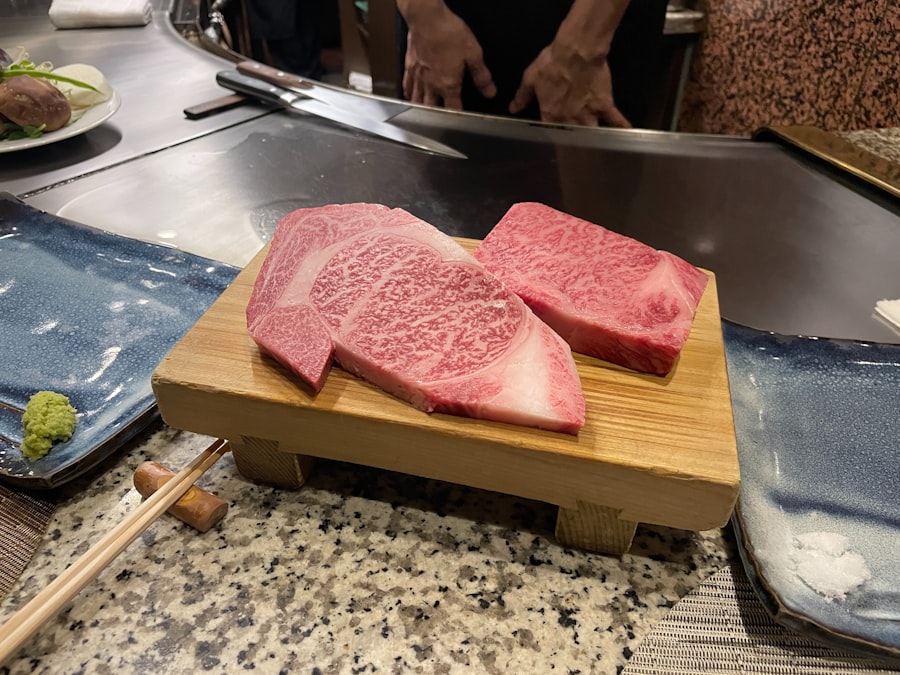
While commercial meat slicers are primarily designed for slicing meats, their versatility allows for a range of creative applications in the kitchen. One innovative use is slicing fruits and vegetables for salads or garnishes. For instance, using a meat slicer to create thin slices of cucumbers or radishes can add an elegant touch to dishes while saving time during prep work.
Similarly, cheeses can be sliced into uniform pieces for cheese platters or melted into dishes like lasagna with consistent thickness. Another creative application involves preparing homemade charcuterie boards or antipasto platters. A commercial meat slicer can effortlessly produce an array of cured meats, cheeses, and pickled vegetables that not only enhance flavor but also elevate presentation.
Additionally, using a slicer for bread can yield perfectly even slices for sandwiches or toast, ensuring that each piece has an ideal texture for toppings or spreads. The possibilities are limited only by one’s culinary imagination; experimenting with different ingredients can lead to exciting new dishes.
Comparison of Different Types of Commercial Meat Slicers
When exploring commercial meat slicers, it is essential to understand the differences between various types available on the market. The two primary categories are manual and automatic slicers. Manual slicers require operators to push food through the blade manually; they are often more affordable but may require more effort and skill to achieve consistent results.
On the other hand, automatic slicers feature powered feed systems that move food towards the blade automatically, making them ideal for high-volume operations where speed is crucial. Within these categories, there are also variations based on size and intended use. For example, light-duty slicers are suitable for small delis or catering businesses that do not require heavy usage; they typically have smaller blades and lower power ratings.
Medium-duty slicers offer more robust performance for restaurants with moderate slicing needs, while heavy-duty models are designed for high-volume environments such as butcher shops or large-scale food production facilities. Each type has its advantages and disadvantages depending on factors like budget constraints, space availability, and specific culinary requirements.
How a Commercial Meat Slicer Can Enhance Your Cooking Experience
Incorporating a commercial meat slicer into your kitchen can significantly enhance your cooking experience by streamlining food preparation processes and improving efficiency. The ability to achieve precise cuts consistently allows chefs to focus on creativity rather than labor-intensive tasks. Whether you are running a bustling restaurant or simply enjoy cooking at home, investing in a quality meat slicer can elevate your culinary endeavors.
Furthermore, understanding how to use and maintain a commercial meat slicer effectively ensures that you maximize its potential while prioritizing safety in your kitchen environment. With various models available tailored to different needs, selecting the right slicer can transform your approach to meal preparation, allowing you to explore new recipes and techniques with confidence. Ultimately, a commercial meat slicer is not just a tool; it is an investment in quality cooking that pays dividends in both time saved and culinary excellence achieved.