
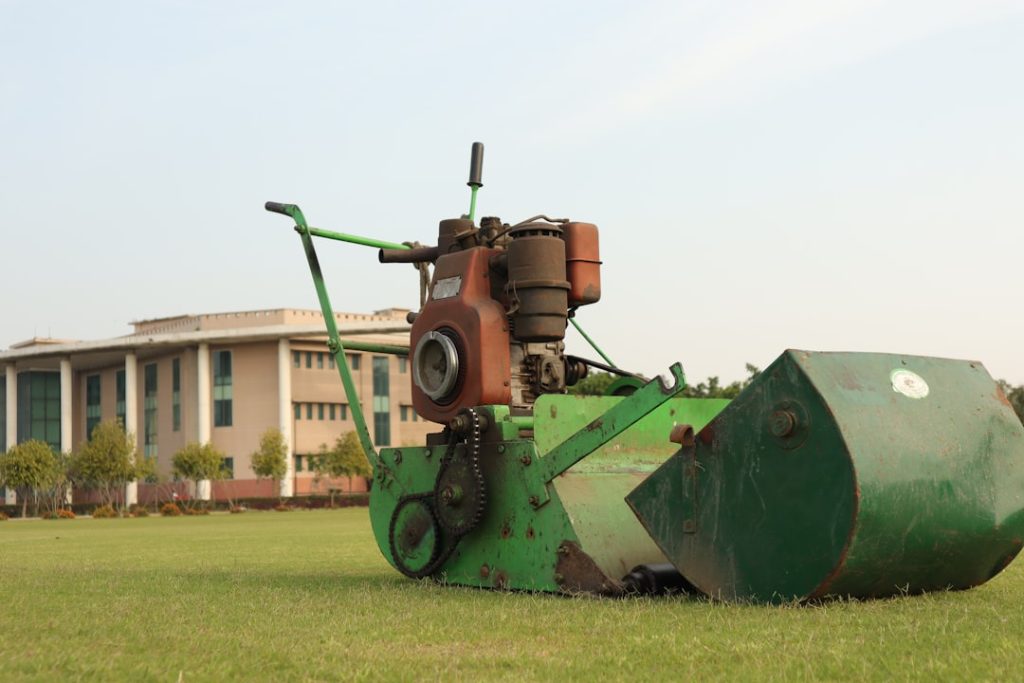
Utilizing a manure spreader in agricultural practices offers a multitude of advantages that can significantly enhance both productivity and sustainability on the farm. One of the primary benefits is the efficient application of manure as a fertilizer. Manure is rich in essential nutrients such as nitrogen, phosphorus, and potassium, which are vital for plant growth.
By using a manure spreader, farmers can evenly distribute these nutrients across their fields, ensuring that crops receive the necessary nourishment for optimal growth. This method not only saves time compared to manual spreading but also reduces the risk of over-application or under-application, which can lead to nutrient runoff and environmental issues. Moreover, manure spreaders contribute to soil health by promoting better microbial activity and improving soil structure.
When manure is applied correctly, it enhances the organic matter content of the soil, which is crucial for maintaining soil fertility. Healthy soil supports robust crop yields and can help mitigate issues such as erosion and compaction. Additionally, using a manure spreader can help farmers adhere to best management practices, which are increasingly important in today’s regulatory environment.
By managing manure application effectively, farmers can minimize their environmental footprint while maximizing the benefits of this natural resource.
Key Takeaways
- Manure spreaders enhance farming efficiency by evenly distributing nutrients and improving soil health.
- Choosing the right manure spreader depends on factors like farm size, type of manure, and budget.
- Proper maintenance is essential to extend the lifespan and performance of your manure spreader.
- Upgrading farming equipment, including manure spreaders, can lead to better productivity and cost savings.
- Using manure spreaders offers both environmental benefits, such as reduced waste, and economic advantages through improved crop yields.
Factors to Consider When Choosing a Manure Spreader
Selecting the right manure spreader involves careful consideration of several key factors that can impact its effectiveness and suitability for specific farming operations. One of the foremost considerations is the type of manure being handled. Different types of manure—such as liquid, semi-solid, or solid—require different spreading mechanisms.
For instance, liquid manure may necessitate a tank-style spreader equipped with a pump system, while solid manure might be best suited for a box spreader that can handle denser materials. Understanding the characteristics of the manure produced on the farm is essential for making an informed choice. Another critical factor is the size and capacity of the manure spreader.
Farmers must assess their operational scale and the acreage they need to cover when determining the appropriate size. A larger spreader may be more efficient for extensive operations, allowing for fewer trips to refill, while smaller farms might benefit from a compact model that is easier to maneuver in tight spaces. Additionally, the terrain of the land should be taken into account; some spreaders are designed for hilly or uneven ground, while others perform best on flat surfaces.
Evaluating these factors ensures that farmers select a manure spreader that aligns with their specific needs and enhances their overall efficiency.
Different Types of Manure Spreaders Available for Sale
The market offers a diverse range of manure spreaders, each designed to cater to different types of farming operations and manure management practices. One common type is the vertical beater spreader, which utilizes rotating beaters to break up and evenly distribute solid manure across fields. This type is particularly effective for handling thicker materials and can achieve a uniform application, which is crucial for maximizing nutrient uptake by crops.
Vertical beaters are often favored by dairy and livestock operations where solid manure is prevalent. Another popular option is the horizontal beater spreader, which operates similarly but uses a different mechanism to achieve distribution. This type is well-suited for both solid and semi-solid manures and is known for its ability to handle larger volumes efficiently.
Additionally, liquid manure spreaders are specifically designed for handling slurry or liquid waste, featuring specialized pumps and hoses that allow for precise application rates. These spreaders are essential for operations that produce significant amounts of liquid waste, such as pig or poultry farms. Each type of manure spreader has its unique advantages, making it crucial for farmers to assess their specific needs before making a purchase.
How to Properly Maintain and Care for Your Manure Spreader
| Maintenance Task | Frequency | Tools/Materials Needed | Notes |
|---|---|---|---|
| Clean Spreader After Use | After Every Use | Water hose, Scraper, Brush | Remove all manure and debris to prevent rust and corrosion. |
| Inspect Chains and Belts | Monthly | Wrench, Screwdriver, Lubricant | Check for wear and proper tension; lubricate as needed. |
| Grease Bearings and Moving Parts | Every 10 Hours of Operation | Grease gun, Appropriate grease | Ensures smooth operation and prevents premature wear. |
| Check Tire Pressure | Weekly | Tire pressure gauge, Air compressor | Maintain recommended pressure for safe and efficient use. |
| Inspect and Tighten Bolts | Monthly | Wrenches, Socket set | Prevents parts from loosening during operation. |
| Check Hydraulic System (if applicable) | Monthly | Hydraulic fluid, Inspection tools | Look for leaks and maintain fluid levels. |
| Store in Dry Location | When Not in Use | Cover or shelter | Protects from weather damage and rust. |
| Replace Worn Parts | As Needed | Replacement parts, Tools | Timely replacement ensures safety and efficiency. |
Proper maintenance of a manure spreader is vital to ensure its longevity and optimal performance. Regular inspections should be conducted to check for wear and tear on critical components such as the beaters, chains, and tires. Keeping these parts in good condition not only enhances efficiency but also prevents costly repairs down the line.
Farmers should also pay attention to lubrication points; ensuring that moving parts are adequately lubricated can reduce friction and prolong the life of the equipment. Cleaning the manure spreader after each use is another essential maintenance practice. Residual manure can lead to corrosion and rust if left unattended, particularly in areas where moisture can accumulate.
A thorough wash with water and appropriate cleaning agents can help remove any buildup and prevent deterioration. Additionally, storing the spreader in a sheltered area when not in use can protect it from harsh weather conditions that could cause damage over time. By implementing these maintenance practices, farmers can maximize their investment in a manure spreader and ensure it operates efficiently throughout its lifespan.
The Importance of Upgrading Your Farming Equipment
In an ever-evolving agricultural landscape, upgrading farming equipment—including manure spreaders—can significantly impact productivity and efficiency. Newer models often come equipped with advanced technology that enhances precision in nutrient application, allowing farmers to optimize their fertilizer use based on specific crop needs and soil conditions. For instance, some modern spreaders feature GPS technology that enables variable rate application, ensuring that nutrients are applied only where needed, thus minimizing waste and environmental impact.
Furthermore, upgrading equipment can lead to improved labor efficiency. Older models may require more manual labor or frequent repairs, diverting valuable time away from other essential farming tasks. Newer equipment typically incorporates user-friendly designs and automation features that streamline operations, allowing farmers to focus on strategic decision-making rather than equipment maintenance.
Investing in updated machinery not only boosts productivity but also positions farmers to adapt to changing agricultural practices and regulations more effectively.
Tips for Finding a Quality Manure Spreader for Sale
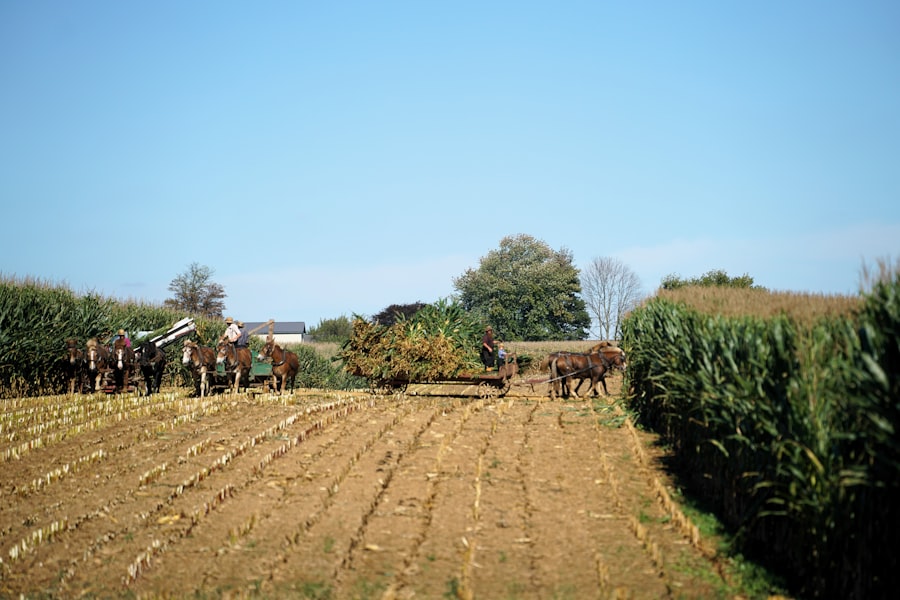
When searching for a quality manure spreader for sale, several strategies can help ensure that farmers make an informed purchase decision. First and foremost, conducting thorough research on various brands and models is essential. Reading reviews from other farmers who have used specific models can provide valuable insights into performance, durability, and ease of use.
Online forums and agricultural trade shows are excellent resources for gathering information about different options available in the market. Additionally, considering purchasing from reputable dealers who offer warranties or service agreements can provide peace of mind regarding the investment. A dealer with a strong reputation is more likely to offer quality products and reliable customer support should any issues arise post-purchase.
It’s also beneficial to compare prices across different sellers while keeping an eye out for seasonal sales or promotions that may offer significant savings. By taking these steps, farmers can find a manure spreader that meets their needs without compromising on quality.
How a Manure Spreader Can Improve Your Farming Efficiency
The integration of a manure spreader into farming operations can lead to substantial improvements in overall efficiency. One of the most significant ways this occurs is through time savings; manual spreading is labor-intensive and time-consuming, whereas a mechanical spreader allows for rapid application over large areas. This efficiency enables farmers to allocate their time more effectively across various tasks on the farm, from planting to harvesting.
Moreover, precision application facilitated by modern manure spreaders ensures that nutrients are delivered exactly where they are needed at optimal rates. This targeted approach not only enhances crop yields but also reduces input costs associated with fertilizers. By minimizing waste through accurate application techniques, farmers can achieve better economic outcomes while simultaneously promoting sustainable farming practices that protect soil health and reduce environmental impact.
The Environmental and Economic Benefits of Using a Manure Spreader
The environmental benefits of using a manure spreader extend beyond efficient nutrient application; they also play a crucial role in reducing pollution risks associated with improper manure management. When applied correctly using a spreader, manure can enhance soil health without contributing to runoff that contaminates waterways with excess nutrients—a significant concern in agricultural regions. This responsible management practice aligns with regulatory requirements aimed at protecting water quality and promoting sustainable agriculture.
Economically, utilizing a manure spreader can lead to cost savings over time by reducing reliance on synthetic fertilizers and improving crop yields through enhanced soil fertility. The initial investment in a quality manure spreader can be offset by these long-term savings as well as increased productivity on the farm. Furthermore, as consumers become more environmentally conscious, adopting sustainable practices such as effective manure management can enhance a farm’s marketability and appeal to eco-friendly consumers seeking responsibly produced food products.
Thus, the use of a manure spreader not only supports environmental stewardship but also contributes positively to the economic viability of farming operations.