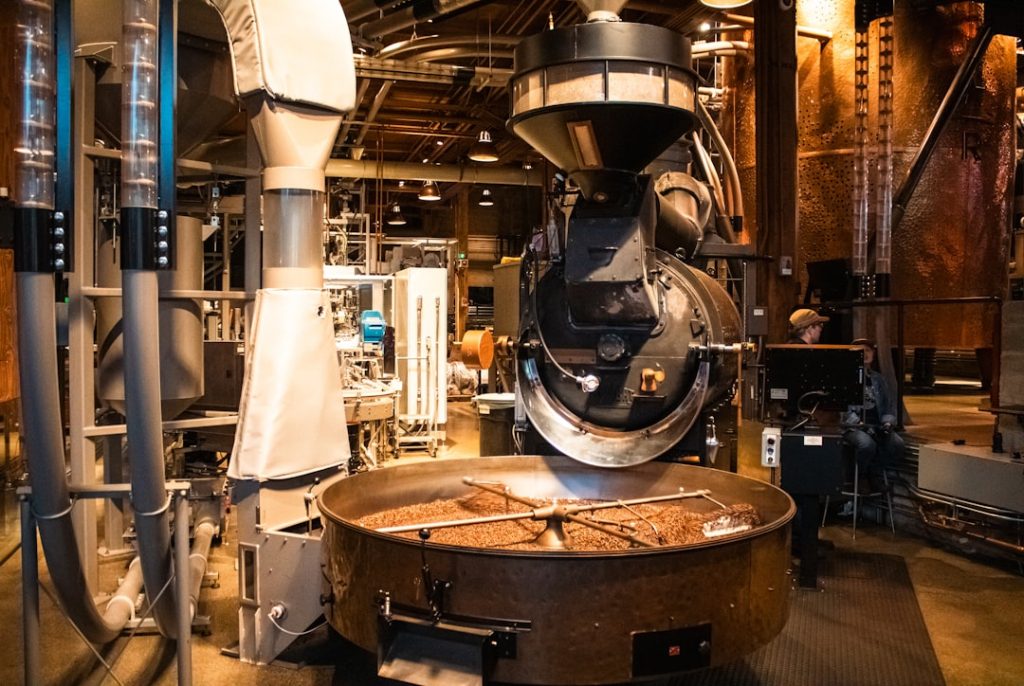
The advent of commercial roasting machines has revolutionized the coffee industry, providing businesses with the ability to produce high-quality roasted coffee beans on a larger scale. One of the primary benefits of investing in a commercial roasting machine is the control it offers over the roasting process. Unlike small home roasters, commercial machines allow for precise adjustments in temperature, time, and airflow, enabling roasters to develop specific flavor profiles that cater to their target market.
This level of control is crucial for maintaining consistency across batches, which is essential for building a loyal customer base that expects the same quality with every purchase. Moreover, commercial roasting machines are designed for efficiency and durability, capable of handling larger quantities of beans while minimizing energy consumption. This efficiency not only reduces operational costs but also increases output, allowing businesses to meet growing demand without compromising quality.

Additionally, many modern roasting machines come equipped with advanced technology, such as digital controls and data logging capabilities, which facilitate the monitoring and adjustment of roasting parameters in real-time. This technological integration enhances the overall roasting experience and empowers roasters to experiment with different profiles, ultimately leading to a more diverse product offering.
Key Takeaways
- Commercial roasting machines improve coffee quality, consistency, and production capacity.
- Selecting the right machine depends on your business size, roasting needs, and budget.
- Consistent roasting is crucial for maintaining flavor profiles and customer satisfaction.
- Proper training ensures efficient operation and maximizes machine productivity.
- Evaluating ROI helps determine the financial benefits of investing in a commercial roaster.
Choosing the Right Commercial Roasting Machine for Your Coffee Business
Selecting the appropriate commercial roasting machine is a critical decision that can significantly impact a coffee business’s success. The first step in this process involves assessing the specific needs of the business, including production volume, desired roast profiles, and available space. For instance, a small café aiming to serve freshly roasted coffee daily may require a different machine than a larger roastery focused on wholesale distribution.
Understanding these requirements will help narrow down options and ensure that the chosen machine aligns with the business’s goals. Another important factor to consider is the type of roasting machine—drum roasters versus hot air roasters. Drum roasters are known for their ability to produce rich, complex flavors due to their slower roasting process and even heat distribution.
In contrast, hot air roasters tend to be faster and can produce lighter, brighter flavors. Each type has its advantages and disadvantages, and the choice ultimately depends on the desired flavor profile and production speed. Additionally, potential buyers should evaluate the machine’s build quality, ease of use, maintenance requirements, and available support from manufacturers or distributors.
Investing time in research and consultation can lead to a more informed decision that supports long-term business growth.
The Importance of Consistency in Roasting with a Commercial Roasting Machine
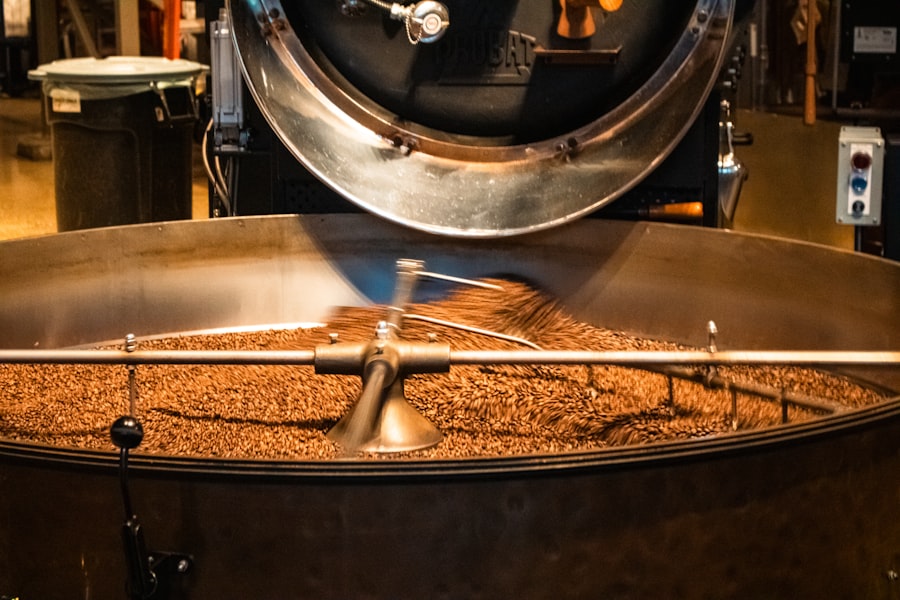
Consistency in coffee roasting is paramount for any business aiming to establish a reputable brand. Customers expect a certain flavor profile each time they purchase coffee, and any deviation can lead to dissatisfaction and loss of trust. A commercial roasting machine plays a vital role in achieving this consistency by allowing roasters to replicate successful batches with precision.
By utilizing programmable settings and data logging features, roasters can document their processes and make necessary adjustments based on previous outcomes. Moreover, consistency is not solely about flavor; it also encompasses factors such as aroma, color, and texture. A well-calibrated commercial roasting machine ensures that each batch meets these criteria, creating a uniform product that customers can rely on.
This reliability fosters brand loyalty and encourages repeat purchases. Additionally, consistent roasting practices can streamline operations within the business, as staff members can follow established protocols with confidence, reducing the likelihood of errors during production.
Maximizing Efficiency and Productivity with a Commercial Roasting Machine
| Metric | Description | Typical Value | Impact on Efficiency/Productivity |
|---|---|---|---|
| Batch Size | Amount of coffee beans roasted per batch (kg) | 5 – 30 kg | Larger batch sizes increase throughput but may affect roast consistency |
| Roast Time | Duration of roasting cycle (minutes) | 10 – 20 min | Shorter roast times improve productivity but require precise control to maintain quality |
| Energy Consumption | Energy used per batch (kWh) | 2 – 5 kWh | Lower energy consumption reduces operational costs and environmental impact |
| Cooling Time | Time to cool beans after roasting (minutes) | 3 – 5 min | Efficient cooling speeds up batch turnover and preserves bean quality |
| Automation Level | Degree of automated controls and monitoring | Manual to Fully Automated | Higher automation improves consistency and reduces labor requirements |
| Maintenance Interval | Recommended time between maintenance (hours of operation) | 100 – 500 hours | Regular maintenance prevents downtime and maintains machine efficiency |
| Yield Percentage | Ratio of roasted beans weight to raw beans weight (%) | 80% – 85% | Higher yield indicates efficient roasting with minimal loss |
| Operator Training Time | Time required to train operators (hours) | 8 – 24 hours | Well-trained operators optimize machine use and product quality |
Efficiency is a critical component of any successful coffee roasting operation. A commercial roasting machine is designed to optimize workflow and minimize downtime, which is essential for meeting customer demand and maximizing profitability. Features such as automated controls and batch timers allow roasters to focus on other aspects of their business while the machine handles the roasting process.
This automation not only saves time but also reduces labor costs associated with manual monitoring. Furthermore, many commercial roasting machines are equipped with features that enhance energy efficiency. For example, some models utilize advanced heat exchange systems that recycle energy during the roasting process, leading to lower utility bills.
Additionally, machines that offer quick cooling capabilities can significantly reduce the time between batches, allowing for a faster turnaround and increased production capacity. By investing in a machine that prioritizes efficiency, coffee businesses can scale their operations without sacrificing quality or incurring excessive costs.
Enhancing Quality and Flavor Profiles with a Commercial Roasting Machine
The quality of roasted coffee is heavily influenced by the roasting process itself. A commercial roasting machine provides roasters with the tools necessary to experiment with various parameters such as temperature profiles, roast duration, and airflow settings. This flexibility allows for the development of unique flavor profiles that can set a business apart from its competitors.
For instance, by adjusting the roast curve—how temperature changes over time—roasters can highlight specific tasting notes inherent in different coffee beans. Additionally, many commercial machines come equipped with features that facilitate cupping and tasting processes. Some models allow for small batch testing or sample roasting capabilities, enabling roasters to refine their recipes before committing to larger production runs.
This iterative approach not only enhances the overall quality of the final product but also encourages innovation within the business. As roasters gain experience and knowledge about their beans and equipment, they can create signature blends that resonate with their customers’ preferences.
Training and Education for Operating a Commercial Roasting Machine
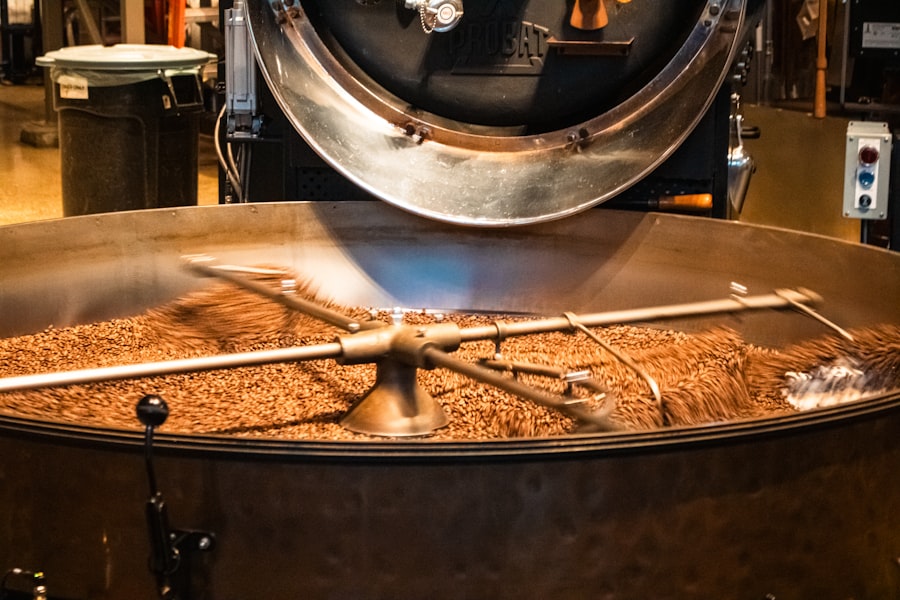
Operating a commercial roasting machine requires a certain level of expertise that goes beyond simply pressing buttons. Proper training is essential for ensuring that staff members understand how to operate the equipment safely and effectively. Many manufacturers offer training programs or resources that cover everything from basic operation to advanced techniques for optimizing roast profiles.
Investing in this education not only empowers employees but also contributes to the overall success of the business. Moreover, ongoing education is crucial in an industry that is constantly evolving. As new technologies emerge and consumer preferences shift, roasters must stay informed about best practices and trends in coffee roasting.
Workshops, seminars, and online courses can provide valuable insights into topics such as green coffee sourcing, flavor development, and sustainability practices. By fostering a culture of continuous learning within the organization, businesses can adapt to changes in the market while maintaining high standards of quality.
Integrating a Commercial Roasting Machine into Your Coffee Business Workflow
The integration of a commercial roasting machine into an existing coffee business workflow requires careful planning and consideration. It is essential to assess how the new equipment will fit into current operations without causing disruptions. For instance, businesses may need to reevaluate their supply chain logistics to ensure that green coffee beans are sourced efficiently and stored properly before roasting.
Additionally, collaboration between different departments—such as purchasing, production, and sales—is vital for seamless integration. Clear communication regarding production schedules and inventory levels can help prevent bottlenecks in operations. Furthermore, establishing standard operating procedures (SOPs) for using the roasting machine will ensure that all staff members are on the same page regarding best practices and safety protocols.
By taking these steps, businesses can create a cohesive workflow that maximizes productivity while minimizing potential challenges associated with introducing new equipment.
Calculating the Return on Investment for a Commercial Roasting Machine
When considering the purchase of a commercial roasting machine, calculating the return on investment (ROI) is crucial for making an informed decision. The initial cost of acquiring a high-quality machine can be significant; however, understanding how it will impact overall profitability is essential for justifying this expense. To calculate ROI accurately, businesses should consider factors such as increased production capacity, reduced labor costs due to automation, and potential revenue generated from selling freshly roasted coffee.
Additionally, it is important to factor in long-term savings associated with energy efficiency and reduced waste during the roasting process. By analyzing these variables over time—typically over a three to five-year period—businesses can gain insight into how quickly they can expect to recoup their investment. Furthermore, tracking sales growth attributed to improved product quality and customer satisfaction will provide valuable data for assessing the overall impact of the commercial roasting machine on business performance.
In conclusion, investing in a commercial roasting machine offers numerous benefits that can significantly enhance a coffee business’s operations and product offerings. From ensuring consistency in flavor profiles to maximizing efficiency and productivity, these machines are integral to achieving success in an increasingly competitive market. By carefully selecting the right equipment and prioritizing training and integration into existing workflows, businesses can position themselves for long-term growth while delivering exceptional coffee experiences to their customers.