
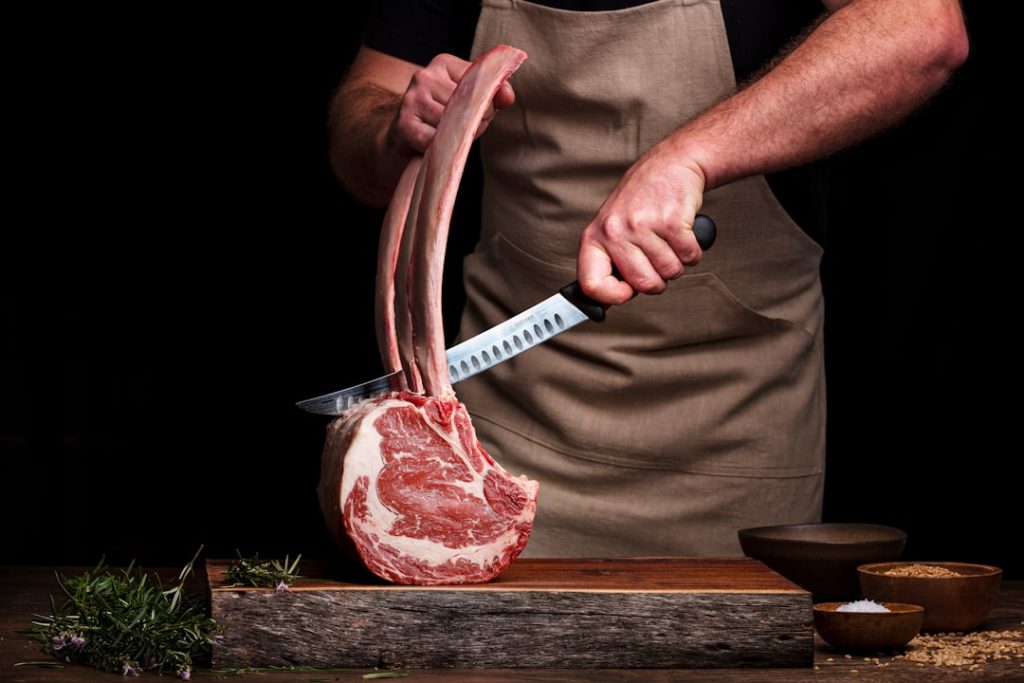
Meat cutting machines have revolutionized the way butchers and meat processing facilities operate, providing efficiency and precision that manual cutting simply cannot match. These machines are designed to handle various types of meat, from beef and pork to poultry and fish, allowing for consistent cuts that meet specific customer demands. The evolution of meat cutting technology has led to the development of machines that not only enhance productivity but also improve food safety standards by minimizing human contact with raw meat.
The history of meat cutting machines dates back to the early 20th century when the first mechanical saws were introduced. Over the decades, advancements in engineering and technology have led to the creation of sophisticated equipment that can perform multiple functions, such as slicing, dicing, and grinding. Today’s meat cutting machines are equipped with features like adjustable blade speeds, automatic feed systems, and safety mechanisms that ensure both efficiency and operator safety.

As the demand for high-quality meat products continues to rise, understanding the capabilities and advantages of these machines becomes essential for any commercial butchery.
Key Takeaways
- Meat cutting machines enhance efficiency and precision in commercial butcheries.
- Various types of machines cater to different cutting needs and volumes.
- Proper maintenance and cleaning are essential for machine longevity and hygiene.
- Training and safety protocols are crucial to prevent accidents during operation.
- Investing in a meat cutting machine can offer cost savings and improved productivity.
Benefits of Using a Meat Cutting Machine in a Commercial Butchery
The primary advantage of utilizing a meat cutting machine in a commercial butchery is the significant increase in efficiency it offers. Manual cutting can be time-consuming and labor-intensive, often leading to inconsistencies in portion sizes and cut quality. In contrast, a meat cutting machine can process large quantities of meat in a fraction of the time, allowing butchers to serve more customers and reduce wait times.
This efficiency not only enhances customer satisfaction but also maximizes the overall productivity of the butchery. Moreover, meat cutting machines contribute to improved safety and hygiene standards. By minimizing direct contact between workers and raw meat, these machines help reduce the risk of contamination.
Many modern machines are designed with easy-to-clean surfaces and components that can be disassembled for thorough sanitation. This is particularly important in an industry where food safety regulations are stringent, as maintaining high hygiene standards is crucial for preventing foodborne illnesses. Additionally, the precision of machine cuts reduces waste, ensuring that more of the meat is utilized effectively, which can lead to increased profitability.
Types of Meat Cutting Machines Available for Commercial Use
There is a diverse range of meat cutting machines available on the market, each designed to cater to specific needs within a commercial butchery. One of the most common types is the band saw, which utilizes a continuous loop blade to slice through large cuts of meat with ease. Band saws are particularly effective for cutting through bones and tough connective tissues, making them ideal for butchers who handle whole carcasses or large primal cuts.
Another popular option is the meat slicer, which is designed for precision slicing of cooked or cured meats. These machines come in various sizes and configurations, from countertop models suitable for small operations to larger industrial slicers capable of handling high volumes. Additionally, there are dicing machines that can cube meat into uniform pieces, which is especially useful for preparing products like stew meat or kebabs.
For those looking to grind meat, meat grinders are essential tools that allow butchers to create their own ground meat blends, ensuring freshness and quality control.
Factors to Consider When Choosing a Meat Cutting Machine for Your Butchery
| Factor | Description | Importance | Considerations |
|---|---|---|---|
| Cutting Capacity | The maximum volume or weight of meat the machine can process efficiently. | High | Match machine capacity with daily production needs to avoid bottlenecks. |
| Blade Type and Size | Type and dimensions of blades affect cutting precision and types of cuts possible. | Medium | Choose blades suitable for the types of meat and cuts required in your butchery. |
| Power Source | Whether the machine is electric, manual, or pneumatic. | Medium | Consider availability of power supply and energy efficiency. |
| Safety Features | Includes guards, emergency stops, and non-slip surfaces to protect operators. | High | Ensure compliance with safety regulations to prevent accidents. |
| Ease of Cleaning | Design features that facilitate quick and thorough cleaning to maintain hygiene. | High | Look for removable parts and corrosion-resistant materials. |
| Durability and Build Quality | Materials and construction quality that affect machine lifespan and maintenance. | High | Opt for stainless steel and robust components for long-term use. |
| Size and Footprint | Physical dimensions of the machine and space required for operation. | Medium | Ensure the machine fits comfortably in your workspace without hindering workflow. |
| Cost and Warranty | Initial investment and after-sales support including warranty terms. | Medium | Balance cost with features and check warranty coverage for peace of mind. |
| Brand Reputation and Reviews | Reliability and customer satisfaction based on brand history and user feedback. | Medium | Research brands with positive reviews and good service networks. |
When selecting a meat cutting machine for a commercial butchery, several factors must be taken into account to ensure that the investment meets operational needs effectively. One critical consideration is the volume of meat that will be processed daily. For high-volume operations, investing in a robust machine with higher throughput capabilities is essential.
Conversely, smaller butcheries may find that a more compact model suffices for their needs. Another important factor is the type of meat being processed. Different machines are optimized for specific tasks; for instance, a band saw may be necessary for cutting through bones, while a slicer would be more appropriate for deli meats.
Additionally, the ease of cleaning and maintenance should not be overlooked. Machines with removable parts and smooth surfaces facilitate thorough cleaning, which is vital for maintaining hygiene standards in a food processing environment. Finally, budget constraints will also play a significant role in decision-making; it’s crucial to balance cost with quality and functionality to ensure long-term satisfaction with the purchase.
How to Properly Maintain and Clean a Meat Cutting Machine
Proper maintenance and cleaning of meat cutting machines are essential practices that ensure longevity and optimal performance. Regular maintenance checks should include inspecting blades for sharpness and wear, as dull blades can lead to inefficient cutting and increased strain on the machine’s motor. It’s advisable to follow the manufacturer’s guidelines regarding blade replacement schedules and lubrication requirements to keep the machine running smoothly.
Cleaning procedures should be conducted after each use to prevent cross-contamination and ensure food safety. This involves disassembling removable parts such as blades and trays for thorough washing with hot soapy water or appropriate sanitizing solutions. It’s important to pay attention to hard-to-reach areas where meat residue may accumulate.
Some machines may also be compatible with commercial dishwashers for added convenience. After cleaning, all components should be dried completely before reassembling to prevent rust or corrosion.
Training and Safety Measures for Using a Meat Cutting Machine in a Butchery
Training staff on the proper use of meat cutting machines is crucial for ensuring both safety and efficiency in a commercial butchery setting. Employees should receive comprehensive training that covers not only how to operate the machine but also how to recognize potential hazards associated with its use. This includes understanding the importance of keeping hands clear of moving parts and using appropriate personal protective equipment (PPE), such as cut-resistant gloves and aprons.
In addition to operational training, implementing safety measures such as emergency stop buttons and safety guards can significantly reduce the risk of accidents. Regular safety drills should be conducted to ensure that all staff members are familiar with emergency procedures in case of an incident. Furthermore, maintaining an organized workspace free from clutter can help prevent accidents related to slips or falls while operating machinery.
Cost Analysis: Investing in a Meat Cutting Machine for Your Butchery
Investing in a meat cutting machine represents a significant financial commitment for any commercial butchery; however, it is essential to conduct a thorough cost analysis before making such an investment. The initial purchase price can vary widely based on the type and capabilities of the machine, ranging from several hundred dollars for basic models to several thousand for high-end industrial machines. It’s important to consider not only the upfront costs but also ongoing expenses such as maintenance, repairs, and energy consumption.
To evaluate the return on investment (ROI), butchers should consider factors such as increased productivity, reduced labor costs, and improved product quality that can lead to higher sales volumes. For example, if a machine allows a butcher to process twice as much meat in the same amount of time compared to manual methods, this increased output can translate into significant revenue growth over time. Additionally, enhanced consistency in product quality can lead to greater customer satisfaction and repeat business, further justifying the initial investment.
Testimonials from Butchery Owners Who Have Upgraded to a Meat Cutting Machine
Many butchery owners who have made the transition from manual cutting methods to using meat cutting machines report transformative experiences in their operations. For instance, one owner noted that after investing in a band saw, they were able to reduce their processing time by nearly 50%, allowing them to serve more customers during peak hours without compromising quality. This efficiency not only improved their bottom line but also enhanced their reputation within the community as a reliable source for fresh meats.
Another butcher shared their experience with a high-capacity slicer that enabled them to offer a wider variety of products while maintaining consistent quality across all cuts. They highlighted how this machine allowed them to experiment with new offerings like charcuterie boards and specialty deli meats that attracted new clientele. The owner emphasized that while the initial investment was substantial, the increase in sales and customer satisfaction made it one of the best decisions they had made for their business.
In conclusion, as commercial butcheries continue to evolve in response to consumer demands and industry standards, investing in advanced meat cutting machines has become increasingly essential. The benefits extend beyond mere efficiency; they encompass improved safety practices, enhanced product quality, and ultimately greater profitability. By understanding the various types of machines available, considering key factors during selection, maintaining equipment properly, training staff effectively, and analyzing costs thoroughly, butchers can position themselves for success in an ever-competitive market.