
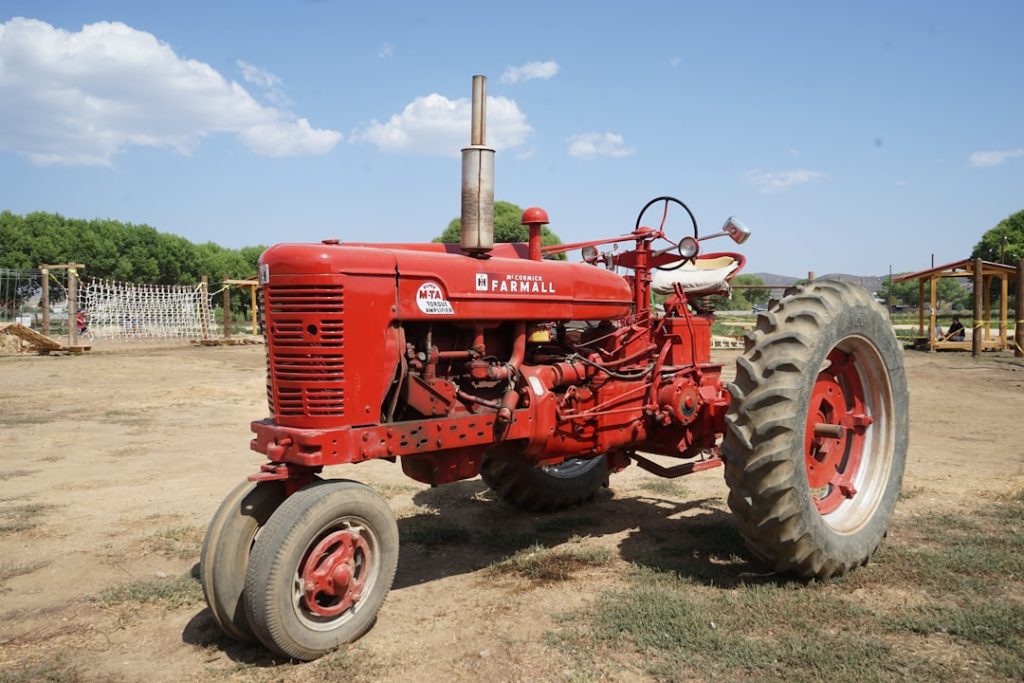
The tractor auction process is a unique and dynamic marketplace where buyers and sellers converge to exchange agricultural machinery. Unlike traditional retail environments, auctions create an atmosphere of competition, often leading to prices that can fluctuate significantly based on demand and the number of interested bidders. Typically, these auctions can be conducted in person or online, with each format offering distinct advantages.
In-person auctions allow for a tactile experience, where potential buyers can inspect the machinery firsthand, while online auctions provide convenience and accessibility, enabling participation from a broader geographic area. At a tractor auction, the auctioneer plays a pivotal role in facilitating the sale. They are responsible for presenting each item, providing details about its condition, and encouraging bids from the audience.

The auctioneer’s skill in engaging bidders can greatly influence the final sale price. Additionally, auctions may feature a variety of tractors, from vintage models to the latest technology in agricultural machinery. This diversity attracts a wide range of participants, from small-scale farmers looking for affordable equipment to large agricultural enterprises seeking high-end machinery.
Understanding this process is crucial for anyone looking to navigate the world of tractor auctions effectively.
Key Takeaways
- Learn the step-by-step process involved in tractor auctions to navigate them confidently.
- Prepare thoroughly by researching tractor models and inspecting equipment before bidding.
- Set a clear budget to avoid overspending and stick to it during the auction.
- Use effective bidding strategies to increase your chances of winning the desired tractor.
- Plan for post-auction logistics, including transportation and maintenance of your purchased tractor.

Tips for Preparing for a Tractor Auction
Preparation is key when it comes to participating in a tractor auction. One of the first steps is to familiarize yourself with the auction’s terms and conditions. Each auction house may have different rules regarding registration, bidding increments, and payment methods.
Understanding these details can prevent any surprises on auction day and ensure a smoother experience. Additionally, it is wise to register early, as some auctions may require pre-registration or offer early bidding options that can provide an advantage. Another essential aspect of preparation is to create a checklist of the specific types of tractors you are interested in.
This list should include not only the make and model but also any particular features or attachments that are important for your needs. By narrowing down your focus, you can avoid becoming overwhelmed by the variety of options available at the auction. Furthermore, consider setting up alerts or reminders for upcoming auctions that feature your desired tractors, ensuring you don’t miss out on potential opportunities.
How to Research Tractors Before the Auction
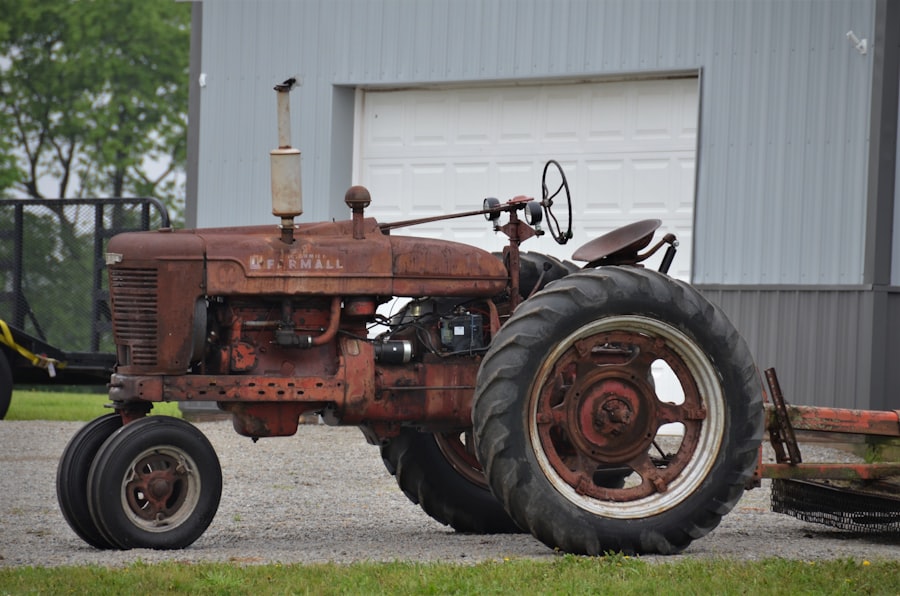
Researching tractors before attending an auction is vital for making informed decisions. Start by identifying reputable sources of information such as manufacturer websites, agricultural equipment forums, and online marketplaces. These platforms often provide specifications, user reviews, and pricing trends that can help you gauge the value of different models.
For instance, if you are interested in a John Deere tractor, visiting their official website can give you insights into the latest models, features, and even warranty options. In addition to online resources, consider reaching out to local farmers or agricultural experts who may have firsthand experience with specific tractors. Engaging in conversations with knowledgeable individuals can provide valuable insights that are not readily available online.
Furthermore, attending agricultural shows or expos can also be beneficial; these events often showcase various tractor models and allow for direct comparisons between them. By gathering comprehensive information about the tractors you are interested in, you will be better equipped to make strategic decisions during the auction.
What to Look for When Inspecting Tractors at an Auction
| Inspection Aspect | What to Look For | Why It Matters | Typical Metrics or Indicators |
|---|---|---|---|
| Engine Condition | Check for leaks, smoke color, unusual noises, and oil level | Engine health affects performance and longevity | Hours of operation, compression test results, oil pressure readings |
| Hydraulic System | Inspect hoses, cylinders, and fluid levels for leaks or damage | Hydraulics control implements and attachments | Hydraulic pressure, fluid cleanliness, response time |
| Tires and Wheels | Look for tread wear, cracks, and proper inflation | Good tires ensure traction and safety | Tread depth (mm), tire pressure (psi), sidewall condition |
| Transmission and Clutch | Test shifting smoothness and clutch engagement | Transmission affects tractor control and efficiency | Gear shift smoothness rating, clutch slip test results |
| Electrical System | Check battery condition, wiring, and lights | Electrical issues can cause operational failures | Battery voltage (V), wiring integrity, light functionality |
| Frame and Body | Inspect for cracks, rust, and structural damage | Structural integrity is critical for safety | Rust extent (%), crack presence (yes/no), frame alignment |
| Operational Controls | Test steering, brakes, and control levers | Controls must be responsive and reliable | Steering play (degrees), brake effectiveness (%), lever responsiveness |
| Attachments and Implements | Check condition and compatibility of included equipment | Attachments add value and functionality | Attachment wear level (%), compatibility notes |
| Maintenance Records | Review service history and repairs | Regular maintenance indicates better care | Last service date, frequency of maintenance, major repairs |
When inspecting tractors at an auction, there are several critical factors to consider that can significantly impact your purchasing decision. First and foremost, examine the overall condition of the tractor. Look for signs of wear and tear such as rust, leaks, or damage to critical components like the engine and transmission.
A thorough visual inspection can reveal potential issues that may not be immediately apparent but could lead to costly repairs down the line. Additionally, pay close attention to the maintenance history of the tractor if available. A well-documented service history can indicate that the previous owner took good care of the machine, which is often a positive sign regarding its reliability.
If possible, ask about any recent repairs or upgrades that have been made; this information can provide insight into how well the tractor has been maintained over time. Furthermore, if you have access to it during the inspection, take the time to start the engine and listen for any unusual noises that could indicate underlying mechanical problems.
Setting a Budget for a Tractor Auction
Establishing a budget before attending a tractor auction is crucial for ensuring that you do not overspend in the heat of bidding. Begin by determining how much you are willing to invest in a tractor based on your financial situation and needs. This budget should encompass not only the purchase price but also additional costs such as taxes, fees associated with the auction house, and potential transportation expenses.
To create a realistic budget, research recent sales of similar tractors to understand market values. This information will help you set a maximum bid limit that aligns with your financial capabilities while still allowing for competitive bidding. It is also wise to factor in potential repair or maintenance costs that may arise after purchasing the tractor.
By having a clear budget in mind, you can approach the auction with confidence and avoid making impulsive decisions that could lead to financial strain.
Strategies for Bidding at a Tractor Auction
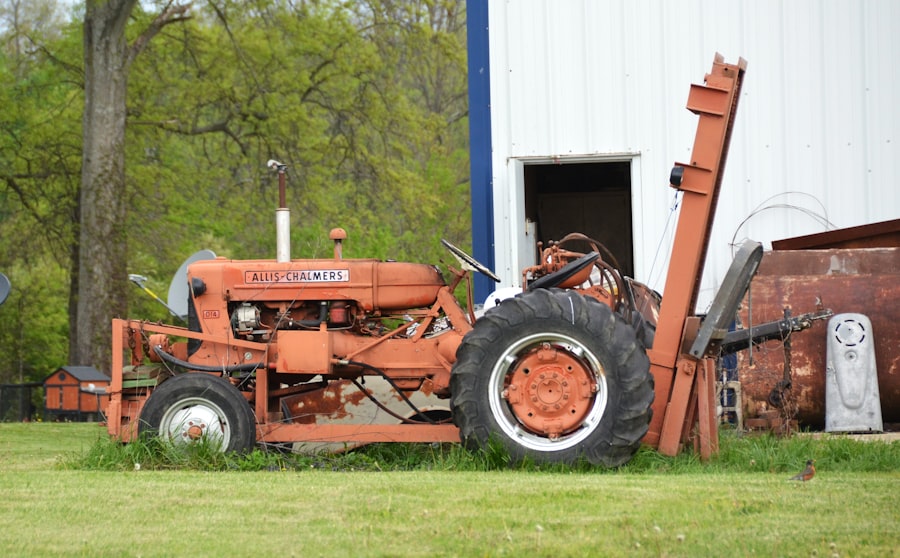
Bidding strategies play a significant role in determining whether you secure your desired tractor at an auction. One effective approach is to observe bidding patterns before entering the fray yourself. By watching how other bidders respond to initial bids, you can gauge their level of interest and adjust your strategy accordingly.
For instance, if you notice that bidders are hesitant or conservative in their offers, it may be an opportune moment to place your bid confidently. Another strategy involves setting incremental bidding limits rather than jumping straight to your maximum budget. This tactic allows you to remain competitive without revealing your upper limit too early in the process.
Additionally, consider using “proxy bidding” if available; this method allows you to set your maximum bid ahead of time without needing to be present during every moment of the auction. By employing these strategies thoughtfully, you can enhance your chances of winning your desired tractor while staying within your budget.
Post-Auction Considerations: Transporting and Maintaining Your Tractor
Once you’ve successfully purchased a tractor at an auction, several post-auction considerations come into play that are essential for ensuring a smooth transition from auction site to your property. First and foremost is transportation; depending on the size and weight of your tractor, you may need to arrange for specialized transport services or equipment trailers capable of safely moving it from one location to another. It’s advisable to research local transport companies experienced in handling agricultural machinery to ensure that your new purchase arrives safely.
After transportation, maintenance becomes paramount for preserving the longevity and functionality of your tractor. Begin by reviewing any maintenance records provided during the auction; this documentation can guide you on immediate servicing needs or upcoming maintenance schedules. Establishing a regular maintenance routine is crucial; this includes checking fluid levels, inspecting tires for wear, and ensuring that all mechanical components are functioning correctly.
By prioritizing maintenance from day one, you can maximize your investment and ensure that your tractor remains reliable for years to come.
Finding Upcoming Tractor Auctions in Your Area
Finding upcoming tractor auctions in your area requires a proactive approach and utilization of various resources available both online and offline. One effective method is to subscribe to newsletters or alerts from local agricultural organizations or auction houses that specialize in farm equipment sales. Many of these organizations maintain calendars of upcoming events and provide detailed information about what will be available at each auction.
Additionally, social media platforms can serve as valuable tools for discovering local auctions. Many auctioneers promote their events through Facebook pages or Instagram accounts where they share details about upcoming sales and featured items. Joining local farming groups or forums can also yield insights into upcoming auctions as members often share information about events they plan to attend or recommend based on their experiences.
By leveraging these resources effectively, you can stay informed about tractor auctions in your area and seize opportunities as they arise.