
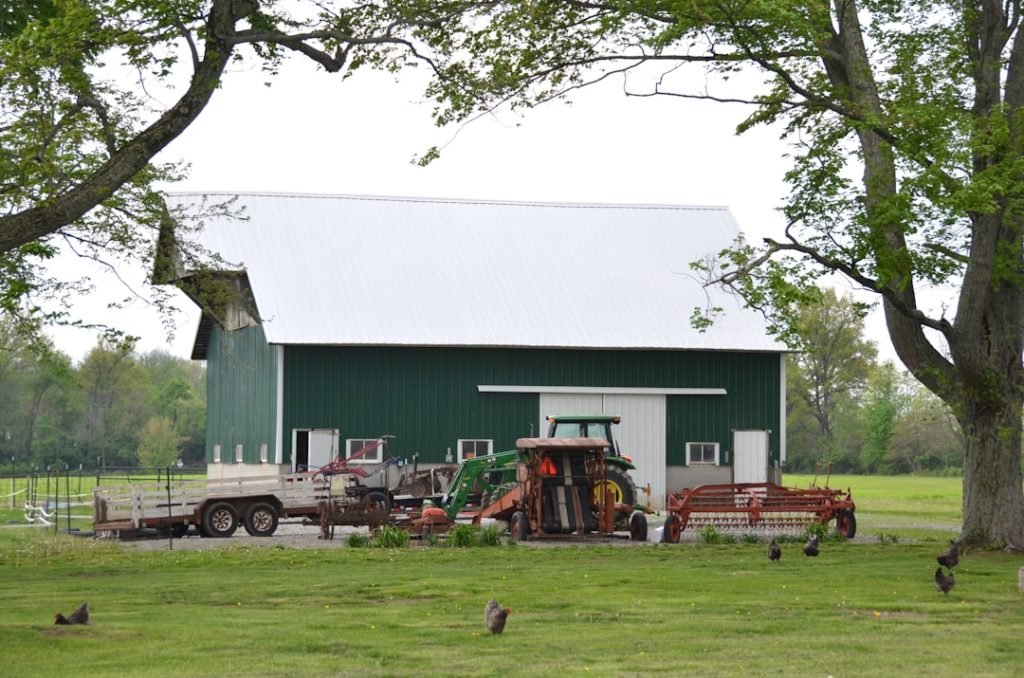
Attending farm machinery auctions offers a plethora of advantages for farmers, agricultural businesses, and even hobbyists looking to expand their equipment inventory. One of the most significant benefits is the potential for substantial cost savings. Auctions often feature a wide range of machinery, from tractors and combines to tillers and seeders, all available at competitive prices.
Unlike traditional retail outlets, where prices can be inflated due to overhead costs, auctions allow buyers to set their own price through competitive bidding. This dynamic can lead to acquiring high-quality equipment at a fraction of the retail cost, making it an attractive option for those on a budget or looking to maximize their investment. Moreover, farm machinery auctions provide access to a diverse selection of equipment that may not be readily available through conventional sales channels.
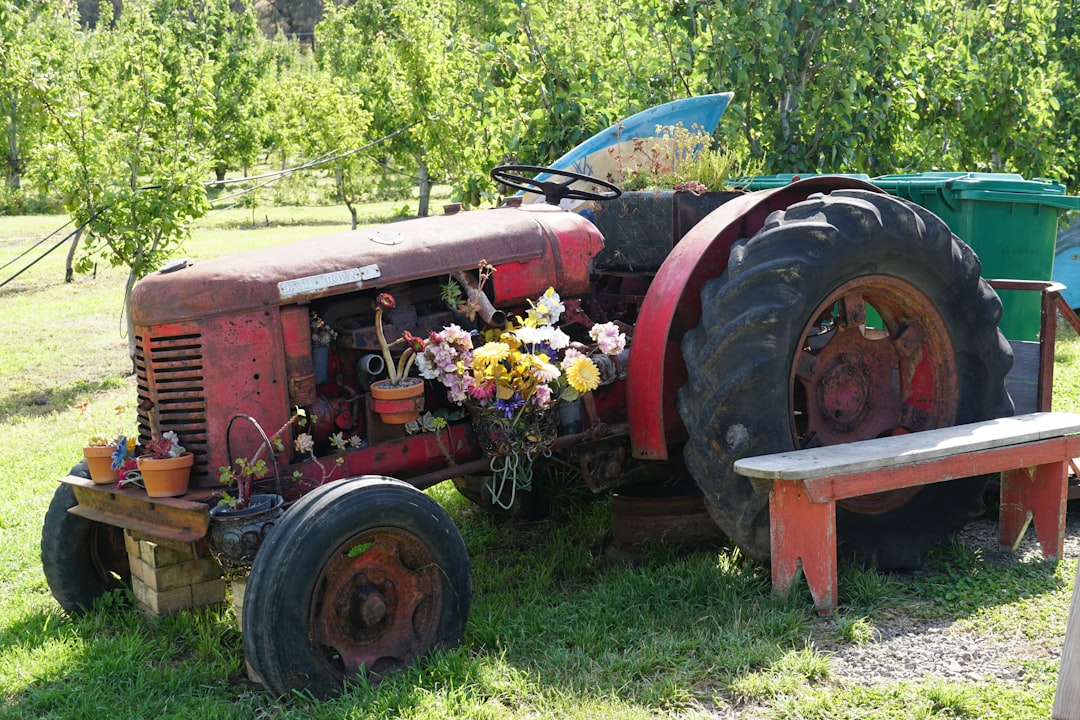
Buyers can find both new and used machinery, often in excellent condition, as well as rare or specialized equipment that may not be produced anymore. This variety allows farmers to tailor their purchases to their specific needs, whether they are looking for the latest technology or vintage models that have proven reliability over the years. Additionally, auctions can serve as a networking opportunity, connecting buyers with sellers and other industry professionals, fostering relationships that can lead to future collaborations or business opportunities.
Key Takeaways
- Farm machinery auctions offer cost savings and access to a wide range of equipment.
- Finding upcoming auctions involves checking online listings and local advertisements.
- Expect a competitive environment with various types of machinery available.
- Inspect equipment thoroughly and understand auction terms before bidding.
- Proper preparation can maximize value and ensure a successful purchase.
How to Find Upcoming Farm Machinery Auctions
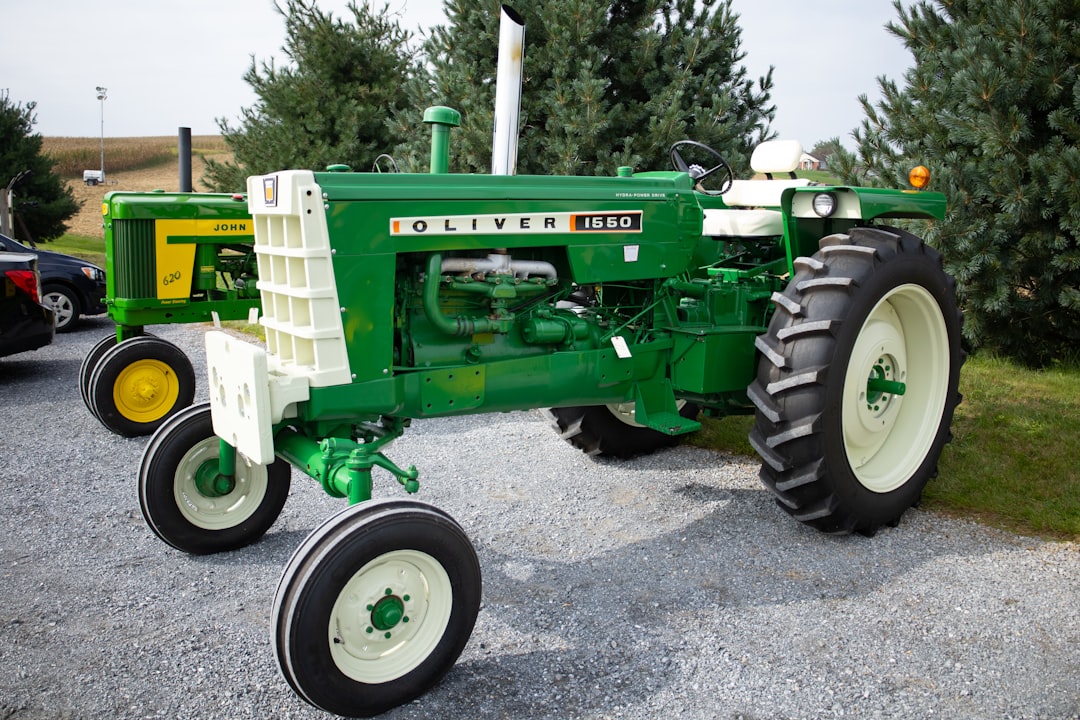
Finding upcoming farm machinery auctions requires a combination of online research and local outreach. One of the most effective ways to stay informed is by subscribing to auction house newsletters or following their social media channels. Many auctioneers maintain websites that list upcoming events, complete with details about the machinery available, auction dates, and registration information.
Websites like AuctionZip and BidSpotter aggregate listings from various auction houses, making it easier for potential buyers to find auctions in their area or those specializing in specific types of equipment. In addition to online resources, local agricultural extension offices and farming cooperatives can be invaluable sources of information. These organizations often have connections with auctioneers and can provide insights into upcoming events in the community.
Networking with fellow farmers and industry professionals can also yield leads on auctions that may not be widely advertised. Attending local agricultural fairs or trade shows can further enhance your knowledge of upcoming auctions while allowing you to meet auctioneers and other buyers face-to-face.
What to Expect at a Farm Machinery Auction
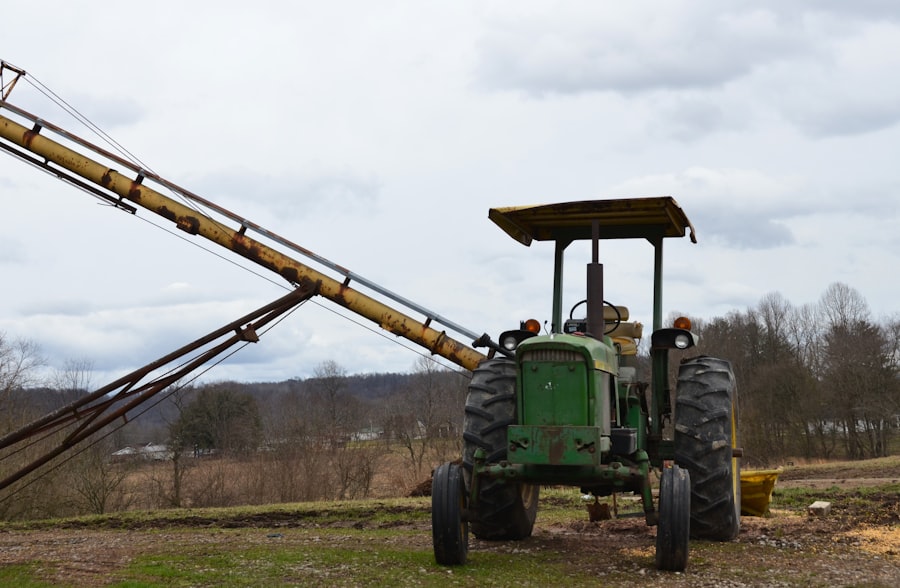
When attending a farm machinery auction, it is essential to understand the atmosphere and process involved. Auctions typically begin with registration, where bidders must sign in and receive a bidder number. This number is crucial as it identifies each bidder during the auction process.
Once registered, attendees can inspect the machinery on display before the bidding begins. This preview period is an excellent opportunity to assess the condition of the equipment and ask questions about its history and maintenance. As the auction commences, bidders will experience a lively environment filled with excitement and competition.
The auctioneer will present each item, often providing a brief description and highlighting its features before starting the bidding process. Bidders raise their numbers to indicate their bids, and the auctioneer will call out prices until no further bids are made. It is common for bidding wars to ensue, especially for highly sought-after items.
Understanding this dynamic is crucial for bidders; it’s essential to remain calm and strategic throughout the process, ensuring that emotions do not dictate bidding decisions.
Tips for Bidding and Buying at Farm Machinery Auctions
| Tip | Description | Metric/Consideration |
|---|---|---|
| Research Equipment | Investigate the make, model, and condition of machinery before bidding. | Average resale value, typical maintenance costs |
| Set a Budget | Determine your maximum bid to avoid overspending. | Maximum bid limit, estimated repair costs |
| Inspect Equipment | Physically check machinery for wear, damage, and functionality. | Hours of use, condition rating (1-10) |
| Understand Auction Fees | Be aware of buyer’s premiums and other additional costs. | Buyer’s premium percentage (typically 5-10%) |
| Attend Preview Days | Use preview days to get a closer look and ask questions. | Number of preview days, availability of equipment manuals |
| Know Market Prices | Compare auction prices with market values to identify bargains. | Average auction sale price vs. market price |
| Bid Strategically | Start with lower bids and increase cautiously to avoid bidding wars. | Bid increments, number of competing bidders |
| Check Payment Terms | Understand payment deadlines and accepted payment methods. | Payment deadline (hours/days), accepted payment types |
| Arrange Transport | Plan how to move purchased machinery from auction site. | Transport cost estimate, distance from auction site |
| Review Auction Rules | Familiarize yourself with auction terms and conditions. | Cancellation policy, liability clauses |
Successful bidding at farm machinery auctions requires preparation and strategy. One of the most critical tips is to establish a budget before attending the auction. Determine how much you are willing to spend on each piece of equipment and stick to that limit.
It’s easy to get caught up in the excitement of bidding, but having a clear financial plan helps prevent overspending and ensures that you make sound purchasing decisions. Another important strategy is to conduct thorough research on the machinery you are interested in before the auction day. Familiarize yourself with market prices for similar equipment by checking online listings or consulting industry publications.
This knowledge will empower you during the bidding process, allowing you to recognize fair prices and avoid overbidding on items that may not be worth the investment. Additionally, consider attending a few auctions as an observer before actively participating; this experience can provide valuable insights into bidding tactics and auctioneer styles.
The Importance of Inspecting Farm Machinery Before Bidding
Inspecting farm machinery before placing a bid is a critical step that cannot be overlooked. A thorough inspection allows potential buyers to assess the condition of the equipment firsthand, identifying any potential issues that could affect its performance or longevity. Look for signs of wear and tear, such as rust, leaks, or damaged components.
Pay attention to the overall maintenance history of the machinery; asking questions about previous repairs or servicing can provide insight into how well the equipment has been cared for. In addition to physical inspection, it’s wise to verify any documentation associated with the machinery. This includes maintenance records, warranties, and ownership history.
Understanding these factors can help gauge whether the equipment is a worthwhile investment or if it may require significant repairs shortly after purchase. If possible, bring along a knowledgeable mechanic or technician who can provide expert advice during your inspection; their expertise can be invaluable in identifying potential red flags that an untrained eye might miss.
Understanding the Terms and Conditions of Farm Machinery Auctions
Before participating in a farm machinery auction, it is crucial to familiarize yourself with the terms and conditions set forth by the auctioneer. Each auction may have different rules regarding registration, bidding procedures, payment methods, and buyer’s premiums—additional fees charged on top of the final bid price. Understanding these terms helps prevent any surprises during or after the auction process.
Additionally, pay attention to any specific conditions related to the machinery being sold. Some auctions may sell items “as-is,” meaning that buyers assume all responsibility for any defects or issues once the sale is complete. Others may offer limited warranties or guarantees on certain items.
Knowing these details allows bidders to make informed decisions about their purchases and understand their rights and responsibilities as buyers.
How to Prepare for a Farm Machinery Auction
Preparation is key when it comes to attending a farm machinery auction successfully. Start by creating a checklist of items you are interested in purchasing based on your needs and budget. Research each piece of equipment thoroughly, noting its specifications, market value, and any potential concerns you may have regarding its condition or functionality.
In addition to researching specific machinery, consider logistical aspects such as transportation and payment methods. Ensure you have a reliable means of transporting any purchased equipment back to your farm or business location. Some auctions may offer delivery services for an additional fee; inquire about these options ahead of time if needed.
Furthermore, familiarize yourself with accepted payment methods—some auctions may require cash or certified checks only—so you are prepared when it comes time to finalize your purchase.
The Potential Savings and Value of Purchasing Machinery at Auction
Purchasing farm machinery at auction can yield significant savings compared to traditional retail purchases. Many buyers find that they can acquire high-quality equipment at prices well below market value due to competitive bidding dynamics. For instance, a well-maintained tractor that retails for $30,000 might sell for $20,000 at auction if there are fewer bidders interested in that specific model at that time.
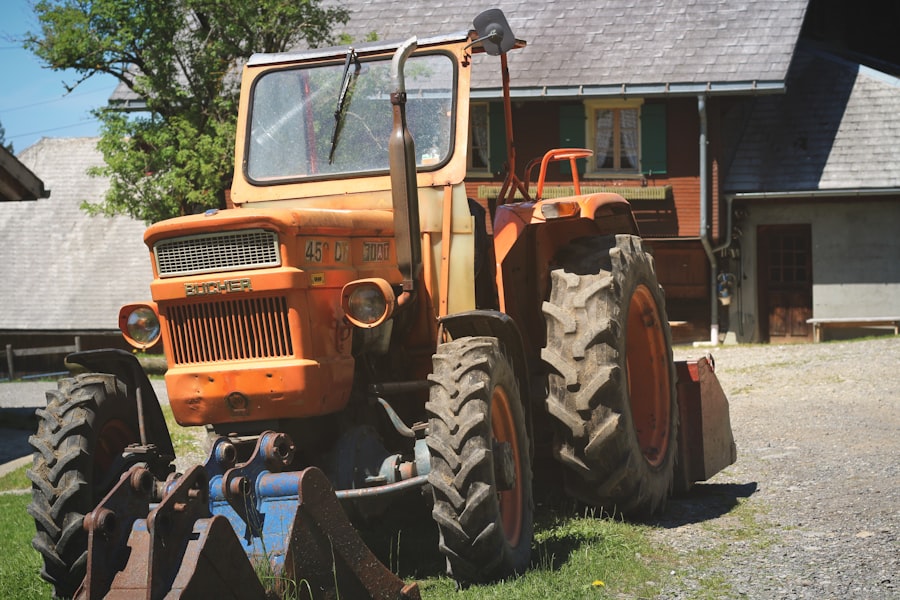
Beyond immediate savings, buying at auction can also provide long-term value through access to unique or vintage equipment that may not be available elsewhere. For example, farmers seeking classic tractors for restoration projects often find hidden gems at auctions—machines that not only serve practical purposes but also hold sentimental value within agricultural communities. This blend of affordability and uniqueness makes farm machinery auctions an appealing option for those looking to invest wisely in their agricultural operations while also preserving a piece of farming history.