
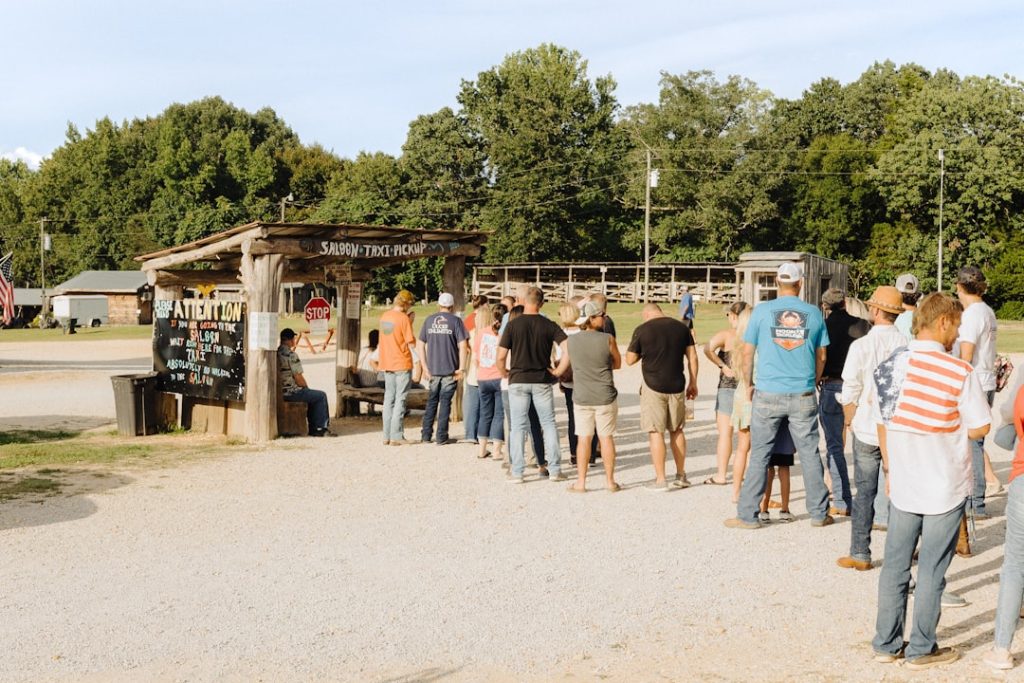
Farm equipment auctions present a unique opportunity for farmers, agricultural businesses, and enthusiasts to acquire machinery at competitive prices. One of the primary benefits of attending these auctions is the potential for significant cost savings. Unlike traditional retail outlets where prices are often marked up due to overhead costs, auctions allow buyers to bid on equipment directly, often resulting in lower final sale prices.
This is particularly advantageous for small-scale farmers or those just starting out, as they can obtain essential machinery without the financial burden typically associated with new purchases. Moreover, farm equipment auctions offer a diverse selection of machinery and tools that may not be readily available in local markets. From tractors and combines to tillers and seeders, the variety can cater to different farming needs and preferences.
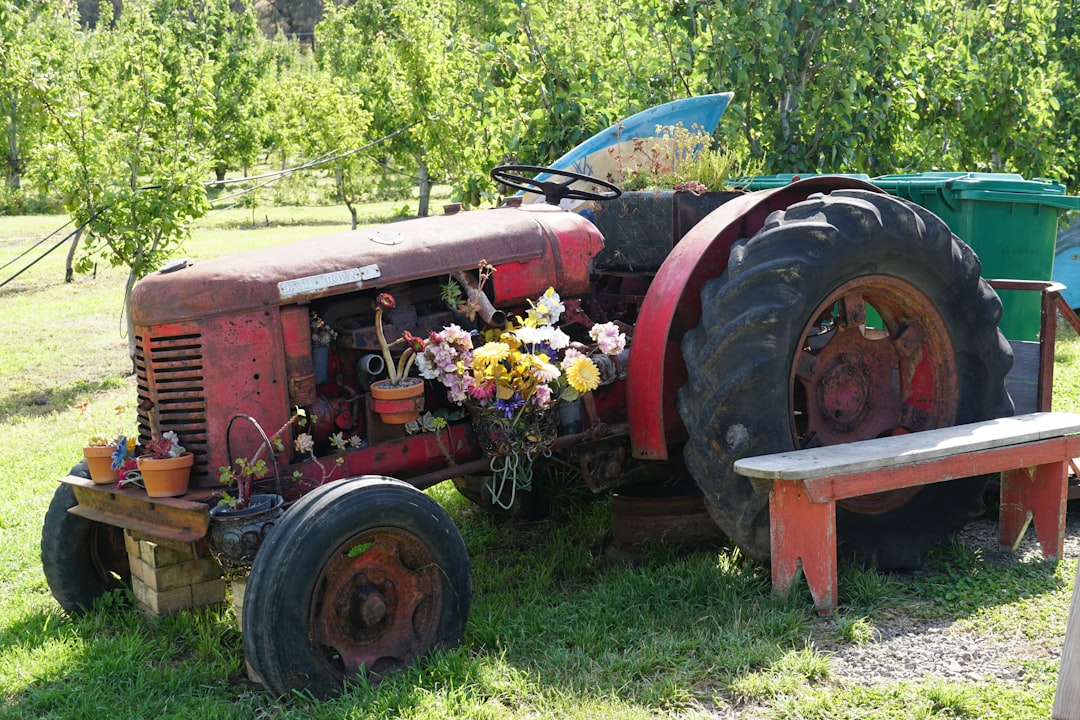
This diversity is not only beneficial for buyers looking for specific equipment but also for those who may want to explore various options before making a decision. Additionally, auctions often feature equipment that has been well-maintained or lightly used, providing buyers with quality options that can enhance their farming operations.
Key Takeaways
- Farm equipment auctions offer cost savings and access to a wide variety of machinery.
- Local auction listings and online platforms are key resources for finding upcoming auctions.
- Bidders should be prepared for competitive environments and understand auction procedures.
- Inspecting equipment thoroughly before bidding helps avoid costly mistakes.
- Staying informed about auction terms and post-auction processes ensures a smooth purchase experience.
How to Find Upcoming Farm Equipment Auctions Near You
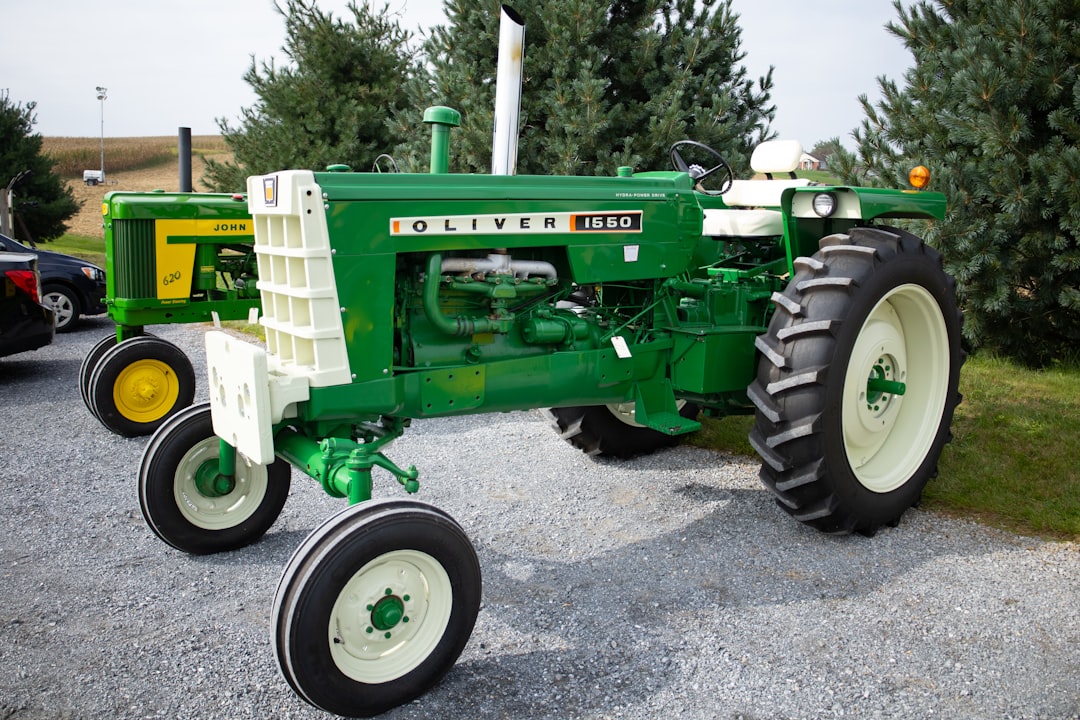
Finding upcoming farm equipment auctions can be a straightforward process if you know where to look. One of the most effective methods is to utilize online auction platforms that specialize in agricultural equipment. Websites such as AuctionZip, BidSpotter, and Proxibid list various auctions across the country, allowing users to filter by location, date, and type of equipment.
These platforms often provide detailed descriptions and photographs of the items available, making it easier for potential buyers to assess what might meet their needs. In addition to online resources, local agricultural extension offices and farming cooperatives can be invaluable sources of information regarding upcoming auctions. These organizations often have connections within the farming community and can provide insights into local events.
Networking with fellow farmers and attending agricultural fairs or trade shows can also yield information about upcoming auctions. Many farmers share their experiences and knowledge about where to find the best deals, creating a community of informed buyers who can help each other navigate the auction landscape.
What to Expect at a Farm Equipment Auction
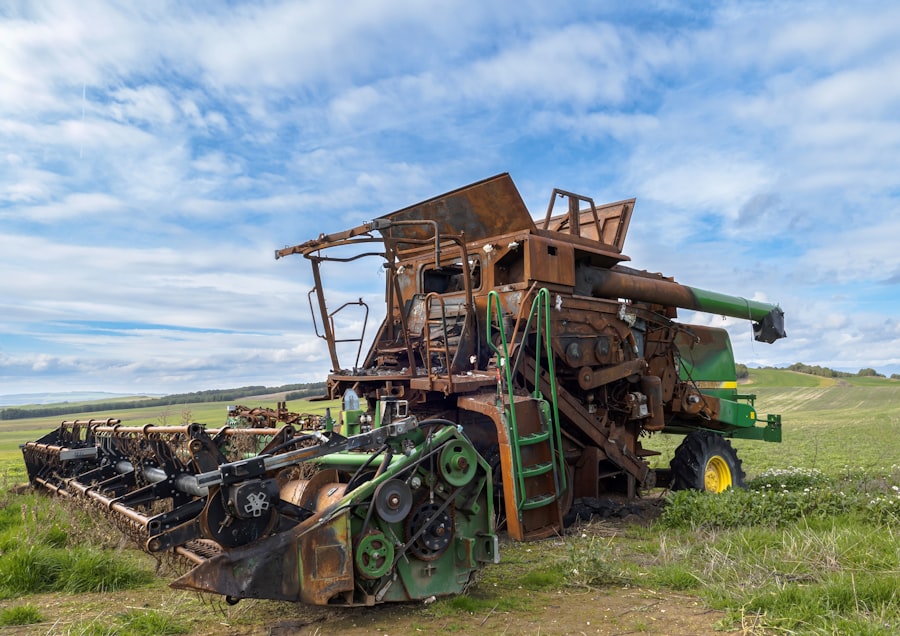
Attending a farm equipment auction can be an exciting experience filled with anticipation and opportunity. Upon arrival, participants will typically find a bustling atmosphere with a mix of seasoned bidders and newcomers alike. The auction site is often filled with rows of equipment, each item clearly marked with its bidding number and details about its condition and specifications.
It’s common for auctioneers to provide a preview period before the bidding begins, allowing attendees to inspect the equipment closely and ask questions about its history and functionality. As the auction commences, bidders will experience the fast-paced nature of the event. Auctioneers are skilled at creating an engaging environment, often using their expertise to encourage competitive bidding.
Participants should be prepared for a lively atmosphere where bids can escalate quickly. It’s essential to stay focused during this time, as distractions can lead to missed opportunities or overbidding. Understanding the auctioneer’s cadence and being aware of your budget will help maintain clarity throughout the process.
Tips for Successfully Bidding at Farm Equipment Auctions
| Tip | Description | Metric/Consideration |
|---|---|---|
| Research Equipment | Know the make, model, and condition of the equipment before bidding. | Average resale value, typical maintenance costs |
| Set a Budget | Determine your maximum bid to avoid overspending. | Maximum bid limit, estimated repair costs |
| Inspect Equipment | Physically check equipment for wear, damage, and functionality. | Hours of operation, condition rating (1-10) |
| Attend Preview Days | Visit the auction site before the event to inspect items. | Number of items previewed, time spent inspecting |
| Understand Auction Terms | Know payment methods, fees, and pickup deadlines. | Buyer’s premium percentage, payment deadlines |
| Register Early | Complete registration to avoid missing out on bidding. | Registration time before auction, required documents |
| Bid Strategically | Start low and increase bids carefully to avoid overpaying. | Bid increments, number of competing bidders |
| Consider Transportation | Plan how to move purchased equipment from auction site. | Distance to farm, transport cost estimates |
| Review Auction History | Analyze past auction results for pricing trends. | Average sale price, number of similar items sold |
| Stay Calm and Patient | Don’t rush; wait for the right opportunity to bid. | Average auction duration, number of bidding rounds |
Successful bidding at farm equipment auctions requires a combination of strategy, preparation, and self-discipline. Before attending an auction, it’s crucial to establish a clear budget that outlines how much you are willing to spend on each piece of equipment. This budget should account for additional costs such as buyer’s premiums, taxes, and transportation fees.
Sticking to this budget is vital; emotional bidding can lead to overspending and regret after the auction concludes. Another effective strategy is to conduct thorough research on the items you are interested in prior to the auction day. Familiarize yourself with current market values for similar equipment by checking online listings or consulting industry publications.
This knowledge will empower you during bidding, allowing you to make informed decisions rather than relying solely on impulse. Additionally, consider attending a few auctions as an observer before actively participating; this will help you understand the bidding process and develop your own bidding style.
The Importance of Inspecting Equipment Before Bidding
One of the most critical aspects of participating in farm equipment auctions is the inspection process. Before placing any bids, potential buyers should take advantage of the opportunity to thoroughly examine each piece of equipment they are interested in. This inspection should include checking for signs of wear and tear, assessing the overall condition of the machinery, and verifying that all components are functioning correctly.
A detailed inspection can reveal hidden issues that may not be immediately apparent from a distance. In addition to physical inspection, it’s also wise to inquire about the equipment’s maintenance history and any previous repairs. Understanding how well the machinery has been cared for can provide insights into its longevity and reliability.
If possible, speak with the seller or auctioneer about any known issues or concerns regarding the equipment. This information can be invaluable in making an informed decision about whether to bid and how much to offer.
Understanding the Terms and Conditions of Farm Equipment Auctions
Before participating in any farm equipment auction, it is essential to familiarize yourself with the terms and conditions set forth by the auction house. Each auction may have different rules regarding registration, bidding procedures, payment methods, and item pickup. Understanding these terms will help prevent misunderstandings or disputes during or after the auction process.
For instance, some auctions may require pre-registration or a deposit before allowing bidders to participate. Additionally, it’s important to be aware of any buyer’s premiums that may apply. A buyer’s premium is an additional fee added to the final bid price, typically expressed as a percentage of the winning bid.
This fee can vary significantly between auctions and should be factored into your overall budget when determining how much you are willing to bid on an item. Being well-informed about these terms will ensure a smoother bidding experience and help you avoid unexpected costs.
What to Do After Winning a Bid at a Farm Equipment Auction
Winning a bid at a farm equipment auction is an exhilarating moment, but it also comes with responsibilities that must be addressed promptly. Once you have successfully bid on an item, it’s crucial to follow through with payment as outlined in the auction’s terms and conditions. Most auctions require immediate payment or payment within a specified timeframe after the auction concludes.
Failing to adhere to these requirements could result in losing your winning bid or facing penalties. After securing your purchase, you will need to arrange for transportation of the equipment from the auction site to your location. Depending on the size and type of machinery acquired, this may involve hiring a professional transport service or utilizing your own vehicles if feasible.
It’s advisable to inspect the equipment once more before leaving the auction site to ensure it matches your expectations based on your earlier inspection. Documenting any discrepancies or issues at this stage can be helpful if disputes arise later.
The Future of Farm Equipment Auctions: Trends and Innovations
The landscape of farm equipment auctions is evolving rapidly due to advancements in technology and changing market dynamics. One notable trend is the increasing integration of online bidding platforms alongside traditional in-person auctions. This hybrid model allows bidders from around the world to participate in auctions without geographical limitations, expanding access to a broader range of buyers and sellers.
As internet connectivity improves in rural areas, more farmers are likely to embrace online platforms for convenience and efficiency. Additionally, innovations such as virtual reality (VR) technology are beginning to make their way into the auction process. Some auction houses are experimenting with VR tools that allow potential buyers to virtually inspect equipment from their homes before placing bids.
This technology not only enhances buyer confidence but also streamlines the inspection process by providing detailed visualizations of machinery without requiring physical presence at the auction site. As sustainability becomes increasingly important in agriculture, there is also a growing trend toward selling eco-friendly or energy-efficient equipment at auctions. Buyers are becoming more conscious of their environmental impact and are seeking out machinery that aligns with sustainable practices.
Auction houses may respond by curating selections that highlight such equipment, catering to this emerging demand while promoting responsible farming practices. In conclusion, farm equipment auctions offer numerous benefits for buyers looking for quality machinery at competitive prices while navigating an evolving landscape shaped by technology and sustainability trends. By understanding how to find auctions, what to expect during them, and how to bid effectively while adhering to terms and conditions, participants can maximize their chances of success in acquiring valuable farming tools that enhance their operations.