
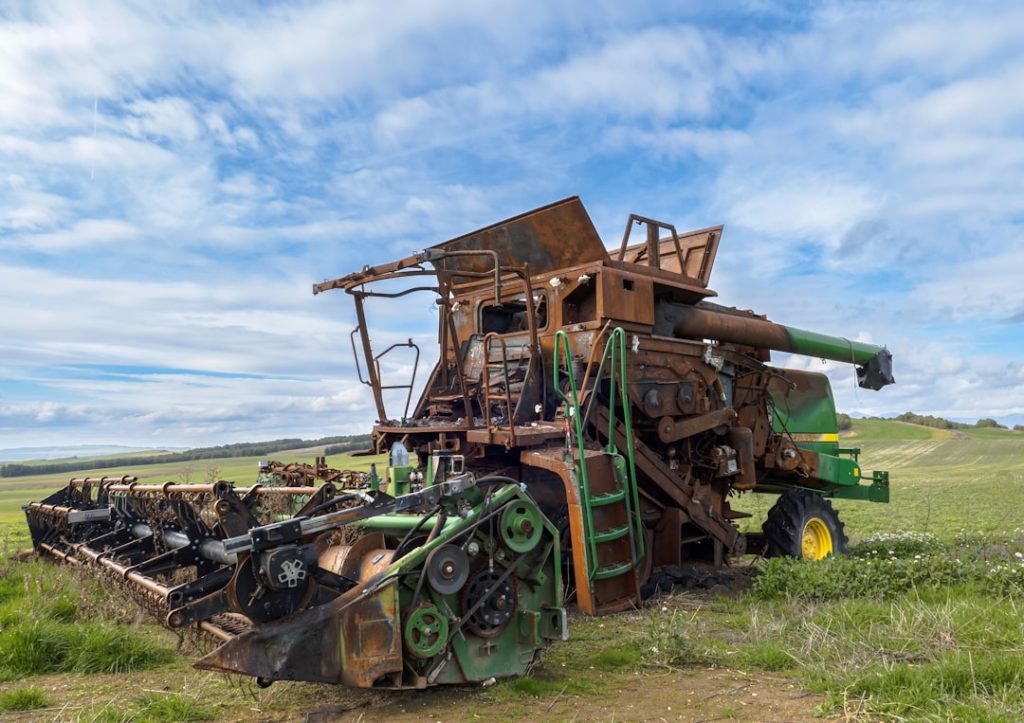
The evolution of agricultural practices has been profoundly influenced by the development of farm equipment, which has undergone significant transformations over the centuries. The history of antique farm equipment can be traced back to ancient civilizations, where rudimentary tools such as wooden plows and sickles were utilized to cultivate land and harvest crops. These early implements were often crafted from locally available materials, reflecting the ingenuity of farmers who relied on their skills and knowledge of the land.
As societies progressed, so too did the complexity and efficiency of farming tools, leading to innovations that would shape the agricultural landscape. The Industrial Revolution marked a pivotal moment in the history of farm equipment, as mechanization began to take hold. The introduction of steam-powered machinery in the 19th century revolutionized farming practices, allowing for greater productivity and efficiency.

Notable inventions such as the mechanical reaper, developed by Cyrus McCormick in 1831, and the tractor, which emerged in the early 20th century, transformed the way farmers worked their fields. These advancements not only increased crop yields but also reduced the labor required for farming, leading to a shift in rural demographics as fewer workers were needed on farms. Today, antique farm equipment serves as a tangible reminder of this rich history, offering insights into the technological advancements that have shaped modern agriculture.
Key Takeaways
- Antique farm equipment reflects agricultural history and technological evolution.
- Auctions offer unique opportunities to acquire rare and valuable vintage machinery.
- These auctions are held at specialized events, online platforms, and local farm shows.
- Successful buying requires research, inspection, and understanding auction dynamics.
- Restoration preserves equipment functionality and historical significance for enthusiasts.
The Appeal of Antique Farm Equipment Auctions
Antique farm equipment auctions have gained popularity among collectors, historians, and enthusiasts alike, drawing individuals who appreciate the craftsmanship and historical significance of these items. One of the primary appeals of these auctions is the opportunity to acquire unique pieces that tell a story. Each item carries with it a legacy of agricultural practices from a bygone era, often reflecting the regional characteristics and farming techniques of its time.
For many collectors, owning a piece of antique farm equipment is akin to possessing a piece of history, allowing them to connect with the past in a tangible way. Moreover, antique farm equipment auctions provide a sense of community among like-minded individuals who share a passion for preserving agricultural heritage. These events often foster camaraderie among bidders, as they exchange stories and knowledge about the items up for auction.
The thrill of bidding adds an element of excitement, as participants vie for coveted pieces that may not be readily available elsewhere. Additionally, many auctions feature a diverse range of items, from vintage tractors to hand tools, catering to various interests and budgets. This diversity enhances the overall experience, making each auction a unique event filled with discovery and nostalgia.
Where to Find Antique Farm Equipment Auctions
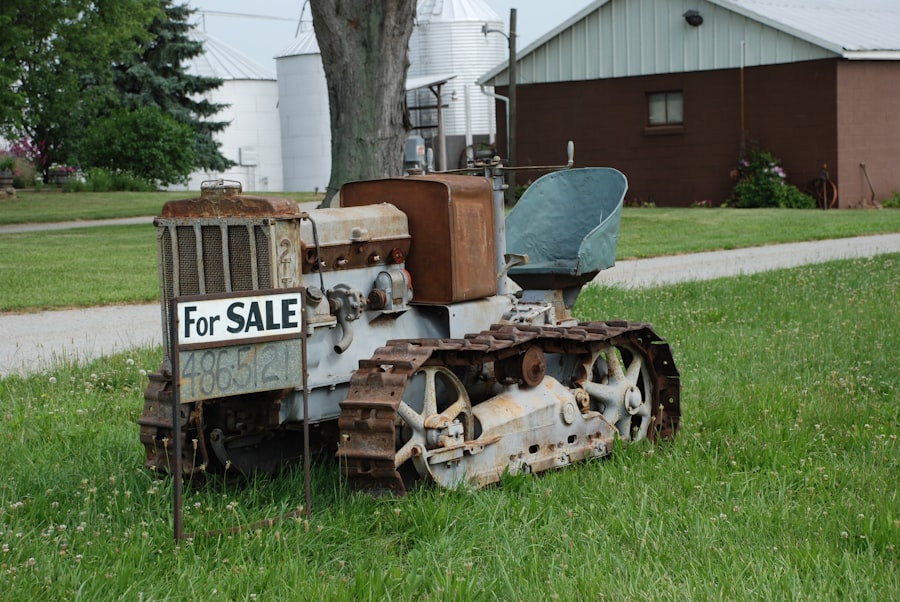
Finding antique farm equipment auctions can be an adventure in itself, as these events are often held in rural areas or at specialized venues dedicated to agricultural history. One of the best places to start is by researching local agricultural fairs or county fairs that may include auction events as part of their programming. These fairs often attract vendors and collectors who specialize in antique farm equipment, providing a rich environment for enthusiasts to explore.
Online platforms have also become increasingly popular for locating antique farm equipment auctions. Websites dedicated to auction listings often feature sections specifically for agricultural items, allowing users to filter searches based on location and type of equipment. Social media groups and forums focused on antique farming can also be valuable resources for finding upcoming auctions and connecting with other collectors.
Additionally, organizations such as historical societies or agricultural museums frequently host auctions or can provide information about local events. By tapping into these resources, enthusiasts can discover a wealth of opportunities to participate in auctions and expand their collections.
Tips for Buying Antique Farm Equipment at Auction
| Tip | Description | Metric/Consideration |
|---|---|---|
| Research Equipment | Understand the make, model, and typical value of the equipment before bidding. | Average market price range, production years, rarity |
| Inspect Condition | Check for rust, wear, missing parts, and overall functionality. | Condition rating (Poor, Fair, Good, Excellent), restoration cost estimate |
| Set a Budget | Determine your maximum bid to avoid overspending. | Maximum bid limit, estimated repair costs |
| Attend Preview | Visit the auction preview to physically inspect items. | Number of items inspected, time spent previewing |
| Understand Auction Fees | Be aware of buyer’s premiums and other fees added to the final price. | Buyer’s premium percentage, additional fees |
| Check Provenance | Verify the history and authenticity of the equipment. | Documentation availability, previous ownership records |
| Plan Transportation | Arrange how to move the equipment after purchase. | Transport cost estimate, equipment size and weight |
| Bid Strategically | Start low and increase bids carefully to avoid overpaying. | Bid increments, number of competing bidders |
| Know Auction Rules | Familiarize yourself with auction terms and conditions. | Payment terms, pickup deadlines |
Navigating an antique farm equipment auction requires preparation and strategy to ensure successful purchases. One essential tip is to conduct thorough research on the items you are interested in before attending the auction. Familiarizing yourself with the history, value, and condition of specific pieces can provide valuable context during bidding.
Understanding market trends and recent sales can also help you set realistic budget expectations and avoid overbidding. Another important aspect is to inspect items closely before placing bids. Many auctions allow potential buyers to view equipment prior to the auction day, providing an opportunity to assess condition and functionality.
Look for signs of wear or damage that may affect value or usability. Additionally, consider asking questions about provenance or previous ownership if possible; this information can enhance your understanding of the item’s significance. Finally, it’s wise to establish a budget beforehand and stick to it during bidding.
The excitement of an auction can lead to impulsive decisions, so having a clear financial plan can help you make informed choices.
Restoring and Preserving Antique Farm Equipment
Restoring antique farm equipment is both an art and a science, requiring a delicate balance between maintaining authenticity and ensuring functionality. Many collectors take pride in restoring their pieces to their original condition while using techniques that respect the historical integrity of the equipment. This process often involves cleaning, repairing, and sometimes repainting items while being careful not to alter their character or value.
For instance, when restoring a vintage tractor, enthusiasts may seek out original parts or replicate them using period-appropriate materials to maintain authenticity. Preservation is equally important for antique farm equipment owners who wish to keep their items in good condition without extensive restoration. Proper storage is crucial; keeping equipment in a dry, climate-controlled environment can prevent rust and deterioration.
Regular maintenance checks are also advisable to address any minor issues before they escalate into more significant problems. Additionally, documenting the history and restoration process can enhance the value of the equipment while providing future owners with insights into its past.
The Community of Antique Farm Equipment Enthusiasts
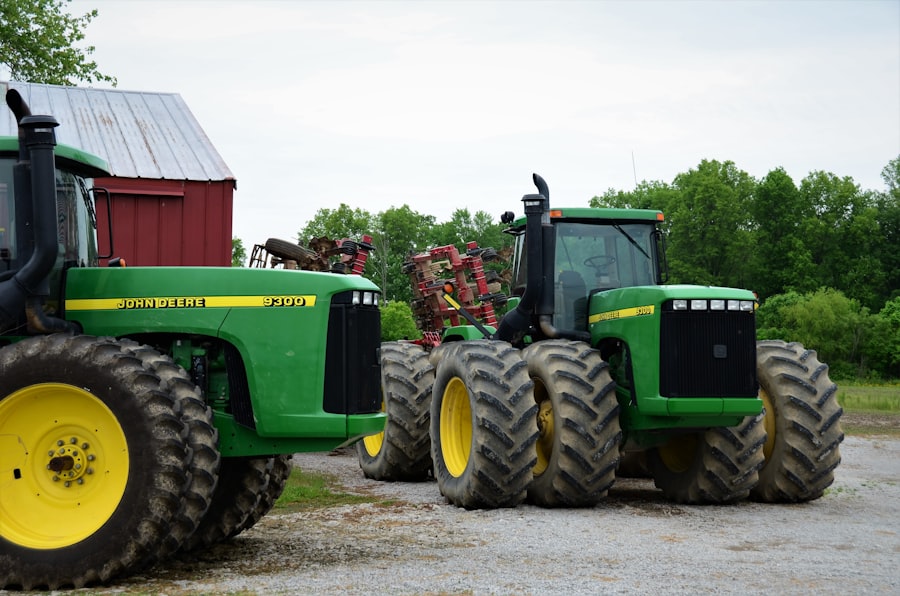
The community surrounding antique farm equipment is vibrant and diverse, encompassing individuals from various backgrounds united by a shared passion for agricultural history. Enthusiasts often gather at events such as tractor shows, swap meets, and specialized auctions where they can showcase their collections and share knowledge with others. These gatherings foster connections among collectors who may exchange tips on restoration techniques or discuss the historical significance of specific pieces.
Online forums and social media groups have further expanded this community by providing platforms for enthusiasts to connect regardless of geographical boundaries. Members share photos of their collections, post inquiries about specific items, and offer advice on restoration projects. This digital interaction complements traditional gatherings by allowing individuals to engage with others who share their interests even when they cannot attend events in person.
The sense of belonging within this community enhances the experience of collecting antique farm equipment, creating lasting friendships built on mutual appreciation for agricultural heritage.
The Value of Antique Farm Equipment
The value of antique farm equipment can vary significantly based on several factors including rarity, condition, historical significance, and demand among collectors. Some pieces may fetch high prices at auction due to their unique features or provenance; for example, a rare model tractor that was once used by a famous farmer may command a premium price due to its storied past. Conversely, more common items may be more accessible but still hold sentimental value for collectors who appreciate their craftsmanship.
Market trends also play a crucial role in determining value; certain types of equipment may experience surges in popularity based on current interests in vintage farming practices or sustainable agriculture. Collectors should stay informed about these trends through research and networking within the community to make informed purchasing decisions. Ultimately, while monetary value is an important consideration for many collectors, the intrinsic value derived from preserving history and connecting with agricultural heritage often outweighs financial considerations.
The Future of Antique Farm Equipment Auctions
As interest in sustainable farming practices and historical preservation continues to grow, the future of antique farm equipment auctions appears promising. Younger generations are increasingly drawn to vintage farming methods as they seek alternatives to modern industrial agriculture. This shift may lead to heightened interest in antique farm equipment as both functional tools and historical artifacts that embody traditional practices.
Moreover, advancements in technology are likely to influence how auctions are conducted in the future. Online bidding platforms have already transformed traditional auction formats by allowing participants from around the world to engage in real-time bidding without geographical constraints. This trend may continue to evolve as more auction houses adopt hybrid models that combine in-person experiences with online accessibility.
As a result, antique farm equipment auctions could become more inclusive and diverse, attracting new collectors who may not have previously participated due to location or logistical challenges. In conclusion, the world of antique farm equipment is rich with history and community engagement that continues to thrive amidst changing agricultural landscapes. As collectors seek out these unique pieces that tell stories from our past, they contribute not only to preserving agricultural heritage but also to fostering connections among those who share a passion for this fascinating aspect of history.