
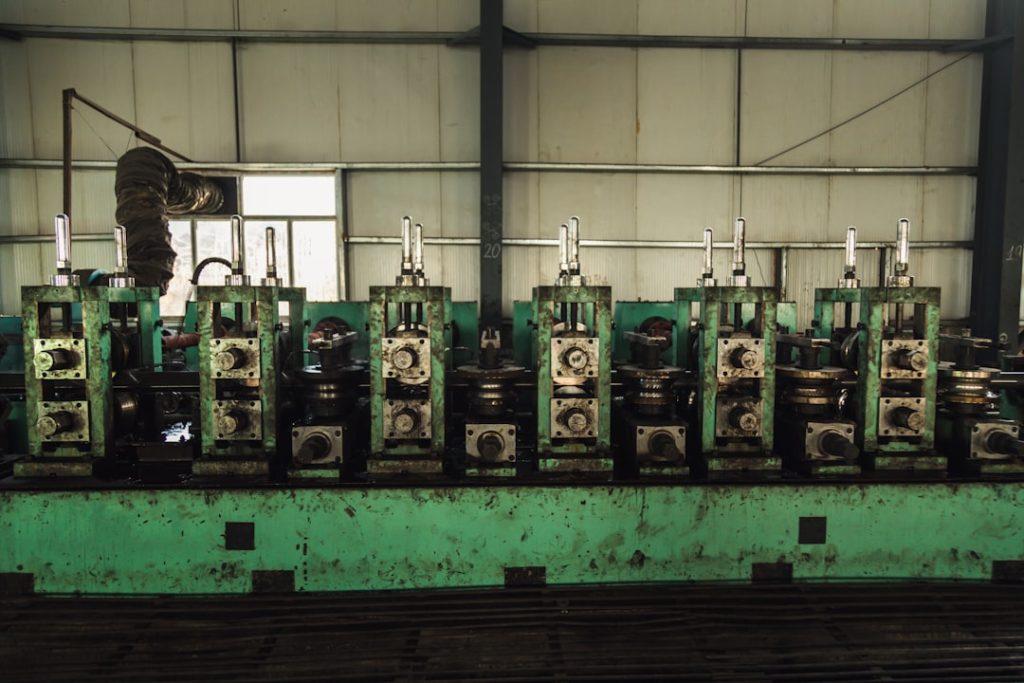
The price of paper manufacturing machines can vary significantly based on a multitude of factors, including the type of machine, its capacity, and the technology it employs. Generally, these machines can range from tens of thousands to several million dollars. For instance, a small-scale paper-making machine designed for niche markets may cost around $50,000, while large industrial machines capable of producing thousands of tons of paper per day can exceed $5 million.
The initial investment is a critical consideration for businesses looking to enter or expand within the paper manufacturing industry. Understanding the basics of pricing in this sector requires a grasp of the various components that contribute to the overall cost. These components include the machine’s design, the materials used in its construction, and the level of automation it offers.
Machines that incorporate advanced technology, such as digital controls and automated processes, tend to be more expensive due to their enhanced efficiency and reduced labor costs. Additionally, the geographical location of the manufacturer and shipping costs can also influence the final price, making it essential for potential buyers to conduct thorough market research.
Key Takeaways
- Paper manufacturing machine prices vary based on type, quality, and features.
- Key cost factors include machine capacity, technology, and brand reputation.
- Investing in high-quality machines can lead to better efficiency and long-term savings.
- Comparing prices requires evaluating specifications, maintenance needs, and operating costs.
- Negotiation and considering long-term benefits are crucial for making cost-effective purchases.
Factors Affecting the Cost of Paper Manufacturing Machines
Several factors play a pivotal role in determining the cost of paper manufacturing machines. One of the most significant is the machine’s production capacity. Higher-capacity machines that can produce larger volumes of paper in shorter timeframes typically come with a higher price tag.
This is because they require more robust engineering and materials to handle increased output without compromising quality. For example, a high-capacity paper machine designed for producing newsprint may cost significantly more than a smaller machine intended for specialty papers. Another critical factor is the level of technology integrated into the machine.
Modern paper manufacturing machines often feature advanced automation systems that enhance efficiency and reduce labor costs. These systems can include sensors for monitoring production quality, automated adjustments for maintaining optimal operating conditions, and sophisticated software for managing production schedules. While these technological advancements can lead to higher upfront costs, they often result in long-term savings through improved productivity and reduced waste.
Different Types of Paper Manufacturing Machines and Their Prices
The paper manufacturing industry encompasses a wide array of machines tailored for specific types of paper products. For instance, there are machines designed for producing newsprint, packaging paper, tissue paper, and specialty papers like those used in art or high-end printing. Each type of machine has its own price range based on its design and functionality.
A typical tissue paper manufacturing machine might cost between $200,000 and $1 million, depending on its capacity and features. In contrast, machines designed for producing packaging paper can vary even more widely in price. A basic corrugated cardboard production line may start at around $300,000, while a fully automated line capable of producing complex packaging solutions can reach upwards of $5 million.
Specialty paper machines, which often require unique designs and materials to meet specific customer demands, can also command premium prices. Understanding these distinctions is crucial for businesses as they evaluate their options and budget accordingly.
Understanding the Value of Investing in High-Quality Paper Manufacturing Machines
| Metric | Description | Impact of High-Quality Machines | Benefit |
|---|---|---|---|
| Production Speed | Number of sheets produced per minute | Higher speeds with consistent output | Increased overall productivity and throughput |
| Energy Efficiency | Energy consumed per ton of paper produced | Lower energy consumption due to advanced technology | Reduced operational costs and environmental impact |
| Machine Downtime | Hours of non-operation due to maintenance or failure | Significantly reduced downtime with reliable components | Higher machine availability and consistent production |
| Paper Quality Consistency | Variation in thickness, texture, and strength | Minimal variation due to precision engineering | Improved product quality and customer satisfaction |
| Maintenance Frequency | Number of maintenance interventions per month | Less frequent maintenance required | Lower maintenance costs and less production interruption |
| Waste Reduction | Percentage of raw material wasted during production | Reduced waste through optimized machine control | Cost savings and environmental benefits |
| Return on Investment (ROI) | Time taken to recover investment costs | Faster ROI due to efficiency and quality gains | Improved financial performance and competitiveness |
Investing in high-quality paper manufacturing machines is not merely about the initial purchase price; it encompasses a broader perspective on long-term value and operational efficiency. High-quality machines are typically built with superior materials and engineering practices that enhance their durability and reliability. This means fewer breakdowns and maintenance issues over time, which can significantly reduce operational disruptions and associated costs.
Moreover, high-quality machines often come equipped with advanced technology that improves production efficiency. For example, machines with better energy efficiency ratings can lead to substantial savings on utility bills over time. Additionally, they may offer features that minimize waste during production, further enhancing profitability.
Businesses that prioritize quality in their machinery often find that the return on investment justifies the higher upfront costs through increased productivity and lower operational expenses.
How to Compare and Evaluate Paper Manufacturing Machine Prices
When comparing and evaluating prices for paper manufacturing machines, it is essential to adopt a systematic approach that considers multiple factors beyond just the sticker price. Start by identifying your specific production needs—this includes understanding the type of paper you intend to manufacture, your desired output capacity, and any special features that may be necessary for your operations. Once you have established your requirements, gather quotes from multiple manufacturers to create a comprehensive comparison.
Pay attention not only to the base price but also to what is included in that price—such as installation services, warranties, and after-sales support. It is also beneficial to assess the reputation of the manufacturers by researching customer reviews and case studies. This information can provide insights into the reliability and performance of their machines in real-world applications.
Tips for Negotiating the Price of Paper Manufacturing Machines
Negotiating the price of paper manufacturing machines can be a complex process, but with the right strategies, buyers can secure favorable terms. One effective approach is to conduct thorough market research before entering negotiations. Understanding the average market prices for similar machines allows you to establish a baseline for negotiations and helps you identify when a quote is unreasonably high.
Additionally, consider leveraging multiple quotes from different suppliers as a bargaining tool. If one manufacturer offers a lower price or better terms, use this information to negotiate with others. It’s also wise to inquire about any available discounts or financing options that could make the purchase more manageable.
Building a rapport with sales representatives can also be beneficial; establishing a positive relationship may lead to more flexible terms or additional perks during negotiations.
The Importance of Maintenance and Operating Costs in Assessing Paper Manufacturing Machine Price
When evaluating the price of paper manufacturing machines, it is crucial to consider not only the initial purchase cost but also ongoing maintenance and operating expenses. Maintenance costs can vary significantly based on the complexity of the machine and its design features. Machines that are easier to maintain may incur lower costs over time due to reduced downtime and less frequent repairs.
Operating costs are another critical factor that can impact overall profitability. These costs include energy consumption, raw material expenses, labor costs associated with running the machine, and any additional costs related to waste management or environmental compliance. A machine that consumes less energy or produces less waste may have a higher upfront cost but could lead to substantial savings over its operational lifespan.
Considering Long-Term Costs and Benefits When Determining the Price of Paper Manufacturing Machines
When determining the price of paper manufacturing machines, it is essential to adopt a long-term perspective that encompasses both costs and benefits over time. While initial pricing is an important consideration, understanding how a machine will perform throughout its lifecycle can provide valuable insights into its true value. This includes evaluating factors such as energy efficiency, maintenance requirements, and potential for technological upgrades.
For instance, investing in a more advanced machine with higher energy efficiency may result in higher upfront costs but could lead to significant savings on utility bills over time. Additionally, machines that are designed with modular components may allow for easier upgrades as technology evolves, further extending their useful life and enhancing their return on investment. By considering these long-term factors alongside initial pricing, businesses can make more informed decisions that align with their strategic goals in the competitive paper manufacturing landscape.