
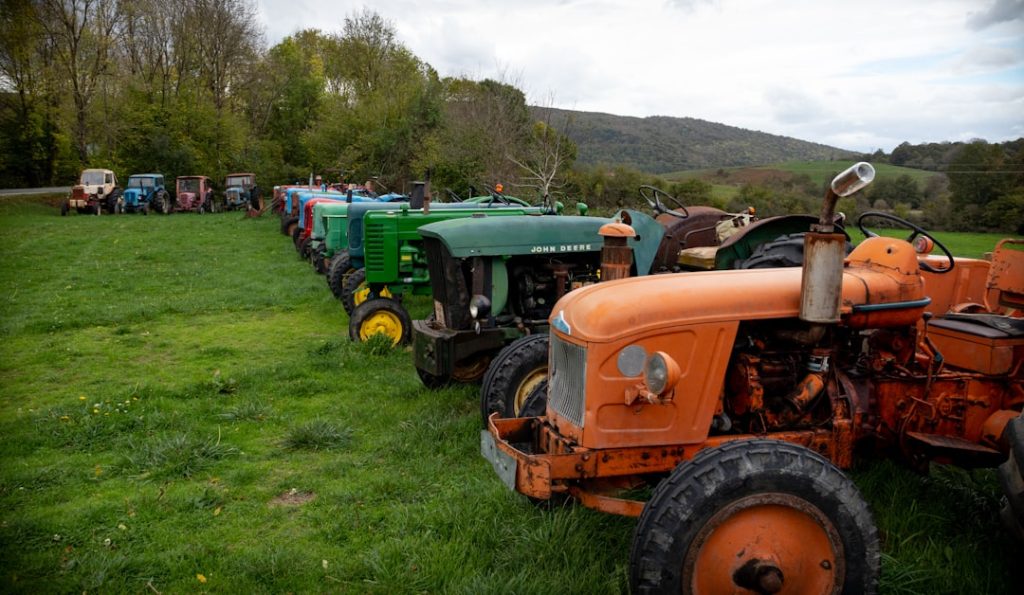
The pricing of tractors at auctions is influenced by a multitude of factors that potential buyers must consider. One of the primary determinants is the overall condition of the tractor, which encompasses both mechanical functionality and aesthetic appeal. A well-maintained tractor with a clean exterior and a well-documented service history will typically command a higher price than one that shows signs of neglect or has an unclear maintenance record.
Buyers are often willing to pay a premium for equipment that has been cared for, as it suggests reliability and longevity. Additionally, the presence of original parts versus aftermarket replacements can significantly impact value; original components are often preferred for their authenticity and compatibility. Another critical factor is the age of the tractor.

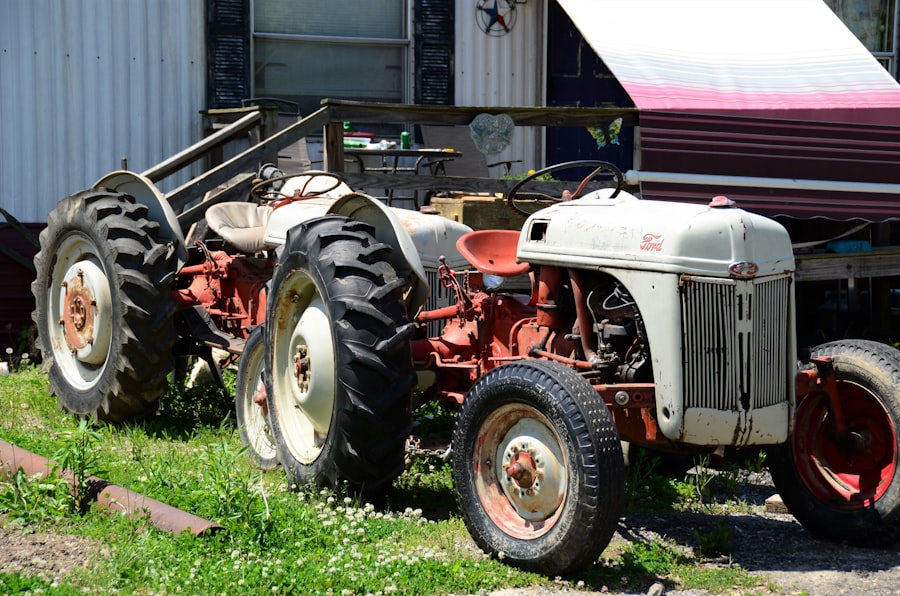
Generally, newer models tend to fetch higher prices due to advancements in technology, efficiency, and features that enhance productivity. However, vintage tractors can also attract significant interest from collectors and enthusiasts, sometimes leading to prices that exceed those of newer models. The rarity of certain models can create a niche market where demand drives prices up, regardless of age.
Furthermore, seasonal trends can affect auction prices; for instance, tractors may sell for more during peak agricultural seasons when farmers are looking to upgrade their equipment.
Key Takeaways
- Tractor auction prices are influenced by factors like condition, age, brand, and market demand.
- Researching past auction data and current market trends helps set realistic price expectations.
- Evaluating the tractor’s condition and model is crucial for accurate valuation.
- Budgeting for extra costs such as fees and transportation is essential when planning purchases.
- Effective bidding strategies and negotiation skills increase the chances of securing a good deal.
Researching Market Trends and Historical Auction Data
To make informed decisions at tractor auctions, prospective buyers should engage in thorough research regarding market trends and historical auction data. This involves analyzing past auction results to identify price patterns for specific brands and models over time. Websites that specialize in agricultural equipment auctions often provide databases where users can access historical sales data, including final bid amounts, buyer demographics, and geographical trends.
By examining this data, buyers can gain insights into which tractors have consistently performed well in auctions and which models may be losing value. Additionally, understanding current market trends is essential for predicting future auction prices. Factors such as changes in agricultural practices, technological advancements, and shifts in consumer preferences can all influence demand for certain types of tractors.
For example, the increasing emphasis on sustainability and eco-friendly farming practices has led to a rise in demand for tractors equipped with advanced fuel-efficient engines or electric powertrains. Buyers who stay informed about these trends can position themselves advantageously in the auction market, ensuring they invest in equipment that aligns with current and future agricultural needs.
Setting Realistic Expectations for Tractor Auction Prices
Setting realistic expectations for tractor auction prices is crucial for both buyers and sellers. Buyers should approach auctions with a clear understanding of their budget and the maximum amount they are willing to spend on a particular tractor. This requires not only knowledge of the market value of the desired model but also an awareness of personal financial constraints.
It is advisable to establish a price range based on research and stick to it during the bidding process to avoid overspending in the heat of competition. Sellers, on the other hand, must also set realistic expectations regarding the sale price of their tractors. This involves evaluating the condition, age, and market demand for their specific model.
Sellers who overestimate the value of their equipment may find themselves disappointed if bids do not meet their expectations. Engaging with auction professionals or utilizing online valuation tools can provide sellers with a more accurate assessment of what they can reasonably expect to achieve at auction.
Evaluating the Condition and Age of the Tractor
| Metric | Description | Typical Range | Evaluation Criteria |
|---|---|---|---|
| Tractor Age (Years) | Number of years since manufacture | 0 – 30+ | New: 0-5, Good: 6-15, Old: 16+ |
| Engine Hours | Total hours the engine has operated | 0 – 10,000+ | Low: 0-2,000, Moderate: 2,001-5,000, High: 5,001+ |
| Maintenance Records | Frequency and quality of maintenance performed | Regular, Irregular, None | Regular maintenance indicates better condition |
| Tire Condition | Wear and tread depth of tires | New, Good, Worn, Needs Replacement | Good or New preferred for optimal performance |
| Hydraulic System | Functionality and leaks in hydraulic components | Fully Functional, Minor Leaks, Major Leaks | Fully functional is ideal; leaks reduce value |
| Rust and Corrosion | Presence of rust on body and frame | None, Minor, Moderate, Severe | None or Minor is acceptable; Severe affects durability |
| Transmission Condition | Operational smoothness and gear shifting | Excellent, Good, Fair, Poor | Good or better recommended for reliability |
When assessing a tractor’s condition, potential buyers should conduct a thorough inspection that goes beyond surface-level observations. This includes checking the engine for signs of wear or leaks, examining hydraulic systems for functionality, and ensuring that all electronic components are operational. A comprehensive evaluation may also involve looking at the tires for tread wear and checking the undercarriage for rust or damage.
Buyers should consider bringing along a knowledgeable mechanic or technician who can provide expert insights into the tractor’s mechanical health. The age of the tractor plays a significant role in its overall value as well. While newer models often come equipped with advanced technology and improved fuel efficiency, older tractors may possess unique features or historical significance that appeal to collectors.
Buyers should weigh the benefits of purchasing a newer model against the charm and potential lower cost of an older unit. Additionally, understanding how depreciation affects tractor values over time can help buyers make informed decisions about whether to invest in a new or used tractor.
Considering the Brand and Model of the Tractor
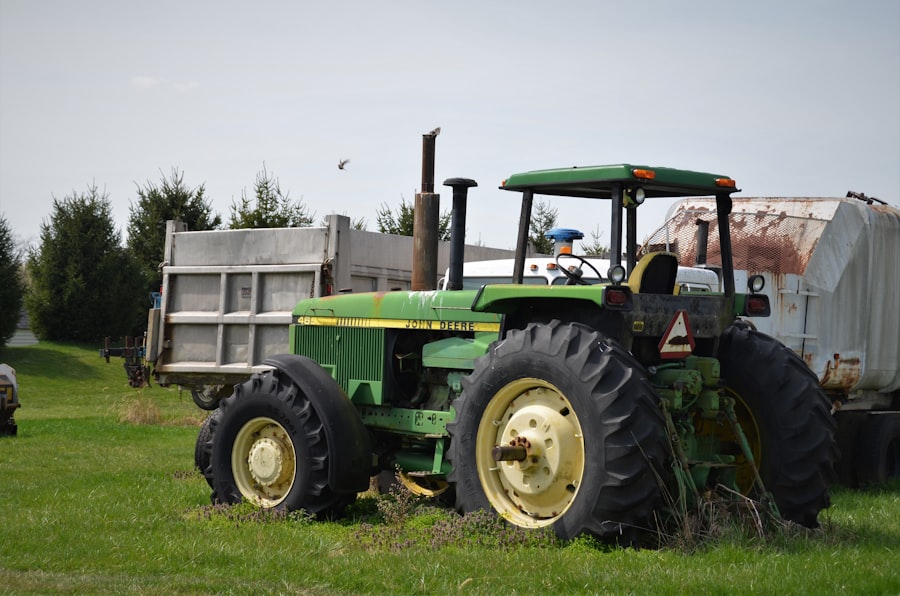
The brand and model of a tractor are pivotal factors that influence its auction price. Renowned brands such as John Deere, Case IH, and New Holland have established reputations for quality and reliability, often resulting in higher resale values compared to lesser-known manufacturers. Buyers should familiarize themselves with the strengths and weaknesses associated with different brands; for instance, some brands may be known for their durability while others might excel in technological innovation.
Moreover, specific models within these brands can vary significantly in terms of features and performance capabilities. For example, a high-horsepower model designed for large-scale farming operations will likely command a different price than a compact utility tractor intended for smaller tasks. Understanding the intended use of various models can help buyers identify which tractors will best meet their needs while also providing insight into potential resale value down the line.
Anticipating the Impact of Demand and Supply on Auction Prices
The dynamics of supply and demand play a crucial role in determining auction prices for tractors. When demand exceeds supply—such as during peak planting seasons—prices tend to rise as buyers compete for limited inventory. Conversely, if there is an oversupply of tractors on the market, prices may drop as sellers lower their expectations to attract buyers.
Buyers should keep an eye on local agricultural trends; for instance, if there is an increase in crop production or a surge in new farmers entering the market, demand for tractors may spike accordingly. Additionally, regional factors can influence supply and demand dynamics. In areas where agriculture is booming, such as parts of the Midwest United States, competition for quality tractors may drive prices higher than in regions where farming is declining or less prevalent.
Understanding these regional nuances can provide buyers with valuable insights into when and where to bid effectively at auctions.
Budgeting for Additional Costs and Fees at Tractor Auctions
When participating in tractor auctions, it is essential to budget not only for the purchase price but also for additional costs and fees that may arise during the process. Auction houses often charge buyer’s premiums—typically a percentage of the final bid price—which can significantly increase the total cost of acquisition. Buyers should inquire about these fees upfront to avoid surprises when calculating their final expenses.
Moreover, potential buyers should consider other costs associated with owning a tractor post-purchase. These may include transportation fees if the tractor needs to be delivered to a different location, registration costs, insurance premiums, and ongoing maintenance expenses. By accounting for these additional costs in their overall budget, buyers can ensure they are financially prepared for all aspects of acquiring and maintaining their new equipment.
Tips for Successful Bidding and Negotiating at Tractor Auctions
Successful bidding at tractor auctions requires both strategy and composure. One effective approach is to arrive early to inspect the tractors thoroughly before bidding begins. This allows buyers to familiarize themselves with the equipment they are interested in and assess its condition firsthand.
Additionally, observing other bidders can provide insights into bidding behavior and help gauge competition levels. During the bidding process itself, it is crucial to remain calm and stick to predetermined budget limits. Emotional bidding can lead to overspending; therefore, having a clear strategy—such as setting incremental bid amounts—can help maintain discipline throughout the auction.
If possible, buyers should also consider establishing relationships with auctioneers or other participants prior to bidding; this can facilitate smoother negotiations and potentially lead to better deals. In conclusion, navigating tractor auctions successfully involves understanding various factors that influence pricing, conducting thorough research on market trends, setting realistic expectations based on condition and age, considering brand reputation, anticipating supply-demand dynamics, budgeting for additional costs, and employing effective bidding strategies. By taking these elements into account, buyers can enhance their chances of securing quality tractors at favorable prices while minimizing risks associated with auction purchases.