
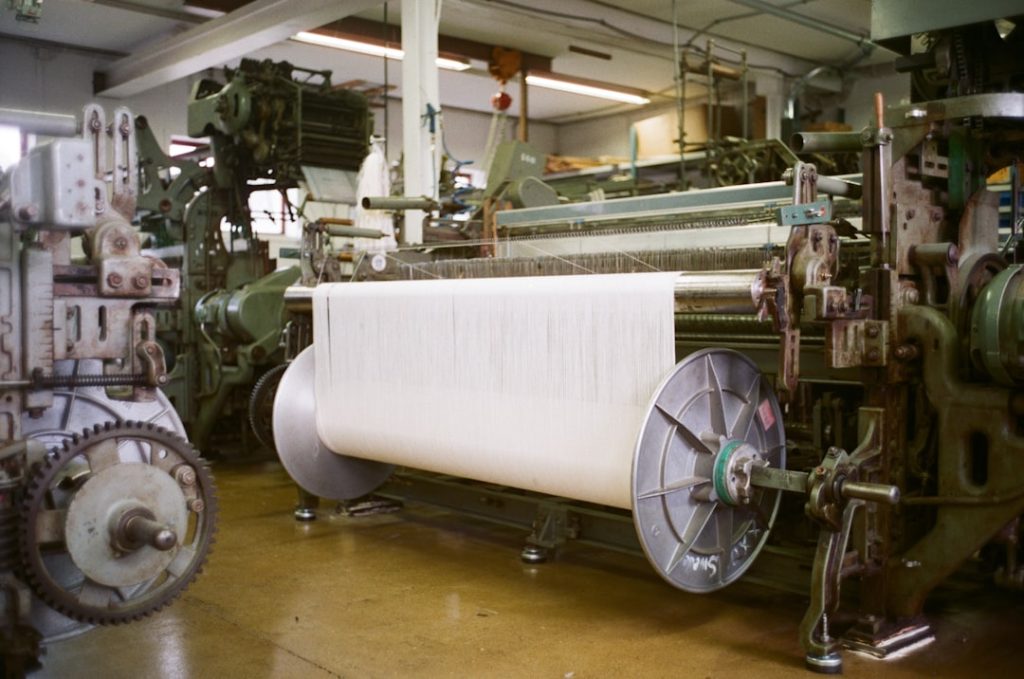
The heavy machinery manufacturing sector is a cornerstone of the global economy, providing essential equipment for construction, mining, agriculture, and various other industries. This sector is characterized by its production of large, powerful machines designed to perform demanding tasks that require significant strength and durability. Companies in this field are not only responsible for the creation of these machines but also for ensuring they meet rigorous safety and performance standards.
The landscape of heavy machinery manufacturing is populated by several key players, each contributing to the industry’s evolution through innovation, quality, and service. Among the most prominent manufacturers are Caterpillar, Komatsu, and Volvo Construction Equipment, each with a rich history and a reputation for excellence. Caterpillar, for instance, has been a leader in the industry since its inception in 1925, known for its iconic yellow machines and commitment to quality.
Komatsu, founded in Japan in 1921, has made significant strides in technology and sustainability, while Volvo Construction Equipment has carved out a niche with its focus on safety and environmental responsibility. These companies not only compete on a global scale but also set benchmarks for performance and reliability that others strive to meet.
Key Takeaways
- Leading heavy machinery manufacturers are driving innovation and shaping global industry trends.
- Technological advancements and digitalization are transforming production processes and equipment capabilities.
- Sustainability and environmental initiatives are becoming integral to manufacturing strategies.
- The industry faces challenges such as supply chain disruptions but also opportunities in automation and green technologies.
- Future outlook points to continued growth fueled by innovation, digital integration, and sustainable practices.
Innovations in Heavy Machinery Technology
The heavy machinery industry is undergoing a transformative phase driven by technological advancements. Innovations such as telematics, automation, and advanced materials are reshaping how machines are designed, manufactured, and operated. Telematics systems allow for real-time monitoring of equipment performance, enabling operators to optimize usage and reduce downtime.
For example, Caterpillar’s Cat Connect technology provides insights into machine health and productivity, allowing users to make data-driven decisions that enhance operational efficiency. Automation is another significant trend impacting heavy machinery. The development of autonomous vehicles and machinery is revolutionizing construction sites and mining operations.
Companies like Komatsu are pioneering autonomous haulage systems that can transport materials without human intervention. These systems not only improve safety by reducing the risk of accidents but also enhance productivity by operating continuously without breaks. The integration of artificial intelligence into machinery further enhances capabilities, allowing for predictive maintenance and improved operational efficiency.
Industry Trends in Heavy Machinery Manufacturing
As the heavy machinery manufacturing industry evolves, several key trends are emerging that shape its future. One notable trend is the increasing demand for electric and hybrid machinery. As environmental concerns grow and regulations tighten, manufacturers are investing in alternative power sources to reduce emissions and fuel consumption.
For instance, Volvo Construction Equipment has introduced electric excavators and wheel loaders that offer zero emissions during operation, catering to a market that increasingly prioritizes sustainability. Another trend is the rise of modular design in heavy machinery. This approach allows manufacturers to create machines that can be easily customized or upgraded based on specific customer needs.
Modular designs not only enhance flexibility but also reduce production costs and lead times. Companies are leveraging this trend to respond more quickly to market demands while maintaining high standards of quality and performance. The shift towards modularity reflects a broader movement within manufacturing towards greater adaptability and responsiveness.
Top Heavy Machinery Manufacturers in the Global Market
| Manufacturer | Headquarters | Annual Revenue (Billion USD) | Market Share (%) | Key Products | Global Presence |
|---|---|---|---|---|---|
| Caterpillar Inc. | USA | 59.7 | 25 | Excavators, Bulldozers, Loaders | Over 190 countries |
| Komatsu Ltd. | Japan | 22.5 | 15 | Excavators, Dump Trucks, Wheel Loaders | Global |
| Volvo Construction Equipment | Sweden | 13.2 | 8 | Excavators, Articulated Haulers, Wheel Loaders | Worldwide |
| Hitachi Construction Machinery | Japan | 8.7 | 6 | Excavators, Mining Trucks | Global |
| John Deere | USA | 12.1 | 7 | Excavators, Loaders, Backhoes | Global |
| Liebherr Group | Germany | 11.5 | 6 | Cranes, Excavators, Mining Trucks | Worldwide |
The global heavy machinery market is dominated by several key players known for their innovation, quality, and extensive product lines. Caterpillar remains at the forefront, with a diverse range of products including excavators, bulldozers, and loaders that cater to various industries. Its global reach and strong dealer network ensure that customers have access to support and parts wherever they operate.
Komatsu is another major player, recognized for its commitment to technological advancement and sustainability. The company offers a wide array of equipment designed for construction, mining, and forestry applications. Its focus on automation and smart technologies positions it well for future growth as industries increasingly adopt these innovations.
Other notable manufacturers include Hitachi Construction Machinery, which is known for its high-quality excavators; Liebherr, which produces a range of construction equipment including cranes; and JCB, famous for its backhoe loaders. Each of these companies brings unique strengths to the market, contributing to a competitive landscape that drives continuous improvement across the industry.
Sustainability and Environmental Initiatives in Heavy Machinery Manufacturing
Sustainability has become a central focus for heavy machinery manufacturers as they respond to growing environmental concerns and regulatory pressures. Many companies are actively pursuing initiatives aimed at reducing their carbon footprint and promoting eco-friendly practices throughout their operations. For instance, Caterpillar has set ambitious goals to reduce greenhouse gas emissions from its products and operations by 50% by 2030 compared to 2019 levels.
In addition to reducing emissions from machinery, manufacturers are also exploring sustainable materials for production. The use of recycled materials in manufacturing processes not only conserves resources but also minimizes waste. Companies like Volvo Construction Equipment are leading the charge by incorporating recycled plastics into their products, demonstrating a commitment to circular economy principles.
Moreover, manufacturers are investing in research and development to create more efficient engines that consume less fuel while delivering the same or improved performance levels. This focus on innovation not only meets regulatory requirements but also appeals to customers who are increasingly prioritizing sustainability in their purchasing decisions.
Impact of Digitalization and Automation in Heavy Machinery Production
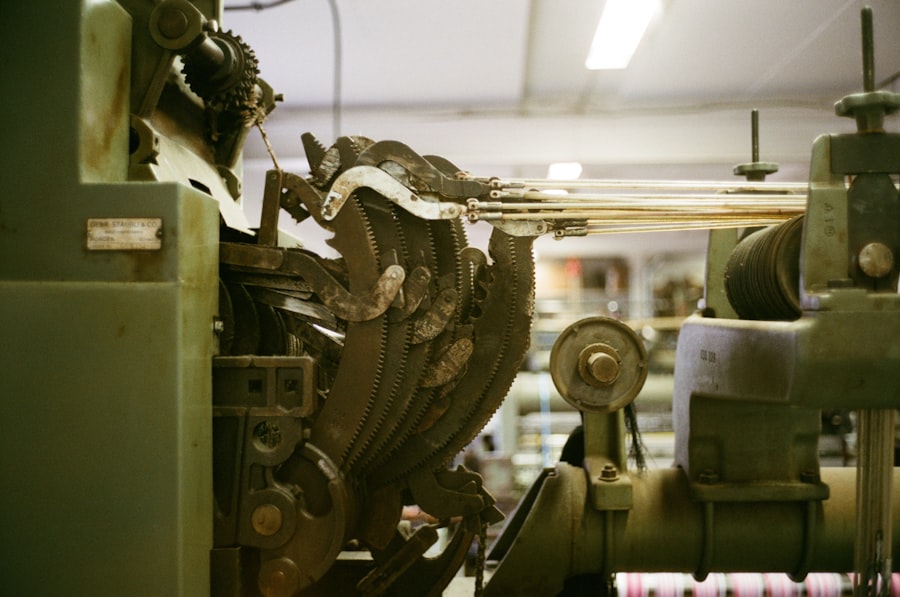
Digitalization is fundamentally altering the landscape of heavy machinery production. The integration of digital technologies into manufacturing processes enhances efficiency, reduces costs, and improves product quality. Advanced manufacturing techniques such as 3D printing are being adopted to create complex components with greater precision and less material waste.
This shift allows manufacturers to respond more quickly to changes in demand while maintaining high standards of quality. Automation plays a crucial role in this digital transformation. Robotics are increasingly used in assembly lines to perform repetitive tasks with speed and accuracy.
This not only increases productivity but also allows human workers to focus on more complex tasks that require critical thinking and problem-solving skills. Companies like Komatsu are investing heavily in automation technologies to streamline their production processes while ensuring high levels of safety. Furthermore, the use of data analytics is becoming commonplace in heavy machinery manufacturing.
By analyzing data from production processes, manufacturers can identify inefficiencies and areas for improvement. Predictive analytics can also be employed to anticipate maintenance needs before they become critical issues, thereby reducing downtime and extending the lifespan of equipment.
Challenges and Opportunities for Heavy Machinery Manufacturers
Despite the promising advancements within the heavy machinery sector, manufacturers face several challenges that could impact their growth trajectories. One significant challenge is the volatility of raw material prices. Fluctuations in the costs of steel, aluminum, and other essential materials can significantly affect production costs and profit margins.
Manufacturers must develop strategies to mitigate these risks, such as securing long-term contracts or diversifying their supply chains. Another challenge is the skilled labor shortage affecting many industries, including heavy machinery manufacturing. As experienced workers retire, there is a pressing need for skilled technicians who can operate advanced machinery and understand complex systems.
Manufacturers are responding by investing in training programs and partnerships with educational institutions to cultivate a new generation of skilled workers. However, these challenges also present opportunities for innovation and growth. The push towards automation creates demand for new technologies that can enhance productivity while addressing labor shortages.
Additionally, as sustainability becomes a priority for customers and regulators alike, manufacturers have the opportunity to differentiate themselves through eco-friendly practices and products.
Future Outlook for Heavy Machinery Manufacturing Industry
The future of the heavy machinery manufacturing industry appears promising as it adapts to changing market dynamics and technological advancements. The ongoing shift towards electrification and automation will likely continue to reshape product offerings as manufacturers strive to meet customer demands for more efficient and environmentally friendly solutions. As digitalization becomes more entrenched in manufacturing processes, companies will increasingly leverage data analytics to drive decision-making and optimize operations.
This trend will not only enhance productivity but also enable manufacturers to offer more personalized solutions tailored to specific customer needs. Moreover, as global infrastructure projects ramp up in response to urbanization trends and economic recovery efforts post-pandemic, demand for heavy machinery is expected to rise significantly. Manufacturers who can innovate rapidly while maintaining high standards of quality will be well-positioned to capitalize on these opportunities.
In conclusion, while challenges exist within the heavy machinery manufacturing sector, the combination of technological advancements, sustainability initiatives, and evolving market demands presents a landscape ripe with potential for growth and innovation. As companies navigate this dynamic environment, their ability to adapt will determine their success in shaping the future of heavy machinery manufacturing.