
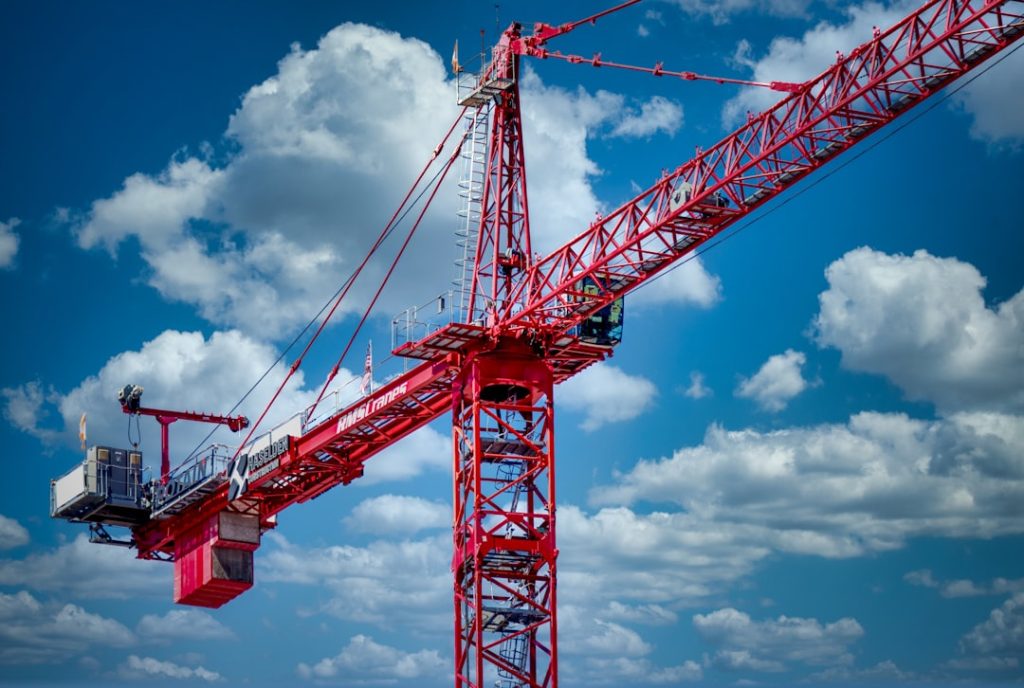
The construction industry is a cornerstone of economic development, and at its heart lies the essential role of construction equipment manufacturers. These companies design, produce, and distribute a wide array of machinery that facilitates the building of infrastructure, from towering skyscrapers to intricate road systems. The equipment ranges from heavy machinery like excavators and bulldozers to smaller tools such as drills and saws.
The significance of these manufacturers cannot be overstated; they provide the tools that enable contractors and builders to execute their projects efficiently and safely. Construction equipment manufacturers are not merely suppliers; they are innovators and problem solvers. They invest heavily in research and development to create machines that meet the evolving demands of the industry.

As construction projects become more complex and the need for efficiency increases, these manufacturers are tasked with producing equipment that can handle diverse challenges, including varying terrains, environmental regulations, and technological advancements. The relationship between construction firms and equipment manufacturers is symbiotic; as one grows, so does the other, creating a dynamic ecosystem that drives progress in the construction sector.
Key Takeaways
- Quality construction equipment is crucial for project efficiency and safety.
- Leading manufacturers drive the industry with innovative and advanced machinery.
- Sustainable manufacturing practices are becoming a key focus in the industry.
- Emerging trends indicate a future of smarter, more eco-friendly construction equipment.
- Selecting the right manufacturer ensures long-term investment value and operational success.
The Importance of Quality Construction Equipment
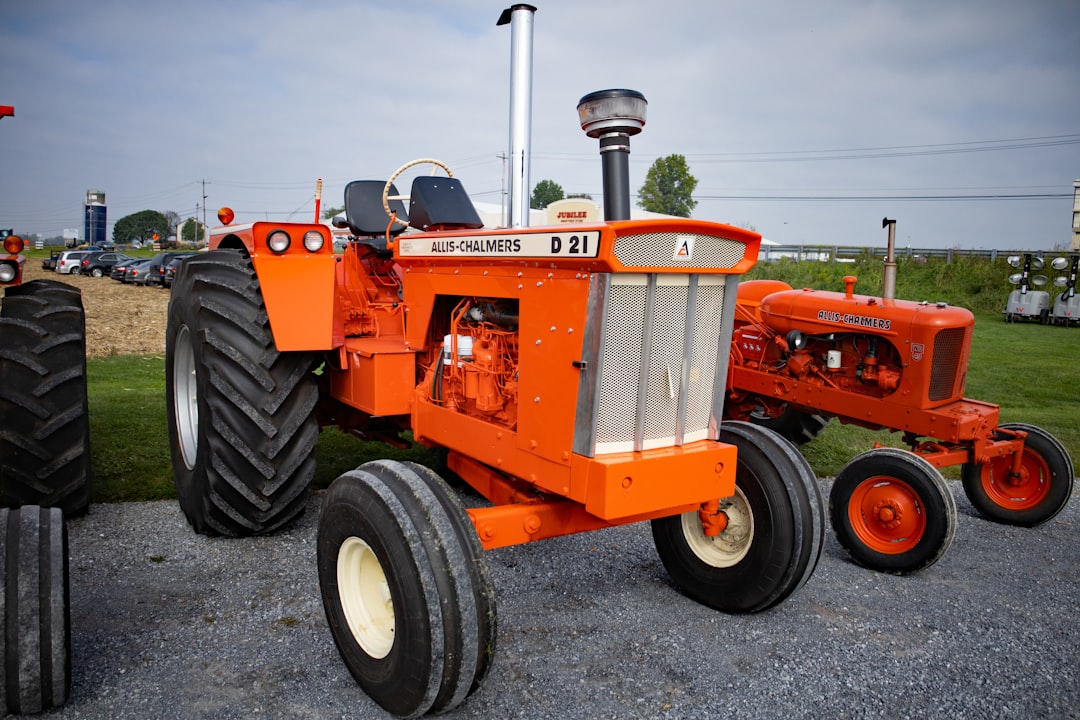
Quality construction equipment is paramount for several reasons, chief among them being safety, efficiency, and durability. When builders utilize high-quality machinery, they significantly reduce the risk of accidents on job sites. For instance, well-manufactured cranes and hoists are designed with safety features that prevent malfunctions, thereby protecting workers from potential hazards.
Conversely, subpar equipment can lead to catastrophic failures, resulting in injuries or even fatalities. The importance of investing in quality machinery cannot be overstated; it is a fundamental aspect of maintaining a safe working environment. Moreover, the efficiency of construction projects is heavily influenced by the quality of the equipment used.
High-quality machines often come equipped with advanced technology that enhances productivity. For example, modern excavators may feature GPS systems that allow for precise digging and grading, reducing the time spent on tasks and minimizing material waste. This efficiency translates into cost savings for contractors, enabling them to complete projects on time and within budget.
In an industry where time is money, the role of quality equipment becomes even more critical.
Top Construction Equipment Manufacturers in the Industry
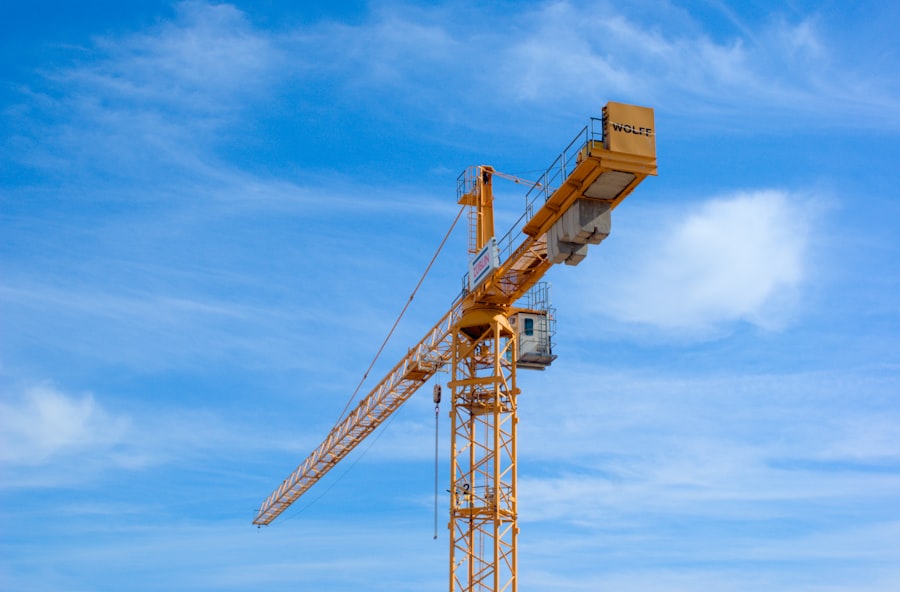
Several key players dominate the construction equipment manufacturing landscape, each known for their unique strengths and contributions to the industry. Caterpillar Inc., for instance, is one of the most recognized names globally, renowned for its extensive range of heavy machinery and commitment to innovation. Their products are synonymous with reliability and performance, making them a preferred choice for contractors worldwide.
Caterpillar’s focus on customer service and support further solidifies its position as a leader in the market. Another significant manufacturer is Komatsu Ltd., a Japanese company that has made substantial strides in the global market. Komatsu is celebrated for its advanced technology integration in machinery, such as intelligent machine control systems that enhance operational efficiency.
Their commitment to sustainability is also noteworthy; they have developed eco-friendly machines that reduce emissions while maintaining high performance levels. Other notable manufacturers include Volvo Construction Equipment, known for its emphasis on safety and operator comfort, and JCB, which has carved a niche with its innovative backhoe loaders and telehandlers.
Innovations and Advancements in Construction Equipment
| Innovation | Description | Key Benefits | Example Equipment | Impact on Construction |
|---|---|---|---|---|
| Autonomous Machinery | Self-operating construction equipment using AI and sensors | Increased safety, reduced labor costs, higher precision | Autonomous bulldozers, excavators | Improves efficiency and reduces human error |
| Electric and Hybrid Equipment | Use of electric motors or hybrid systems to power machinery | Lower emissions, reduced fuel consumption, quieter operation | Electric cranes, hybrid loaders | Supports sustainable construction practices |
| Telematics and IoT Integration | Real-time data monitoring and remote control of equipment | Enhanced maintenance, improved asset management, reduced downtime | Smart excavators, connected cranes | Optimizes equipment usage and lifecycle management |
| 3D Printing Equipment | Machines capable of printing building components on-site | Faster construction, reduced material waste, design flexibility | Concrete 3D printers | Revolutionizes building methods and reduces costs |
| Advanced Materials Handling | Innovations in lifting and transporting materials safely and efficiently | Improved safety, faster material movement, reduced labor | Robotic arms, automated cranes | Enhances site productivity and worker safety |
The construction equipment industry is undergoing a transformative phase driven by technological advancements. One of the most significant innovations is the integration of automation and robotics into machinery. Autonomous vehicles are becoming increasingly prevalent on job sites, allowing for tasks such as grading and excavation to be performed with minimal human intervention.
This not only enhances efficiency but also addresses labor shortages by reducing the reliance on skilled operators. Additionally, advancements in telematics have revolutionized how construction equipment is monitored and managed. Telematics systems provide real-time data on machine performance, fuel consumption, and maintenance needs.
This information allows contractors to optimize their operations by identifying inefficiencies and scheduling maintenance proactively. For example, companies can track equipment usage patterns to determine when machines are underutilized or overworked, enabling better fleet management decisions.
Sustainable Practices in Construction Equipment Manufacturing
As environmental concerns continue to rise globally, construction equipment manufacturers are increasingly adopting sustainable practices in their operations. This shift is not only driven by regulatory requirements but also by a growing demand from consumers for eco-friendly solutions. Many manufacturers are investing in research to develop machines that operate on alternative fuels or hybrid technologies, significantly reducing their carbon footprint.
For instance, some companies have introduced electric-powered construction equipment that eliminates emissions during operation. These machines are particularly beneficial in urban areas where air quality is a concern. Additionally, manufacturers are focusing on sustainable materials in their production processes, utilizing recycled components wherever possible.
This commitment to sustainability not only helps protect the environment but also appeals to clients who prioritize green building practices in their projects.
The Future of Construction Equipment: Trends and Forecasts
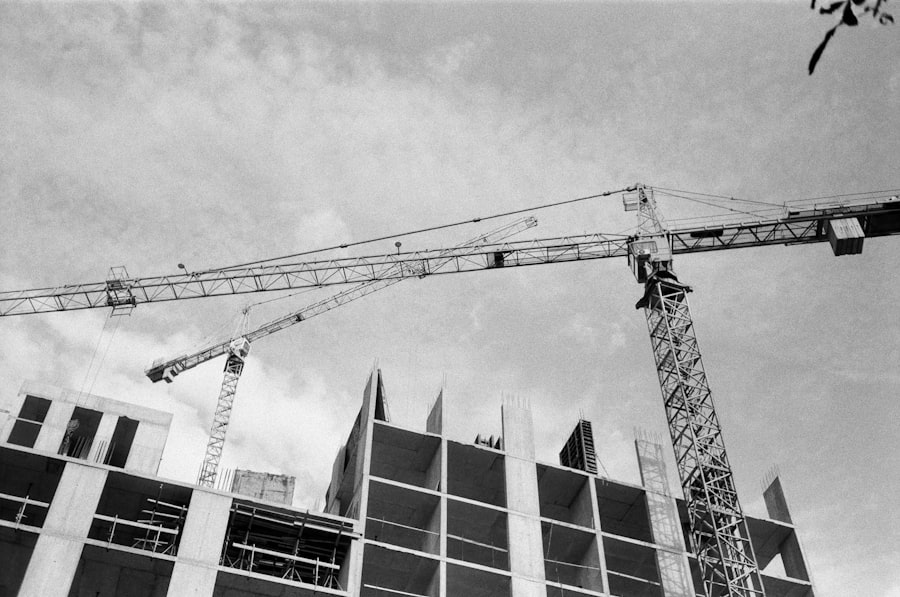
Looking ahead, several trends are poised to shape the future of construction equipment manufacturing. One prominent trend is the continued push towards automation and smart technology integration. As artificial intelligence (AI) becomes more sophisticated, we can expect to see machines equipped with AI capabilities that can learn from their environments and make real-time decisions to enhance productivity.
Moreover, the rise of digital twins—virtual replicas of physical assets—will likely play a significant role in project planning and execution. By creating digital models of construction sites and equipment, contractors can simulate various scenarios to optimize workflows before actual implementation. This technology can lead to more efficient project management and reduced costs.
Another trend is the increasing emphasis on safety features within construction equipment. As job site safety remains a top priority, manufacturers will continue to innovate by incorporating advanced safety technologies such as collision detection systems and enhanced visibility features into their machinery.
Choosing the Right Construction Equipment Manufacturer
Selecting the right construction equipment manufacturer is a critical decision that can significantly impact project outcomes. Several factors should be considered when making this choice. First and foremost is the manufacturer’s reputation within the industry.
Researching customer reviews and testimonials can provide valuable insights into the reliability and performance of their equipment. Additionally, evaluating the range of products offered by a manufacturer is essential. A company that provides a comprehensive selection of machinery can better meet diverse project needs, allowing for seamless integration across different tasks.
Furthermore, assessing after-sales support services is crucial; manufacturers that offer robust maintenance programs and readily available spare parts can help minimize downtime during projects. Price is another important consideration; however, it should not be the sole determining factor. While it may be tempting to opt for lower-cost options, investing in high-quality equipment from reputable manufacturers often pays off in terms of longevity and performance.
Investing in the Future with Top Construction Equipment Manufacturers
In an ever-evolving construction landscape, partnering with top construction equipment manufacturers is an investment in future success. These companies not only provide essential machinery but also drive innovation and sustainability within the industry. As technology continues to advance and environmental considerations become more pressing, choosing a manufacturer that prioritizes quality, safety, and eco-friendliness will be crucial for contractors looking to thrive in a competitive market.
The relationship between construction firms and equipment manufacturers will only grow more intertwined as both sectors adapt to new challenges and opportunities. By aligning with reputable manufacturers who share a vision for progress and sustainability, contractors can ensure they are well-equipped to tackle future projects efficiently while contributing positively to the environment.