
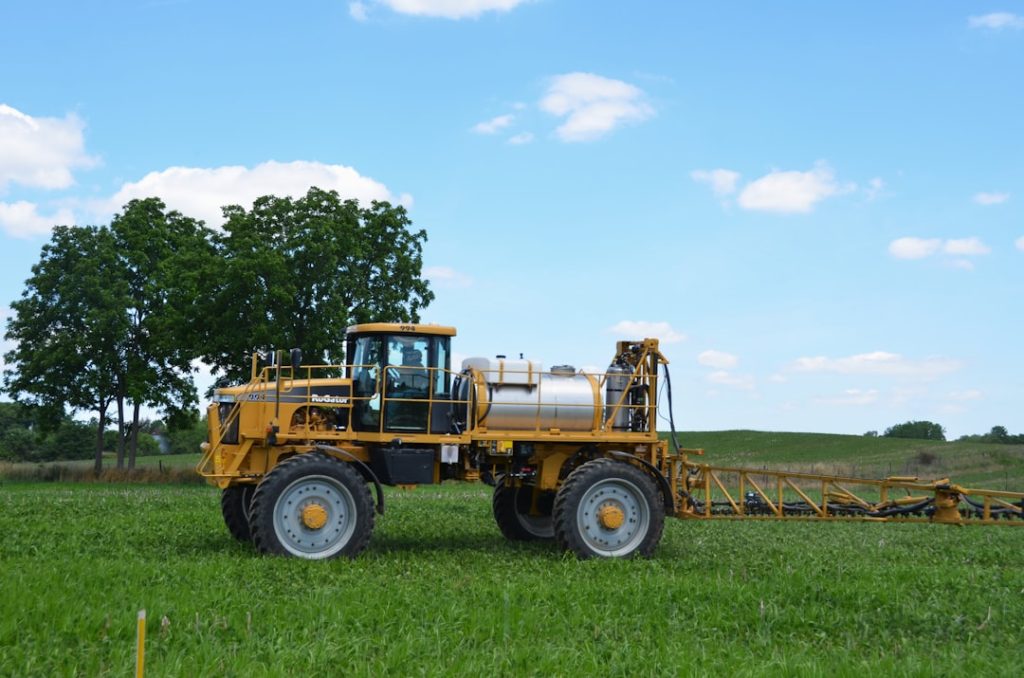
Agricultural machinery manufacturers play a pivotal role in the modern agricultural landscape, providing the tools and equipment necessary for efficient farming practices. These manufacturers design, produce, and distribute a wide range of machinery, from tractors and plows to advanced harvesting equipment and precision farming tools. The evolution of agricultural machinery has been closely tied to advancements in technology, which have transformed traditional farming methods into more efficient and productive systems.
As the global population continues to grow, the demand for food increases, necessitating innovations in agricultural practices that can only be met through the development of sophisticated machinery. The significance of agricultural machinery manufacturers extends beyond mere production; they are integral to the entire agricultural supply chain. By collaborating with farmers, agronomists, and researchers, these manufacturers can tailor their products to meet the specific needs of various farming operations.

This collaboration fosters a cycle of innovation that not only enhances productivity but also addresses pressing issues such as sustainability and environmental impact. As we delve deeper into the world of agricultural machinery, it becomes evident that these manufacturers are not just suppliers; they are key players in shaping the future of agriculture.
Key Takeaways
- Agricultural machinery manufacturers play a crucial role in developing technology that supports modern farming practices.
- Advanced machinery improves farming efficiency, sustainability, and productivity worldwide.
- Leading manufacturers contribute innovative solutions that address challenges in agriculture.
- The adoption of new technologies in machinery significantly impacts global food production.
- Future trends focus on smart, automated, and eco-friendly agricultural equipment to meet evolving farming needs.
The Role of Agricultural Machinery in Modern Farming
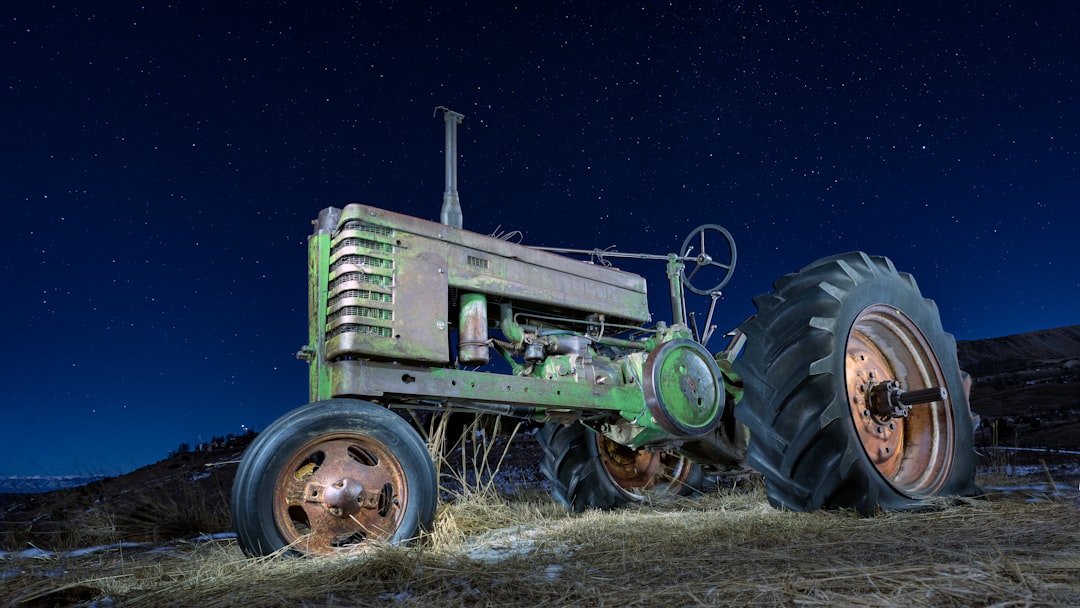
In contemporary agriculture, machinery serves as the backbone of farming operations, enabling farmers to cultivate larger areas of land with greater efficiency than ever before. The introduction of tractors revolutionized farming by mechanizing tasks that were once labor-intensive and time-consuming. Today’s tractors are equipped with advanced technology, including GPS systems and automated steering, allowing for precision farming that minimizes waste and maximizes yield.
This shift towards mechanization has not only increased productivity but has also reduced the physical strain on farmers, allowing them to focus on strategic decision-making rather than manual labor. Moreover, agricultural machinery plays a crucial role in various stages of crop production. For instance, seeders and planters are designed to ensure optimal seed placement and depth, which is essential for healthy crop development.
Harvesters have evolved to efficiently gather crops while minimizing damage, ensuring that farmers can maximize their harvests. Additionally, machinery such as sprayers and spreaders allows for precise application of fertilizers and pesticides, which is vital for maintaining crop health while reducing environmental impact. The integration of technology into these machines has transformed farming into a data-driven industry where decisions can be made based on real-time information.
Top Agricultural Machinery Manufacturers and Their Contributions to Farming Technology
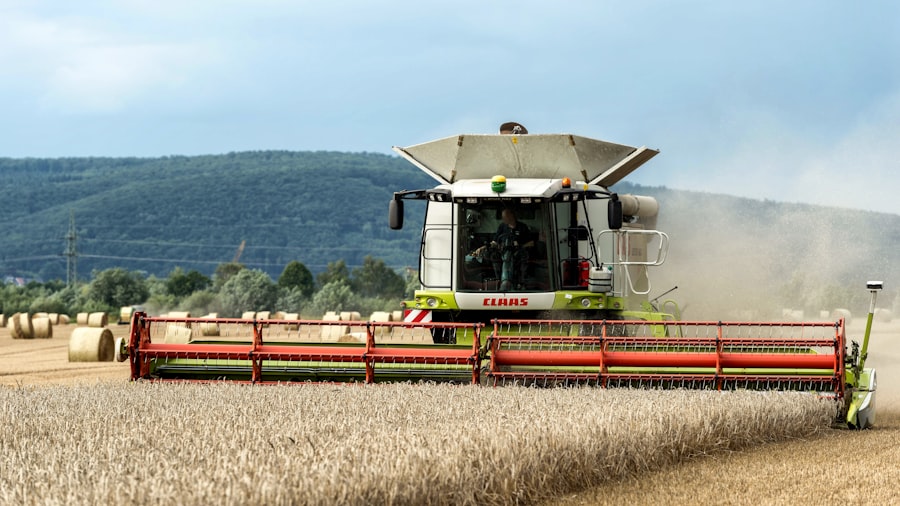
Several key players dominate the agricultural machinery manufacturing sector, each contributing uniquely to the advancement of farming technology. Companies like John Deere, Case IH, and AGCO have established themselves as leaders by consistently innovating their product lines to meet the evolving needs of farmers. John Deere, for example, has been at the forefront of precision agriculture with its suite of technologies that include advanced telematics systems and autonomous machinery.
Their commitment to research and development has led to significant improvements in efficiency and productivity for farmers worldwide. Another notable manufacturer is CNH Industrial, which encompasses brands like Case IH and New Holland. These brands have made significant strides in developing machinery that not only enhances productivity but also focuses on sustainability.
For instance, New Holland’s Clean Energy Leader initiative aims to reduce the carbon footprint of agricultural operations through the development of alternative fuel technologies and energy-efficient machinery. This commitment to sustainability reflects a growing trend among manufacturers to address environmental concerns while still meeting the demands of food production.
Innovations in Agricultural Machinery: Improving Efficiency and Sustainability
| Innovation | Efficiency Improvement | Sustainability Impact | Example Metric | Notes |
|---|---|---|---|---|
| Autonomous Tractors | Up to 30% reduction in labor costs | Reduced fuel consumption by 15% | Operational hours increased by 20% | Enables 24/7 field operations with precision |
| Precision Agriculture Sensors | Yield increase of 10-15% | Water usage reduced by 25% | Soil nutrient monitoring accuracy ±5% | Optimizes input application, reducing waste |
| Electric-Powered Machinery | Energy efficiency improved by 40% | Zero direct emissions | Battery life: 8 hours per charge | Reduces reliance on fossil fuels |
| Drone Crop Monitoring | Scouting time reduced by 70% | Early pest detection reduces pesticide use by 20% | Coverage: 100 acres per flight | Enables timely interventions and data collection |
| Variable Rate Technology (VRT) | Input cost savings up to 20% | Minimizes over-application of fertilizers and pesticides | Application accuracy ±10% | Adjusts inputs based on field variability |
The agricultural sector is witnessing a wave of innovations aimed at improving both efficiency and sustainability through advanced machinery. One significant development is the rise of precision agriculture technologies, which utilize data analytics, GPS mapping, and IoT devices to optimize farming practices. For example, variable rate technology (VRT) allows farmers to apply inputs such as fertilizers and pesticides at varying rates across their fields based on specific crop needs.
This targeted approach not only enhances crop yields but also minimizes waste and reduces environmental impact. Additionally, advancements in automation are transforming the landscape of agricultural machinery. Autonomous tractors and robotic harvesters are becoming increasingly common, allowing for continuous operation without the need for human intervention.
These machines can work around the clock, significantly increasing productivity while reducing labor costs. Furthermore, innovations in drone technology are enabling farmers to monitor crop health from above, providing valuable insights that can inform management decisions. By integrating these technologies into their operations, farmers can achieve higher levels of efficiency while promoting sustainable practices.
The Impact of Agricultural Machinery on Global Food Production
The impact of agricultural machinery on global food production cannot be overstated. As the world’s population continues to rise, reaching an estimated 9.7 billion by 2050 according to the United Nations, the demand for food is projected to increase by 70%. To meet this challenge, agricultural machinery has become essential in enhancing productivity and ensuring food security.
Mechanization allows farmers to cultivate larger areas of land more efficiently, leading to increased crop yields that are crucial for feeding a growing population. Moreover, agricultural machinery contributes to food production by enabling farmers to adopt more sustainable practices. With the ability to apply inputs precisely and monitor crop health effectively, farmers can reduce their reliance on chemical fertilizers and pesticides while still achieving high yields.
This shift towards sustainable agriculture is vital not only for meeting food demands but also for preserving natural resources and protecting ecosystems. The role of agricultural machinery in facilitating this transition is critical as it empowers farmers to implement practices that are both economically viable and environmentally responsible.
Challenges and Opportunities for Agricultural Machinery Manufacturers
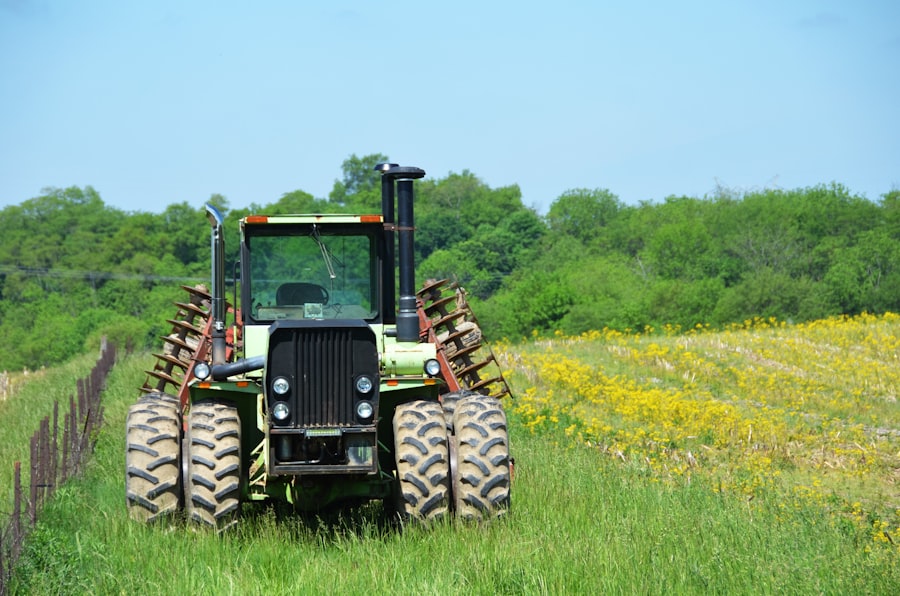
Despite the significant advancements in agricultural machinery technology, manufacturers face a range of challenges that could impact their operations and growth prospects. One major challenge is the increasing pressure to develop sustainable solutions amid growing environmental concerns. As regulations around emissions and resource usage become more stringent, manufacturers must invest in research and development to create machines that comply with these standards while still delivering high performance.
Additionally, fluctuations in global commodity prices can affect farmers’ purchasing power, leading to uncertainty in machinery sales. Economic downturns or trade disputes can further complicate this landscape, making it essential for manufacturers to diversify their product offerings and explore new markets. However, these challenges also present opportunities for innovation.
By focusing on developing energy-efficient machines or exploring alternative fuel sources, manufacturers can position themselves as leaders in sustainability while meeting the evolving needs of farmers.
Future Trends in Agricultural Machinery Technology
Looking ahead, several trends are poised to shape the future of agricultural machinery technology. One prominent trend is the continued integration of artificial intelligence (AI) and machine learning into farming equipment. These technologies can analyze vast amounts of data collected from various sources—such as soil sensors and weather forecasts—to provide actionable insights that enhance decision-making processes on farms.
For instance, AI-driven systems can predict optimal planting times or recommend specific crop varieties based on environmental conditions. Another trend is the increasing adoption of smart farming practices facilitated by advancements in connectivity technologies such as 5G. Enhanced connectivity will enable real-time data sharing between machines and farm management systems, allowing for more coordinated operations and improved resource management.
Furthermore, as consumer demand for transparency in food production grows, manufacturers may develop machinery equipped with traceability features that allow farmers to track their products from field to table. This trend towards transparency will not only enhance consumer trust but also promote accountability within the agricultural supply chain.
The Importance of Agricultural Machinery Manufacturers in Advancing Farming Practices
Agricultural machinery manufacturers are essential players in advancing modern farming practices through their innovative technologies and solutions. As they continue to develop equipment that enhances efficiency and sustainability, they play a crucial role in addressing global food production challenges while promoting environmentally responsible practices. The collaboration between manufacturers and farmers fosters a cycle of innovation that drives progress within the agricultural sector.
As we look towards the future, it is clear that agricultural machinery will remain at the forefront of efforts to meet the demands of a growing population while safeguarding our planet’s resources. The ongoing evolution of technology within this field will undoubtedly lead to new opportunities for both manufacturers and farmers alike, ensuring that agriculture remains a vital component of our global economy and society as a whole.