

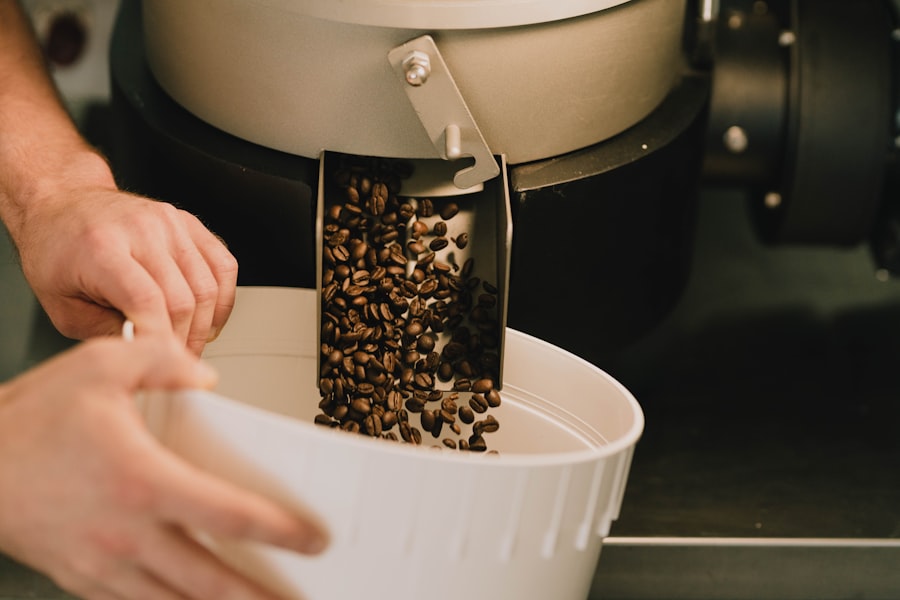
Commercial coffee roasters come in various types, each designed to meet specific needs and preferences of coffee businesses. The most common types include drum roasters, air roasters, and hybrid roasters. Drum roasters are perhaps the most traditional and widely used in the industry.
They consist of a rotating drum that holds the coffee beans, which are heated by gas flames or electric elements. The design allows for even heat distribution, resulting in a consistent roast profile. Drum roasters are favored for their ability to produce rich, complex flavors, making them ideal for specialty coffee shops and larger roasting operations.
Air roasters, on the other hand, utilize a different mechanism. They employ hot air to circulate around the beans, which allows for a quicker roasting process. This method is often associated with lighter roasts, as it can preserve the beans’ natural flavors and acidity.
Air roasters are typically smaller and more compact than drum roasters, making them suitable for smaller cafes or businesses just starting in the coffee roasting industry. Hybrid roasters combine elements of both drum and air roasting, offering versatility in roasting profiles and allowing roasters to experiment with different techniques to achieve desired flavor outcomes.
Key Takeaways
- Different types of commercial coffee roasters offer varied roasting methods suited for specific business needs.
- Key factors in choosing a roaster include capacity, energy source, and desired roast profiles.
- Gas roasters provide faster heating, while electric roasters offer precise temperature control.
- Consistent roasting results depend heavily on well-maintained equipment and carefully developed roasting profiles.
- Emerging technologies are driving innovation in commercial coffee roasting, enhancing efficiency and quality.
Factors to Consider When Choosing a Commercial Coffee Roaster
When selecting a commercial coffee roaster, several critical factors must be taken into account to ensure that the equipment aligns with the business’s goals and operational needs. One of the foremost considerations is the roasting capacity. Businesses must assess their production requirements based on expected sales volume and customer demand.
A roaster with insufficient capacity may lead to supply shortages, while an oversized machine can result in wasted energy and resources. Understanding the balance between demand and capacity is essential for efficient operations. Another significant factor is the type of fuel source used by the roaster.
Gas-powered roasters are known for their ability to reach high temperatures quickly and provide precise control over the roasting process. However, they may require additional ventilation systems and safety measures due to the combustion involved. Electric roasters, while often easier to install and maintain, may not achieve the same high temperatures as gas models, potentially affecting roasting times and flavor profiles.
Evaluating the pros and cons of each fuel type in relation to the business’s specific needs is crucial for making an informed decision.
Comparing Gas vs Electric Commercial Coffee Roasters
The debate between gas and electric commercial coffee roasters is ongoing, with each option presenting unique advantages and disadvantages that can significantly impact a coffee roasting business. Gas roasters are often preferred by seasoned professionals due to their rapid heating capabilities and precise temperature control. The ability to adjust flame intensity allows for greater flexibility in developing roasting profiles, which can be particularly beneficial when working with diverse bean varieties.
Additionally, gas roasters tend to have a faster recovery time after adding new batches of beans, enabling a more efficient workflow. Conversely, electric commercial coffee roasters offer their own set of benefits that appeal to certain businesses. They are generally easier to operate and maintain, requiring less specialized knowledge compared to gas models.
Electric roasters also tend to have a smaller footprint, making them ideal for cafes with limited space. Furthermore, they often come equipped with advanced digital controls that allow for precise monitoring of temperature and time, which can enhance consistency in roasting results. However, electric models may struggle with achieving the same depth of flavor as gas roasters, particularly when it comes to darker roast profiles.
The Importance of Roasting Profiles in Commercial Coffee Roasters
| Roasting Profile | Temperature Range (°C) | Roast Duration (minutes) | Flavor Characteristics | Common Coffee Types | Impact on Commercial Roasting |
|---|---|---|---|---|---|
| Light Roast | 180 – 205 | 8 – 12 | Bright acidity, floral, fruity notes | Single-origin, specialty coffees | Highlights origin flavors, higher caffeine retention |
| Medium Roast | 210 – 220 | 12 – 15 | Balanced acidity and body, caramel sweetness | Blends, everyday coffee | Popular for broad appeal, balanced flavor profile |
| Medium-Dark Roast | 225 – 235 | 15 – 18 | Chocolatey, spicy, fuller body | Espresso blends, robust blends | Enhances body and richness, reduces acidity |
| Dark Roast | 240 – 250+ | 18 – 22 | Bitter, smoky, heavy body | French roast, Italian roast | Strong flavor, masks defects, lower acidity |
Roasting profiles play a pivotal role in determining the flavor characteristics of coffee beans. A roasting profile refers to the specific parameters—such as temperature, time, and airflow—used during the roasting process. Each coffee bean variety has its unique attributes that can be highlighted or muted depending on how it is roasted.
For instance, lighter roasts tend to emphasize acidity and fruity notes, while darker roasts can bring out chocolatey or smoky flavors. Understanding how to manipulate these variables is essential for any commercial coffee roaster aiming to create distinct and appealing products. Developing a consistent roasting profile requires both art and science.
Roasters often rely on sensory evaluation—tasting samples at various stages of the roast—to fine-tune their profiles. This process involves meticulous record-keeping to ensure that each batch meets quality standards. Many modern commercial coffee roasters come equipped with software that allows operators to log data during each roast, making it easier to replicate successful profiles in future batches.
This technological integration not only streamlines operations but also enhances the overall quality of the final product.
Maintenance and Cleaning Tips for Commercial Coffee Roasters
Proper maintenance and cleaning of commercial coffee roasters are essential for ensuring longevity and optimal performance. Regular cleaning helps prevent the buildup of oils and residues that can affect flavor quality and lead to mechanical issues over time. One of the most critical components to clean is the chaff collector, which captures the outer skin of coffee beans that separates during roasting.
Neglecting this part can lead to clogs and reduced airflow, ultimately impacting roasting efficiency. In addition to routine cleaning tasks, operators should also conduct regular inspections of key components such as heating elements, fans, and electrical connections. Any signs of wear or damage should be addressed promptly to avoid costly repairs or downtime.
Many manufacturers provide detailed maintenance schedules and guidelines tailored to their specific models, which can serve as valuable resources for operators looking to maintain their equipment effectively. Implementing a proactive maintenance plan not only extends the life of the roaster but also ensures that it consistently produces high-quality coffee.
Tips for Consistent Roasting Results in Commercial Coffee Roasters
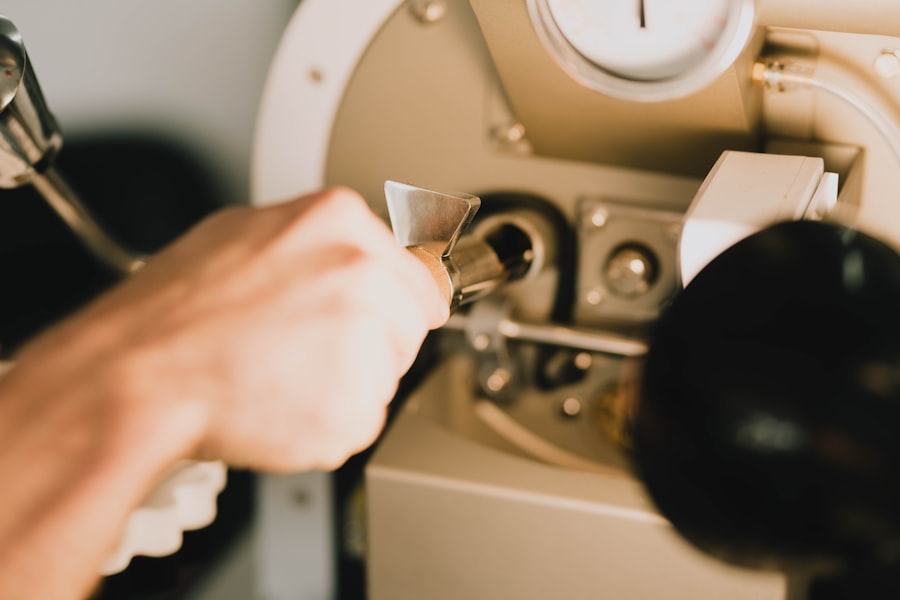
Achieving consistent roasting results is a primary goal for any commercial coffee roaster, as it directly impacts customer satisfaction and brand reputation. One effective strategy is to establish a standardized roasting protocol that outlines specific parameters for each type of bean being roasted. This protocol should include details such as initial charge temperature, roast duration, and cooling methods.
By adhering to these guidelines, operators can minimize variability between batches and ensure that each roast meets established flavor profiles. Another important aspect of consistency is monitoring environmental factors that can influence roasting outcomes. Variables such as humidity, ambient temperature, and even altitude can affect how beans roast.
For instance, higher humidity levels may require adjustments in roasting times or temperatures to achieve desired results. Keeping detailed records of these environmental conditions alongside roast data can help operators make informed adjustments when necessary. Additionally, investing in quality control measures—such as cupping sessions—can provide valuable feedback on roast consistency and flavor development.
How to Choose the Right Capacity for Your Commercial Coffee Roaster
Selecting the appropriate capacity for a commercial coffee roaster is crucial for aligning production capabilities with business goals. Capacity is typically measured in pounds per batch or per hour, and it should reflect both current demand and anticipated growth. For small cafes or businesses just starting out, a smaller capacity roaster may suffice initially; however, it’s essential to consider future scalability when making this decision.
Investing in a larger capacity machine from the outset may save costs in the long run if demand increases rapidly. Another factor influencing capacity choice is the type of clientele served by the business. Specialty coffee shops that focus on high-quality single-origin beans may prioritize smaller batches that allow for greater experimentation with roasting profiles.
In contrast, larger establishments or those catering to mass markets may require higher-capacity machines capable of producing consistent quality at scale. Ultimately, understanding both current needs and future aspirations will guide operators in selecting a roaster that supports their business model effectively.
The Future of Commercial Coffee Roasters: Technology and Innovation
The landscape of commercial coffee roasting is evolving rapidly due to advancements in technology and innovation. One notable trend is the integration of data analytics into roasting processes. Modern roasters are increasingly equipped with sensors that monitor various parameters during roasting—such as temperature fluctuations and airflow—allowing operators to make real-time adjustments based on data insights.
This level of precision not only enhances consistency but also enables roasters to experiment with new profiles more effectively. Moreover, sustainability has become a significant focus within the industry, prompting manufacturers to develop energy-efficient models that reduce environmental impact without compromising performance. Innovations such as heat recovery systems allow roasters to recycle energy used during roasting processes, leading to lower operational costs and reduced carbon footprints.
As consumer preferences shift towards ethically sourced products, many companies are also exploring ways to incorporate traceability into their operations through technology that tracks beans from farm to cup. This commitment not only appeals to environmentally conscious consumers but also positions businesses favorably within an increasingly competitive market landscape. In conclusion, understanding the various types of commercial coffee roasters, evaluating key factors when choosing one, comparing fuel sources, recognizing the importance of roasting profiles, maintaining equipment properly, ensuring consistent results, selecting appropriate capacity, and embracing technological advancements are all critical components for success in the coffee roasting industry.
Each aspect contributes significantly to producing high-quality coffee that meets customer expectations while fostering growth within the business.