
Stags Machinery Auctions are specialized events where heavy machinery and equipment are sold to the highest bidder. These auctions cater primarily to industries such as construction, agriculture, and manufacturing, where the need for reliable and efficient machinery is paramount. The auction format allows buyers to acquire equipment at potentially lower prices than traditional retail channels, making it an attractive option for businesses looking to expand their operational capabilities without incurring excessive costs.
Stags Auctions, in particular, have built a reputation for offering a diverse range of machinery, from excavators and bulldozers to tractors and forklifts. The auction process is not merely a transaction; it is an intricate dance of strategy, timing, and knowledge. Participants must navigate a competitive environment where understanding the value of machinery is crucial.
Each piece of equipment comes with its own history, condition, and market demand, which can significantly influence its final sale price. Stags Auctions often attract a mix of seasoned professionals and newcomers, creating a dynamic atmosphere where experience can be a significant advantage. For those unfamiliar with the auction process, it can be both exhilarating and daunting, underscoring the importance of preparation and research before participating.
Key Takeaways
- Stags machinery auctions require thorough understanding of the auction process and item specifics.
- Researching auction items beforehand helps in making informed bidding decisions.
- Setting and adhering to a budget is crucial to avoid overspending.
- Inspecting machinery prior to bidding ensures awareness of condition and potential issues.
- Effective bidding strategies and timely payment facilitate smooth collection and post-auction follow-up.
Researching the Items Up for Auction
Before attending a Stags Machinery Auction, thorough research on the items up for bid is essential. This involves not only reviewing the auction catalog but also understanding the specific machinery’s specifications, capabilities, and market value. Auction catalogs typically provide detailed descriptions, including make, model, year of manufacture, and any notable features or attachments.
However, prospective buyers should go beyond the catalog and seek additional information from industry resources, online forums, and manufacturer websites to gain a comprehensive understanding of each item. In addition to technical specifications, it is vital to assess the historical performance of similar machinery in previous auctions. This can provide insights into pricing trends and help establish a baseline for what constitutes a fair bid.
Websites that track auction results can be invaluable in this regard, offering data on past sales that can inform bidding strategies. Furthermore, engaging with industry professionals or attending pre-auction previews can provide firsthand insights into the condition and functionality of the machinery. This level of due diligence not only enhances confidence during bidding but also minimizes the risk of overpaying for equipment that may not meet operational needs.
Setting a Budget and Stick to It
Establishing a budget is a critical step in the auction process that requires careful consideration of both financial capacity and strategic goals. Buyers should begin by evaluating their overall financial situation, including available capital for investment in new machinery. This assessment should take into account not only the purchase price but also additional costs such as taxes, fees, transportation, and potential repairs or modifications needed after acquisition.
A well-defined budget helps prevent impulsive decisions driven by the competitive nature of auctions. Once a budget is established, it is crucial to adhere to it throughout the bidding process. The excitement of an auction can lead to emotional bidding wars that result in overspending.
To mitigate this risk, buyers should set a maximum bid limit based on their research and financial analysis. It can be helpful to write down this limit and keep it visible during the auction as a constant reminder of financial boundaries. Additionally, considering alternative financing options or payment plans may provide flexibility while still maintaining budgetary discipline.
Ultimately, sticking to a predetermined budget ensures that the acquisition remains a sound investment rather than an emotional decision that could jeopardize financial stability.
Inspecting the Machinery
| Inspection Parameter | Metric | Unit | Acceptable Range | Last Inspection Date | Status |
|---|---|---|---|---|---|
| Vibration Level | 3.2 | mm/s | 0 – 5 | 2024-06-10 | Normal |
| Temperature | 75 | °C | 50 – 85 | 2024-06-10 | Normal |
| Lubrication Level | 80 | % | 70 – 100 | 2024-06-10 | Good |
| Noise Level | 68 | dB | 50 – 75 | 2024-06-10 | Normal |
| Wear and Tear | Minor | N/A | None to Minor | 2024-06-10 | Acceptable |
One of the most critical aspects of participating in a Stags Machinery Auction is conducting a thorough inspection of the machinery before placing any bids. This step cannot be overstated; it is essential for assessing the condition and functionality of each item. Many auctions offer preview days where potential buyers can physically examine the equipment.
During these inspections, buyers should look for signs of wear and tear, rust, leaks, or any other indicators that may suggest underlying issues. A detailed inspection can reveal whether the machinery has been well-maintained or if it requires significant repairs. In addition to visual inspections, prospective buyers should also consider operating the machinery if possible.
This hands-on approach allows bidders to evaluate performance firsthand and identify any operational deficiencies that may not be immediately apparent through visual inspection alone. For instance, listening for unusual sounds during operation or checking hydraulic systems for responsiveness can provide valuable insights into the machine’s overall health. If operating the machinery is not feasible during the inspection period, buyers should inquire about maintenance records and service history from the auction house or previous owners.
This information can help gauge how well the equipment has been cared for over time.
Understanding the Auction Process
Understanding the auction process itself is fundamental for anyone looking to participate in Stags Machinery Auctions successfully. Auctions typically follow a structured format where items are presented in a predetermined order, and bidding occurs in real-time until a final price is established. Familiarity with this process can help bidders feel more comfortable and confident when it comes time to place their bids.
Each auction may have its own set of rules regarding registration, bidding increments, and payment terms, so reviewing these details beforehand is essential. Moreover, different types of auctions exist within this realm—live auctions conducted in person, online auctions that allow remote participation, or hybrid models combining both formats. Each type presents unique advantages and challenges; for example, live auctions may foster a more competitive atmosphere but require physical presence, while online auctions offer convenience but may lack immediate interaction with other bidders.
Understanding these nuances allows participants to choose the format that best aligns with their preferences and strategies.
Bidding Strategies
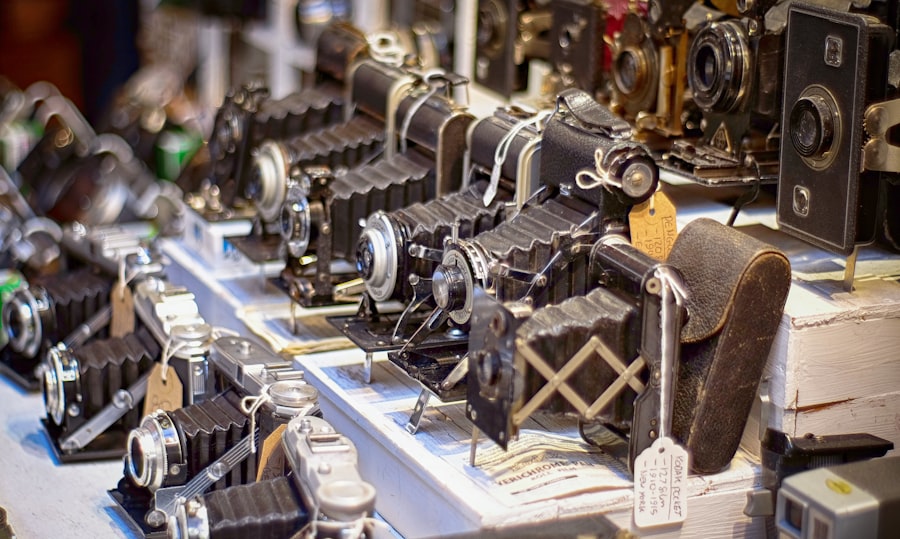
Developing effective bidding strategies is crucial for success at Stags Machinery Auctions. One common approach is to start with lower bids to gauge interest from other participants before increasing one’s offer strategically. This tactic allows bidders to remain competitive without revealing their maximum willingness to pay too early in the process.
Additionally, employing a “proxy bidding” strategy—where bidders set their maximum bid ahead of time—can help avoid emotional decision-making during live bidding scenarios. Another effective strategy involves observing competitors’ bidding patterns throughout the auction. Experienced bidders often exhibit specific behaviors that can provide insights into their strategies and limits.
For instance, if a bidder consistently raises their offer in small increments, it may indicate they are cautious about overspending. Conversely, aggressive bidding may signal confidence or desperation to secure an item at any cost. By carefully analyzing these behaviors, bidders can adjust their own strategies accordingly to maximize their chances of winning without exceeding their budget.
Payment and Collection
Once a bid has been successfully won at a Stags Machinery Auction, understanding the payment process is essential for ensuring a smooth transaction. Auction houses typically require immediate payment or a deposit following the conclusion of bidding on an item. Accepted payment methods may vary by auction house but often include cash, certified checks, or electronic transfers.
Familiarizing oneself with these requirements ahead of time can prevent delays or complications during collection. After payment has been processed, buyers must arrange for the collection of their purchased machinery. This step involves coordinating logistics such as transportation and loading equipment onto trucks or trailers.
Depending on the size and weight of the machinery, specialized transport services may be necessary to ensure safe delivery to its new location. Buyers should also consider any additional costs associated with transportation and factor these into their overall budget. Proper planning during this phase ensures that newly acquired equipment arrives safely and promptly at its intended destination.
Post-Auction Follow-Up
The post-auction phase is often overlooked but plays a vital role in maximizing the benefits of participating in Stags Machinery Auctions. After acquiring machinery, buyers should conduct a thorough review of their purchases to ensure everything aligns with expectations based on pre-auction research and inspections. This includes verifying that all documentation—such as titles or warranties—has been received and is in order.
Additionally, establishing communication with the auction house can be beneficial for addressing any concerns or discrepancies that may arise after the sale. If issues are identified with the purchased machinery shortly after acquisition—such as mechanical failures or missing parts—reaching out promptly can facilitate resolution processes or warranty claims if applicable. Furthermore, maintaining relationships with auction houses can provide valuable insights into future auctions and opportunities for networking within the industry.
In conclusion, participating in Stags Machinery Auctions requires careful preparation and strategic thinking at every stage—from understanding auction dynamics to post-purchase follow-up actions. By investing time in research, setting clear budgets, inspecting items thoroughly, mastering bidding strategies, navigating payment logistics effectively, and engaging in post-auction communication, buyers can enhance their chances of making successful acquisitions that contribute positively to their operational goals.