
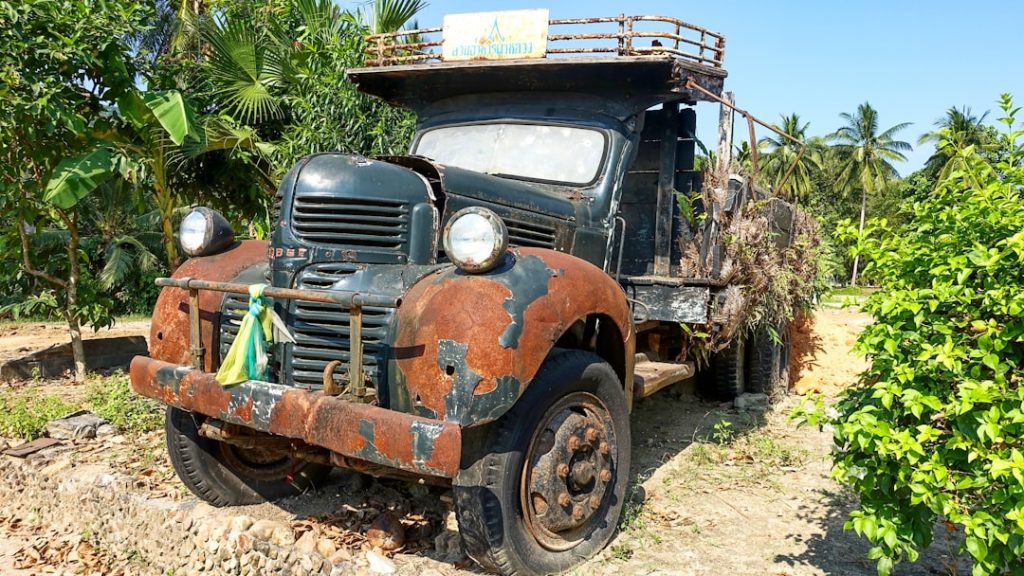
Salvage tractor auctions have emerged as a popular avenue for acquiring agricultural machinery at significantly reduced prices. These auctions typically feature tractors that have been deemed salvageable due to various reasons, such as mechanical failures, accidents, or even age-related wear and tear. The allure of these auctions lies in the potential for buyers to obtain high-quality equipment at a fraction of the cost of new or fully operational models.
Participants in these auctions range from farmers looking to expand their fleet to hobbyists interested in restoration projects. The auction process itself can vary widely, with some being conducted in person while others take place online. In-person auctions often create a lively atmosphere, where bidders can inspect the tractors firsthand and engage in spirited bidding wars.

Online auctions, on the other hand, offer convenience and accessibility, allowing bidders from different geographical locations to participate without the need for travel. Regardless of the format, understanding the nuances of salvage tractor auctions is crucial for making informed purchasing decisions. Knowledge of the auctioneer’s reputation, the terms of sale, and the specific conditions of the tractors being sold can significantly impact the outcome of a bidding experience.
Key Takeaways
- Salvage tractor auctions offer opportunities to buy damaged tractors at lower prices.
- Thorough research and inspection are crucial to assess tractor condition before bidding.
- Establish a clear budget and stick to it to avoid overspending.
- Understand the bidding process and use strategic bids to secure the best deals.
- Know the legal requirements for titles, paperwork, and transportation to ensure smooth ownership transfer.
Researching and Inspecting Salvage Tractors

Before participating in a salvage tractor auction, thorough research is essential. This involves not only familiarizing oneself with the types of tractors available but also understanding the specific models that are known for their reliability and ease of repair. Resources such as online forums, agricultural machinery websites, and manufacturer specifications can provide valuable insights into which tractors are worth considering.
Additionally, prospective buyers should look into the history of the auction house itself, including reviews and past auction results, to gauge its credibility and the quality of its offerings. Inspection is a critical step in the purchasing process. When attending an in-person auction, bidders should take the time to closely examine each tractor they are interested in.
This includes checking for visible signs of damage, rust, or wear on key components such as the engine, transmission, and hydraulic systems. It is also advisable to start the tractor if possible, listening for any unusual noises that could indicate underlying issues. For online auctions, where physical inspection is not feasible, detailed photographs and descriptions provided by the auctioneer become paramount.
Buyers should request additional images or information if necessary to ensure they have a comprehensive understanding of the tractor’s condition before placing a bid.
Setting a Budget and Knowing Your Limits
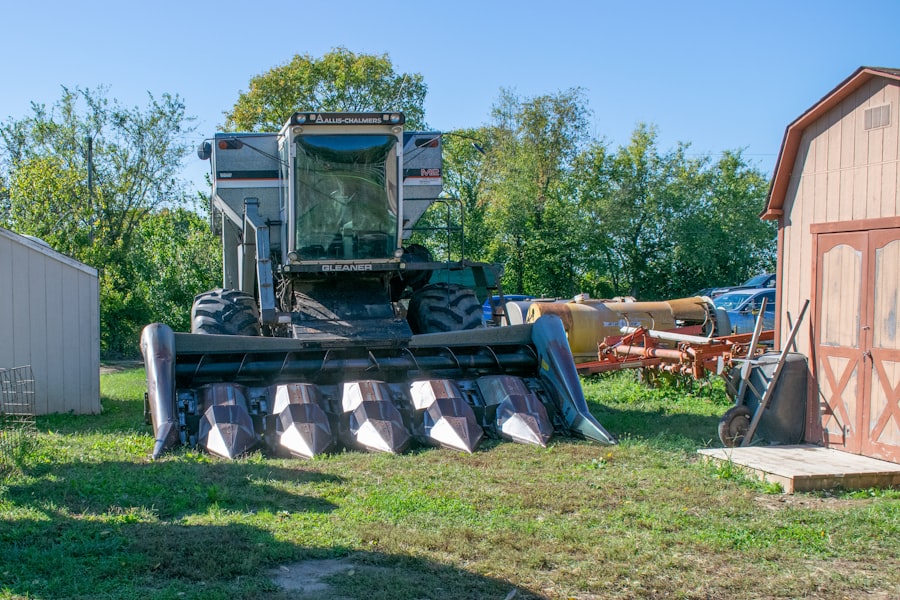
Establishing a budget is a fundamental aspect of participating in salvage tractor auctions. Buyers should begin by determining how much they are willing to spend on a tractor while considering additional costs that may arise during the purchasing process. These costs can include auction fees, transportation expenses, and potential repair costs after acquisition.
A well-defined budget helps prevent impulsive bidding and ensures that buyers remain within their financial means. Moreover, it is crucial for bidders to know their limits during the auction itself. The excitement of bidding can sometimes lead individuals to exceed their predetermined budget in the heat of the moment.
To mitigate this risk, prospective buyers should set a maximum bid amount before entering the auction and stick to it resolutely. This approach not only safeguards financial resources but also encourages more strategic bidding practices. By remaining disciplined and focused on their budgetary constraints, buyers can make more rational decisions that align with their overall goals for acquiring a salvage tractor.
Bidding Strategies at Salvage Tractor Auctions
| Strategy | Description | Success Rate (%) | Average Winning Bid | Risk Level |
|---|---|---|---|---|
| Pre-Auction Research | Thoroughly inspect and research tractor condition and market value before bidding. | 75 | 4500 | Low |
| Set Maximum Bid Limit | Establish a strict maximum bid to avoid overpaying during auction excitement. | 80 | 4300 | Low |
| Early Bidding | Place bids early to discourage competition and set a price floor. | 60 | 4700 | Medium |
| Last-Minute Bidding (Sniping) | Place bids in the final moments to prevent counterbids. | 65 | 4600 | High |
| Bid Increment Control | Use minimal bid increments to slowly increase price and test competition. | 70 | 4400 | Medium |
| Partner Bidding | Coordinate with partners to avoid bidding against each other and drive price up. | 85 | 4200 | Low |
Developing effective bidding strategies is essential for success at salvage tractor auctions. One common approach is to observe the bidding patterns of other participants before entering the fray. By watching how others bid on similar tractors, buyers can gain insights into market demand and adjust their strategies accordingly.
For instance, if a particular model is attracting significant interest, it may be wise to reconsider its value and either increase one’s bid limit or focus on less popular models. Another effective strategy is to employ a “soft bid” approach, where bidders start with a lower initial bid to gauge interest before escalating their offers. This tactic can help avoid drawing too much attention early on and allows bidders to assess how competitive the auction will be for a specific tractor.
Additionally, timing can play a crucial role; waiting until the final moments of an auction to place a bid can catch competitors off guard and potentially secure a tractor at a lower price than anticipated.
Understanding Salvage Tractor Titles and Paperwork
Navigating the paperwork associated with salvage tractors is an often-overlooked aspect of the purchasing process. Salvage titles indicate that a vehicle has been deemed a total loss by an insurance company but may still be repairable or usable for parts. Understanding the implications of a salvage title is vital for buyers; it can affect resale value, insurance options, and even registration processes in some jurisdictions.
Buyers should familiarize themselves with local regulations regarding salvage titles and ensure they have all necessary documentation before finalizing their purchase. This includes verifying that the title is clear and free from liens or other encumbrances that could complicate ownership transfer. Additionally, obtaining a bill of sale from the auction house is crucial for establishing proof of purchase.
By being diligent about paperwork and title verification, buyers can avoid potential legal issues down the line and ensure a smoother transition into ownership.
Transportation and Storage Considerations
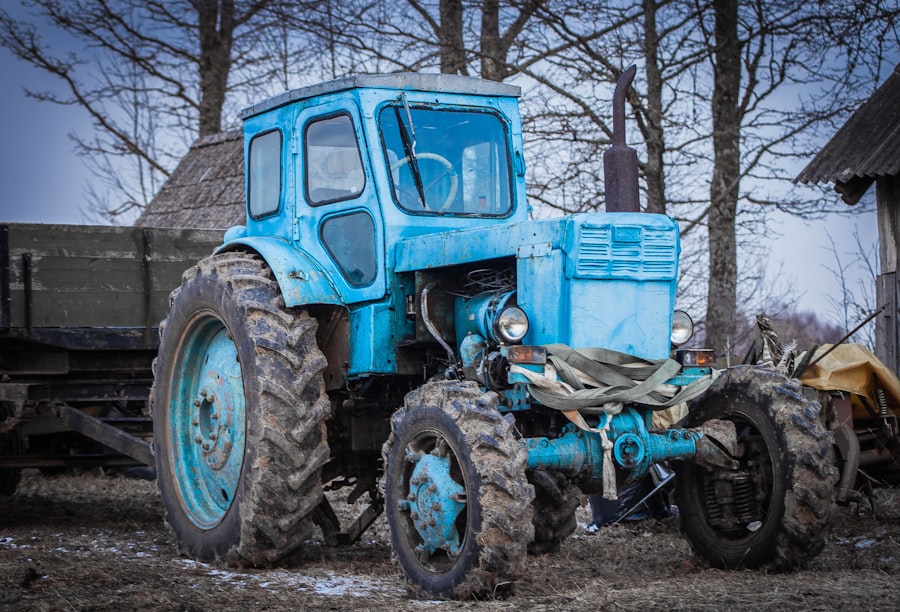
Once a salvage tractor has been successfully purchased at auction, transportation becomes a key consideration. Depending on the condition of the tractor and its location relative to the buyer’s premises, arranging for transport may require hiring specialized services equipped to handle heavy machinery. Buyers should factor in transportation costs when setting their budgets and explore options such as flatbed trucks or trailers designed for hauling agricultural equipment.
Storage is another critical aspect that should not be overlooked. Salvage tractors may require protection from the elements to prevent further deterioration while awaiting repairs or restoration efforts. Buyers should consider whether they have adequate indoor storage space or if they need to rent a facility specifically designed for machinery storage.
Proper storage conditions can significantly impact the longevity and usability of a salvage tractor, making it essential for buyers to plan ahead.
Restoring and Repairing Salvage Tractors
Restoring a salvage tractor can be an immensely rewarding endeavor for those with mechanical skills or an interest in hands-on projects. The restoration process often begins with a thorough assessment of what repairs are necessary to bring the tractor back to operational status. This may involve replacing worn-out parts, addressing mechanical issues, or even repainting the exterior for aesthetic appeal.
For those who may not possess extensive mechanical knowledge, seeking assistance from professionals or experienced friends can be invaluable. Many communities have local mechanics or restoration experts who specialize in agricultural machinery and can provide guidance or services tailored to specific needs. Additionally, online resources such as forums and instructional videos can offer step-by-step guidance on common repair tasks, empowering buyers to tackle projects independently.
Tips for Selling Salvage Tractors for Profit
For those looking to sell salvage tractors after restoration or simply as-is, understanding market demand is crucial for maximizing profit potential. Researching current trends in agricultural machinery sales can provide insights into which models are in high demand and what price points are realistic based on condition and market saturation. Effective marketing strategies also play a significant role in attracting potential buyers.
High-quality photographs showcasing the tractor’s features and condition can make a substantial difference in online listings or advertisements. Providing detailed descriptions that highlight any repairs made or unique features can further entice interested parties. Networking within local farming communities or online platforms dedicated to agricultural equipment sales can also enhance visibility and increase chances of selling at favorable prices.
In conclusion, navigating salvage tractor auctions requires careful consideration at every stage—from understanding auction dynamics to researching potential purchases and managing post-purchase logistics. By employing strategic approaches throughout this process, buyers can successfully acquire valuable equipment while minimizing risks associated with salvage titles and repairs. Whether restoring tractors for personal use or selling them for profit, informed decision-making remains paramount in achieving desired outcomes in this niche market.