
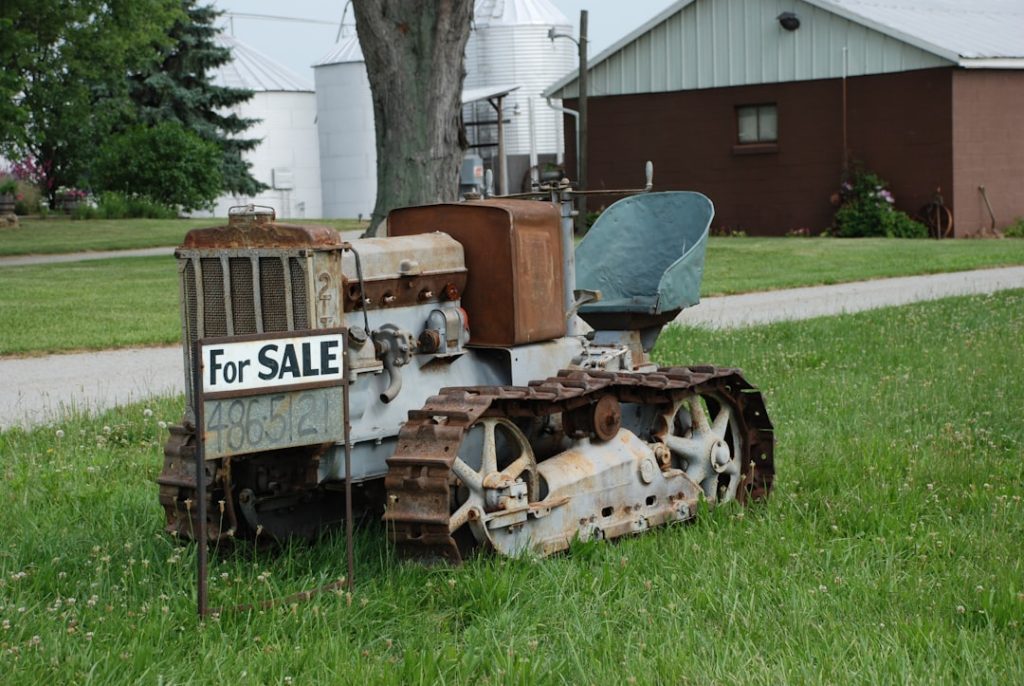
The auction process is a dynamic and often exhilarating method of buying goods, including lawn tractors. It typically involves a seller offering an item to the highest bidder, with the auctioneer facilitating the bidding process. Auctions can take various forms, such as live auctions, where participants bid in person, or online auctions, which allow for remote participation.
Understanding the nuances of this process is crucial for anyone looking to purchase a lawn tractor at auction. At a live auction, the atmosphere can be charged with excitement as bidders compete against one another in real-time. The auctioneer plays a pivotal role in this environment, calling out bids and encouraging participants to raise their offers.
In contrast, online auctions provide a different experience, where bidders can place their offers over a set period, often leading to strategic bidding as participants wait until the last moments to submit their highest bids. Familiarizing oneself with the specific format of the auction is essential, as it can significantly influence bidding strategies and outcomes.
Key Takeaways
- Learn the auction process to navigate bidding confidently.
- Research and inspect lawn tractors thoroughly before bidding.
- Set a clear budget and avoid overspending during the auction.
- Know the value of various brands and models to make informed bids.
- Use strategic bidding and negotiation tips to secure the best deal.
Researching and Inspecting Lawn Tractors
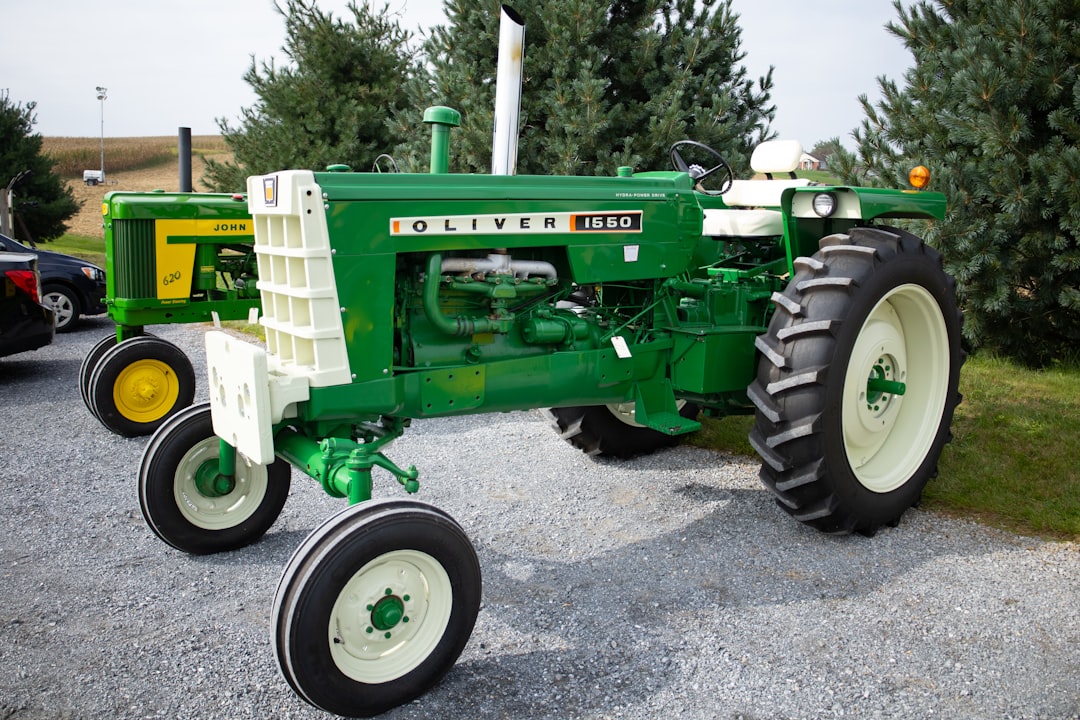
Before participating in an auction, thorough research on lawn tractors is imperative. This includes understanding the various types of lawn tractors available, their features, and their suitability for specific tasks. For instance, some models are designed for residential use with smaller yards, while others are built for commercial purposes and can handle larger areas with more demanding terrain.
Knowing the specifications and capabilities of different models will help bidders make informed decisions during the auction. Inspection is another critical aspect of preparing for an auction. If possible, prospective buyers should inspect the lawn tractors in person before bidding.
This allows them to assess the condition of the equipment firsthand. Key areas to examine include the engine, transmission, and cutting deck. Signs of wear and tear, such as rust or leaks, can indicate potential issues that may require costly repairs down the line.
Additionally, checking the hours of operation can provide insight into how much use the tractor has seen. A well-maintained tractor with lower hours may be more desirable than a heavily used one, even if both are from reputable brands.
Setting a Budget and Sticking to It
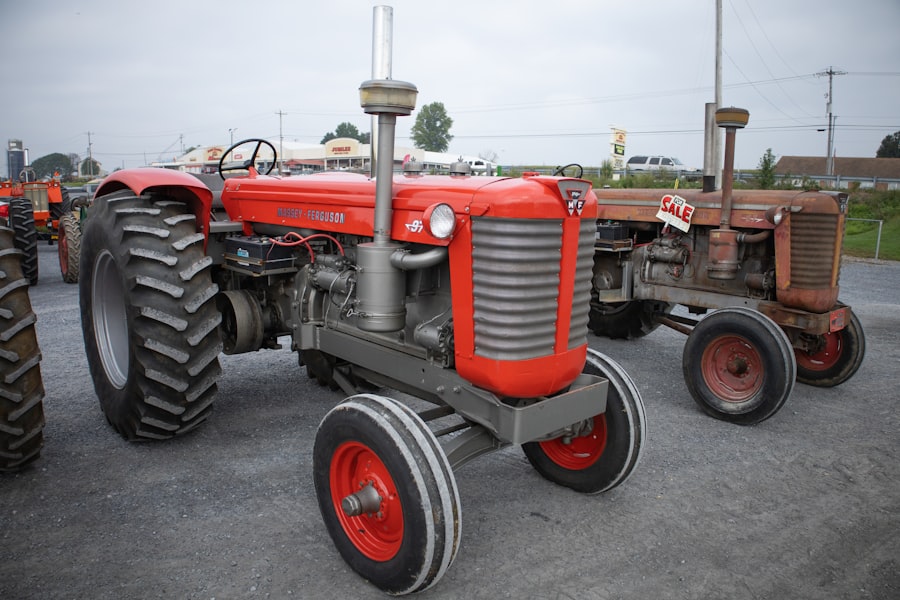
Establishing a budget is a fundamental step in the auction process that cannot be overlooked. Bidders should determine how much they are willing to spend on a lawn tractor before entering the auction arena. This budget should encompass not only the purchase price but also additional costs such as taxes, fees, and potential repairs or upgrades needed after acquisition.
By setting a clear financial limit, bidders can avoid getting swept up in the competitive atmosphere of an auction and making impulsive decisions that could lead to financial strain. Once a budget is established, it is crucial to adhere to it strictly during the bidding process. Auctions can be unpredictable, and emotions may run high as bidders vie for their desired items.
However, sticking to a predetermined budget helps maintain financial discipline and ensures that buyers do not overextend themselves. It may be beneficial to write down the budget and keep it visible during the auction as a constant reminder of financial limits.
Knowing the Value of Different Brands and Models
| Brand | Model | Average Resale Value (%) | Reliability Rating (1-10) | Customer Satisfaction (%) | Market Demand |
|---|---|---|---|---|---|
| Toyota | Camry | 65 | 9 | 88 | High |
| Honda | Civic | 60 | 8 | 85 | High |
| Ford | F-150 | 55 | 7 | 80 | Medium |
| BMW | 3 Series | 50 | 7 | 75 | Medium |
| Chevrolet | Silverado | 52 | 6 | 70 | Medium |
| Mercedes-Benz | C-Class | 48 | 7 | 78 | Medium |
| Hyundai | Elantra | 58 | 8 | 82 | High |
Understanding the value of various brands and models of lawn tractors is essential for making informed bidding decisions. Different manufacturers have varying reputations for quality, durability, and performance. For example, brands like John Deere and Cub Cadet are often regarded as industry leaders due to their long-standing history of producing reliable equipment.
Conversely, lesser-known brands may offer lower prices but could compromise on quality or service support. Researching market values for specific models can provide valuable insights into what constitutes a fair price at auction. Online resources such as industry publications, forums, and pricing guides can help bidders gauge the average selling prices for different tractors based on their age, condition, and features.
This knowledge empowers bidders to make competitive offers while avoiding overpaying for equipment that may not hold its value over time.
Tips for Bidding and Negotiating
Bidding at an auction requires a blend of strategy and confidence. One effective approach is to observe the bidding patterns of others before placing an initial bid. This observation can provide insights into how aggressively other participants are willing to bid and help gauge the competition’s seriousness about specific tractors.
Additionally, starting with a strong opening bid can signal intent and potentially deter other bidders from entering into a prolonged bidding war. Negotiation skills can also play a significant role in securing a favorable deal at auction. While traditional negotiations may not be possible in a live auction setting, bidders can still employ tactics such as waiting until late in the bidding process to place their highest bid.
This strategy can catch competitors off guard and may lead to winning the item at a lower price than anticipated. Furthermore, being prepared to walk away if bidding exceeds budget limits demonstrates confidence and can sometimes lead sellers to reconsider their asking price.
Making Sure the Tractor is in Good Working Condition
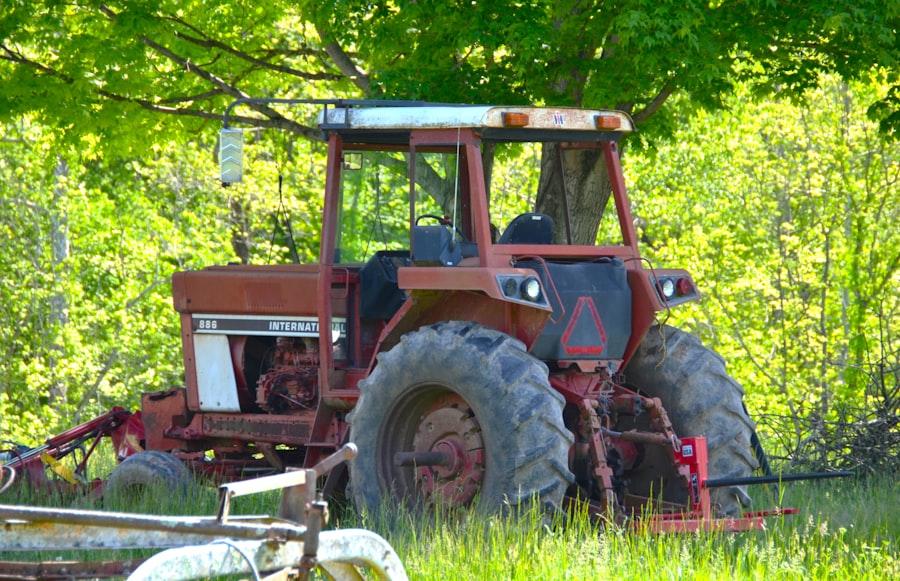
Ensuring that a lawn tractor is in good working condition is paramount before finalizing any purchase at an auction. Buyers should conduct thorough inspections of key components such as the engine, transmission, tires, and cutting deck functionality. A well-maintained tractor will not only perform better but will also require fewer repairs over time, ultimately saving money in maintenance costs.
If possible, prospective buyers should request to start the engine during inspection to listen for any unusual noises or signs of mechanical issues. Additionally, checking fluid levels—such as oil and coolant—can provide insights into how well the tractor has been maintained. A tractor that has been regularly serviced will typically show cleaner fluids and less wear on components compared to one that has been neglected.
Understanding the Terms and Conditions of the Auction
Before participating in any auction, it is crucial to thoroughly understand the terms and conditions set forth by the auction house or platform. These terms outline important details such as payment methods accepted, buyer’s premiums (additional fees charged on top of the winning bid), and any warranties or guarantees associated with the items being sold. Familiarizing oneself with these conditions helps prevent misunderstandings that could lead to disputes after winning an item.
Additionally, understanding the auction’s policies regarding returns or refunds is essential. Some auctions may have strict no-return policies once an item has been sold, while others might offer limited guarantees based on specific conditions. Knowing these details ahead of time allows bidders to make informed decisions about their purchases and ensures they are comfortable with the risks involved.
Taking Advantage of Additional Auction Benefits
Many auctions offer additional benefits that can enhance the buying experience beyond simply acquiring a lawn tractor at a competitive price. For instance, some auction houses provide financing options that allow buyers to spread out payments over time rather than paying in full upfront. This flexibility can make purchasing higher-end models more accessible for those working within tight budgets.
Moreover, auctions often feature additional services such as delivery options or post-sale support that can simplify ownership transitions for buyers. Understanding these benefits can add significant value to the overall purchasing experience and help buyers maximize their investment in a lawn tractor. Engaging with auction staff or representatives can also uncover exclusive deals or promotions that may not be widely advertised but could further enhance the buying experience.
In conclusion, navigating the auction process for purchasing lawn tractors requires careful preparation and strategic thinking. By understanding how auctions work, conducting thorough research on available models, setting firm budgets, knowing brand values, employing effective bidding strategies, ensuring equipment quality, comprehending terms and conditions, and leveraging additional benefits offered by auctions, buyers can position themselves for success in acquiring quality lawn tractors at competitive prices.