
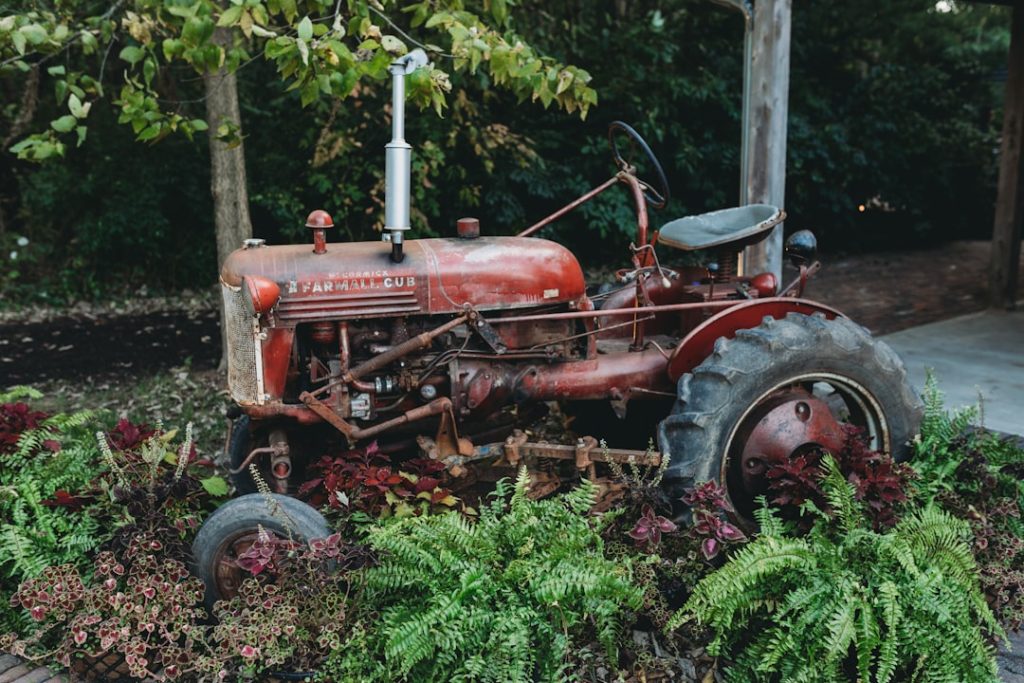
Tractor auctions are a vibrant spectacle that draws in farmers, collectors, and enthusiasts alike. The atmosphere is charged with anticipation as bidders gather, each hoping to secure a piece of machinery that could enhance their operations or serve as a valuable addition to their collection. The sound of the auctioneer’s gavel, the rapid-fire calls of bids, and the palpable tension in the air create an exhilarating environment.
For many, attending a tractor auction is not just about purchasing equipment; it’s an event that fosters community, where stories are shared, and friendships are forged over a mutual passion for agriculture and machinery. The excitement is not merely in the bidding process but also in the variety of equipment available. From vintage tractors that evoke nostalgia to the latest models equipped with cutting-edge technology, there is something for everyone.
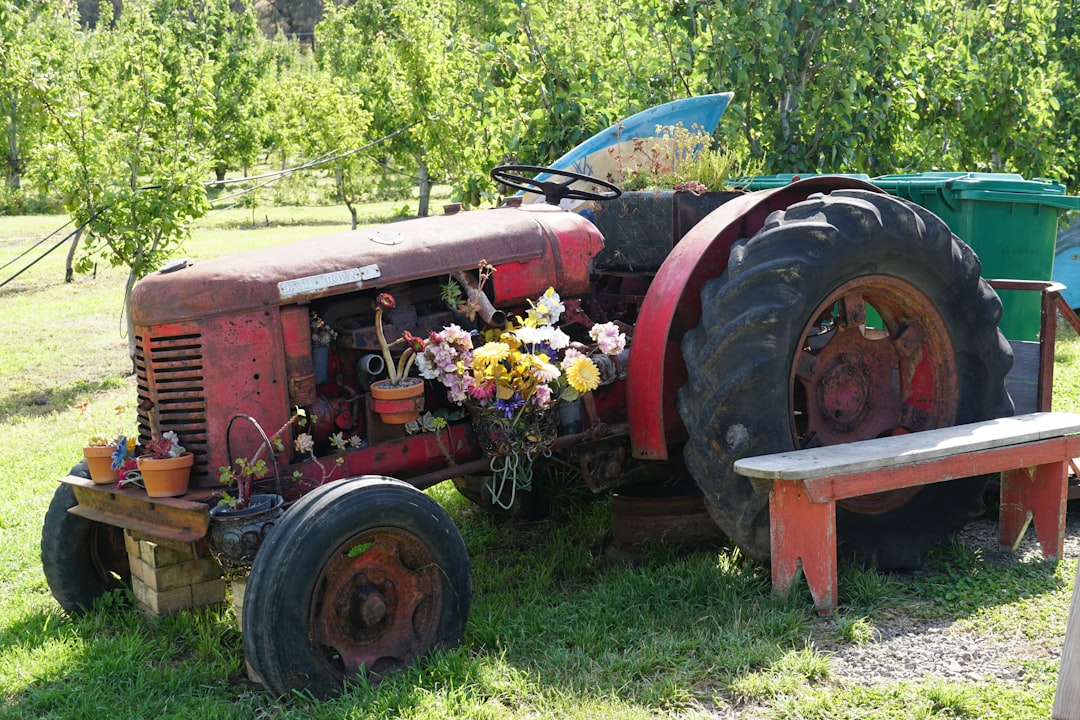
Each piece of machinery has its own history and potential, making the auction a treasure hunt of sorts. The thrill of discovering a hidden gem—a well-maintained tractor or a rare implement—adds to the allure. As bidders raise their paddles, they are not just competing for equipment; they are participating in a dynamic marketplace that celebrates the agricultural heritage and innovation.
Key Takeaways
- Tractor auctions offer an exciting opportunity to purchase farm equipment at competitive prices.
- Buyers can find quality used tractors and machinery that fit their budget.
- Proper preparation and inspection are crucial for successful bidding and purchase.
- Understanding the true value of used equipment helps in making informed decisions.
- Attending auctions with clear strategies maximizes the overall buying experience.
Finding Quality Farm Equipment at Affordable Prices
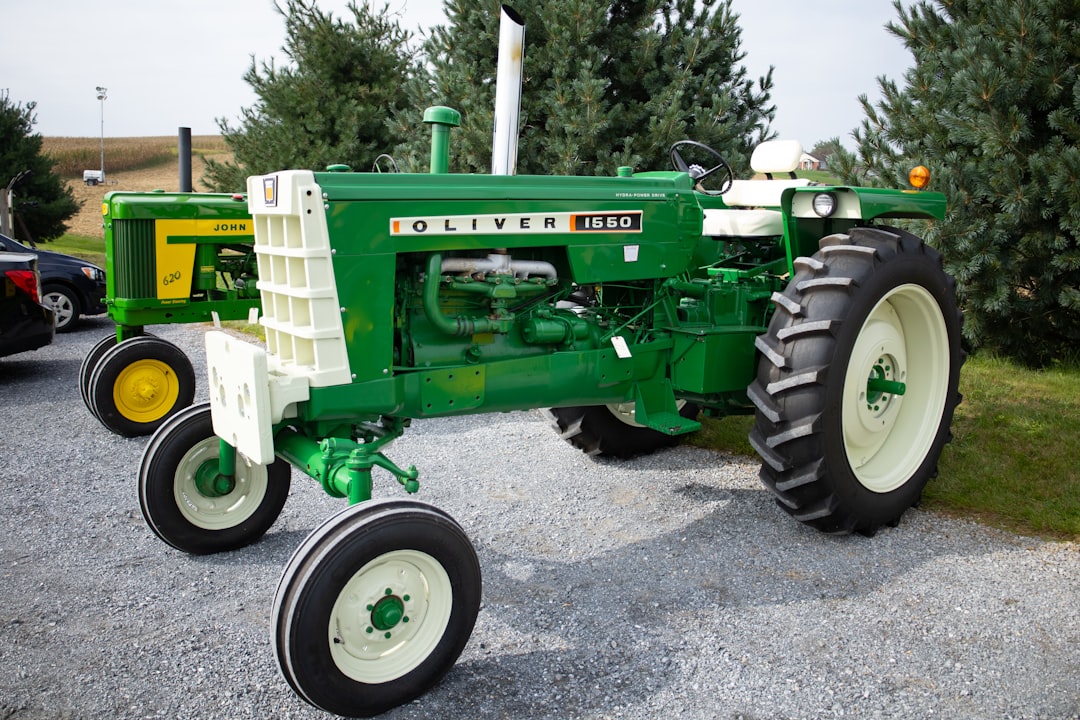
One of the primary reasons individuals attend tractor auctions is the opportunity to find quality farm equipment at prices that are often significantly lower than retail. Auctions can be a goldmine for savvy buyers who understand the market and are willing to do their homework. Unlike traditional dealerships, where prices can be inflated due to overhead costs, auctions often feature equipment that has been consigned by farmers looking to upgrade or downsize.
This means that bidders can find well-maintained tractors, plows, and other implements at a fraction of their original cost. Moreover, the competitive nature of auctions can drive prices down further. As bidders vie for the same piece of equipment, they may inadvertently push the price lower than what they would pay in a private sale or dealership.
This dynamic creates an environment where informed buyers can capitalize on their knowledge of equipment values and market trends. For instance, a bidder who has researched the average selling price of a specific tractor model can make informed decisions during the auction, potentially walking away with a fantastic deal.
Tips for Navigating a Tractor Auction
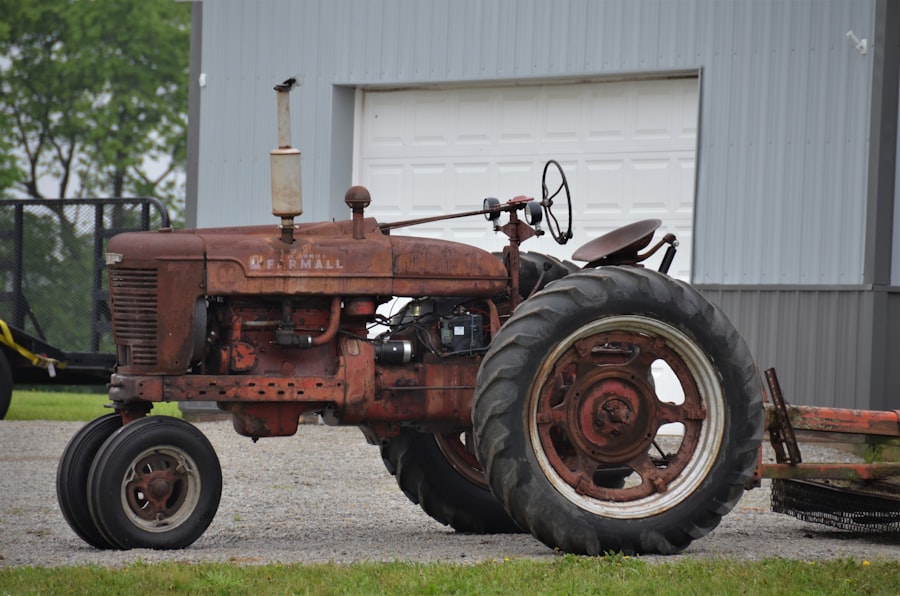
Navigating a tractor auction requires preparation and strategy. First and foremost, potential buyers should familiarize themselves with the auction process. Understanding how bidding works, including increments and reserve prices, can significantly impact one’s success.
It’s advisable to attend a few auctions as an observer before participating actively. This allows bidders to gauge the atmosphere, learn from experienced participants, and develop a sense of timing when placing bids. Another crucial tip is to set a budget before entering the auction.
It’s easy to get swept up in the excitement and bid beyond one’s means, especially when competing against enthusiastic bidders. Establishing a clear financial limit helps maintain discipline and ensures that buyers do not regret impulsive decisions later. Additionally, prospective buyers should prioritize their desired equipment ahead of time.
By creating a list of must-have items and being flexible about alternatives, bidders can focus their efforts and avoid getting sidetracked by less critical purchases.
Understanding the Value of Used Farm Equipment
| Metric | Description | Typical Range | Impact on Value |
|---|---|---|---|
| Age of Equipment | Number of years since manufacture | 1 – 20+ years | Older equipment generally has lower value |
| Hours of Use | Total operational hours logged | 100 – 10,000+ hours | Higher hours typically reduce value |
| Maintenance History | Records of repairs and servicing | Complete to none | Well-maintained equipment retains higher value |
| Brand Reputation | Manufacturer’s market standing | High, Medium, Low | Trusted brands command better resale prices |
| Model Popularity | Demand for specific models | High to low demand | Popular models have higher resale value |
| Condition | Physical and operational state | Excellent, Good, Fair, Poor | Better condition increases value |
| Technological Features | Presence of modern technology or upgrades | Basic to advanced | Advanced features can increase value |
| Market Demand | Current demand for used equipment | Low to high | High demand raises prices |
| Depreciation Rate | Annual percentage loss in value | 10% – 20% per year | Faster depreciation lowers value quickly |
Understanding the value of used farm equipment is essential for making informed purchasing decisions at an auction. Various factors influence this value, including age, condition, brand reputation, and market demand. For instance, well-known brands like John Deere or Case IH often retain higher resale values due to their reliability and performance history.
Buyers should research these brands and models beforehand to understand what constitutes fair pricing. Condition is another critical aspect to consider when evaluating used equipment. A tractor that has been meticulously maintained will command a higher price than one that shows signs of neglect or excessive wear.
Buyers should look for signs of rust, leaks, or mechanical issues during inspections. Additionally, understanding seasonal trends can provide insights into pricing; for example, certain types of equipment may be more sought after during planting or harvest seasons, affecting their market value.
The Benefits of Buying at a Tractor Auction
Purchasing at a tractor auction offers numerous benefits beyond just cost savings. One significant advantage is the opportunity to acquire unique or hard-to-find equipment that may not be available through traditional retail channels. Auctions often feature rare models or specialized implements that cater to specific agricultural needs, allowing buyers to enhance their operations with tools that are otherwise difficult to source.
Furthermore, buying at an auction fosters a sense of community among participants. Many attendees share similar interests and backgrounds in agriculture, creating an environment where knowledge and experiences can be exchanged freely. This camaraderie can lead to valuable connections and networking opportunities within the agricultural sector.
Additionally, many auctions provide access to expert advice from seasoned farmers or equipment specialists who can offer insights into the best practices for maintaining and operating various types of machinery.
What to Look for When Inspecting Farm Equipment
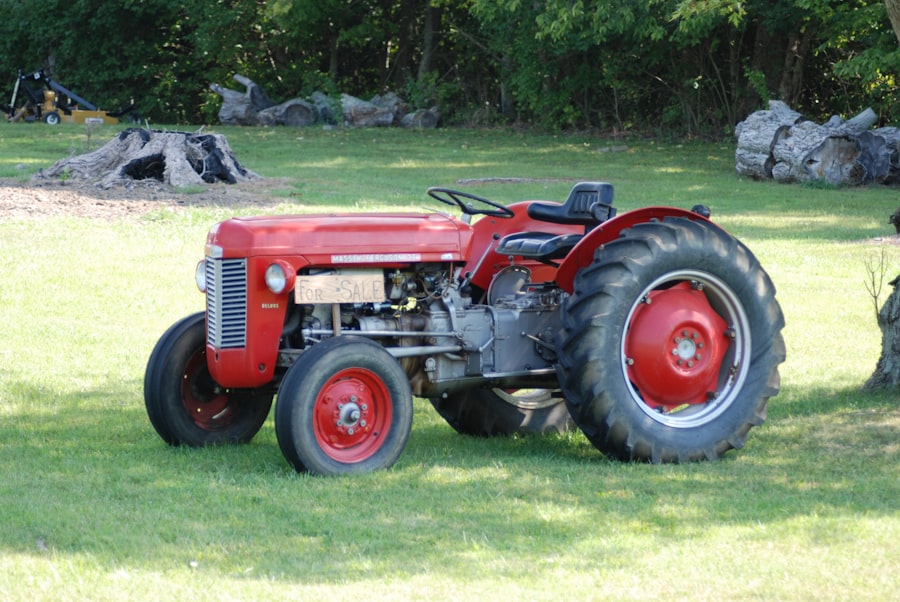
When inspecting farm equipment at an auction, buyers should adopt a systematic approach to ensure they make informed decisions. First and foremost, it’s essential to conduct a thorough visual inspection of the machinery. Look for signs of wear and tear such as rust on metal components, cracks in frames or welds, and excessive play in moving parts.
A well-maintained piece of equipment will typically show minimal signs of damage and will have been cleaned prior to the auction. In addition to visual cues, potential buyers should also consider operational tests when possible. If the auction allows it, starting up engines and testing hydraulic systems can provide valuable insights into the equipment’s functionality.
Listening for unusual noises or observing any irregularities during operation can help identify underlying issues that may not be immediately apparent during a visual inspection alone. Furthermore, checking maintenance records or service history can offer additional reassurance regarding the equipment’s condition and reliability.
How to Prepare for a Tractor Auction
Preparation is key to success at a tractor auction. Before attending, prospective buyers should conduct thorough research on the auction house hosting the event as well as the specific items up for bid. Many auction houses provide catalogs or online listings detailing the equipment available, allowing buyers to prioritize their interests ahead of time.
This preparation helps streamline the bidding process and ensures that participants remain focused on their goals. Additionally, it’s wise to arrive early on auction day to inspect items thoroughly before bidding begins. This extra time allows buyers to assess equipment closely without feeling rushed or pressured by other bidders.
Bringing along tools such as flashlights or measuring tapes can aid in evaluating dimensions or checking hard-to-see areas on larger machinery. Finally, having a clear plan for transportation and payment methods will help facilitate a smooth purchasing experience once successful bids are made.
Making the Most of Your Tractor Auction Experience
To truly maximize the tractor auction experience, participants should engage actively with both the auction process and fellow attendees. Networking with other bidders can lead to valuable insights about equipment performance or maintenance tips that may not be readily available through formal channels. Sharing experiences with others who have attended similar auctions can also provide context about pricing trends and market dynamics.
Moreover, embracing the educational aspect of tractor auctions can enhance one’s knowledge base significantly. Many auctions feature demonstrations or informational sessions about specific types of equipment or farming techniques. Taking advantage of these opportunities not only enriches one’s understanding but also fosters connections with industry experts who may offer guidance long after the auction concludes.
By immersing oneself fully in the experience—both as a buyer and as an active participant in the agricultural community—individuals can derive lasting benefits from their time spent at tractor auctions.