
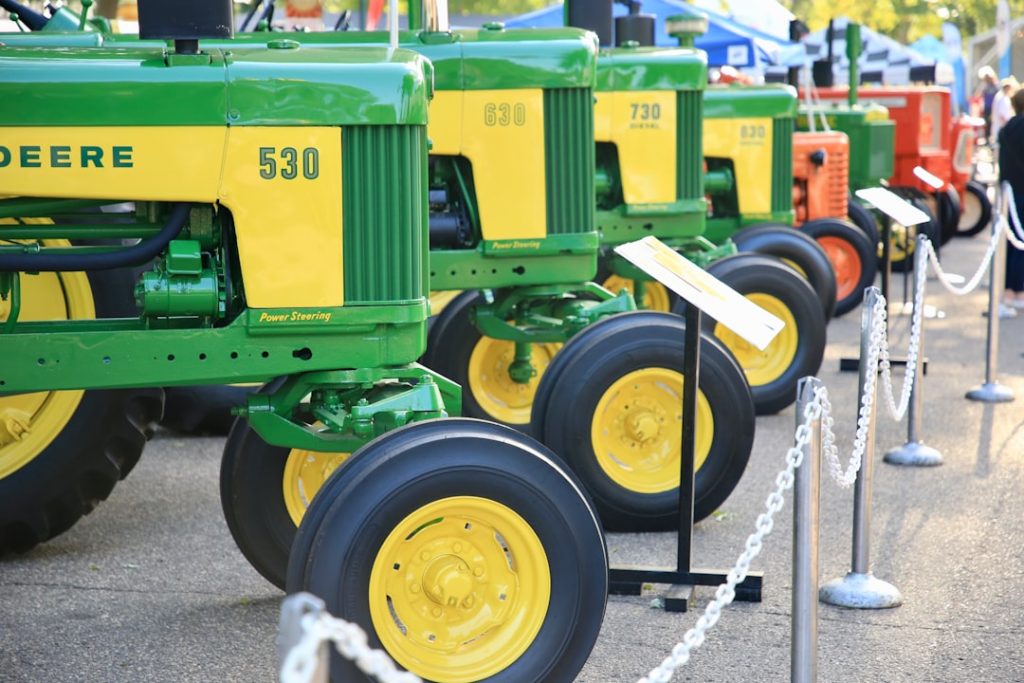
The landscape of agricultural machinery has undergone significant transformation over the past few decades, with farm tractor auctions emerging as a prominent avenue for buying and selling equipment. Historically, farmers relied on local dealerships or direct sales to acquire tractors, but the advent of auctions has revolutionized this process. The rise of farm tractor auctions can be attributed to several factors, including the increasing need for cost-effective solutions in agriculture, the growing popularity of online platforms, and the desire for transparency in pricing.
As farmers seek to optimize their operations and manage costs effectively, auctions provide an attractive alternative that allows them to acquire high-quality machinery at competitive prices. Moreover, the auction format fosters a sense of community among farmers and equipment sellers. It creates an environment where buyers can interact directly with sellers, ask questions about the machinery’s history, and even witness the equipment’s performance firsthand.
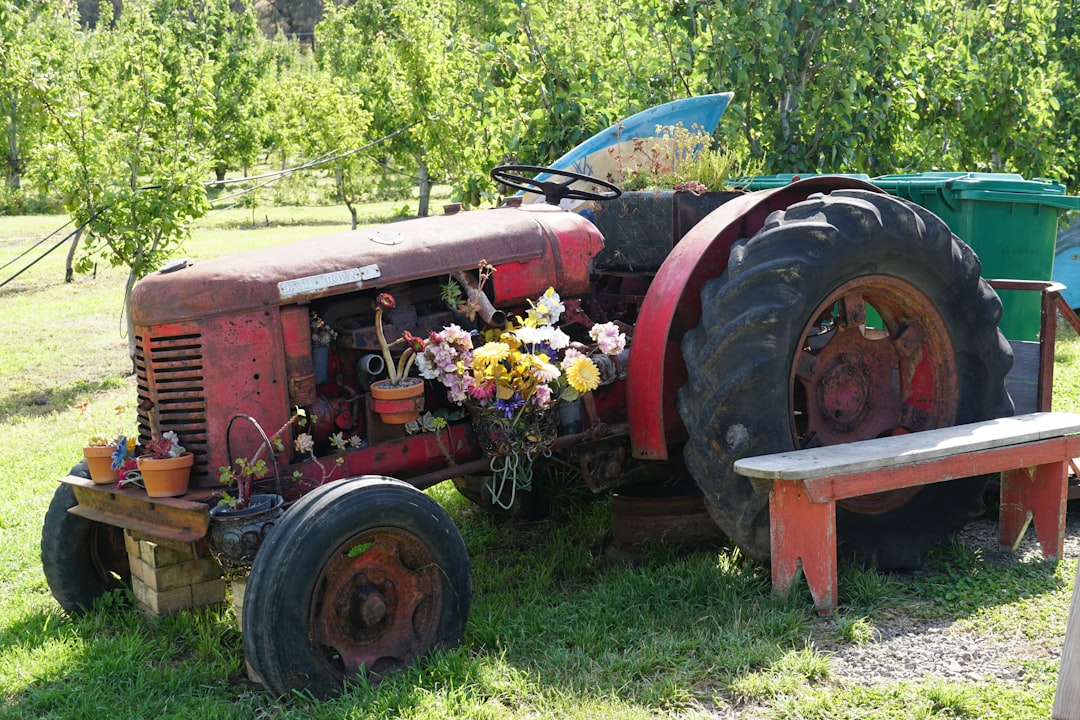
This direct engagement is particularly valuable in an industry where trust and reliability are paramount. The competitive nature of auctions also encourages sellers to present their equipment in the best possible light, often leading to better-maintained machinery being available for purchase. As a result, farm tractor auctions have gained traction not only as a means of acquiring equipment but also as a social event that brings together members of the agricultural community.
Key Takeaways
- Farm tractor auctions have become increasingly popular as a way to buy and sell equipment efficiently.
- Participating in auctions requires understanding bidding processes and setting clear budgets.
- Key factors when buying include tractor condition, history, and market value.
- Auctions offer benefits like competitive pricing and access to a wide range of tractors.
- Online auctions are transforming the market, making participation easier and expanding reach.
How to Participate in Farm Tractor Auctions
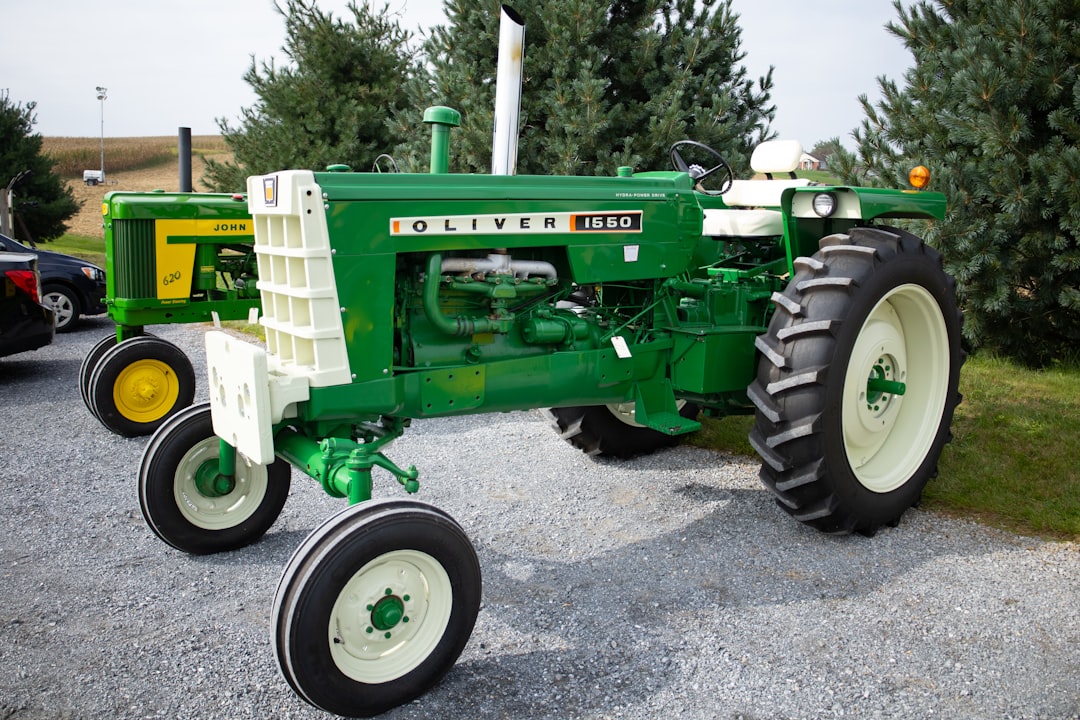
Participating in farm tractor auctions requires a blend of preparation, research, and strategy. First and foremost, potential buyers should familiarize themselves with the auction process. This includes understanding the auction format—whether it is live, online, or a hybrid of both—and the specific rules governing each auction house.
Many auctioneers provide detailed catalogs that list the tractors available for bidding, complete with specifications, condition reports, and photographs. Prospective buyers should take the time to review these catalogs thoroughly to identify which tractors meet their needs. Once a buyer has identified potential tractors, it is crucial to conduct due diligence.
This involves researching the make and model of the tractors in question, understanding their market value, and assessing their condition. Buyers should also consider attending pre-auction inspections if available, as this allows them to evaluate the machinery firsthand. Engaging with other participants and asking questions can provide valuable insights into the equipment’s history and performance.
Additionally, setting a budget before entering the auction is essential; this helps prevent impulsive bidding and ensures that buyers remain within their financial limits.
Factors to Consider when Buying at Farm Tractor Auctions
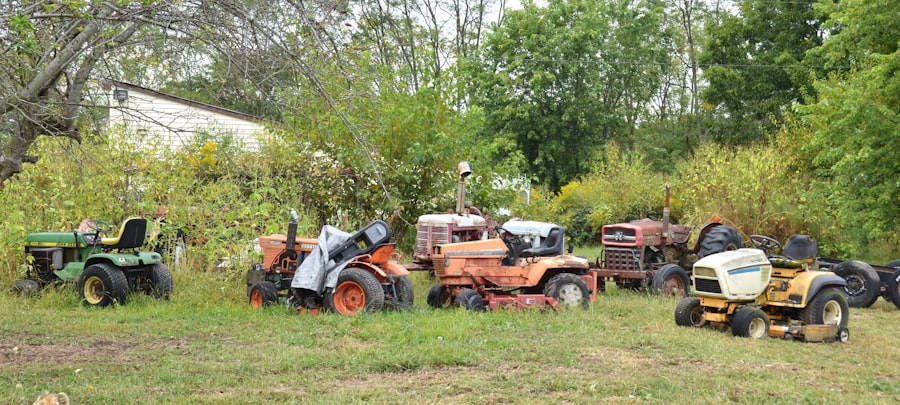
When purchasing tractors at auction, several critical factors must be taken into account to ensure a successful acquisition. One of the foremost considerations is the age and condition of the tractor. Older models may come at a lower price point but could require more maintenance or repairs in the long run.
Conversely, newer models may offer advanced features and greater efficiency but could also command higher bids. Buyers should weigh these factors against their operational needs and budget constraints. Another important aspect is the reputation of the auction house or platform.
Established auctioneers often have a track record of transparency and reliability, which can provide buyers with peace of mind. Researching reviews and testimonials from previous participants can offer insights into the auctioneer’s credibility. Additionally, understanding the terms of sale is vital; this includes knowing about buyer’s premiums, payment methods, and any warranties or guarantees offered on the equipment.
Being well-informed about these elements can significantly enhance the buying experience and lead to more satisfactory outcomes.
The Benefits of Buying Tractors at Auction
| Benefit | Description | Metric/Example |
|---|---|---|
| Cost Savings | Tractors at auction are often sold below market value, providing significant savings. | Average savings of 15-30% compared to retail prices |
| Wide Selection | Auctions offer a variety of tractor models and brands in one place. | 50+ tractor listings per auction event |
| Transparency | Public bidding process ensures fair pricing and open competition. | 100% open bidding with real-time price updates |
| Opportunity to Inspect | Buyers can inspect tractors before bidding to assess condition. | Inspection periods typically 1-3 days before auction |
| Quick Purchase Process | Auctions provide a fast and efficient way to buy tractors. | Average auction duration: 2-4 hours |
| Access to Used Equipment | Auctions often feature well-maintained used tractors that are hard to find elsewhere. | 60% of auction tractors are pre-owned |
Acquiring tractors through auctions presents numerous advantages that appeal to both seasoned farmers and newcomers alike. One of the most significant benefits is cost savings. Auctions often feature competitive bidding environments where buyers can secure equipment at prices lower than those found in traditional retail settings.
This is particularly advantageous for farmers operating on tight budgets or those looking to expand their fleet without incurring substantial debt. In addition to financial benefits, auctions provide access to a diverse range of equipment. Buyers can find everything from vintage tractors with historical significance to modern machines equipped with cutting-edge technology.
This variety allows farmers to select equipment that aligns perfectly with their specific agricultural practices and operational requirements. Furthermore, auctions often include specialized machinery that may not be readily available through conventional dealerships, enabling buyers to find unique solutions tailored to their farming needs.
Tips for Selling Your Tractor at Auction
For those looking to sell their tractors at auction, preparation is key to maximizing returns. First and foremost, sellers should ensure that their equipment is in optimal condition before listing it for sale. This may involve performing necessary repairs, cleaning the machinery thoroughly, and addressing any cosmetic issues that could detract from its appeal.
A well-maintained tractor not only attracts more bidders but can also command higher prices. Additionally, sellers should provide comprehensive information about their tractors in the auction catalog. This includes detailed descriptions of specifications, maintenance history, and any upgrades or modifications made over time.
High-quality photographs showcasing different angles of the tractor can also enhance its visibility and desirability among potential buyers. Engaging with potential bidders during pre-auction events or inspections can further bolster interest in the equipment being sold.
The Role of Online Auctions in the Tractor Market
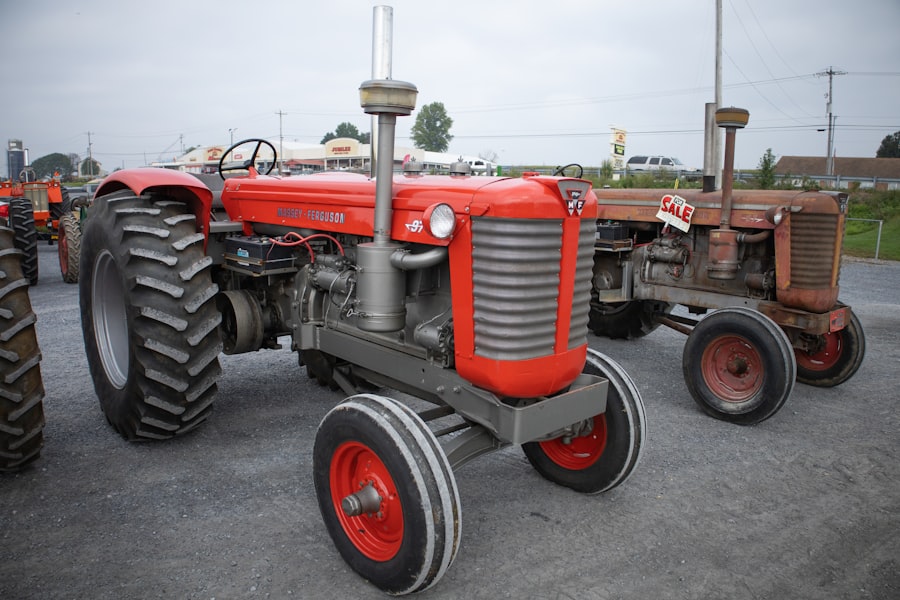
The digital age has ushered in a new era for farm tractor auctions, with online platforms gaining prominence alongside traditional live auctions. Online auctions offer unparalleled convenience for both buyers and sellers by eliminating geographical barriers and allowing participants to engage from anywhere with an internet connection. This accessibility has broadened the market significantly, enabling sellers to reach a larger audience while providing buyers with a wider selection of tractors.
Moreover, online auctions often feature advanced bidding technologies that enhance user experience. Real-time bidding updates allow participants to track their bids and adjust strategies accordingly. Many platforms also provide detailed analytics on bidding patterns and historical sales data, empowering buyers to make informed decisions based on market trends.
As technology continues to evolve, online auctions are likely to play an increasingly central role in shaping the future of the tractor market.
Trends and Changes in the Farm Tractor Auction Industry
The farm tractor auction industry is not static; it continually adapts to changing market dynamics and technological advancements. One notable trend is the increasing integration of sustainability into agricultural practices, which has influenced auction offerings. As farmers become more environmentally conscious, there is a growing demand for tractors equipped with fuel-efficient engines or alternative energy sources such as electric or hybrid models.
Auction houses are responding by featuring more eco-friendly options in their catalogs. Additionally, demographic shifts within the farming community are impacting auction trends. Younger generations are entering agriculture with different expectations regarding technology and efficiency.
As a result, there is a rising interest in precision farming equipment that integrates GPS technology and data analytics into tractor operations. Auction houses are beginning to cater to this demand by showcasing modern machinery that aligns with contemporary farming practices.
The Future of Farm Tractor Auctions
Looking ahead, the future of farm tractor auctions appears promising as they continue to evolve alongside advancements in technology and shifts in agricultural practices. The integration of artificial intelligence (AI) and machine learning into auction platforms could revolutionize how buyers assess equipment value and make bidding decisions. Predictive analytics may enable participants to forecast bidding trends based on historical data, enhancing their competitive edge.
Furthermore, as sustainability becomes increasingly central to agricultural practices, auctions may see a rise in demand for innovative machinery that supports eco-friendly farming methods. Auction houses that adapt to these trends by offering a diverse range of sustainable options will likely thrive in this changing landscape. Overall, farm tractor auctions are poised to remain a vital component of the agricultural machinery market, providing farmers with essential tools while fostering community engagement within the industry.