
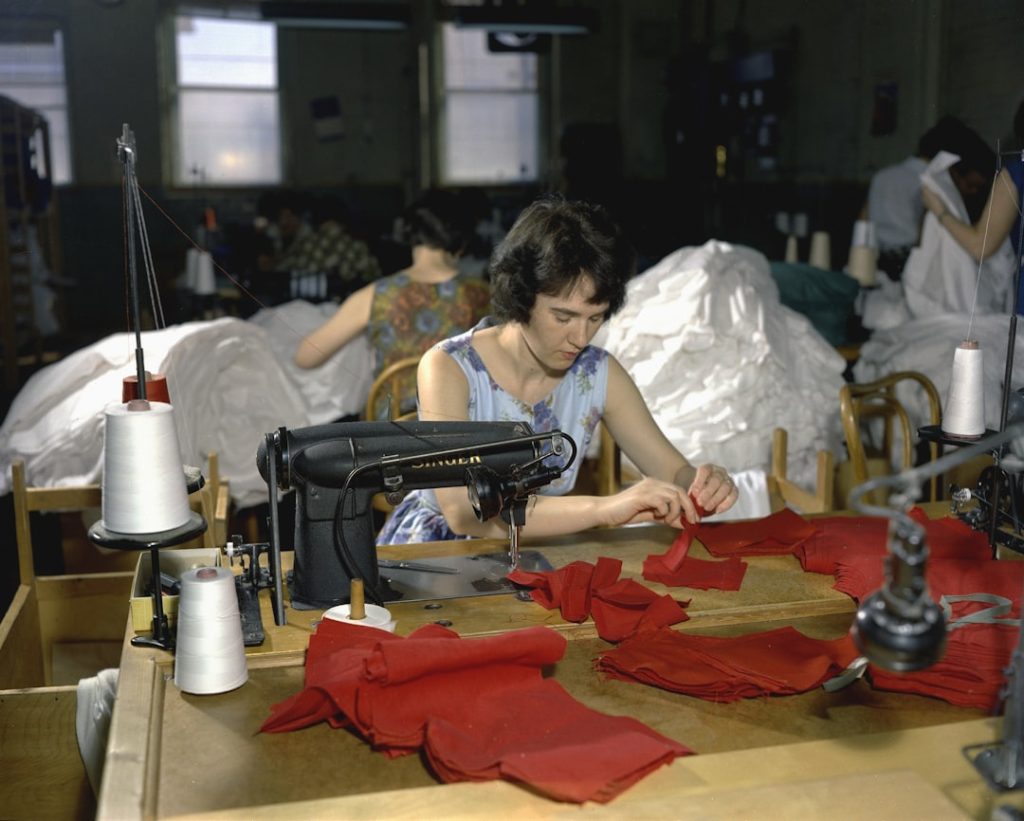
The manufacturing of paper bags has evolved significantly over the years, transitioning from a labor-intensive process to a highly mechanized and efficient operation. Historically, paper bags were crafted by hand, requiring skilled artisans to fold, glue, and shape the paper into functional containers. This method, while effective, was not scalable and could not meet the growing demands of consumers and businesses alike.
With the advent of industrialization in the late 19th century, the introduction of machinery revolutionized the production process, allowing for mass production and a wider variety of bag styles. Today, paper bags are ubiquitous in retail environments, serving as a sustainable alternative to plastic bags. Modern paper bag manufacturing involves a series of intricate processes that include pulping, sheet formation, cutting, and printing.
The raw materials used in this process are primarily sourced from renewable resources, such as trees, which are processed into pulp and then transformed into paper sheets. These sheets are subsequently cut and shaped into bags using advanced machinery that ensures precision and consistency. The rise of eco-conscious consumerism has further propelled the demand for paper bags, prompting manufacturers to innovate and improve their production techniques to meet both quality and sustainability standards.
Key Takeaways
- Paper bag manufacturing is evolving to meet growing environmental and market demands.
- New technology in paper bag machines enhances efficiency and product quality.
- The latest machines offer significant environmental benefits by reducing waste and energy use.
- Challenges in adopting new technology include cost and training, but solutions are emerging.
- Future trends indicate a strong market shift towards sustainable and innovative packaging solutions.
The Need for Revolutionizing Packaging
The global packaging industry is undergoing a significant transformation driven by environmental concerns and changing consumer preferences. As awareness of plastic pollution grows, there is an urgent need to find sustainable alternatives that do not compromise on functionality or aesthetics. Traditional plastic bags have been criticized for their detrimental impact on the environment, taking hundreds of years to decompose and contributing to the growing problem of marine litter.
In response to these challenges, businesses are increasingly turning to paper bags as a viable solution that aligns with eco-friendly practices. Moreover, the shift towards sustainable packaging is not merely a trend; it is becoming a necessity for brands aiming to maintain their competitive edge. Consumers are now more informed and selective about the products they purchase, often favoring companies that demonstrate a commitment to environmental stewardship.
This shift in consumer behavior has prompted manufacturers to rethink their packaging strategies, leading to innovations in materials and production processes. The demand for paper bags is not just about replacing plastic; it is about creating a holistic approach to packaging that prioritizes sustainability while still meeting the needs of modern consumers.
The Latest Technology in Paper Bag Manufacturing Machines
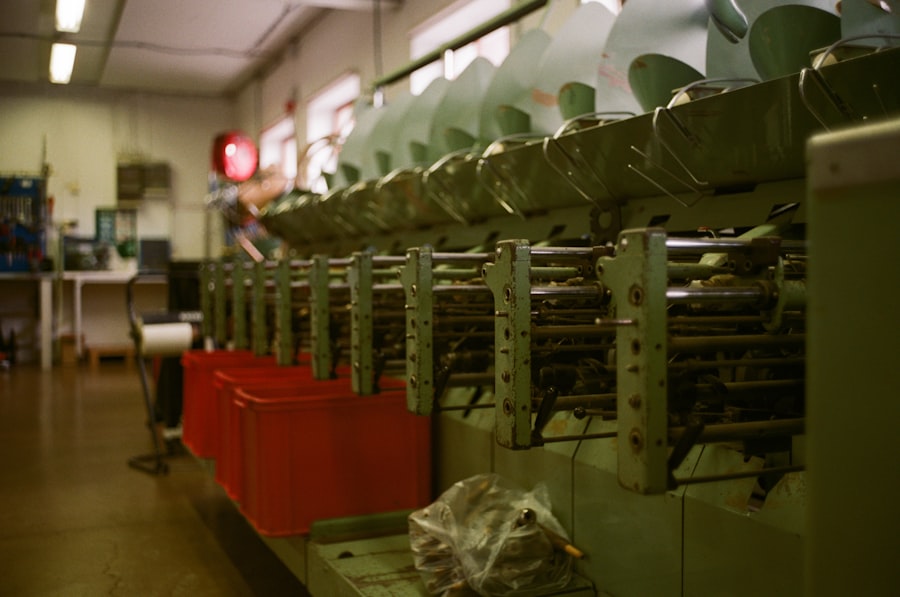
The landscape of paper bag manufacturing has been significantly enhanced by advancements in technology. Modern machines are equipped with features that streamline production processes, improve efficiency, and reduce waste. For instance, high-speed paper bag machines can produce thousands of bags per hour with minimal human intervention.
These machines utilize sophisticated automation systems that control various aspects of production, from feeding raw materials to cutting and sealing the bags. This level of automation not only increases output but also ensures consistent quality across batches. Additionally, innovations such as digital printing technology have transformed the way designs are applied to paper bags.
Unlike traditional printing methods that require extensive setup and can be costly for small runs, digital printing allows for quick changes in design without significant downtime or expense. This flexibility enables brands to create customized packaging solutions that resonate with their target audience while also reducing inventory costs associated with pre-printed materials. Furthermore, advancements in materials science have led to the development of stronger and more durable paper grades that can withstand various handling conditions, making them suitable for a wider range of applications.
Advantages of the New Paper Bag Manufacturing Machine
| Advantage | Description | Metric/Impact |
|---|---|---|
| Increased Production Speed | Machine operates at a higher speed compared to older models | Up to 120 bags per minute (30% faster) |
| Improved Bag Quality | Consistent thickness and strength of paper bags | Reduction in defective bags by 25% |
| Energy Efficiency | Consumes less power due to advanced motor technology | 20% reduction in energy consumption |
| Reduced Material Waste | Optimized cutting and folding mechanisms minimize paper waste | Waste reduced by 15% |
| Automation and Ease of Use | Automated controls reduce manual labor and errors | Labor cost reduced by 40% |
| Versatility | Capable of producing various sizes and styles of paper bags | Supports up to 5 different bag sizes |
The latest generation of paper bag manufacturing machines offers numerous advantages that enhance both production efficiency and product quality. One of the most significant benefits is the reduction in operational costs. By automating various stages of production, manufacturers can minimize labor costs while increasing output rates.
This efficiency translates into lower prices for consumers and higher profit margins for businesses. Moreover, these machines are designed to operate with minimal waste, optimizing material usage and reducing overall production costs. Another advantage lies in the versatility of modern machines.
They can produce a wide variety of bag styles, including flat bags, satchel bags, and block-bottom bags, all in one production line. This adaptability allows manufacturers to respond quickly to changing market demands without needing to invest in multiple specialized machines. Additionally, many new machines are designed with sustainability in mind; they often utilize energy-efficient technologies that reduce power consumption during operation.
This not only lowers operational costs but also aligns with the growing emphasis on environmentally responsible manufacturing practices.
Environmental Impact of Paper Bag Manufacturing
The environmental impact of paper bag manufacturing is a multifaceted issue that encompasses resource extraction, production processes, and end-of-life disposal. On one hand, paper bags are often touted as a more sustainable alternative to plastic due to their biodegradability and recyclability. When produced responsibly from sustainably sourced materials, paper bags can significantly reduce the carbon footprint associated with packaging.
The use of renewable resources such as trees from managed forests contributes to a circular economy where materials are reused and recycled rather than discarded. However, it is essential to consider the entire lifecycle of paper bags. The production process itself can be resource-intensive, requiring significant amounts of water and energy.
Additionally, if not sourced sustainably, the harvesting of trees can lead to deforestation and loss of biodiversity. To mitigate these impacts, many manufacturers are adopting practices such as using recycled paper fibers and implementing energy-efficient technologies in their production facilities. Furthermore, promoting responsible consumer behavior—such as reusing paper bags multiple times—can enhance their environmental benefits by extending their lifecycle and reducing overall waste.
Potential Challenges and Solutions in Implementing the New Technology
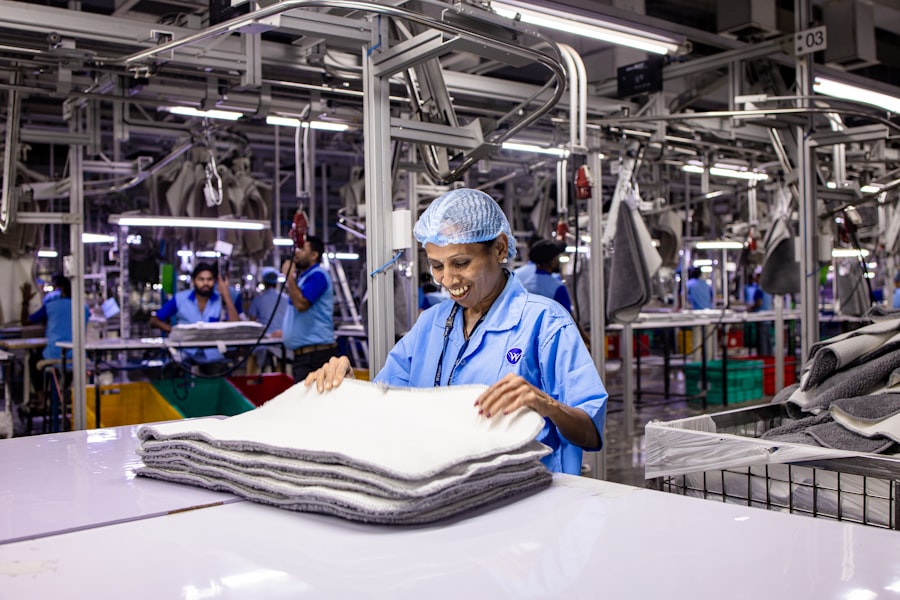
While the advancements in paper bag manufacturing technology present numerous opportunities, they also come with challenges that must be addressed for successful implementation. One significant hurdle is the initial investment required for upgrading or replacing existing machinery with new automated systems. Smaller manufacturers may find it difficult to allocate funds for such investments, potentially limiting their ability to compete in an increasingly technology-driven market.
To overcome this barrier, financial incentives or grants from government programs aimed at promoting sustainable practices could be instrumental in supporting these businesses. Another challenge lies in workforce adaptation. As automation becomes more prevalent in manufacturing processes, there is a growing need for skilled workers who can operate and maintain advanced machinery.
This shift may lead to job displacement for those whose roles become obsolete due to automation. To address this issue, companies should invest in training programs that equip their workforce with the necessary skills to thrive in a technologically advanced environment. By fostering a culture of continuous learning and adaptation, manufacturers can ensure that their employees remain valuable assets in an evolving industry.
Market Impact and Future Trends in Packaging
The market for paper bags is poised for significant growth as consumer preferences continue to shift towards sustainable packaging solutions. According to industry reports, the global paper bag market is expected to expand at a robust rate over the next several years, driven by increasing regulations on single-use plastics and heightened awareness of environmental issues among consumers. Retailers across various sectors—ranging from grocery stores to fashion brands—are increasingly adopting paper bags as part of their commitment to sustainability.
Future trends indicate a growing emphasis on innovation within the packaging sector. Manufacturers are likely to explore new materials that enhance the functionality of paper bags while maintaining their eco-friendly attributes. For instance, research into biodegradable coatings could lead to water-resistant paper bags that do not compromise on sustainability.
Additionally, as e-commerce continues to rise, there will be an increased demand for packaging solutions that protect products during transit while also being environmentally friendly. This presents an opportunity for manufacturers to develop specialized paper bags designed specifically for shipping purposes.
The Future of Paper Bag Manufacturing
The future of paper bag manufacturing is bright as technological advancements continue to reshape the industry landscape. With an increasing focus on sustainability and environmental responsibility, manufacturers are well-positioned to meet the evolving demands of consumers who prioritize eco-friendly options. The integration of advanced machinery not only enhances production efficiency but also allows for greater customization and versatility in product offerings.
As challenges arise in implementing new technologies and adapting to market changes, proactive measures such as workforce training and financial support will be crucial in ensuring a smooth transition towards more sustainable practices. Ultimately, the ongoing evolution of paper bag manufacturing reflects a broader commitment within the packaging industry to embrace innovation while prioritizing environmental stewardship—a trend that will likely define the future of packaging for years to come.