
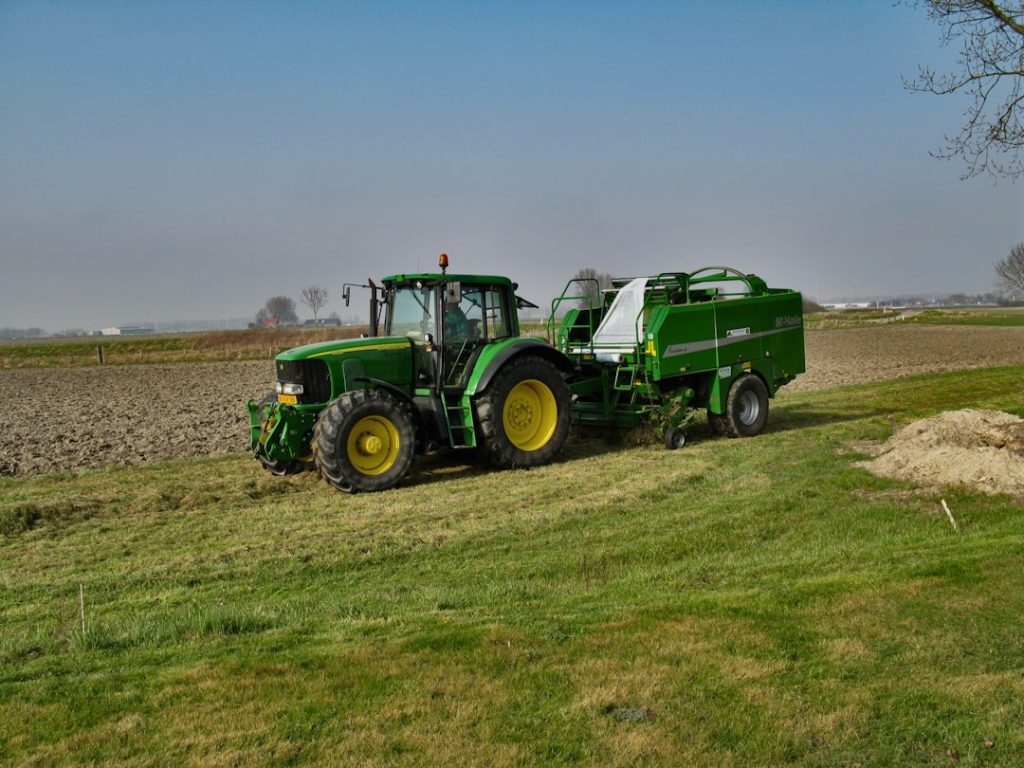
The history of farming machinery is a fascinating journey that reflects the broader evolution of agricultural practices. In ancient times, farming was labor-intensive, relying heavily on human and animal power. The earliest tools, such as the plow, were simple wooden implements that required significant physical effort to operate.
As societies progressed, so did their agricultural techniques. The introduction of metal tools around 3000 BC marked a significant turning point, allowing for more efficient tilling and planting. The Roman Empire further advanced agricultural technology with innovations like the seed drill, which improved planting efficiency and crop yields.
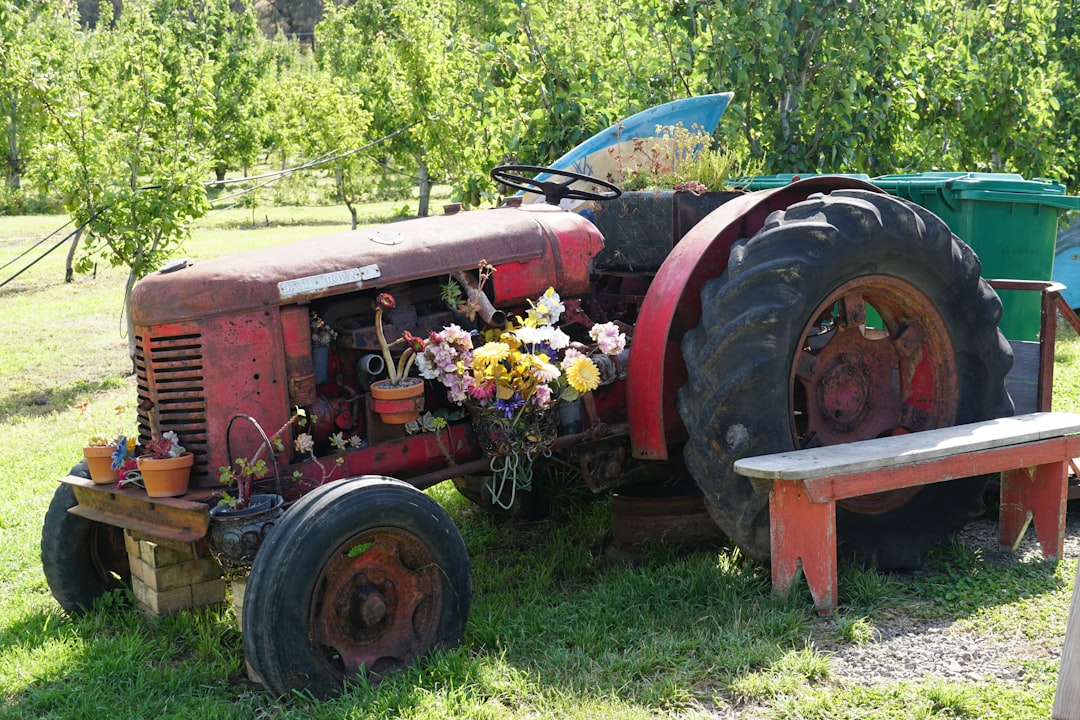
The Industrial Revolution in the 18th and 19th centuries brought about a seismic shift in farming machinery. The advent of steam power led to the creation of larger, more powerful machines capable of performing tasks that were previously unimaginable. Tractors began to replace horses and oxen, drastically reducing the amount of labor required for farming.
By the late 19th century, companies began to emerge that specialized in manufacturing agricultural equipment, setting the stage for modern farming practices. The introduction of gasoline-powered tractors in the early 20th century further revolutionized agriculture, allowing farmers to cultivate larger areas of land with greater efficiency.
Key Takeaways
- John Deere has played a pivotal role in advancing modern agricultural machinery.
- Their equipment offers significant advantages in efficiency and productivity for farmers.
- Innovative technologies in John Deere machinery are transforming traditional farming methods.
- John Deere focuses on reducing environmental impact through sustainable farming solutions.
- Success stories highlight the positive outcomes and future potential of using John Deere equipment.
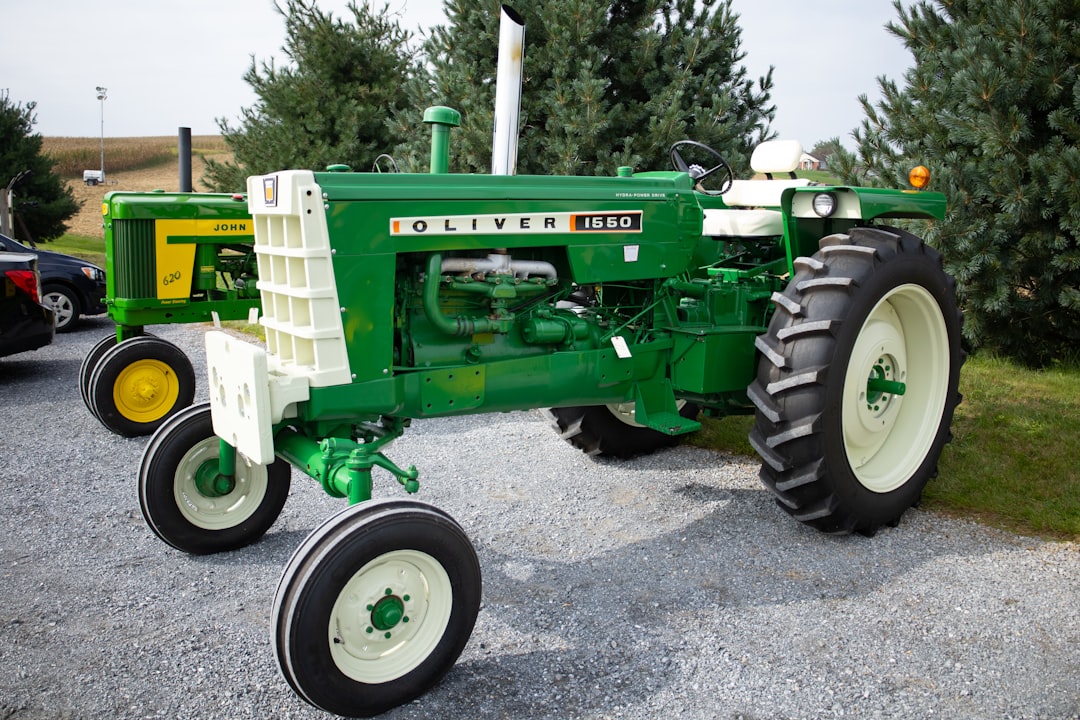
John Deere’s Impact on Modern Agriculture
John Deere, founded in 1837 by a blacksmith of the same name, has played a pivotal role in shaping modern agriculture. Initially known for its steel plow, which was designed to cut through tough prairie soil without clogging, the company quickly gained a reputation for quality and innovation. This early success laid the groundwork for John Deere’s expansion into a wide range of agricultural machinery, including tractors, harvesters, and planting equipment.
The company’s commitment to understanding farmers’ needs has driven its continuous innovation, making it a leader in the agricultural sector. Throughout its history, John Deere has consistently embraced technological advancements to enhance farming efficiency. The introduction of the first gasoline-powered tractor in 1918 marked a significant milestone, allowing farmers to increase productivity and reduce reliance on animal power.
As agriculture evolved, so did John Deere’s machinery, incorporating features such as hydraulic systems and advanced transmission technologies. Today, John Deere is synonymous with modern agriculture, providing farmers with the tools they need to meet the demands of a growing global population while maintaining sustainable practices.
The Advantages of Using John Deere Machinery
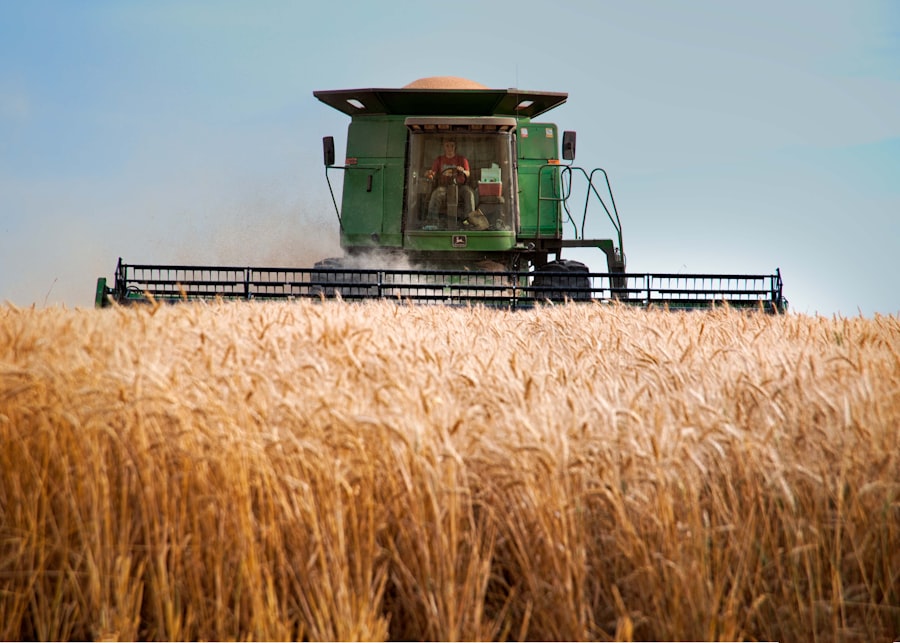
One of the primary advantages of using John Deere machinery is its reputation for durability and reliability. Farmers invest significant resources into their equipment, and they need machinery that can withstand the rigors of daily use in various weather conditions. John Deere’s commitment to quality engineering ensures that its products are built to last, minimizing downtime and maintenance costs.
This reliability translates into increased productivity on the farm, allowing farmers to focus on their core operations rather than worrying about equipment failures. In addition to durability, John Deere machinery is designed with user-friendliness in mind. Many models feature intuitive controls and ergonomic designs that make them accessible to operators of all skill levels.
This ease of use is particularly beneficial for new farmers or those transitioning from traditional methods to modern practices. Furthermore, John Deere offers extensive training resources and support services to help farmers maximize their equipment’s potential. This combination of reliability and user-friendliness makes John Deere a preferred choice among farmers worldwide.
How John Deere Machinery is Revolutionizing Farming Practices
| Metric | John Deere Machinery Impact | Traditional Farming | Improvement |
|---|---|---|---|
| Fuel Efficiency | 15-20% reduction in fuel consumption | Standard fuel usage | Up to 20% more efficient |
| Precision Planting Accuracy | Within 1 inch GPS accuracy | Manual planting with variable accuracy | Significantly improved crop placement |
| Operational Downtime | Reduced by 30% due to predictive maintenance | Higher downtime due to unexpected failures | 30% less downtime |
| Yield Increase | 10-15% higher crop yields | Traditional yield rates | Up to 15% increase |
| Labor Efficiency | Automated tasks reduce labor hours by 40% | Manual labor intensive | 40% reduction in labor hours |
| Soil Health Monitoring | Real-time soil data collection and analysis | Periodic manual soil testing | Continuous monitoring improves soil management |
John Deere machinery is at the forefront of revolutionizing farming practices through precision agriculture. This approach leverages technology to optimize field-level management regarding crop farming. By utilizing GPS technology and data analytics, farmers can make informed decisions about planting, fertilization, and irrigation.
John Deere’s equipment is equipped with advanced sensors that collect real-time data on soil conditions, crop health, and weather patterns. This information allows farmers to tailor their practices to specific field conditions, resulting in improved yields and reduced resource waste. Moreover, John Deere’s commitment to innovation extends beyond just machinery; it encompasses software solutions that integrate seamlessly with their equipment.
For instance, the John Deere Operations Center provides farmers with a platform to analyze data from their machinery and make strategic decisions based on insights gained from that data. This holistic approach not only enhances productivity but also promotes sustainable farming practices by minimizing inputs such as water and fertilizers while maximizing output.
The Latest Technological Innovations in John Deere Farming Equipment
In recent years, John Deere has introduced several groundbreaking technological innovations that are transforming the agricultural landscape. One notable advancement is the integration of autonomous machinery into farming operations. Autonomous tractors and harvesters are equipped with advanced sensors and AI algorithms that allow them to operate independently in the field.
This technology not only increases efficiency but also addresses labor shortages in agriculture by reducing the need for manual labor. Another significant innovation is the development of electric and hybrid farming equipment. As sustainability becomes increasingly important in agriculture, John Deere is leading the charge toward greener solutions.
Electric tractors and implements reduce greenhouse gas emissions and lower operating costs associated with fuel consumption. Additionally, these machines often require less maintenance than traditional diesel-powered equipment, further enhancing their appeal to environmentally conscious farmers.
The Environmental Impact of Using John Deere Machinery
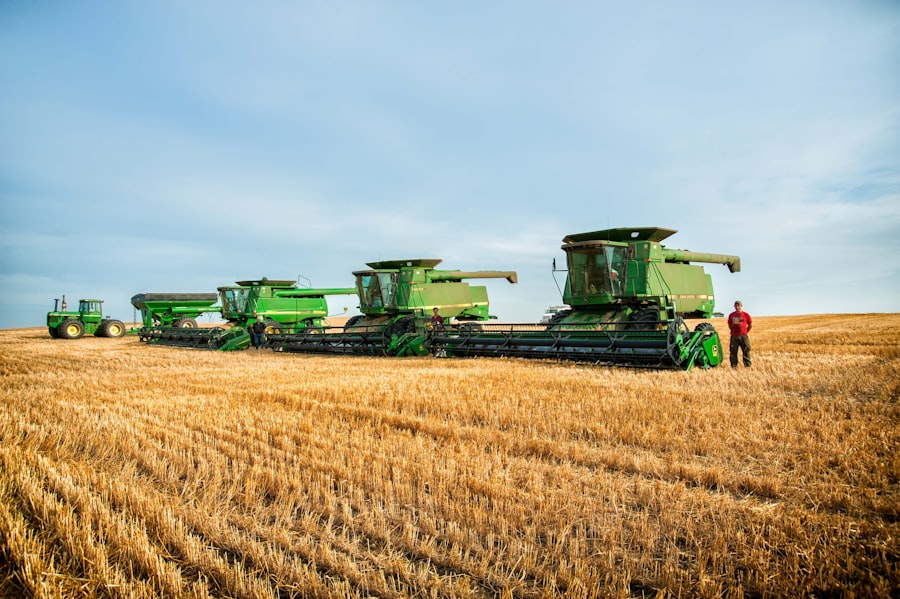
The environmental impact of using John Deere machinery is a critical consideration in today’s agricultural landscape. As global awareness of climate change and environmental degradation grows, farmers are seeking ways to minimize their ecological footprint while maintaining productivity. John Deere’s commitment to sustainability is evident in its efforts to develop machinery that reduces emissions and conserves resources.
For instance, many of John Deere’s newer models are designed with fuel-efficient engines that comply with stringent emissions standards. These engines not only reduce harmful emissions but also improve fuel economy, allowing farmers to operate more sustainably without sacrificing performance. Additionally, precision agriculture technologies enable farmers to apply inputs like fertilizers and pesticides more efficiently, reducing runoff into waterways and minimizing chemical usage.
Success Stories of Farmers Using John Deere Equipment
Numerous success stories highlight the positive impact of using John Deere equipment in farming operations around the world. For example, a family-owned farm in Iowa adopted John Deere’s precision agriculture technologies and saw a remarkable increase in crop yields within just one season. By utilizing data analytics from their equipment, they were able to identify specific areas of their fields that required different management practices based on soil health and moisture levels.
This tailored approach not only boosted their productivity but also reduced input costs significantly. Another compelling case comes from a large-scale operation in Brazil that implemented John Deere’s autonomous machinery for sugarcane harvesting. By integrating autonomous harvesters into their workflow, they were able to increase efficiency while addressing labor shortages in rural areas.
The ability to operate machinery around the clock without human intervention allowed them to maximize their harvest window and ultimately improve profitability.
The Future of Farming with John Deere Machinery
Looking ahead, the future of farming with John Deere machinery appears promising as technology continues to evolve at an unprecedented pace. The integration of artificial intelligence and machine learning into agricultural practices will likely lead to even more sophisticated decision-making tools for farmers. As these technologies become more accessible, smallholder farmers will also benefit from advancements that were once reserved for large-scale operations.
Moreover, as global challenges such as climate change and food security become increasingly pressing, companies like John Deere will play a crucial role in developing sustainable solutions for agriculture. Innovations in biotechnology, regenerative farming practices, and smart irrigation systems will likely be at the forefront of this evolution. By continuing to invest in research and development while prioritizing sustainability, John Deere is poised to lead the way in shaping the future of agriculture for generations to come.