
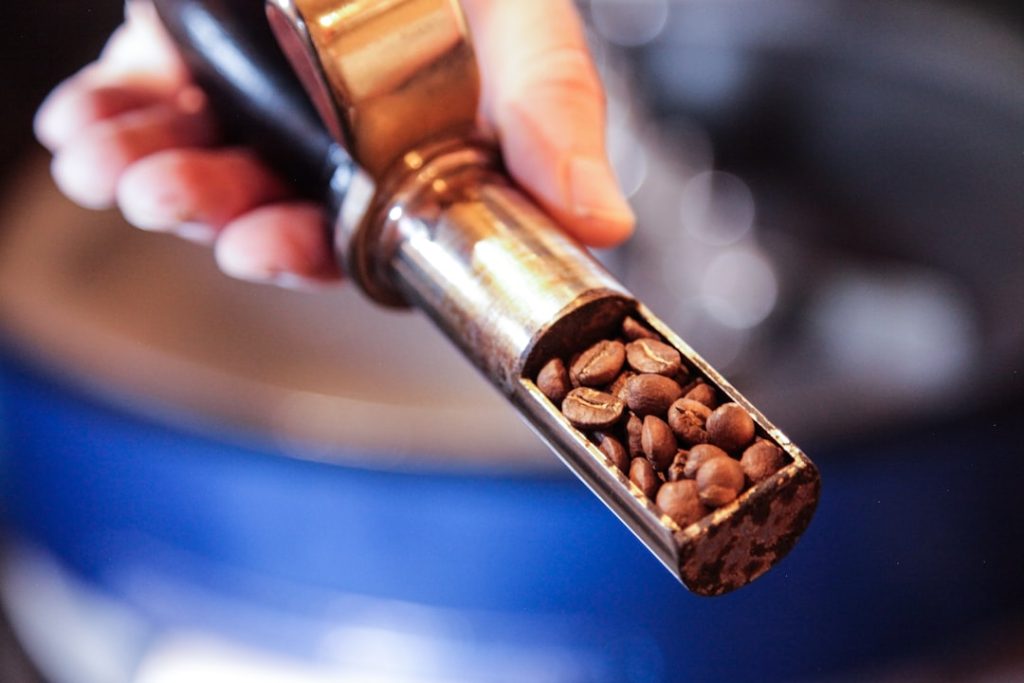
The journey of coffee from its origins to the cup we enjoy today is a fascinating tale that begins centuries ago. The practice of roasting coffee beans can be traced back to the 15th century in the Arabian Peninsula, where coffee was first cultivated. Initially, coffee beans were roasted over an open flame, a rudimentary method that allowed for the development of flavor but lacked precision.
The beans were often ground and brewed in a simple manner, leading to a beverage that was both invigorating and somewhat bitter. As coffee spread through trade routes to Europe and beyond, the techniques for roasting began to evolve. By the 17th century, coffee houses began to emerge in cities like Istanbul, Venice, and London, creating a burgeoning culture around this stimulating drink.
The roasting process became more refined as coffee enthusiasts sought to enhance the flavor profiles of their brews. The introduction of metal roasting pans allowed for more even heating, and by the 19th century, the first commercial coffee roasters were developed. These early machines were often powered by steam or gas and could roast larger quantities of beans, paving the way for the mass production of coffee.
This period marked a significant shift in how coffee was perceived and consumed, transitioning from a local delicacy to a global commodity.
Key Takeaways
- Coffee roasting has evolved from traditional methods to advanced industrial processes over time.
- Industrial roasters offer increased efficiency and consistency in coffee production.
- Technology plays a crucial role in enhancing roasting precision and quality control.
- Environmental concerns are prompting innovations for more sustainable roasting practices.
- Despite advancements, industrial roasting faces challenges like maintaining flavor complexity and managing costs.
The Evolution of Industrial Roasters
The evolution of industrial coffee roasters has been marked by significant technological advancements that have transformed the coffee industry. In the late 19th century, the introduction of drum roasters revolutionized the roasting process. These machines utilized a rotating drum to ensure even heat distribution, allowing for greater control over the roasting time and temperature.
This innovation not only improved the consistency of roasted beans but also enabled roasters to experiment with different profiles, leading to a wider variety of flavors and aromas. As the 20th century progressed, the demand for coffee surged, particularly in North America and Europe. This led to further innovations in industrial roasting technology.
Electric roasters began to replace traditional gas-powered models, offering more precise temperature control and reducing the risk of fire hazards associated with open flames. Additionally, advancements in materials science led to the development of more durable and efficient roasting equipment. The introduction of computerized roasting systems in the late 20th century marked another significant leap forward, allowing roasters to monitor and adjust variables in real-time, ensuring optimal results with each batch.
Advantages of Industrial Roasters
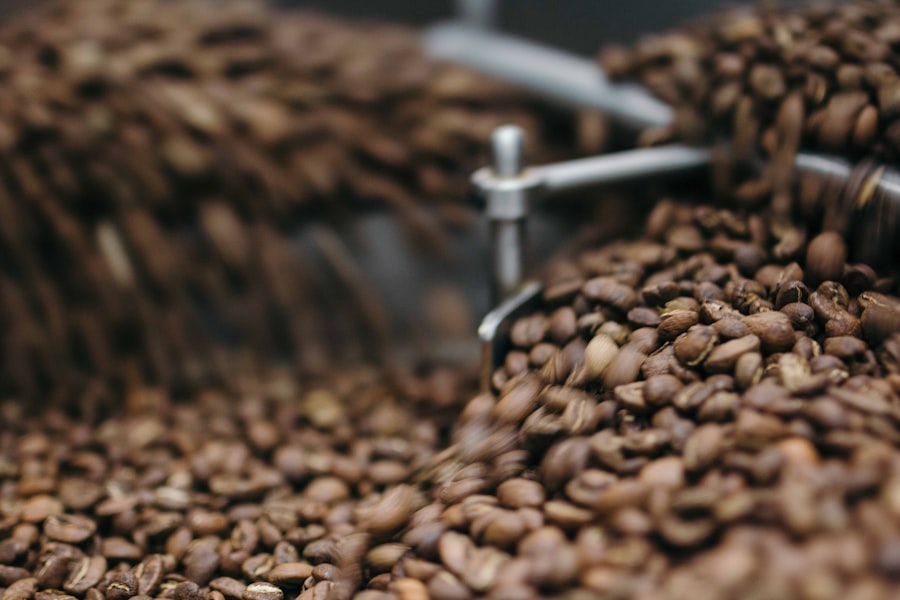
Industrial roasters offer numerous advantages that cater to both large-scale coffee producers and specialty roasters alike. One of the primary benefits is efficiency; these machines are designed to handle large volumes of beans, significantly reducing the time required for roasting compared to traditional methods. This efficiency is crucial for meeting the demands of a global market where consumers expect fresh coffee on a consistent basis.
With industrial roasters, companies can produce large quantities while maintaining quality control throughout the process. Another advantage lies in the precision that modern industrial roasters provide. With advanced technology, roasters can meticulously control variables such as temperature, airflow, and roasting time.
This level of control allows for the development of specific flavor profiles that cater to consumer preferences. For instance, a roaster can create a light roast that highlights fruity notes or a dark roast that emphasizes chocolatey undertones by adjusting these parameters. Furthermore, many industrial roasters are equipped with data logging capabilities, enabling roasters to track their processes and replicate successful batches with ease.
Impact on Coffee Quality
| Factor | Impact on Coffee Quality | Measurement Metric | Typical Range |
|---|---|---|---|
| Altitude | Higher altitude generally improves acidity and flavor complexity | Meters above sea level (m) | 600 – 2200 m |
| Bean Size | Larger beans often indicate better quality and uniform roasting | Screen size (US standard) | 15 – 18 |
| Moisture Content | Optimal moisture preserves flavor and prevents mold | Percentage (%) | 10 – 12% |
| Roast Level | Influences flavor profile, acidity, and bitterness | Light, Medium, Dark | Light to Dark |
| Acidity | Higher acidity often correlates with brighter, more vibrant flavors | pH level | 4.5 – 6.0 |
| Defect Count | Lower defect count indicates higher quality beans | Number of defects per 300g | 0 – 5 |
| Flavor Score | Overall sensory evaluation of coffee quality | Score out of 100 (SCA cupping) | 80 – 100 |
The impact of industrial roasting on coffee quality cannot be overstated. The ability to roast beans uniformly and consistently has led to a significant improvement in the overall quality of coffee available on the market today. With traditional methods, variations in heat distribution could result in unevenly roasted beans, leading to undesirable flavors and aromas.
Industrial roasters mitigate this issue by employing advanced technology that ensures each bean is roasted to perfection. Moreover, industrial roasting has facilitated the exploration of diverse coffee origins and processing methods. Roasters can experiment with different bean varieties from various regions around the world, each with its unique flavor characteristics.
For example, Ethiopian coffees are often celebrated for their floral notes and bright acidity, while Brazilian coffees may exhibit nutty and chocolatey flavors. Industrial roasters can highlight these distinctions through careful roasting techniques, allowing consumers to experience a broader spectrum of flavors than ever before.
Environmental Considerations
As the coffee industry continues to grow, so too do concerns regarding its environmental impact. Industrial roasting processes consume significant amounts of energy and can produce emissions that contribute to air pollution if not properly managed. Many modern roasters are now implementing eco-friendly practices to mitigate these effects.
For instance, some companies are investing in energy-efficient roasting machines that reduce energy consumption while maintaining high-quality output. Additionally, there is a growing emphasis on sustainability within the coffee supply chain. Many roasters are seeking out ethically sourced beans from farms that prioritize environmentally friendly practices.
This includes supporting organic farming methods that avoid harmful pesticides and promote biodiversity. Furthermore, some industrial roasters are exploring carbon offset programs or investing in renewable energy sources to power their operations, demonstrating a commitment to reducing their carbon footprint.
The Role of Technology in Industrial Roasting
Technology plays an integral role in modern industrial roasting processes, enhancing both efficiency and quality control. One notable advancement is the use of software that allows roasters to monitor various parameters during the roasting process in real-time. This technology enables precise adjustments based on data collected from previous batches, ensuring consistency across production runs.
For example, if a particular roast profile yields favorable results, roasters can replicate those conditions with minimal variation. Moreover, advancements in machine learning and artificial intelligence are beginning to influence industrial roasting as well. These technologies can analyze vast amounts of data from previous roasts to identify patterns and optimize future batches automatically.
By leveraging these insights, roasters can refine their techniques further and create unique flavor profiles tailored to consumer preferences. This integration of technology not only streamlines operations but also fosters innovation within the industry.
Challenges and Limitations
Despite the many advantages associated with industrial roasting, there are challenges and limitations that operators must navigate. One significant challenge is the initial investment required for high-quality industrial roasting equipment. While these machines can offer long-term savings through efficiency gains, the upfront costs can be prohibitive for smaller businesses or startups looking to enter the market.
Additionally, maintaining consistency across large batches can be difficult due to variations in bean quality and moisture content. Even slight differences in these factors can lead to noticeable changes in flavor profiles. Roasters must be vigilant in sourcing high-quality beans and implementing rigorous quality control measures throughout the roasting process to mitigate these issues effectively.
The Future of Industrial Roasting
Looking ahead, the future of industrial roasting appears promising as technology continues to advance and consumer preferences evolve. One trend gaining traction is the rise of personalized coffee experiences. As consumers become more discerning about their coffee choices, there is an increasing demand for unique blends and single-origin offerings that cater to individual tastes.
Industrial roasters will need to adapt by developing innovative products that resonate with this growing segment of the market. Furthermore, sustainability will likely remain at the forefront of industry discussions as environmental concerns continue to shape consumer behavior. Roasters may increasingly prioritize eco-friendly practices not only in sourcing but also in production methods.
This could lead to further innovations in energy-efficient roasting technologies or even new approaches such as using waste heat from roasting processes for other applications within their facilities. In conclusion, industrial roasting has come a long way since its inception, evolving through technological advancements and changing consumer demands. As we move forward into an era where quality and sustainability are paramount, industrial roasters will play a crucial role in shaping the future landscape of coffee production while continuing to deliver exceptional flavors that delight consumers worldwide.