

The advent of advanced farm machinery has fundamentally transformed the agricultural landscape, ushering in an era characterized by increased efficiency, productivity, and sustainability. Historically, farming relied heavily on manual labor and rudimentary tools, which limited the scale and speed of agricultural production. However, with the introduction of sophisticated machinery such as tractors, combine harvesters, and precision planting equipment, farmers can now cultivate larger areas of land with significantly less effort.
This shift has not only enhanced crop yields but has also allowed for the cultivation of previously unmanageable terrains, thereby expanding the agricultural frontier. Moreover, advanced farm machinery has played a pivotal role in addressing the growing global food demand. As the world population continues to rise, the pressure on agricultural systems to produce more food has intensified.

Mechanization has enabled farmers to adopt more intensive farming practices while maintaining or even reducing labor costs. For instance, the use of GPS-guided tractors allows for precise planting and fertilization, minimizing waste and maximizing output. This technological evolution is not merely a trend; it represents a critical adaptation to the challenges posed by climate change, resource scarcity, and economic pressures in the agricultural sector.
Key Takeaways
- Advanced farm machinery significantly boosts agricultural productivity and efficiency.
- Technology integration revolutionizes farming through precision and automation.
- Various machinery types serve specialized functions, enhancing crop management.
- Challenges include high costs, maintenance, and the need for skilled operators.
- Proper training and education are crucial for maximizing the benefits of advanced machinery.
Advantages of Using Advanced Farm Machinery
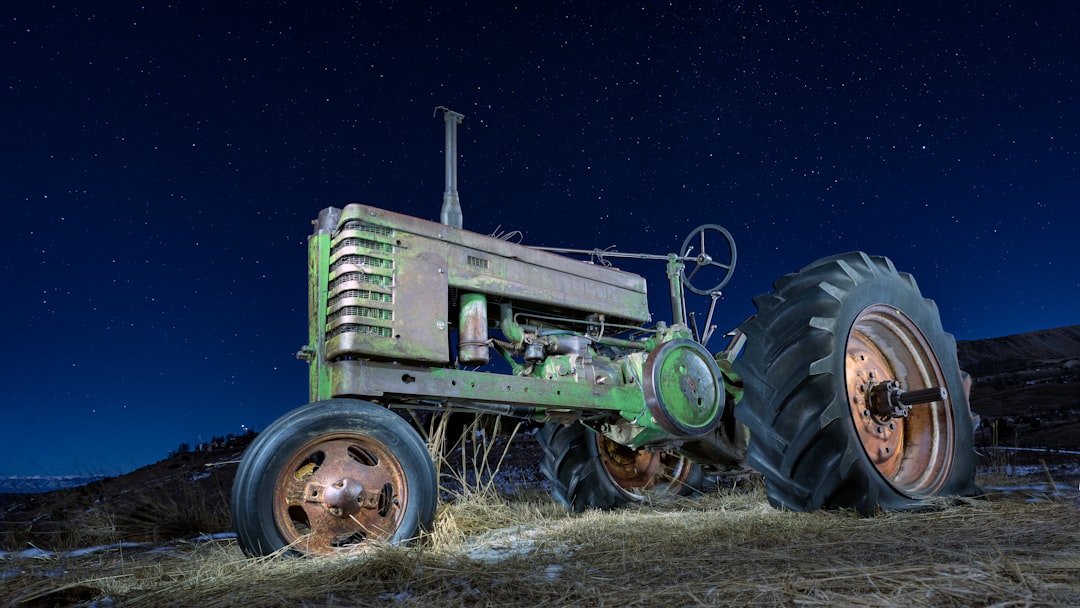
The advantages of utilizing advanced farm machinery are manifold and extend beyond mere efficiency gains. One of the most significant benefits is the reduction in labor costs. With machines capable of performing tasks that once required numerous workers, farmers can allocate their human resources more strategically.
This shift not only lowers operational costs but also mitigates the challenges associated with labor shortages, which have become increasingly prevalent in many regions due to urban migration and changing workforce dynamics. In addition to cost savings, advanced machinery enhances precision in farming practices. Technologies such as variable rate technology (VRT) allow farmers to apply inputs like fertilizers and pesticides at varying rates across a field based on specific needs.
This targeted approach not only optimizes resource use but also minimizes environmental impact by reducing chemical runoff and promoting healthier soil ecosystems. Furthermore, advanced machinery often comes equipped with data collection capabilities that enable farmers to monitor crop health and soil conditions in real-time, facilitating informed decision-making that can lead to improved crop management and higher yields.
The Role of Technology in Revolutionizing Agriculture
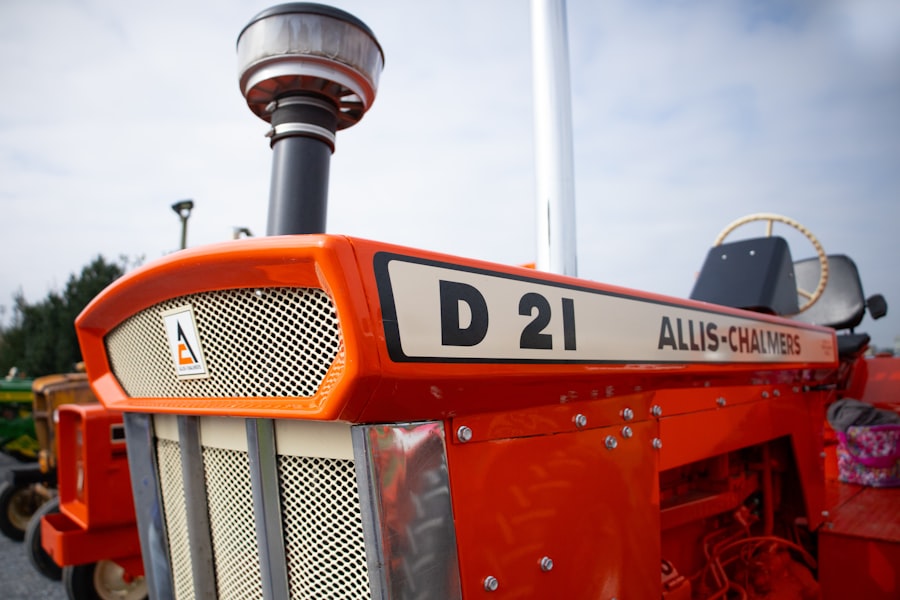
Technology has been a driving force behind the revolution in agriculture, fundamentally altering how farming is conducted. The integration of information technology with traditional farming practices has given rise to precision agriculture, a methodology that leverages data analytics, satellite imagery, and IoT (Internet of Things) devices to optimize farming operations. For example, drones equipped with multispectral cameras can assess crop health by capturing images that reveal variations in plant vigor.
This information allows farmers to make timely interventions, such as targeted irrigation or pest control measures, thereby enhancing overall productivity. Furthermore, advancements in biotechnology have complemented the role of machinery in agriculture. Genetically modified organisms (GMOs) have been developed to withstand pests and diseases, reducing the reliance on chemical pesticides and herbicides.
When combined with advanced machinery that can plant and harvest these crops efficiently, farmers can achieve higher yields while adhering to sustainable practices. The synergy between technology and machinery is not just about increasing output; it also encompasses improving resilience against climate variability and ensuring food security for future generations.
Types of Advanced Farm Machinery and Their Functions
| Type of Machinery | Function | Key Features | Common Crops Used For |
|---|---|---|---|
| Tractor | Provides power for various farm implements and transportation | High horsepower, 4WD options, GPS guidance | All types (corn, wheat, vegetables, etc.) |
| Combine Harvester | Harvests grain crops by reaping, threshing, and winnowing | Multi-functional, adjustable headers, grain tanks | Wheat, barley, oats, corn, soybeans |
| Seed Drill | Plants seeds at precise depths and spacing | Precision seed placement, adjustable seed rates | Wheat, corn, soybeans, rice |
| Sprayer | Applies pesticides, herbicides, and fertilizers | Variable rate application, GPS mapping, boom control | All crops requiring chemical treatment |
| Rotary Tiller | Prepares soil by breaking it up and mixing organic matter | Rotating blades, adjustable depth, PTO driven | Vegetables, root crops, general soil preparation |
| Baler | Compacts and binds hay, straw, or silage into bales | Round or square bales, adjustable density | Hay, straw, forage crops |
| Precision Planter | Plants seeds with high accuracy for optimal spacing | Seed singulation, variable rate planting, GPS integration | Corn, soybeans, cotton |
| Auto-Guided Drone | Monitors crop health and applies inputs precisely | Multispectral cameras, GPS, autonomous flight | All crop types for monitoring and spraying |
The spectrum of advanced farm machinery is vast, encompassing a variety of specialized equipment designed for specific agricultural tasks. Tractors remain the backbone of modern farming operations, serving as versatile power sources for various attachments such as plows, seeders, and harvesters. These machines have evolved significantly over the years, with modern tractors featuring advanced GPS systems that enhance navigation and operational efficiency.
Combine harvesters represent another critical piece of machinery in contemporary agriculture. These machines are designed to efficiently harvest crops by combining several processes—reaping, threshing, and winnowing—into one operation. This not only saves time but also reduces crop loss during harvesting.
Additionally, specialized equipment such as precision planters ensures that seeds are planted at optimal depths and spacing, which is crucial for maximizing germination rates and crop uniformity. The diversity of advanced farm machinery allows farmers to tailor their equipment choices to their specific needs, ultimately leading to more effective farming practices.
The Future of Farming: How Advanced Machinery is Changing the Game
As we look toward the future of farming, it is evident that advanced machinery will continue to play a transformative role in shaping agricultural practices. The ongoing development of autonomous vehicles is set to revolutionize how farms operate. Self-driving tractors and robotic harvesters are already being tested in various agricultural settings, promising to further reduce labor costs while increasing operational efficiency.
These innovations could lead to a paradigm shift where human intervention becomes minimal, allowing for continuous operation around the clock. Moreover, advancements in artificial intelligence (AI) are poised to enhance decision-making processes within agriculture. AI algorithms can analyze vast amounts of data collected from various sources—such as weather patterns, soil conditions, and market trends—to provide actionable insights for farmers.
This data-driven approach enables more precise planning and resource allocation, ultimately leading to increased profitability and sustainability in farming operations. As technology continues to evolve, the integration of advanced machinery with AI will likely redefine traditional farming methods, making them more adaptive and resilient in the face of changing environmental conditions.
Challenges and Limitations of Implementing Advanced Farm Machinery
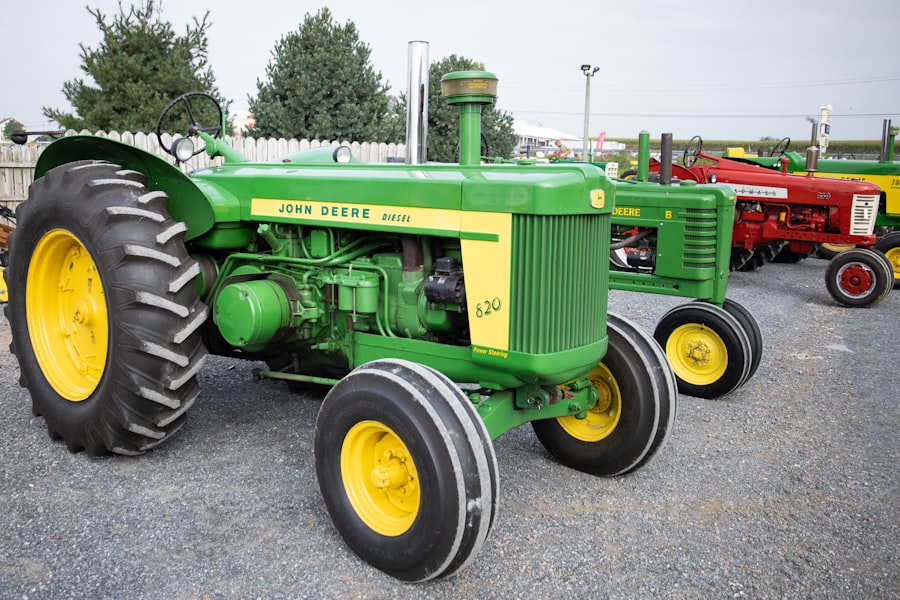
Despite the numerous advantages associated with advanced farm machinery, several challenges hinder its widespread adoption among farmers. One significant barrier is the high initial investment required for purchasing sophisticated equipment. Many smallholder farmers may find it difficult to afford such machinery without access to financing options or government subsidies.
This financial constraint can perpetuate inequalities within the agricultural sector, as larger agribusinesses are often better positioned to invest in cutting-edge technology. Additionally, there is a steep learning curve associated with operating advanced machinery effectively. Farmers must acquire new skills to navigate complex systems that incorporate digital interfaces and automated processes.
This need for training can be particularly daunting for older generations who may be less familiar with technology. Furthermore, maintenance and repair of advanced machinery require specialized knowledge and resources that may not be readily available in rural areas. These challenges underscore the importance of developing support systems that facilitate access to technology while providing education and training opportunities for farmers.
The Environmental Impact of Advanced Farm Machinery
The environmental implications of advanced farm machinery are multifaceted and warrant careful consideration. On one hand, mechanization can lead to more efficient use of resources such as water and fertilizers, which can mitigate negative environmental impacts associated with overuse or misapplication. For instance, precision agriculture techniques enable farmers to apply inputs only where needed, reducing runoff into nearby waterways and minimizing soil degradation.
Conversely, the increased reliance on heavy machinery can contribute to soil compaction and erosion if not managed properly. The weight of large tractors and harvesters can compress soil structure, leading to reduced aeration and water infiltration capabilities. Additionally, the carbon footprint associated with operating fossil fuel-powered machinery raises concerns about greenhouse gas emissions in agriculture.
As such, there is a growing emphasis on developing sustainable practices that balance the benefits of mechanization with environmental stewardship.
The Importance of Training and Education in Utilizing Advanced Farm Machinery
To fully harness the potential of advanced farm machinery, comprehensive training and education programs are essential. Farmers must be equipped with the knowledge and skills necessary to operate complex equipment safely and efficiently. This includes understanding how to interpret data generated by precision agriculture tools and making informed decisions based on that information.
Educational initiatives can take various forms, from workshops conducted by agricultural extension services to online courses offered by universities or industry organizations. Collaborations between technology providers and educational institutions can also facilitate hands-on training opportunities that allow farmers to gain practical experience with new machinery before making significant investments. By prioritizing education in this rapidly evolving field, stakeholders can ensure that farmers are not only capable of utilizing advanced machinery but are also empowered to innovate within their practices for greater sustainability and productivity in agriculture.