
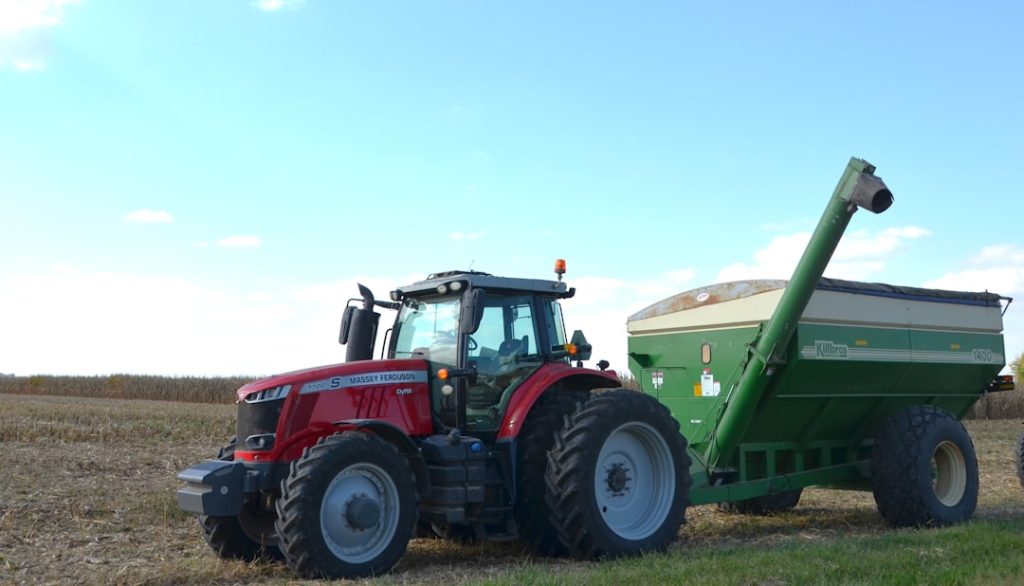
The agricultural sector has undergone a profound transformation over the past few decades, largely driven by technological advancements. The introduction of modern technology has not only increased productivity but has also enhanced the efficiency of farming practices. For instance, the use of data analytics and satellite imagery allows farmers to make informed decisions regarding crop management, irrigation, and pest control.
This data-driven approach enables farmers to optimize their resources, reduce waste, and ultimately increase yields. The integration of technology into agriculture has also facilitated better supply chain management, ensuring that produce reaches consumers in a timely manner while minimizing losses. Moreover, technology has played a crucial role in addressing some of the pressing challenges faced by the agricultural industry, such as climate change and food security.
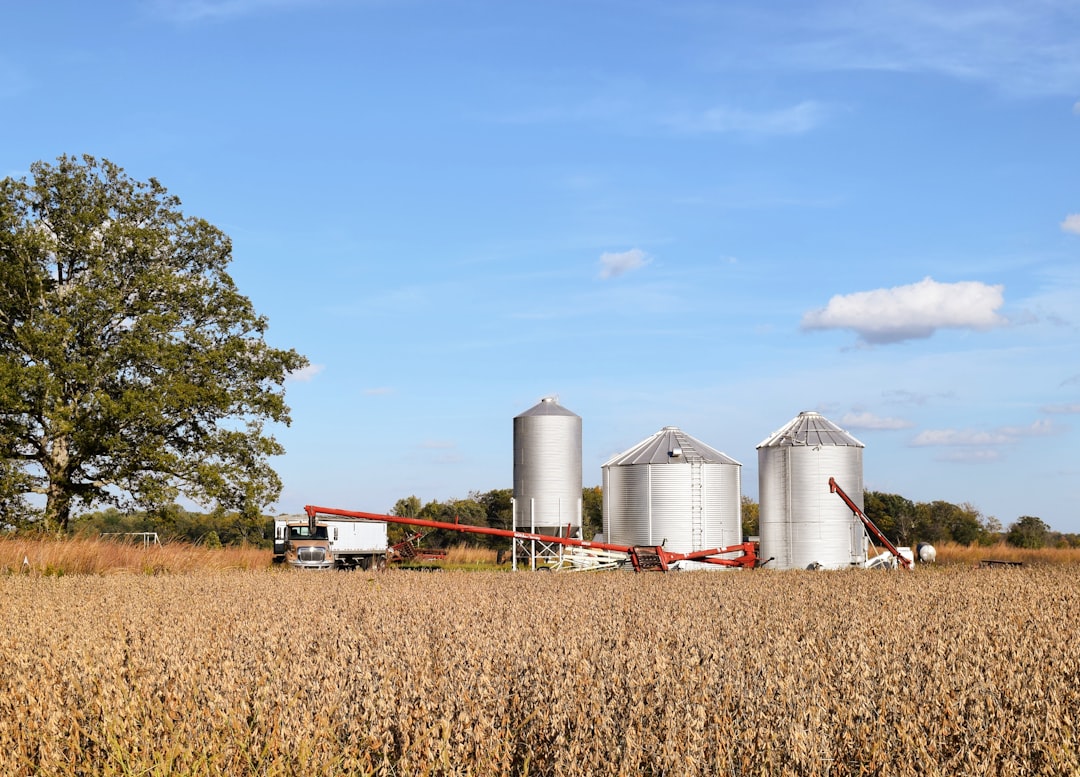
With the global population projected to reach nearly 10 billion by 2050, the demand for food is expected to rise significantly. Innovative technologies such as genetically modified organisms (GMOs), vertical farming, and hydroponics are being explored to meet this demand sustainably. These advancements not only aim to increase food production but also focus on reducing the environmental impact of farming practices.
As a result, technology is reshaping agriculture into a more resilient and sustainable industry capable of feeding the growing population.
Key Takeaways
- Technology has significantly transformed agriculture, enhancing productivity and efficiency.
- Modern farming relies heavily on advanced machinery, including precision and autonomous equipment.
- Innovations in crop monitoring and AI integration improve decision-making and resource management.
- Sustainable and eco-friendly farming equipment are becoming essential for environmental conservation.
- Future agricultural trends focus on increased automation, smart technologies, and sustainable practices.
The Role of Machinery in Modern Farming
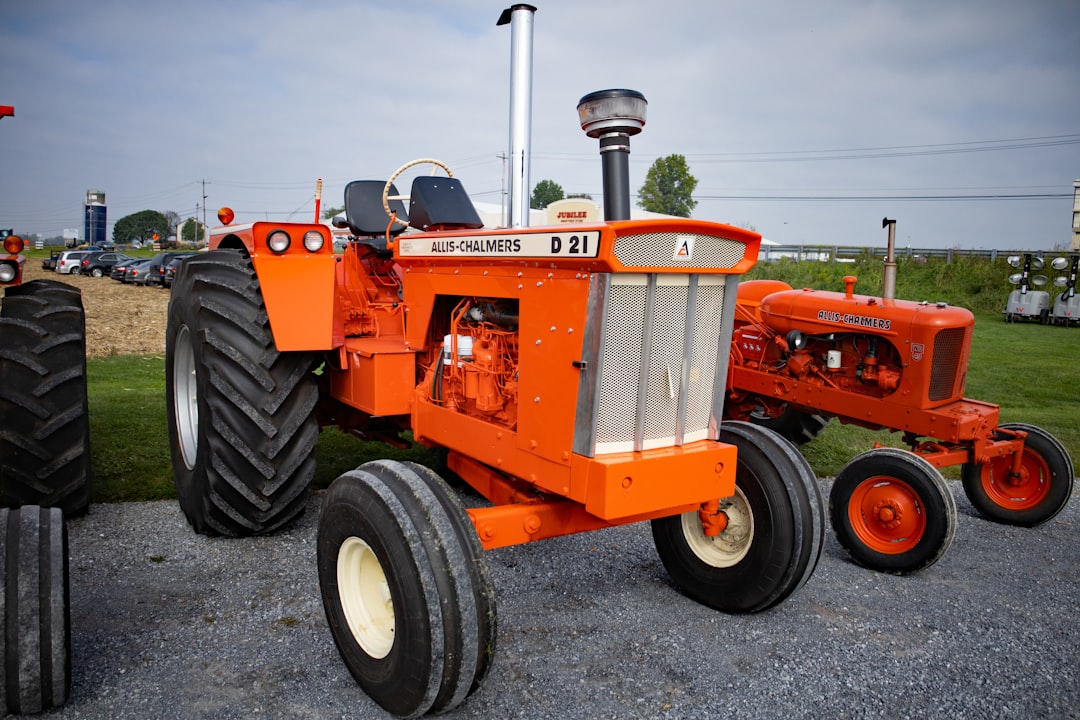
Machinery has become an indispensable component of modern agriculture, revolutionizing traditional farming methods. Tractors, combine harvesters, and plows have replaced manual labor in many aspects of farming, allowing for greater efficiency and productivity. For example, a modern tractor equipped with GPS technology can plow fields with precision, reducing overlap and ensuring that every inch of land is utilized effectively.
This not only saves time but also conserves fuel and reduces soil compaction, which can lead to healthier crops. In addition to traditional machinery, specialized equipment has emerged to cater to specific agricultural needs. For instance, seed drills enable farmers to plant seeds at optimal depths and spacing, which can significantly enhance germination rates and crop yields.
Similarly, advanced irrigation systems such as drip irrigation and pivot systems allow for targeted water application, minimizing waste and ensuring that crops receive the necessary hydration without overwatering. The evolution of machinery in agriculture reflects a shift towards more mechanized and efficient practices that are essential for meeting the demands of modern farming.
Advancements in Precision Farming Equipment
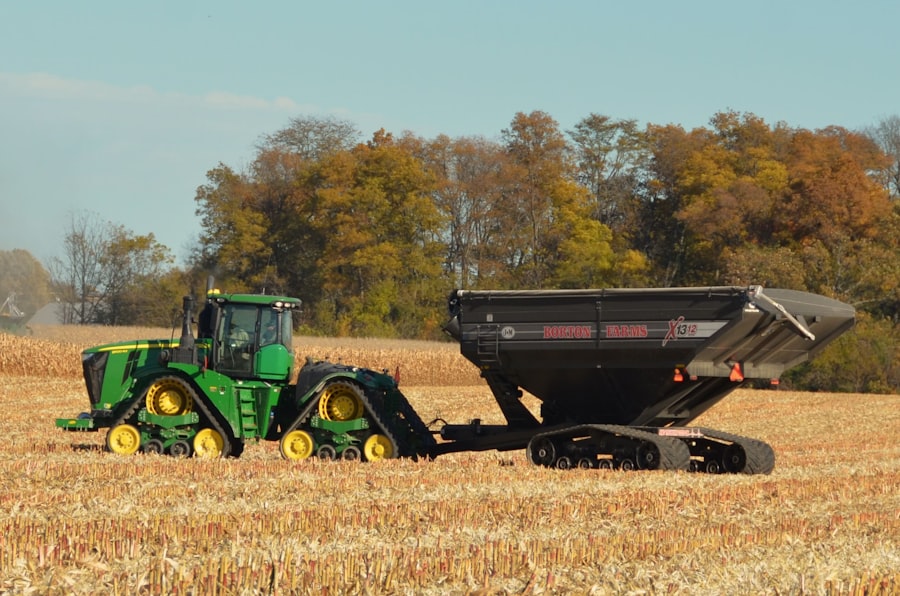
Precision farming represents a paradigm shift in agricultural practices, emphasizing the use of technology to monitor and manage field variability in crops. This approach relies on advanced equipment such as soil sensors, drones, and satellite imagery to gather data on various factors affecting crop growth. For instance, soil sensors can provide real-time information about moisture levels, nutrient content, and pH levels, enabling farmers to tailor their inputs accordingly.
This targeted approach not only enhances crop health but also reduces the overuse of fertilizers and pesticides, promoting environmental sustainability. Drones have emerged as a powerful tool in precision farming, offering aerial views of fields that can be analyzed for crop health assessments. Equipped with multispectral cameras, drones can capture images that reveal variations in plant health, allowing farmers to identify areas that require attention.
This capability enables timely interventions, such as targeted spraying of fertilizers or pesticides, which can lead to improved yields while minimizing chemical usage. The advancements in precision farming equipment underscore the importance of data-driven decision-making in agriculture, paving the way for more sustainable and efficient farming practices.
The Rise of Autonomous and Robotic Farming Machinery
| Metric | 2018 | 2020 | 2022 | 2024 (Projected) |
|---|---|---|---|---|
| Global Market Size (Billion USD) | 2.5 | 4.1 | 6.8 | 10.5 |
| Number of Autonomous Tractors Sold (Thousands) | 1.2 | 3.5 | 7.8 | 15.0 |
| Average Efficiency Increase (%) | 10 | 18 | 27 | 35 |
| Reduction in Labor Costs (%) | 5 | 12 | 20 | 30 |
| Adoption Rate by Large Farms (%) | 8 | 20 | 40 | 60 |
| Number of Robotic Harvesters Deployed (Thousands) | 0.5 | 1.8 | 4.2 | 8.0 |
The advent of autonomous and robotic machinery marks a significant milestone in the evolution of agriculture. These technologies are designed to perform tasks with minimal human intervention, thereby increasing efficiency and reducing labor costs. Autonomous tractors equipped with GPS and advanced sensors can navigate fields independently, performing tasks such as planting, tilling, and harvesting without the need for a driver.
This not only streamlines operations but also allows farmers to allocate their labor resources more effectively. Robotic systems are also making their way into various aspects of farming. For example, robotic harvesters are being developed to pick fruits and vegetables with precision and speed that surpasses human capabilities.
These machines can operate around the clock, significantly increasing productivity during peak harvest seasons. Additionally, robots are being utilized for tasks such as weeding and planting, further reducing the reliance on manual labor. The rise of autonomous and robotic farming machinery represents a shift towards a more automated agricultural landscape that promises to enhance productivity while addressing labor shortages in the industry.
Innovations in Crop Monitoring and Management Systems
Crop monitoring and management systems have evolved significantly with the integration of technology into agriculture. These systems utilize a combination of sensors, satellite imagery, and data analytics to provide farmers with comprehensive insights into their crops’ health and growth conditions. For instance, remote sensing technology allows farmers to monitor crop conditions from afar, identifying issues such as pest infestations or nutrient deficiencies before they escalate into larger problems.
Furthermore, innovative software platforms have emerged that enable farmers to manage their operations more effectively. These platforms often incorporate features such as weather forecasting, market analysis, and yield predictions, providing farmers with a holistic view of their agricultural activities. By leveraging these tools, farmers can make informed decisions regarding planting schedules, resource allocation, and market timing.
The innovations in crop monitoring and management systems exemplify how technology is enhancing the ability of farmers to optimize their operations and respond proactively to challenges.
The Integration of Artificial Intelligence in Agricultural Machinery
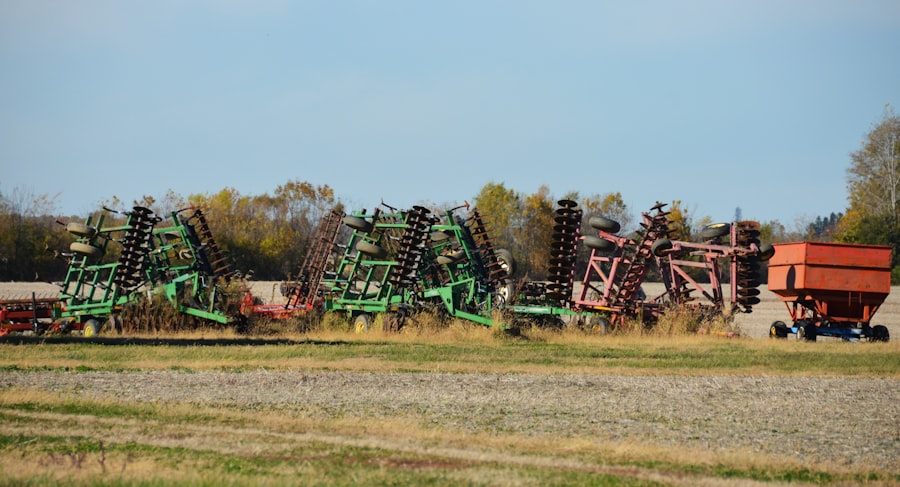
Artificial intelligence (AI) is increasingly being integrated into agricultural machinery, transforming how farmers approach various tasks. AI algorithms can analyze vast amounts of data collected from sensors and other sources to provide actionable insights that enhance decision-making processes. For example, AI-powered systems can predict crop yields based on historical data and current conditions, allowing farmers to plan their operations more effectively.
Additionally, AI is being utilized in precision agriculture to optimize resource usage. Machine learning algorithms can analyze data from soil sensors and weather patterns to recommend optimal irrigation schedules or fertilizer application rates tailored to specific field conditions. This level of customization not only improves crop health but also minimizes environmental impact by reducing excess chemical runoff into surrounding ecosystems.
The integration of AI into agricultural machinery signifies a move towards smarter farming practices that leverage data-driven insights for improved outcomes.
Sustainable Farming Practices and Eco-Friendly Equipment
Sustainability has become a central focus in modern agriculture as concerns about environmental degradation and climate change intensify. Farmers are increasingly adopting sustainable practices that prioritize soil health, biodiversity, and resource conservation. For instance, cover cropping is a technique used to improve soil fertility while preventing erosion; it involves planting specific crops during off-seasons to enhance soil structure and nutrient content.
Eco-friendly equipment is also gaining traction within the agricultural sector. Innovations such as electric tractors and solar-powered irrigation systems are being developed to reduce reliance on fossil fuels and minimize carbon footprints. These technologies not only contribute to sustainability efforts but also offer long-term cost savings for farmers by reducing fuel expenses.
The emphasis on sustainable farming practices and eco-friendly equipment reflects a growing recognition of agriculture’s role in addressing environmental challenges while ensuring food security for future generations.
The Future of Agriculture: Trends and Predictions
Looking ahead, several trends are poised to shape the future of agriculture significantly. One notable trend is the continued advancement of biotechnology, particularly in developing crops that are resistant to pests and diseases or have enhanced nutritional profiles. As research progresses in this field, genetically modified crops may play an increasingly vital role in ensuring food security amid changing climate conditions.
Another trend is the increasing adoption of digital technologies within agriculture. The Internet of Things (IoT) is expected to revolutionize farming by connecting various devices and systems for seamless data exchange. This connectivity will enable real-time monitoring of crops and livestock while facilitating more efficient resource management.
Moreover, urban agriculture is likely to gain momentum as cities seek innovative solutions to food production challenges. Vertical farms and rooftop gardens are becoming more common as urban dwellers look for ways to grow fresh produce locally while minimizing transportation emissions. As these trends unfold, it is clear that technology will continue to play a pivotal role in shaping the future of agriculture.
By embracing innovation while prioritizing sustainability, the agricultural sector can adapt to meet the challenges posed by a growing global population and an ever-changing environment.