
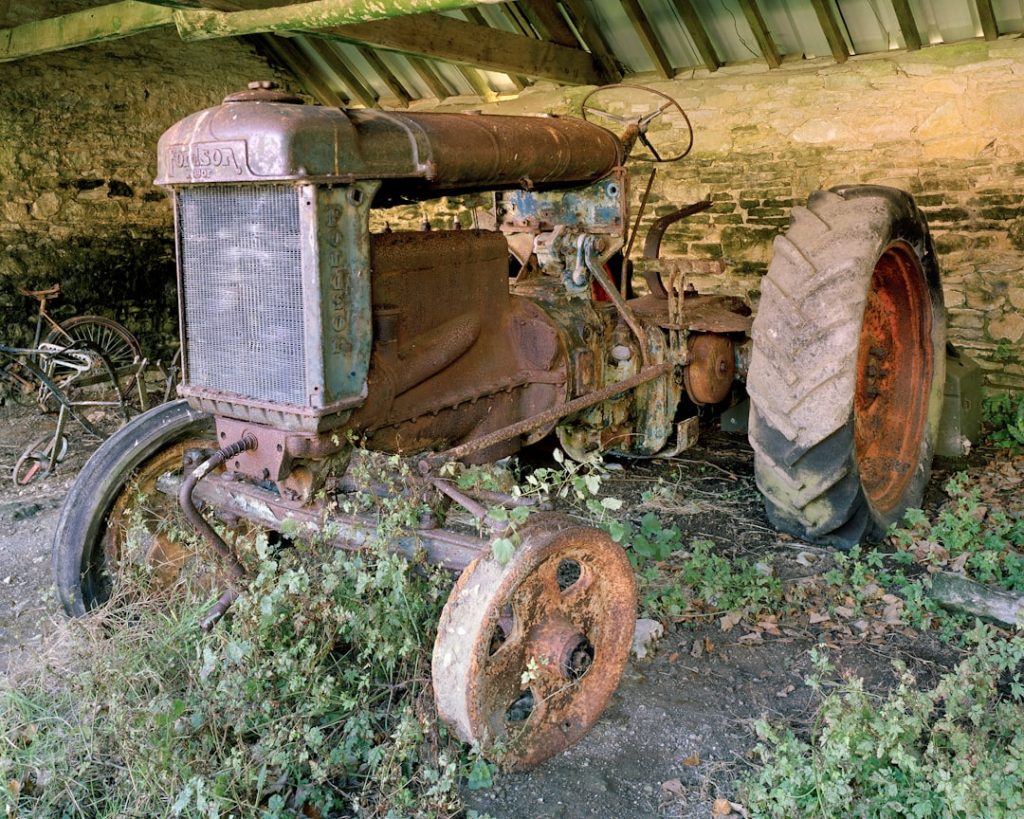
The evolution of tractors is a fascinating journey that reflects the broader changes in agriculture and technology over the past century. The first tractors emerged in the late 19th century, primarily as steam-powered machines. These early models were cumbersome and required significant maintenance, but they marked a pivotal shift from horse-drawn plows to mechanized farming.
The introduction of gasoline engines in the early 20th century revolutionized tractor design, making them more efficient and easier to operate. Companies like Ford, International Harvester, and John Deere began producing tractors that were not only powerful but also more accessible to the average farmer. By the 1920s and 1930s, tractors had become essential tools on farms across America.
The Great Depression spurred innovation as manufacturers sought to create affordable models that could help farmers increase productivity. The Fordson tractor, introduced by Henry Ford in 1917, was one of the first mass-produced tractors, making it a symbol of agricultural modernization. As World War II approached, the demand for food surged, leading to further advancements in tractor technology.
Post-war, the introduction of hydraulic systems and more powerful engines allowed for greater versatility in farming tasks, solidifying the tractor’s role as an indispensable asset on farms.
Key Takeaways
- Antique tractors have a rich history that reflects agricultural advancements over time.
- Collecting antique tractors appeals to enthusiasts due to their rarity and nostalgic value.
- Auctions often feature rare and notable tractors that attract dedicated collectors.
- Successful auction attendance requires preparation and knowledge of the tractors’ condition and provenance.
- Maintaining antique tractors involves specialized care to preserve their functionality and historical integrity.
The Appeal of Collecting Antique Tractors
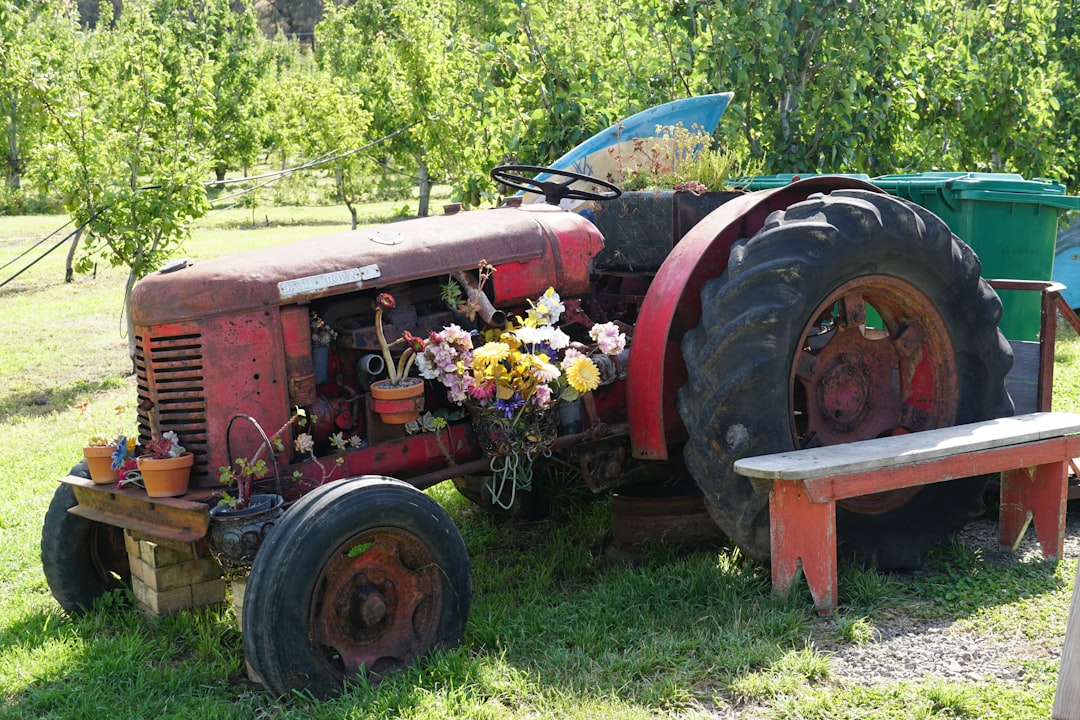
Collecting antique tractors is more than just a hobby; it is a passion that connects enthusiasts to history, craftsmanship, and the agricultural roots of society. For many collectors, these machines represent a tangible link to their heritage or family history. Tractors often evoke nostalgia for simpler times when farming was done by hand or with basic machinery.
This emotional connection drives many collectors to seek out specific models that may have been used by their ancestors or that represent a particular era in agricultural development. Moreover, the craftsmanship involved in building these antique machines is a significant draw for collectors. Many antique tractors were constructed with meticulous attention to detail, showcasing the engineering prowess of their time.
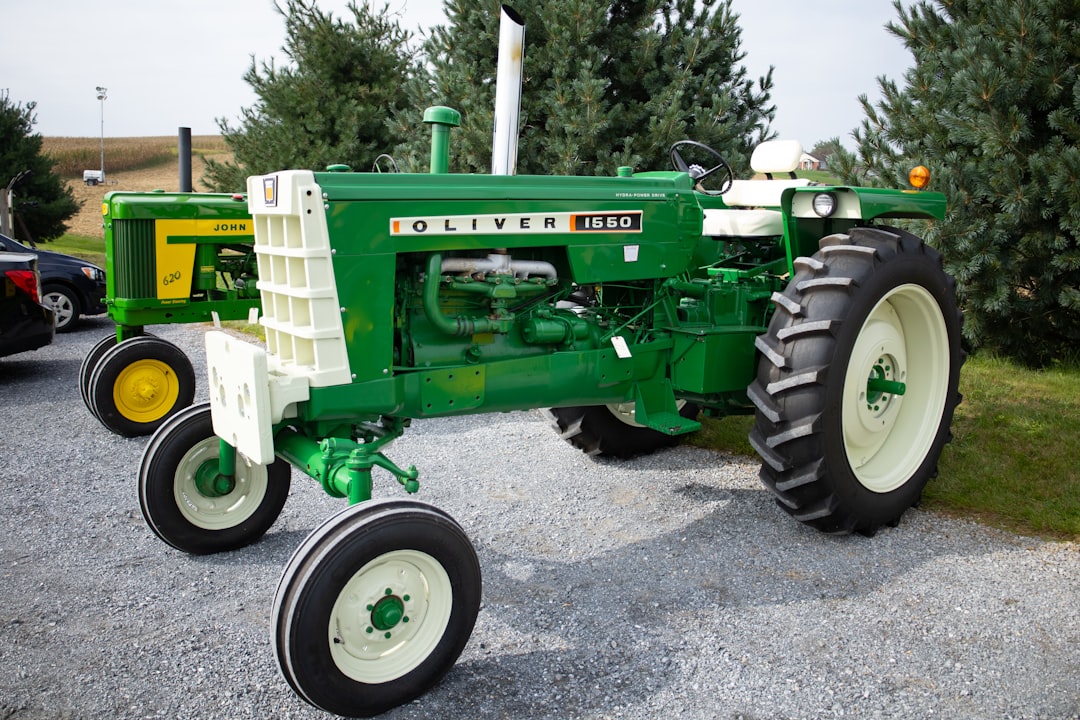
Collectors appreciate the unique designs and features that distinguish each model, from the iconic green and yellow of John Deere to the distinctive red of International Harvester. The restoration process itself can be a labor of love, allowing collectors to engage deeply with the mechanics and aesthetics of these historical machines. This hands-on involvement fosters a sense of accomplishment and pride as they bring these pieces of history back to life.
The Rarity of the Tractors up for Auction
Antique tractor auctions have become a popular venue for collectors seeking rare and unique models. The rarity of these tractors often stems from several factors, including limited production runs, historical significance, or unique features that set them apart from more common models. For instance, certain tractors were produced in small quantities due to economic constraints or shifts in agricultural practices, making them highly sought after by collectors today.
Auctions provide an opportunity for enthusiasts to acquire these rare pieces, often at competitive prices that reflect their historical value. The excitement surrounding auctions is amplified by the unpredictability of what might be available. Some auctions feature tractors that have been meticulously restored, while others may present original models that have seen decades of use.
The condition of these tractors can vary widely, with some requiring extensive restoration work while others are ready to be showcased immediately. This diversity adds an element of thrill for bidders, as they navigate the fine line between investment potential and personal passion. Collectors often find themselves drawn to specific models based on their rarity and condition, making each auction a unique experience filled with possibilities.
Notable Tractors to Look Out For
| Tractor Model | Horsepower | Engine Type | Fuel Efficiency (mpg) | Key Features | Manufacturer |
|---|---|---|---|---|---|
| John Deere 8R Series | 230-410 | Diesel | 8-12 | AutoTrac GPS, PowerShift Transmission | John Deere |
| Case IH Magnum 400 | 370-400 | Diesel | 7-11 | Advanced Hydraulic System, CVT Transmission | Case IH |
| New Holland T7 Series | 140-300 | Diesel | 9-13 | IntelliView Display, ECOBlue HI-eSCR | New Holland |
| Massey Ferguson 8700 S | 230-400 | Diesel | 8-12 | Dyna-VT Transmission, Datatronic 5 | Massey Ferguson |
| Fendt 900 Vario | 231-415 | Diesel | 9-14 | Vario Transmission, VarioGrip Tires | Fendt |
When attending an antique tractor auction, certain models stand out due to their historical significance or unique features. One such model is the Ford 8N, which was produced from 1947 to 1952 and is often regarded as one of the most popular tractors in American history. Its innovative design included a three-point hitch system that revolutionized how implements were attached and used on farms.
Collectors appreciate the Ford 8N not only for its functionality but also for its role in shaping modern farming practices. Another notable model is the John Deere Model A, which was produced from 1934 to 1952. This tractor is celebrated for its distinctive styling and powerful performance.
The Model A was one of the first tractors to feature an adjustable wheelbase, allowing it to adapt to various farming tasks. Its enduring popularity among collectors is evidenced by its presence at auctions and shows across the country. Additionally, the Farmall H, produced by International Harvester from 1939 to 1952, is another sought-after model known for its versatility and ease of use.
Each of these tractors carries a story that resonates with collectors and serves as a reminder of the agricultural advancements that have shaped our world.
Tips for Attending an Antique Tractor Auction
Attending an antique tractor auction can be an exhilarating experience, but preparation is key to making the most of it. First and foremost, research is essential. Familiarize yourself with the types of tractors that will be available at the auction and their market values.
Understanding what you are looking for will help you make informed decisions when bidding. Additionally, it’s wise to set a budget before attending; this will prevent impulsive purchases that could lead to buyer’s remorse later on. Another important tip is to arrive early on auction day.
This allows you to inspect the tractors up for bid closely and assess their condition firsthand. Take notes on any models that catch your eye and ask questions about their history or any restoration work done. Engaging with sellers can provide valuable insights into the tractors’ backgrounds and potential issues you may need to address post-purchase.
Finally, during the bidding process, remain calm and stick to your budget; auctions can be fast-paced and emotionally charged environments where it’s easy to get swept up in the excitement.
The Community of Antique Tractor Collectors
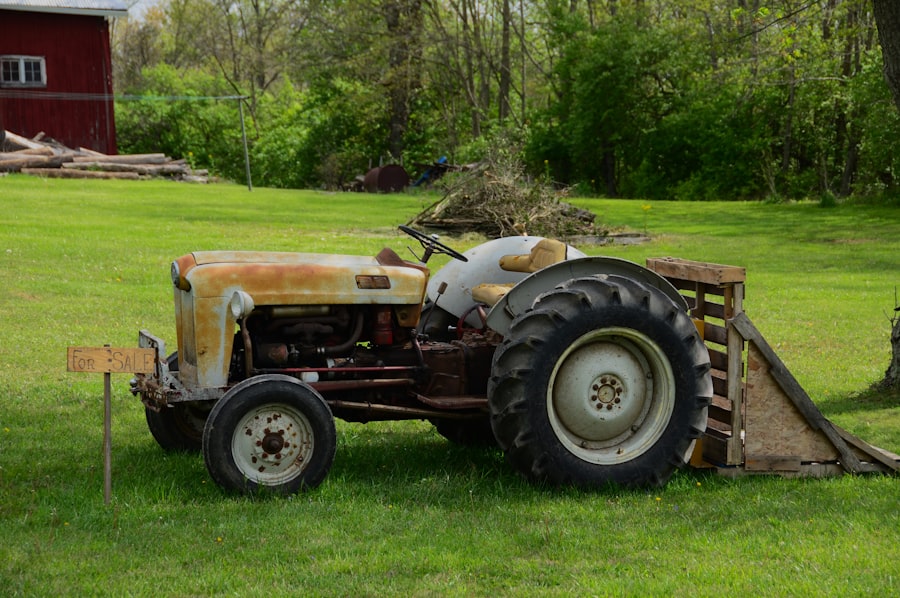
The world of antique tractor collecting is not just about individual ownership; it encompasses a vibrant community of enthusiasts who share a passion for these machines. Local clubs and organizations often host events such as tractor shows, parades, and swap meets where collectors can come together to celebrate their shared interests. These gatherings provide opportunities for networking, sharing restoration tips, and showcasing prized collections.
Many collectors form lasting friendships through these interactions, creating a sense of camaraderie that extends beyond mere transactions. Online forums and social media groups have also become vital platforms for antique tractor collectors. These digital spaces allow enthusiasts from around the globe to connect, share photos of their restorations, discuss market trends, and seek advice on maintenance issues.
The accessibility of information has fostered a more informed community where collectors can learn from one another’s experiences. Whether through local meetups or online discussions, the community aspect enriches the collecting experience and helps preserve the history and appreciation of antique tractors.
The Future of Antique Tractor Collecting
As we look toward the future of antique tractor collecting, several trends are emerging that may shape this niche hobby. One significant factor is the increasing interest in sustainable agriculture and vintage farming practices. As modern farming faces challenges related to sustainability and environmental impact, many enthusiasts are turning back to older methods that emphasize simplicity and efficiency—qualities inherent in many antique tractors.
This renewed interest could lead to a resurgence in collecting as more individuals seek out these machines for both practical use and historical appreciation. Additionally, technological advancements are influencing how collectors engage with their passion. Virtual auctions have gained popularity, allowing collectors from distant locations to participate without needing to travel physically.
This accessibility broadens the market for rare tractors and introduces new collectors who may not have previously considered participating in auctions or shows. Furthermore, advancements in restoration techniques and materials are enabling collectors to preserve these machines more effectively than ever before, ensuring that they remain functional and visually appealing for future generations.
How to Care for and Maintain an Antique Tractor
Caring for an antique tractor requires a blend of mechanical knowledge and respect for its historical significance. Regular maintenance is crucial to ensure these machines remain operational while preserving their value over time. Basic upkeep includes checking fluid levels—such as oil, coolant, and fuel—and inspecting belts and hoses for wear or damage.
Keeping the tractor clean is also essential; dirt and grime can lead to corrosion if left unchecked. A gentle wash followed by waxing can protect paint finishes while maintaining aesthetic appeal. Restoration projects often require specialized knowledge about specific models or brands; therefore, sourcing parts can be challenging but rewarding.
Many collectors turn to online marketplaces or specialty shops that cater specifically to vintage machinery for hard-to-find components. Additionally, joining collector clubs can provide access to resources such as manuals or advice from seasoned restorers who have tackled similar projects. Ultimately, maintaining an antique tractor is not just about preserving a machine; it’s about honoring its legacy within agricultural history while ensuring it remains functional for future enjoyment.