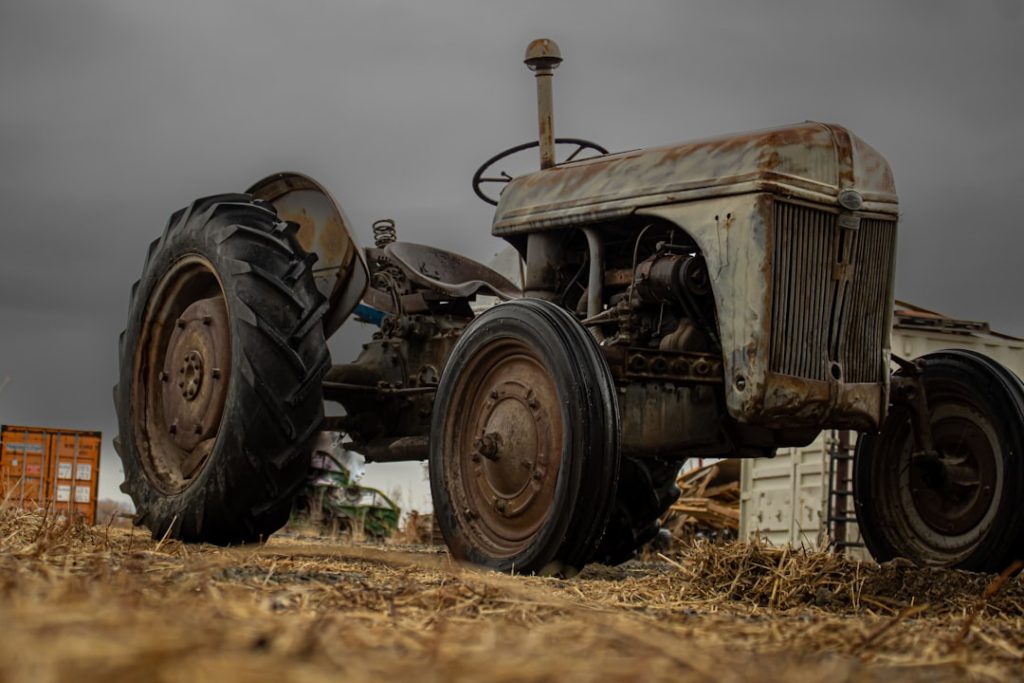
Purchasing a used tractor can be a highly advantageous decision for farmers, landscapers, and hobbyists alike. One of the most significant benefits is the cost savings associated with buying pre-owned equipment. New tractors can carry hefty price tags, often ranging from tens of thousands to over a hundred thousand dollars, depending on the model and features.
In contrast, used tractors can be found at a fraction of the cost, allowing buyers to allocate their budgets more effectively. This financial flexibility can enable them to invest in other essential equipment or improvements for their operations. Moreover, used tractors often come with a proven track record.
Buyers can benefit from the experiences of previous owners, gaining insights into the machine’s performance and reliability. Many used tractors have been well-maintained and may even come with upgrades or modifications that enhance their functionality. This history can provide peace of mind, as potential buyers can assess how the tractor has performed over time, which is particularly valuable when considering models that have been in production for several years.
Additionally, the depreciation on used tractors is significantly less than that of new ones, meaning that buyers are less likely to experience steep value losses shortly after purchase.
Key Takeaways
- Buying a used tractor offers cost savings and value for agricultural needs.
- Key factors include tractor condition, hours of use, and compatibility with your tasks.
- Quality used tractors can be found through dealers, online marketplaces, and auctions.
- Thorough inspection and reviewing maintenance records are crucial before purchase.
- Understanding financing options and negotiating effectively can secure the best deal.
Factors to Consider When Buying a Used Tractor
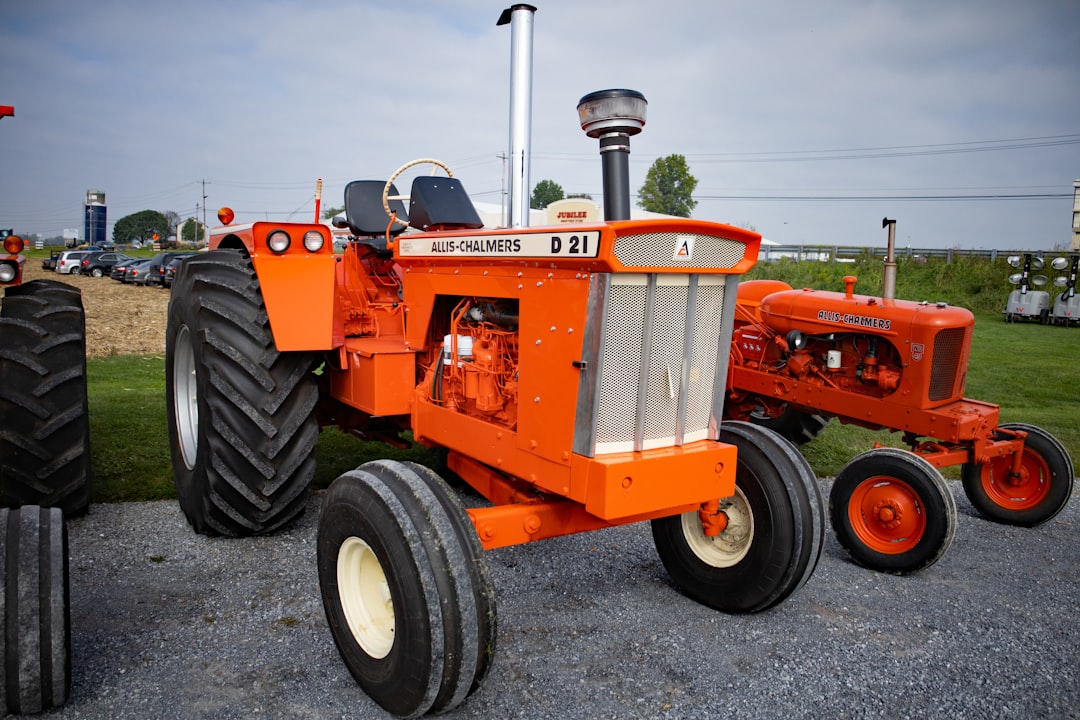
When embarking on the journey to purchase a used tractor, several critical factors must be taken into account to ensure a wise investment. First and foremost is the intended use of the tractor. Different tasks require different specifications; for instance, a tractor meant for heavy-duty farming will differ significantly from one intended for light landscaping work.
Understanding the specific needs—such as horsepower, size, and attachment compatibility—will help narrow down options and ensure that the chosen tractor meets operational requirements. Another essential factor is the age and condition of the tractor. Older models may be more affordable but could also come with increased wear and tear.
Buyers should consider how many hours the tractor has been operated, as this can be a strong indicator of its remaining lifespan. Additionally, examining the overall condition—such as the state of the engine, transmission, tires, and hydraulic systems—can provide insight into potential future repairs or maintenance costs. It’s also wise to research the brand and model’s reputation for reliability and durability, as some manufacturers are known for producing long-lasting equipment while others may have a history of issues.
Where to Find Quality Used Tractors for Sale
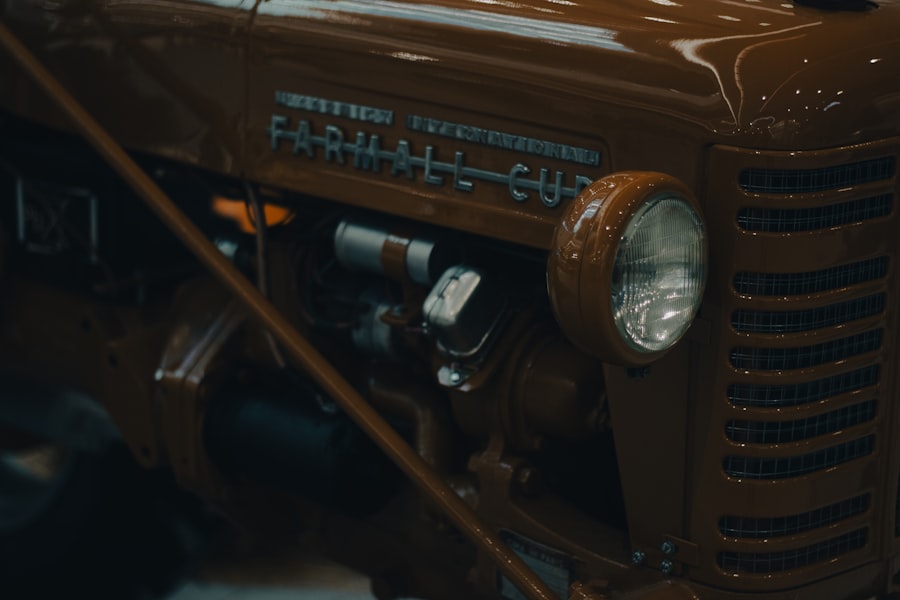
Finding quality used tractors requires a strategic approach to sourcing options. One of the most common avenues is through local dealerships that specialize in agricultural equipment. These dealerships often have a selection of used tractors that have been inspected and serviced before being put up for sale.
They may also offer warranties or guarantees on their used inventory, providing an additional layer of security for buyers. Visiting these dealerships allows potential buyers to see the tractors in person and ask questions about their history and condition. Online marketplaces have also become increasingly popular for finding used tractors.
Websites such as TractorHouse, eBay, and Craigslist feature listings from private sellers and dealers alike. These platforms allow buyers to filter searches based on location, price range, and specific features, making it easier to find a tractor that meets their needs. However, while online shopping offers convenience, it is crucial to exercise caution by verifying seller credibility and thoroughly researching any listings before making a commitment.
Additionally, agricultural auctions can be an excellent source for finding used tractors at competitive prices; however, buyers should be prepared to act quickly and conduct due diligence on any equipment they are interested in.
Tips for Inspecting a Used Tractor Before Purchase
| Inspection Tip | What to Check | Why It Matters | Recommended Action |
|---|---|---|---|
| Engine Condition | Check for leaks, unusual noises, and smoke color | Indicates engine health and potential costly repairs | Run engine, listen carefully, and inspect oil and coolant levels |
| Hydraulic System | Inspect hoses, cylinders, and fluid levels | Ensures proper operation of attachments and lifting mechanisms | Look for leaks and test hydraulic functions |
| Tires and Wheels | Check tread depth, cracks, and wheel alignment | Impacts traction, safety, and overall performance | Measure tread and inspect for damage or uneven wear |
| Transmission and Clutch | Test shifting smoothness and clutch engagement | Critical for tractor control and longevity | Operate tractor through all gears and test clutch response |
| Electrical System | Check battery, wiring, lights, and gauges | Ensures reliable starting and operation of electrical components | Test all electrical functions and inspect battery condition |
| Frame and Body | Look for rust, cracks, and previous repairs | Structural integrity affects safety and durability | Inspect undercarriage and body panels carefully |
| Service History | Review maintenance records and past repairs | Provides insight into tractor’s upkeep and potential issues | Request documentation and verify with seller |
| Test Drive | Operate tractor under load and various conditions | Reveals real-world performance and hidden problems | Drive on different terrains and listen for abnormalities |
Inspecting a used tractor before finalizing a purchase is an essential step that can save buyers from costly mistakes down the line. A thorough inspection should begin with a visual assessment of the exterior. Look for signs of rust or corrosion on the body and frame, as these can indicate neglect or exposure to harsh conditions.
Pay close attention to the condition of the tires; worn or unevenly worn tires may suggest alignment issues or improper maintenance. Additionally, check for leaks around the engine and hydraulic systems, as these can signal underlying problems that may require expensive repairs. Beyond the exterior examination, it is crucial to assess the tractor’s operational capabilities.
If possible, request a demonstration to observe how the tractor performs under load. Listen for unusual noises from the engine or transmission during operation; knocking or grinding sounds can indicate serious mechanical issues. Furthermore, inspect the controls and gauges inside the cab to ensure they function correctly.
A comprehensive test drive can reveal how well the tractor handles and whether it meets performance expectations. If you are not confident in your ability to assess mechanical conditions accurately, consider bringing along a knowledgeable mechanic or technician who can provide expert insights.
The Importance of Maintenance Records for Used Tractors
Maintenance records play a pivotal role in evaluating the reliability and longevity of a used tractor. A well-documented maintenance history can provide invaluable insights into how well the machine has been cared for over its lifespan. Regular maintenance—such as oil changes, filter replacements, and inspections—indicates that previous owners took their responsibilities seriously and likely invested in keeping the tractor in good working order.
Conversely, a lack of records may raise red flags about potential neglect or deferred maintenance. When reviewing maintenance records, pay attention to any major repairs or replacements that have been performed on critical components like the engine or transmission. Understanding what has been done can help gauge future maintenance needs and potential costs.
Additionally, inquire about any modifications or upgrades made to the tractor; these enhancements can sometimes improve performance but may also introduce complexities that require specialized knowledge for repairs. Ultimately, thorough maintenance records can provide peace of mind and serve as a valuable negotiating tool when discussing price.
Financing Options for Purchasing a Used Tractor
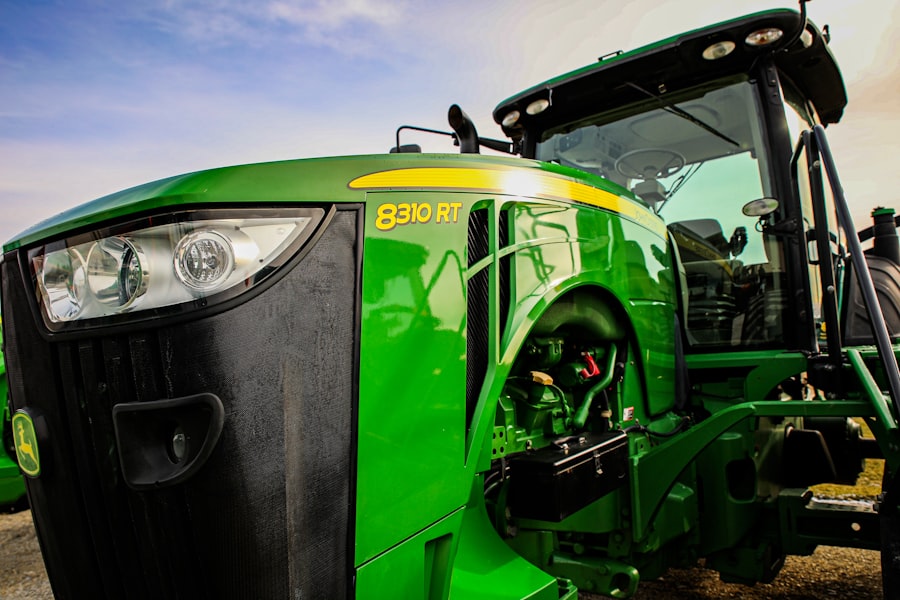
Financing options are an essential consideration when purchasing a used tractor, especially given the significant investment involved. Many buyers may not have sufficient cash on hand to make an outright purchase and will need to explore financing solutions that fit their financial situation. Traditional bank loans are one option; these loans typically offer competitive interest rates but may require substantial documentation and credit checks.
Buyers should shop around to compare rates from different lenders to find the best deal. Another financing avenue is through specialized agricultural lenders who understand the unique needs of farmers and equipment buyers. These lenders often offer tailored financing solutions with flexible terms that accommodate seasonal income fluctuations common in agriculture.
Additionally, some dealerships may provide in-house financing options or partnerships with financial institutions that streamline the purchasing process. It’s essential to read all terms carefully and understand any fees associated with financing before committing to ensure that it aligns with your budgetary constraints.
How to Negotiate the Best Price for a Used Tractor
Negotiating the price of a used tractor requires preparation and strategy to achieve favorable terms. Start by conducting thorough research on comparable models in your area to establish a baseline price range. Websites like Kelley Blue Book or industry-specific resources can provide insights into fair market values based on age, condition, and features.
Armed with this information, you will be better positioned to make an informed offer that reflects both your budget and market realities. When entering negotiations, approach discussions with confidence but remain open-minded about counteroffers from the seller. Highlight any concerns identified during your inspection—such as needed repairs or maintenance issues—as leverage in your negotiations.
Sellers may be more willing to lower their asking price if they recognize that certain aspects of the tractor require attention or investment. Additionally, consider offering cash upfront if possible; this can sometimes incentivize sellers to negotiate more favorably since it eliminates financing uncertainties.
The Best Practices for Transporting a Used Tractor to Your Location
Transporting a used tractor requires careful planning to ensure safe delivery without damage to the equipment or surrounding vehicles. First and foremost, assess whether you have the necessary equipment for transport; this may include a suitable trailer capable of handling the weight and size of the tractor. Ensure that your vehicle is rated for towing such loads and that you have all required safety equipment like chains and straps for securing the tractor during transit.
If you are unfamiliar with transporting heavy machinery, consider hiring professional transport services specializing in agricultural equipment. These professionals possess experience in safely loading, securing, and unloading tractors while adhering to local regulations regarding oversized loads. If you choose to transport it yourself, familiarize yourself with local laws regarding transport permits if applicable; some jurisdictions require permits for oversized loads or specific routes when transporting heavy machinery.
Regardless of your method of transport, always prioritize safety by ensuring that all equipment is properly secured before hitting the road to prevent accidents or damage during transit.