In the agricultural sector, the efficiency and productivity of farming operations are heavily reliant on the machinery employed. Quality used farm machinery plays a pivotal role in ensuring that farmers can perform their tasks effectively while managing costs. The acquisition of used equipment can significantly reduce initial capital outlay, allowing farmers to allocate resources to other critical areas such as seed quality, soil health, and labor.
Moreover, with the rapid advancements in technology, many farmers find that they can purchase high-quality used machinery that is only a few years old, equipped with modern features at a fraction of the cost of new equipment. The importance of quality used farm machinery extends beyond mere cost savings. Reliable equipment can enhance operational efficiency, reduce downtime, and improve overall productivity.
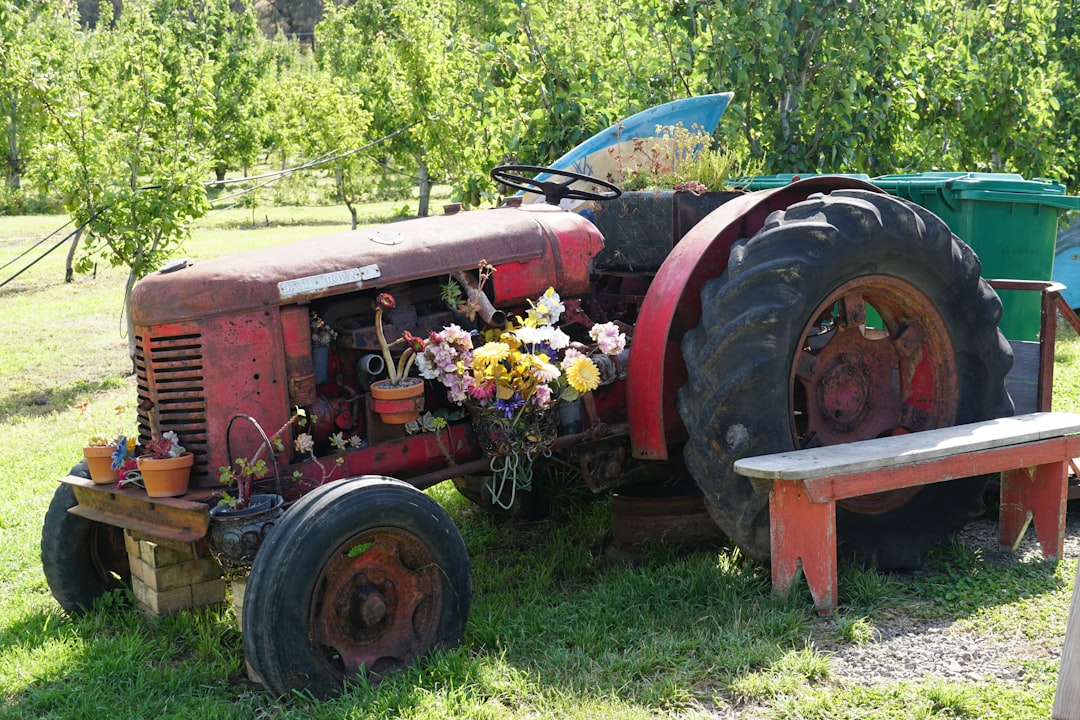
For instance, a well-maintained used tractor can perform just as effectively as a new model, provided it has been properly serviced and cared for. This reliability is crucial during peak seasons when time is of the essence. Additionally, investing in quality used machinery can also contribute to sustainability efforts within agriculture by extending the lifecycle of equipment and reducing waste associated with manufacturing new machines.
Key Takeaways
- Quality used farm machinery ensures reliable performance and cost savings for farmers.
- Thorough evaluation and inspection are crucial to assess the condition before purchase.
- Trusted dealers and online marketplaces are key sources for finding quality used equipment.
- Consider factors like machine history, usage, and maintenance records when buying.
- Proper maintenance extends the lifespan and efficiency of used farm machinery.
How to Evaluate the Condition of Used Farm Machinery
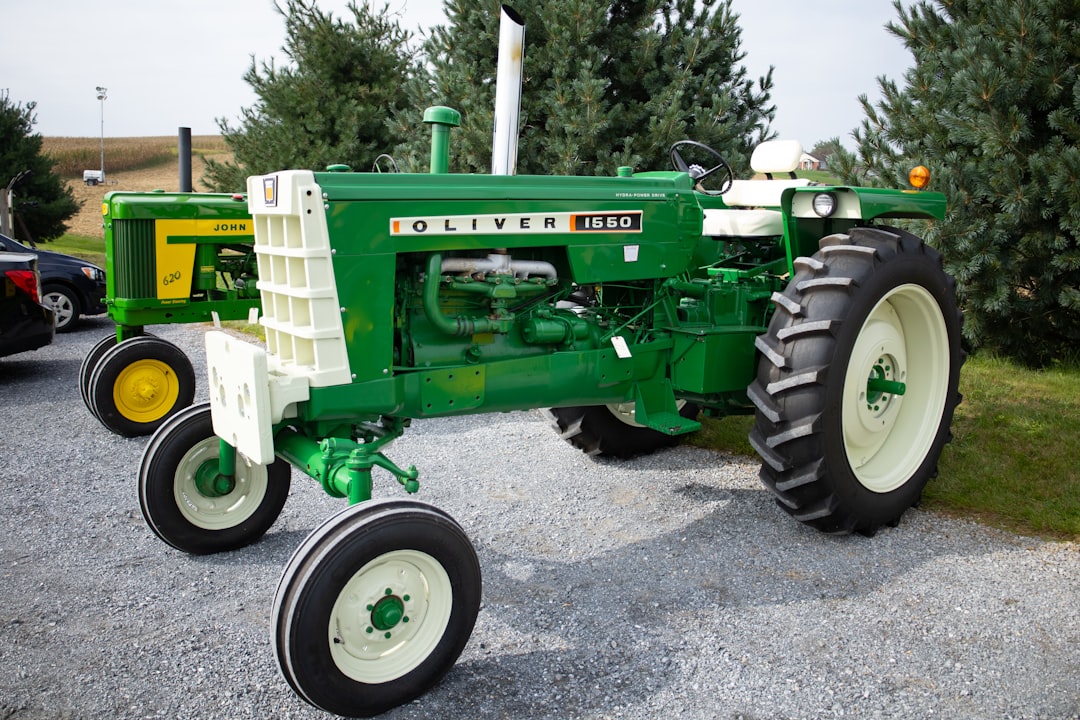
Evaluating the condition of used farm machinery is a critical step in ensuring that a purchase is sound and beneficial. A thorough inspection should begin with a visual assessment of the equipment. Look for signs of wear and tear, such as rust, dents, or cracks in the frame and body.
Pay particular attention to areas that are prone to corrosion, such as undercarriages and hydraulic lines. A well-maintained machine will typically show minimal signs of damage and will have a clean appearance, indicating that it has been cared for by its previous owner. Beyond visual inspection, it is essential to assess the mechanical condition of the machinery.
This involves checking the engine for any unusual noises or leaks, examining fluid levels, and ensuring that all moving parts operate smoothly. For tractors and combines, it is advisable to inspect the transmission and hydraulic systems, as these components are critical for performance. Additionally, reviewing maintenance records can provide insight into how well the machine has been cared for over its lifespan.
A history of regular servicing and repairs can indicate that the equipment is in good condition and has been used responsibly.
Where to Find Quality Used Farm Machinery for Sale
Finding quality used farm machinery requires a strategic approach to sourcing equipment from reputable sellers. One of the most common avenues is through local dealerships that specialize in agricultural machinery. These dealers often have a selection of used equipment that has been inspected and refurbished, providing buyers with some assurance regarding quality.
Additionally, many dealerships offer warranties or service agreements on their used machinery, which can further enhance buyer confidence. Online marketplaces have also become increasingly popular for sourcing used farm machinery. Websites such as TractorHouse, Machinery Pete, and eBay Motors allow farmers to browse extensive listings from various sellers across regions.
These platforms often include detailed descriptions, photographs, and even videos of the equipment in action. However, while online shopping offers convenience and variety, it is crucial to exercise caution by verifying seller credibility and arranging for inspections before finalizing any purchases.
Factors to Consider When Purchasing Used Farm Machinery
| Factor | Description | Key Metrics | Importance Level |
|---|---|---|---|
| Machine Condition | Overall physical and mechanical state of the machinery | Hours of use, wear and tear, maintenance records | High |
| Age of Machinery | Number of years since manufacture | Year of manufacture, model year | Medium |
| Brand and Model | Reputation and reliability of the manufacturer and model | Brand reliability ratings, availability of spare parts | High |
| Price | Cost of purchasing the used machinery | Market price comparison, negotiation margin | High |
| Fuel Efficiency | Amount of fuel consumed during operation | Fuel consumption rate (liters/hour) | Medium |
| Availability of Spare Parts | Ease of obtaining replacement parts | Parts availability index, lead time for parts | High |
| Previous Usage | Type and intensity of previous work done by the machinery | Type of crops worked on, workload history | Medium |
| Warranty and Support | Post-purchase service and warranty options | Warranty period, service agreements | Medium |
| Technology and Features | Modernity and availability of advanced features | GPS, automation, safety features | Low to Medium |
| Resale Value | Expected value when reselling the machinery | Depreciation rate, market demand | Medium |
When purchasing used farm machinery, several factors must be taken into account to ensure a wise investment. First and foremost is the type of machinery needed for specific farming operations. Different crops and farming methods require different types of equipment; thus, understanding the operational requirements is essential.
For example, a farmer specializing in row crops may prioritize purchasing a high-quality planter or sprayer, while a livestock farmer may focus on acquiring reliable feeding or manure management equipment. Another critical factor is the age and hours of operation of the machinery. Generally, newer models with lower hours are preferable as they tend to have less wear and tear.
However, older models that have been well-maintained can also be valuable if they meet operational needs effectively. Additionally, consider the availability of parts and service for the specific make and model being considered. Some brands have better support networks than others, which can significantly impact long-term maintenance costs and ease of repairs.
Tips for Inspecting Used Farm Machinery
Inspecting used farm machinery requires a systematic approach to ensure no critical issues are overlooked. Start by conducting a thorough visual inspection from top to bottom. Check for any signs of leaks around hydraulic lines or engine components, as these can indicate underlying problems that may require costly repairs.
Look closely at tires for wear patterns; uneven wear may suggest alignment issues or improper inflation. Next, take the time to operate the machinery if possible. For tractors or combines, this means starting the engine and listening for any unusual sounds while checking gauges for proper readings.
Engage all functions—such as lifting mechanisms or PTO (Power Take-Off) systems—to ensure they operate smoothly without hesitation or grinding noises. If you are not familiar with operating the equipment yourself, consider bringing along an experienced operator or mechanic who can provide insights into its functionality.
The Benefits of Investing in Quality Used Farm Machinery
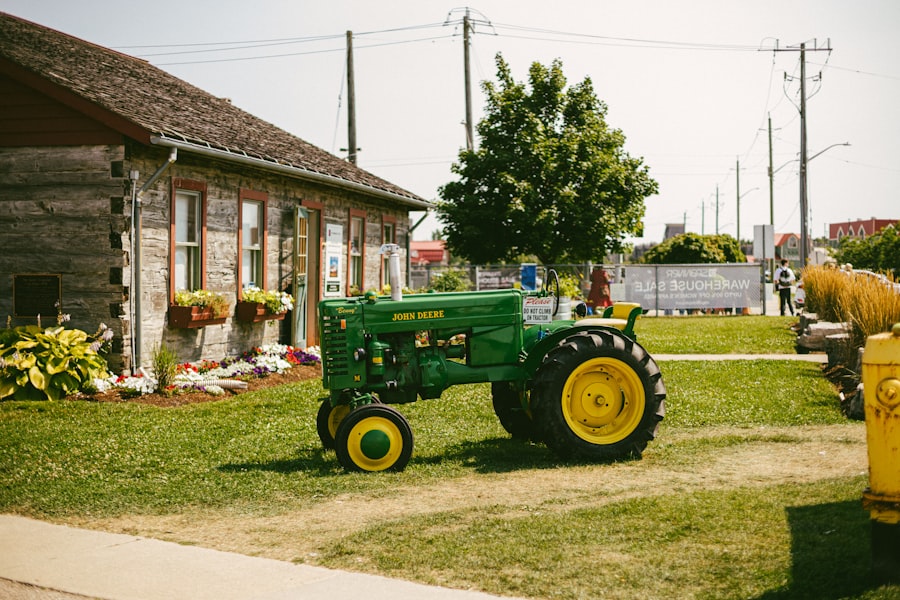
Investing in quality used farm machinery offers numerous advantages that can significantly impact a farming operation’s bottom line. One of the most immediate benefits is cost savings; purchasing used equipment typically requires a lower initial investment compared to new machinery. This financial flexibility allows farmers to allocate funds toward other essential areas such as crop inputs or labor costs, ultimately enhancing overall productivity.
Moreover, quality used machinery often comes with proven reliability if sourced correctly. Many farmers find that well-maintained older models can perform just as effectively as their newer counterparts while offering similar features at a fraction of the price. This reliability translates into reduced downtime during critical planting or harvesting periods, ensuring that operations run smoothly when they matter most.
Additionally, investing in used equipment contributes to sustainability efforts by extending the lifecycle of existing machines rather than contributing to waste through new manufacturing processes.
How to Negotiate the Price of Used Farm Machinery
Negotiating the price of used farm machinery is an essential skill that can lead to significant savings for buyers. The first step in this process is conducting thorough research on comparable models in similar condition to establish a baseline price range. Online resources such as auction results or classified ads can provide valuable insights into what similar equipment is selling for in your area.
When entering negotiations with a seller, approach the conversation with confidence but also be prepared to justify your offer based on your research findings. Highlight any concerns identified during your inspection that may warrant a lower price point, such as necessary repairs or maintenance issues. Additionally, be open to discussing terms beyond just price; factors such as delivery options or warranties can also be negotiated to create a more favorable deal overall.
Maintenance and Care for Used Farm Machinery
Proper maintenance and care are crucial for extending the lifespan and performance of used farm machinery. Establishing a regular maintenance schedule based on manufacturer recommendations is essential for keeping equipment in optimal working condition. This includes routine tasks such as oil changes, filter replacements, and checking fluid levels regularly to prevent breakdowns during critical operational periods.
In addition to routine maintenance, operators should also develop good operating practices that minimize wear and tear on machinery. This includes avoiding overloading equipment beyond its capacity and ensuring proper calibration for implements like planters or sprayers to achieve optimal performance without unnecessary strain on components. By prioritizing maintenance and care, farmers can maximize their investment in quality used farm machinery while ensuring reliable performance throughout its operational life.