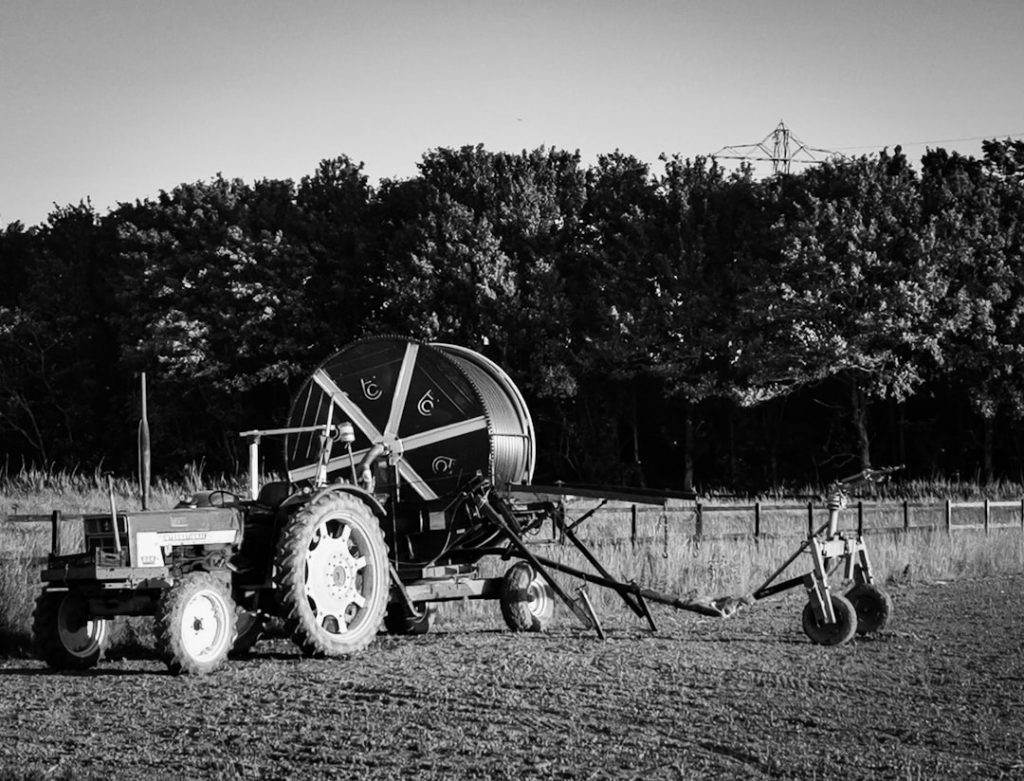
Purchasing quality used farm equipment can be a strategic decision for farmers looking to optimize their operations without incurring the high costs associated with new machinery. One of the primary benefits is the significant cost savings. New equipment can often come with a hefty price tag, which may not be feasible for all farmers, especially those operating on tight budgets.
By opting for used machinery, farmers can acquire reliable equipment at a fraction of the cost, allowing them to allocate their financial resources to other critical areas of their operations, such as seed purchases or labor costs. In addition to cost savings, buying used farm equipment can also provide access to a wider variety of models and brands that may no longer be in production. This is particularly advantageous for farmers who have specific needs or preferences based on their unique farming practices.
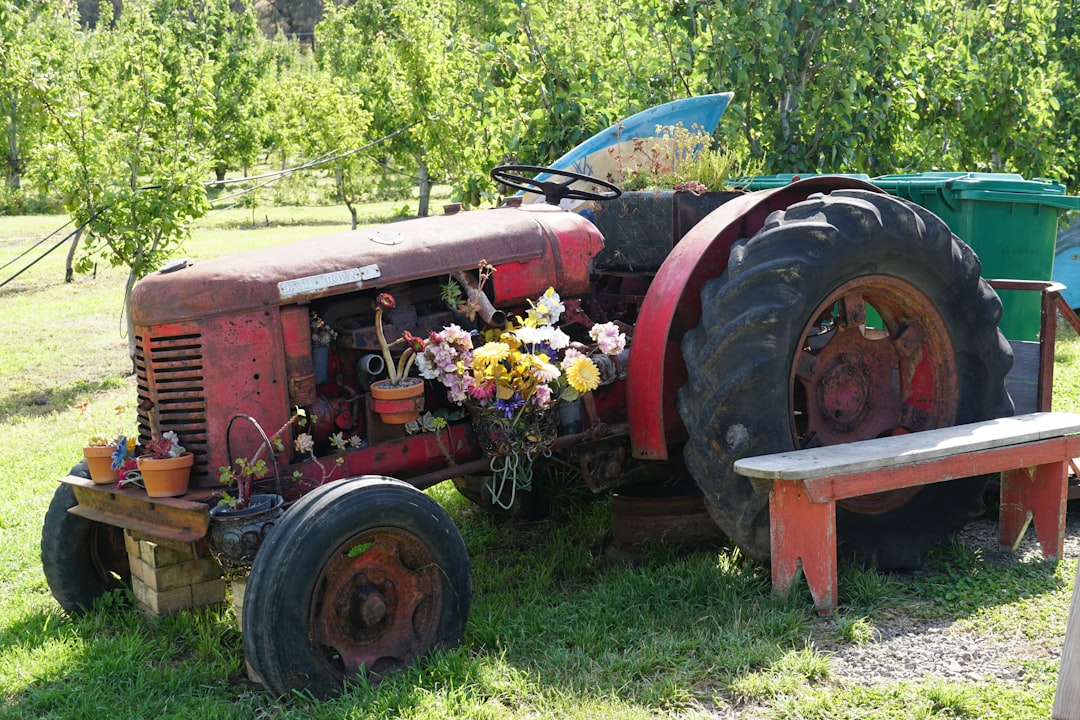
For instance, certain older models may have features that are particularly well-suited for specific tasks, such as tilling or harvesting, which newer models may not replicate. Furthermore, many used machines have already proven their durability and effectiveness in the field, giving buyers confidence in their performance.
Key Takeaways
- Quality used farm equipment offers cost savings and reliable performance.
- Key factors include equipment condition, age, and compatibility with farm needs.
- Research top brands and models known for durability and efficiency.
- Inspect equipment thoroughly and negotiate price based on condition and market value.
- Explore financing options and maintain equipment regularly to extend its lifespan.
Factors to Consider When Purchasing Used Farm Equipment
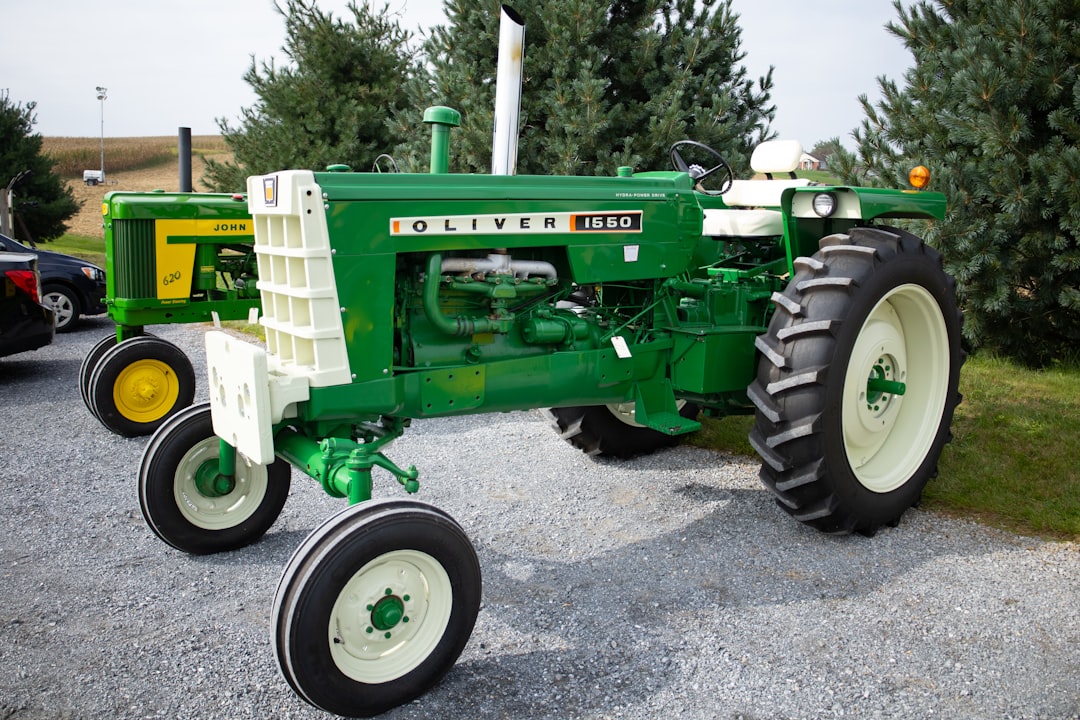
When considering the purchase of used farm equipment, several critical factors must be taken into account to ensure a wise investment. First and foremost is the equipment’s condition. Buyers should thoroughly assess the physical state of the machinery, looking for signs of wear and tear, rust, or any mechanical issues that could lead to costly repairs down the line.
A comprehensive inspection can reveal whether the equipment has been well-maintained or if it has been subjected to excessive use without proper care. Another important factor is the equipment’s history and usage. Understanding how the machinery was previously utilized can provide insights into its potential longevity and reliability.
For example, equipment that has been used for light tasks may have a longer lifespan than machinery that has been heavily relied upon for demanding operations. Additionally, buyers should inquire about maintenance records and any repairs that have been made. This information can help gauge how well the equipment has been cared for and whether it is likely to require immediate attention after purchase.
Top Brands and Models of Used Farm Equipment
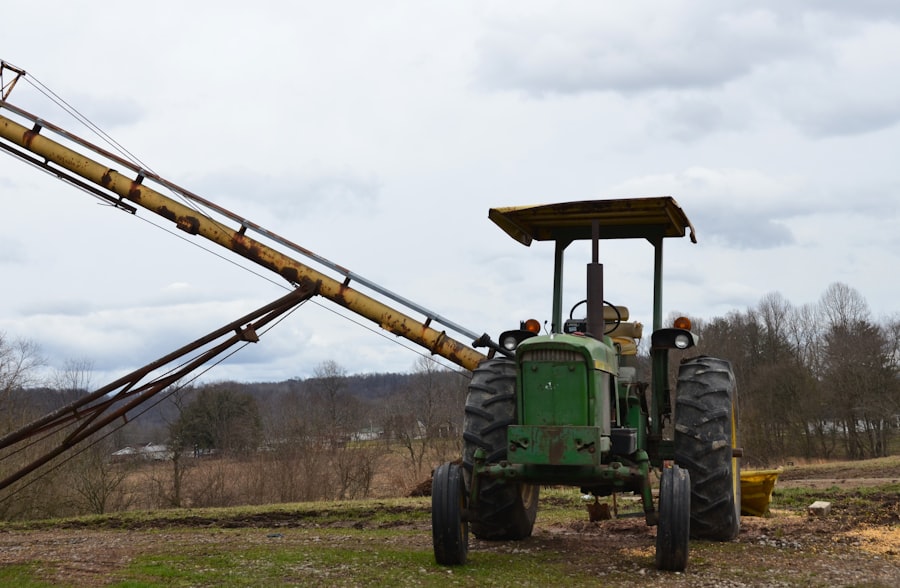
The market for used farm equipment is vast, with numerous brands and models available that cater to various agricultural needs. Some of the most reputable brands include John Deere, Case IH, and New Holland, each known for their reliability and performance in the field. John Deere, for instance, has a long-standing reputation for producing durable tractors and combines that are favored by farmers worldwide.
Models such as the John Deere 4020 and 5075E are often sought after in the used market due to their robust construction and versatility. Case IH also offers a range of popular models that are frequently found in used equipment listings. The Case IH Magnum series is particularly well-regarded for its power and efficiency, making it an excellent choice for larger farming operations.
Similarly, New Holland’s T4 series tractors are known for their user-friendly design and fuel efficiency, appealing to both small-scale and large-scale farmers alike. When exploring options in the used market, it is essential to consider these brands and their respective models, as they often provide a balance of performance and value.
Where to Find Quality Used Farm Equipment for Sale
| Source | Type of Equipment | Average Price Range | Condition | Location | Additional Notes |
|---|---|---|---|---|---|
| Local Farm Auctions | Tractors, Plows, Harvesters | 5,000 – 50,000 | Used, Varies from Good to Fair | Regional | Opportunity to inspect equipment before bidding |
| Online Marketplaces (e.g., TractorHouse, FarmTrader) | Wide Range: Tractors, Implements, Attachments | 3,000 – 60,000 | Used, Certified Pre-Owned Options Available | National/International | Convenient, with seller ratings and reviews |
| Dealership Trade-Ins | Tractors, Combines, Seeders | 10,000 – 70,000 | Used, Often Serviced and Inspected | Local/Regional | May offer warranties or service packages |
| Classified Ads in Agricultural Magazines | Various Farm Equipment | Varies Widely | Used | Local/Regional | Good for finding local sellers |
| Farm Equipment Rental Companies (Used Sales) | Tractors, Implements | 15,000 – 55,000 | Used, Well-Maintained | Regional | Equipment often maintained to rental standards |
Finding quality used farm equipment requires a strategic approach to sourcing options. One of the most common avenues is through local dealerships that specialize in agricultural machinery. These dealerships often have a selection of pre-owned equipment that has been inspected and serviced before being put up for sale.
Additionally, purchasing from a reputable dealer can provide peace of mind regarding the equipment’s condition and history. Online marketplaces have also become increasingly popular for buying used farm equipment. Websites such as TractorHouse, Machinery Pete, and eBay offer extensive listings from both private sellers and dealers.
These platforms allow buyers to filter searches based on specific criteria such as brand, model, price range, and location, making it easier to find suitable options. However, while online shopping offers convenience, it is crucial to conduct thorough research on sellers and verify the legitimacy of listings to avoid potential scams.
Tips for Inspecting and Evaluating Used Farm Equipment
When inspecting used farm equipment, a systematic approach can help ensure that buyers make informed decisions. Start by examining the exterior of the machinery for any visible signs of damage or excessive wear. Look closely at critical components such as tires, belts, and hoses; these parts can be costly to replace if they are worn out or damaged.
Additionally, check for any leaks in hydraulic systems or oil reservoirs, as these can indicate underlying mechanical issues. Beyond the physical inspection, it is also advisable to conduct a test run of the equipment if possible. This allows buyers to assess how well the machinery operates under real working conditions.
Pay attention to any unusual noises or vibrations during operation, as these could signal potential problems. Furthermore, asking the seller about the equipment’s maintenance history can provide valuable insights into its reliability and any past issues that may have been addressed.
How to Negotiate the Price of Used Farm Equipment
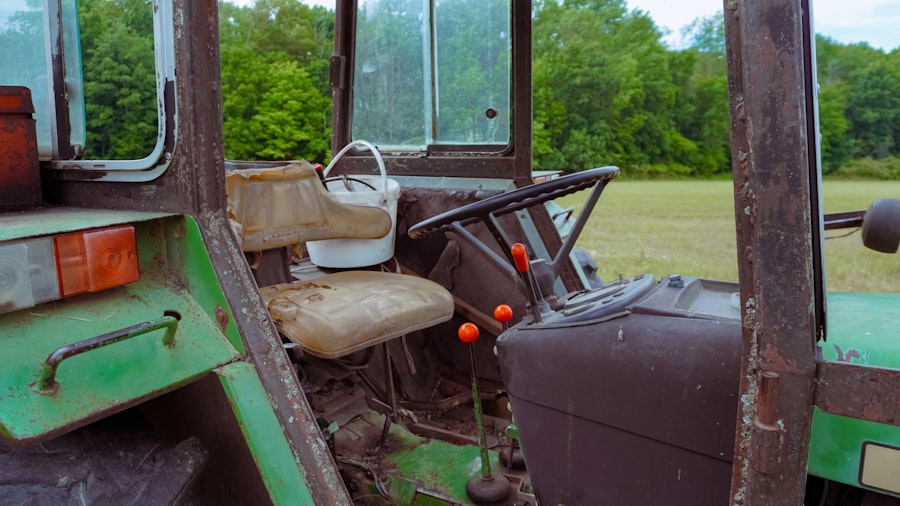
Negotiating the price of used farm equipment is an essential skill that can lead to significant savings. Before entering negotiations, it is crucial to conduct thorough research on comparable models in similar condition to establish a baseline price range. This information can empower buyers during discussions with sellers by providing concrete data to support their offers.
When negotiating, approach the conversation with confidence but also with respect for the seller’s position. Start by presenting your findings on comparable prices and any concerns you may have regarding the equipment’s condition. This strategy not only demonstrates that you are informed but also opens up a dialogue about potential adjustments in price based on your observations.
Be prepared to walk away if the seller is unwilling to negotiate; sometimes, this tactic can prompt them to reconsider their stance.
Financing Options for Purchasing Used Farm Equipment
Financing options play a crucial role in making used farm equipment more accessible to farmers who may not have sufficient capital upfront. Traditional bank loans are one common avenue; however, they often require substantial documentation and may involve lengthy approval processes. Farmers should consider approaching lenders who specialize in agricultural financing, as they may offer more favorable terms tailored specifically for farming operations.
Another option is leasing used equipment instead of purchasing it outright. Leasing allows farmers to use machinery without committing to full ownership costs upfront. This arrangement can be particularly beneficial for those who need specific equipment only during certain seasons or for particular projects.
Additionally, some manufacturers offer financing programs that include low-interest loans or deferred payment plans specifically designed for purchasing used machinery.
Maintenance and Care for Used Farm Equipment
Proper maintenance and care are vital for ensuring the longevity and efficiency of used farm equipment after purchase. Establishing a regular maintenance schedule is essential; this includes routine checks on fluid levels, tire pressure, and overall functionality of critical components. Keeping detailed records of maintenance activities not only helps track what has been done but also aids in identifying patterns that may indicate emerging issues.
Moreover, investing in quality replacement parts when repairs are necessary can significantly extend the life of used machinery. While it may be tempting to opt for cheaper alternatives, using original or high-quality parts ensures compatibility and reliability. Additionally, storing equipment properly during off-seasons—such as keeping it sheltered from harsh weather conditions—can prevent unnecessary wear and prolong its operational lifespan.
By prioritizing maintenance and care, farmers can maximize their investment in used farm equipment while minimizing unexpected breakdowns and repair costs.