
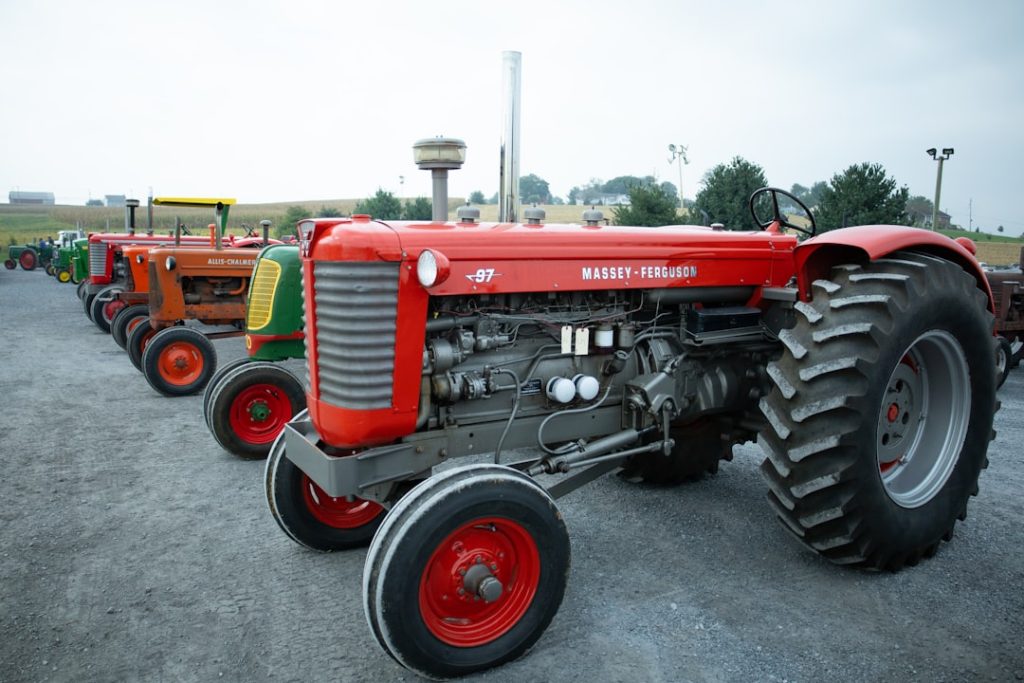
Purchasing quality used agricultural equipment can be a strategic decision for farmers and agricultural businesses looking to optimize their operations without incurring the high costs associated with new machinery. One of the most significant advantages is the substantial cost savings. New agricultural equipment can be prohibitively expensive, often requiring a significant upfront investment that may not be feasible for all farmers, especially those operating on tight margins.
By opting for used equipment, farmers can acquire machinery that is still in excellent working condition at a fraction of the original price. This financial flexibility allows them to allocate resources to other critical areas of their operations, such as seed purchases, labor costs, or technology upgrades. In addition to cost savings, buying used agricultural equipment can also provide access to a wider variety of machinery that may no longer be available new.
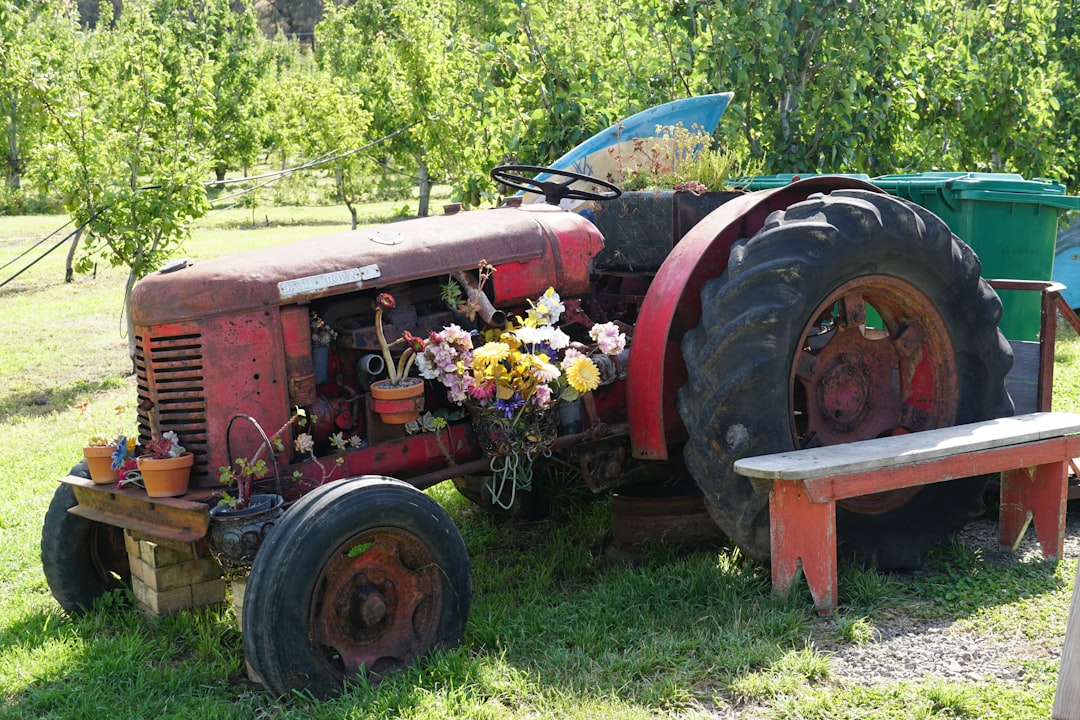
Many farmers have specific needs based on their unique operations, and older models may offer features or capabilities that newer models lack. For instance, certain vintage tractors are renowned for their durability and ease of repair, making them highly sought after in the used market. Furthermore, purchasing used equipment can also contribute to sustainability efforts within the agricultural sector.
By extending the life cycle of existing machinery, farmers can reduce waste and minimize their environmental footprint, aligning with broader goals of sustainable farming practices.
Key Takeaways
- Buying quality used agricultural equipment offers cost savings and reliable performance.
- Assess equipment quality by checking condition, maintenance history, and operational functionality.
- Reliable sources for used equipment include dealerships, auctions, and online marketplaces.
- Consider factors like equipment age, usage, compatibility, and total cost before purchasing.
- Maintenance records, warranties, and after-sales service are crucial for long-term equipment value.
How to Assess the Quality of Used Agricultural Equipment
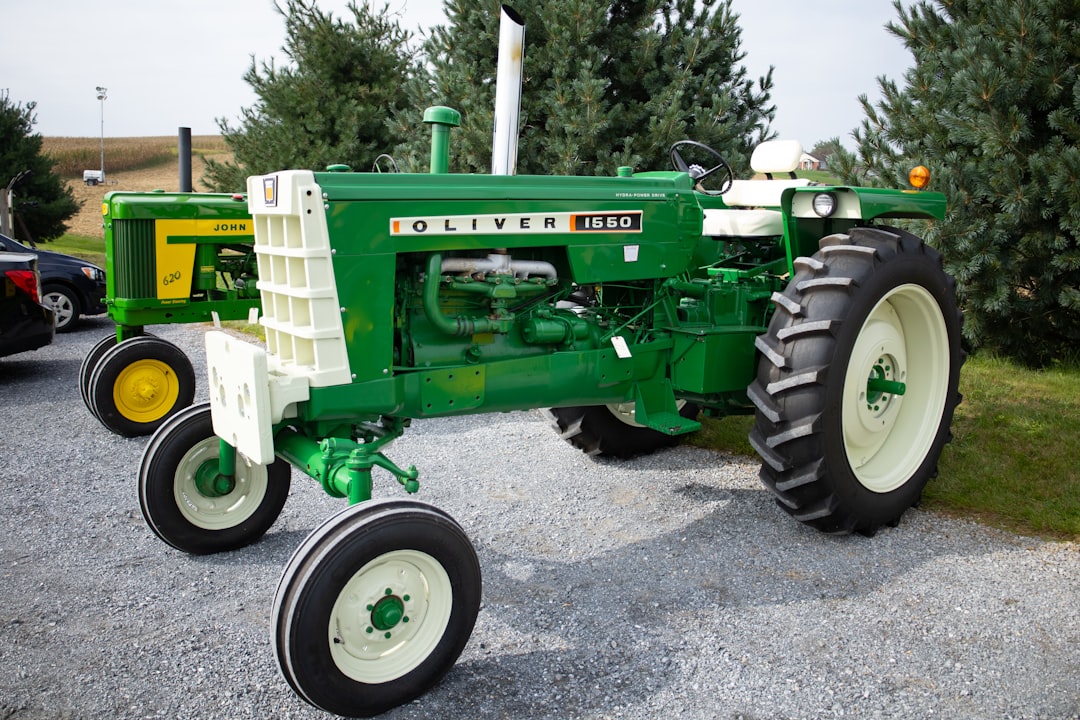
Assessing the quality of used agricultural equipment requires a thorough understanding of both the machinery itself and the specific needs of the buyer’s operation. One of the first steps in this process is to conduct a visual inspection of the equipment. This includes checking for signs of wear and tear, such as rust, leaks, or damage to critical components.
For instance, examining the hydraulic systems for leaks or ensuring that belts and hoses are in good condition can provide insight into how well the equipment has been maintained. Additionally, inspecting the tires for tread wear and checking the overall structural integrity can help gauge whether the equipment is worth pursuing further. Beyond visual inspections, it is essential to consider the operational history of the equipment.
This includes understanding how many hours the machinery has been used and whether it has undergone any significant repairs or modifications. A well-documented maintenance history can be a strong indicator of quality; equipment that has been regularly serviced and cared for is likely to perform better than machinery that has been neglected. Engaging with previous owners or dealers can provide valuable insights into the equipment’s performance and reliability over time.
This information is crucial for making an informed decision and ensuring that the investment will meet operational needs effectively.
Where to Find Quality Used Agricultural Equipment for Sale
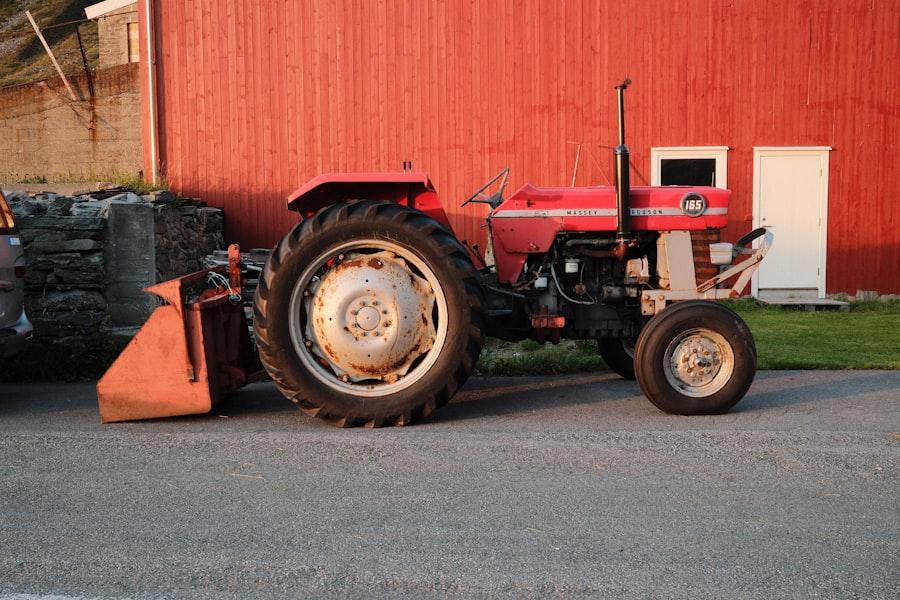
Finding quality used agricultural equipment requires a combination of research and networking within the agricultural community. One of the most common avenues for sourcing used machinery is through online marketplaces dedicated to agricultural equipment sales. Websites such as TractorHouse, EquipmentTrader, and AgriSeek offer extensive listings where buyers can filter by location, price range, and specific equipment types.
These platforms often include detailed descriptions, photographs, and sometimes even videos showcasing the equipment in action, allowing potential buyers to assess options from the comfort of their homes. In addition to online resources, local auctions and farm sales can be excellent opportunities to find quality used agricultural equipment. Many farmers sell their machinery at auctions when upgrading or downsizing their operations.
Attending these events not only allows buyers to inspect equipment firsthand but also provides an opportunity to engage with sellers directly, gaining insights into the machinery’s history and performance. Networking with local agricultural cooperatives or extension services can also yield leads on available equipment, as these organizations often have connections within the farming community and may know of farmers looking to sell.
Factors to Consider When Purchasing Used Agricultural Equipment
| Factor | Description | Key Metrics | Importance Level |
|---|---|---|---|
| Equipment Condition | Overall physical and mechanical state of the equipment | Hours of use, wear and tear, maintenance records | High |
| Age of Equipment | Number of years since manufacture | Manufacture year, model year | Medium |
| Brand and Model | Reputation and reliability of the manufacturer and model | Brand rating, model reviews, availability of parts | High |
| Price | Cost of the equipment relative to budget and market value | Asking price, market average price | High |
| Usage History | Previous usage intensity and type of work performed | Hours used, type of crops or tasks, previous owner details | Medium |
| Availability of Spare Parts | Ease of obtaining replacement parts for repairs | Parts availability index, supplier network | High |
| Fuel Efficiency | Amount of fuel consumed per hour or per task | Fuel consumption rate, engine type | Medium |
| Warranty and Support | Coverage offered by seller or manufacturer | Warranty period, service agreements | Medium |
| Compatibility | Ability to integrate with existing equipment or systems | Attachment compatibility, software integration | Medium |
| Inspection and Testing | Results from professional inspection and operational testing | Inspection report, test run outcomes | High |
When purchasing used agricultural equipment, several factors must be taken into account to ensure a wise investment. First and foremost is compatibility with existing operations. Buyers should consider whether the equipment will meet their specific needs in terms of size, capacity, and functionality.
For example, a farmer specializing in row crops may require different machinery than one focused on livestock production. Understanding these operational requirements will help narrow down choices and prevent purchasing equipment that may not serve its intended purpose effectively. Another critical factor is the total cost of ownership beyond just the purchase price.
This includes considering potential repair costs, fuel efficiency, and maintenance requirements over time. Some older models may have lower initial costs but could incur higher expenses due to outdated technology or parts that are difficult to source. Conversely, newer models may offer advanced features that enhance productivity but come with higher upfront costs.
Buyers should conduct a thorough cost-benefit analysis to determine which option aligns best with their financial situation and operational goals.
Tips for Inspecting Used Agricultural Equipment
Inspecting used agricultural equipment is a crucial step in ensuring that buyers make informed decisions. One effective approach is to create a checklist that outlines key components to examine during the inspection process. This checklist should include items such as engine condition, transmission performance, hydraulic systems, and electrical components.
For instance, checking engine oil levels and inspecting for any unusual noises during operation can provide insights into the engine’s health. Additionally, testing hydraulic functions by raising and lowering implements can reveal potential issues with hydraulic systems. It is also advisable to bring along a knowledgeable mechanic or technician during inspections if possible.
Their expertise can help identify potential problems that an untrained eye might overlook. Furthermore, prospective buyers should not hesitate to ask questions about the equipment’s history, including previous repairs or modifications made by previous owners. Requesting a demonstration of the machinery in operation can also be beneficial; observing how it performs under load can provide valuable insights into its capabilities and any potential issues that may arise during regular use.
The Importance of Maintenance Records for Used Agricultural Equipment
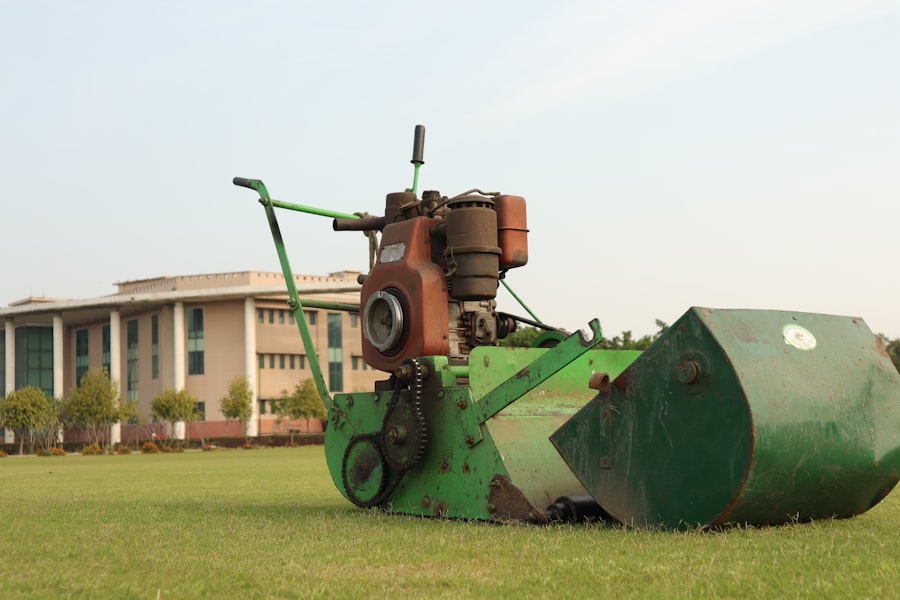
Maintenance records play a pivotal role in assessing the quality and reliability of used agricultural equipment. These records provide a detailed history of how well the machinery has been cared for over its lifespan. A comprehensive maintenance log should include information about routine services performed, parts replaced, and any significant repairs conducted on the equipment.
For instance, regular oil changes, filter replacements, and inspections indicate that the previous owner prioritized upkeep, which can translate into better performance for future users. Moreover, maintenance records can also serve as a negotiating tool during the purchasing process. If a seller cannot provide documentation of regular maintenance or if there are gaps in the records, it may raise red flags about potential issues with the equipment’s reliability.
Buyers should seek out machines with complete maintenance histories as they are more likely to have fewer hidden problems and offer better long-term value.
Financing Options for Purchasing Used Agricultural Equipment
Financing options for purchasing used agricultural equipment are diverse and can significantly impact a buyer’s ability to acquire necessary machinery without straining their budget. Traditional bank loans are one common avenue; many banks offer specialized loans tailored for agricultural purposes that consider seasonal income fluctuations and provide flexible repayment terms. These loans often require collateral but can offer competitive interest rates for borrowers with good credit histories.
In addition to traditional financing methods, there are also alternative financing options available specifically designed for farmers looking to purchase used equipment. Equipment leasing is one such option; it allows farmers to use machinery without committing to full ownership upfront. Leasing agreements typically require lower initial payments compared to purchasing outright and may include maintenance services as part of the contract.
This arrangement can be particularly beneficial for farmers who need access to high-quality equipment but may not have sufficient capital available at the moment.
The Role of Warranties and After-Sales Service for Used Agricultural Equipment
Warranties and after-sales service are critical considerations when purchasing used agricultural equipment as they provide an added layer of security for buyers. While many used machines may not come with traditional warranties like new models do, some dealers offer limited warranties or guarantees on specific components or repairs made prior to sale. These warranties can cover significant issues that may arise shortly after purchase, giving buyers peace of mind knowing they have recourse if problems occur.
After-sales service is equally important; reputable dealers often provide ongoing support in terms of maintenance advice, access to replacement parts, and technical assistance when needed. Establishing a relationship with a dealer who offers robust after-sales support can enhance the overall ownership experience and ensure that any issues are addressed promptly. Buyers should inquire about available warranties and after-sales services before finalizing their purchase to ensure they are making a well-informed decision that will support their operational needs in the long run.