
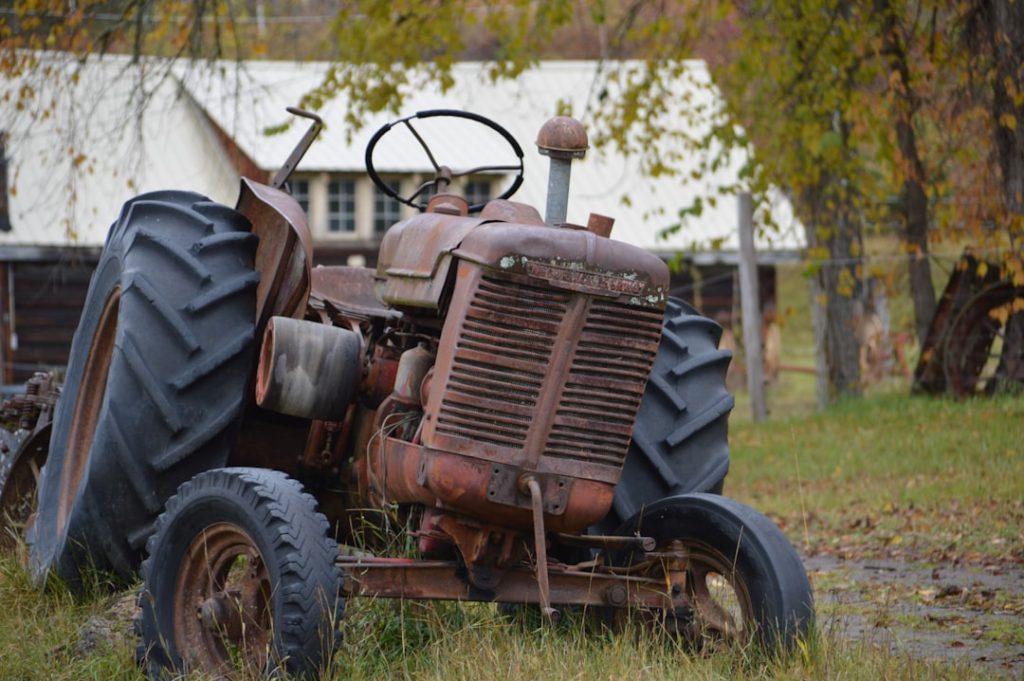
Purchasing second-hand farm machinery offers a multitude of advantages that can significantly impact the operational efficiency and financial health of a farming business. One of the most compelling benefits is cost savings. New agricultural equipment can be prohibitively expensive, often requiring substantial capital investment that may not be feasible for smaller farms or those just starting out.
By opting for used machinery, farmers can acquire high-quality equipment at a fraction of the original price. This allows them to allocate their financial resources more effectively, investing in other critical areas such as seed, fertilizer, or labor. In addition to the financial benefits, buying second-hand machinery can also provide access to a wider variety of equipment.
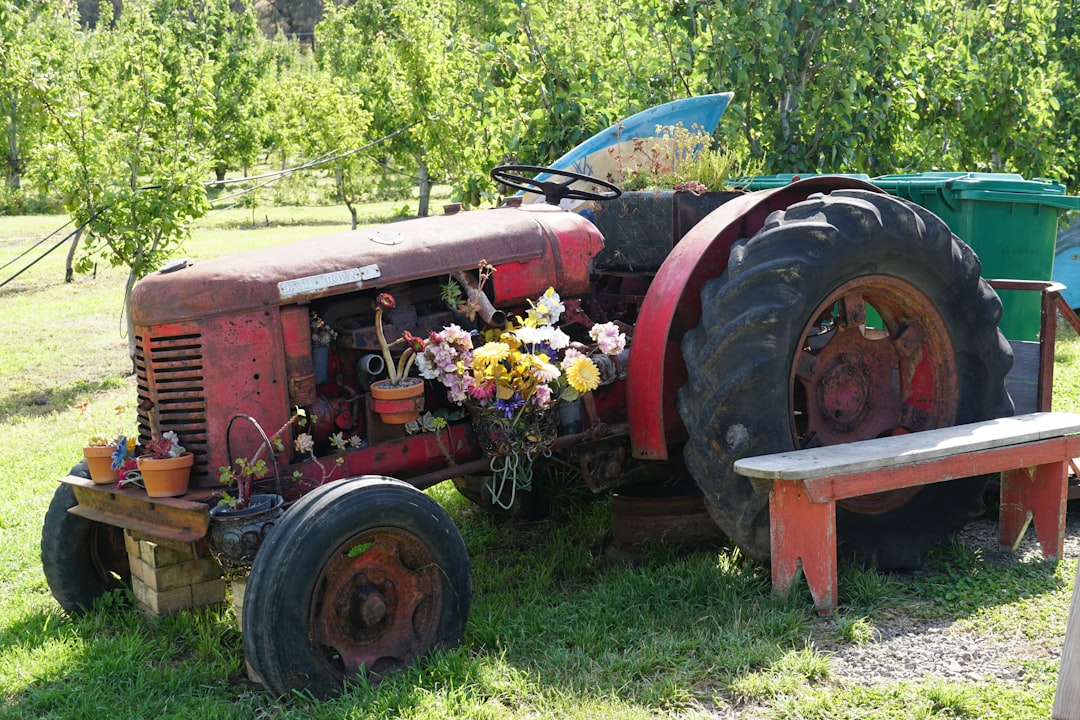
The agricultural market is filled with diverse machinery tailored for specific tasks, from tractors and harvesters to tillers and seeders. When purchasing used equipment, farmers can often find models that are no longer in production but still perfectly functional and suited to their needs. This can be particularly advantageous for those looking for specialized equipment that may not be readily available in the new market.
Furthermore, many older models have proven reliability and durability, having been tested over time in real-world conditions.
Key Takeaways
- Buying second hand farm machinery offers cost savings and access to reliable equipment.
- Key factors to consider include machine condition, age, and maintenance history.
- Quality second hand machinery can be found through dealers, auctions, and online marketplaces.
- Thorough inspection and testing are essential before purchasing to avoid costly repairs.
- Effective negotiation and exploring financing options can make purchasing second hand machinery more affordable.
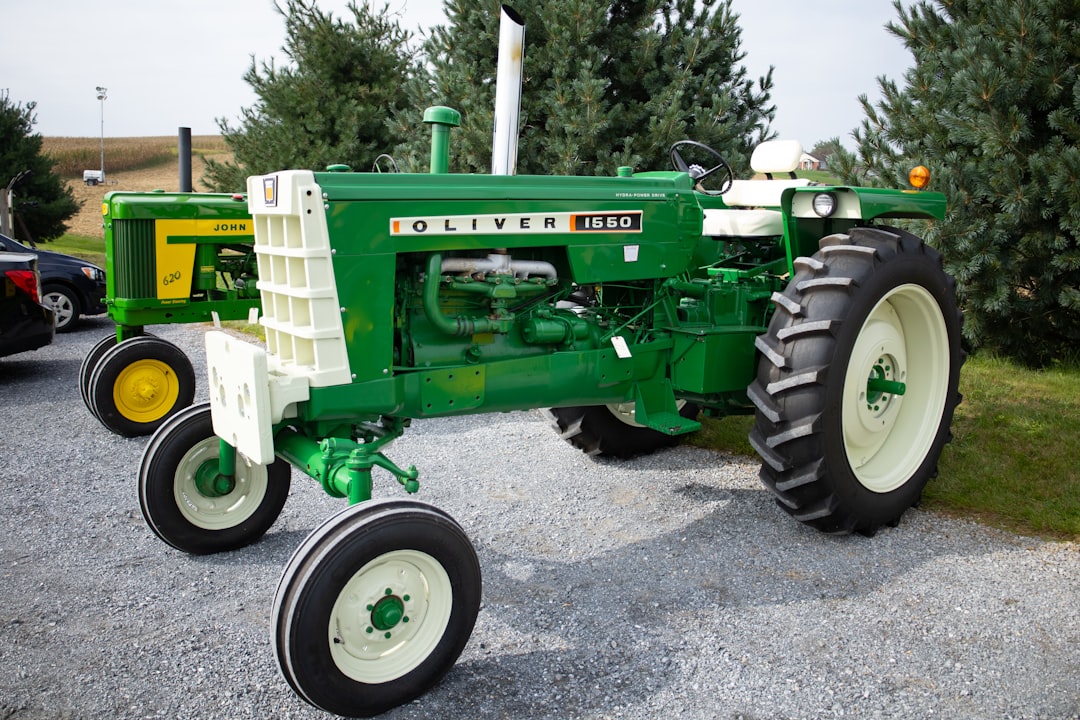
Factors to Consider When Purchasing Second Hand Farm Machinery
When considering the purchase of second-hand farm machinery, several critical factors must be taken into account to ensure a wise investment. First and foremost is the age and condition of the equipment. Older machinery may have a lower purchase price, but it could also come with higher maintenance costs and a greater likelihood of breakdowns.
Farmers should assess how much wear and tear the equipment has experienced and whether it has been well-maintained by previous owners. A thorough review of maintenance records can provide insight into how the machine has been cared for over its lifespan. Another important factor is compatibility with existing equipment and farming practices.
Farmers should evaluate whether the second-hand machinery will integrate seamlessly with their current operations. For instance, if a farmer already owns a specific brand of tractor, they may want to consider attachments or implements that are compatible with that brand to avoid additional costs associated with purchasing new adapters or equipment. Additionally, understanding the specific needs of the farm—such as soil type, crop variety, and scale of operations—can help in selecting machinery that will enhance productivity rather than hinder it.
Where to Find Quality Second Hand Farm Machinery for Sale
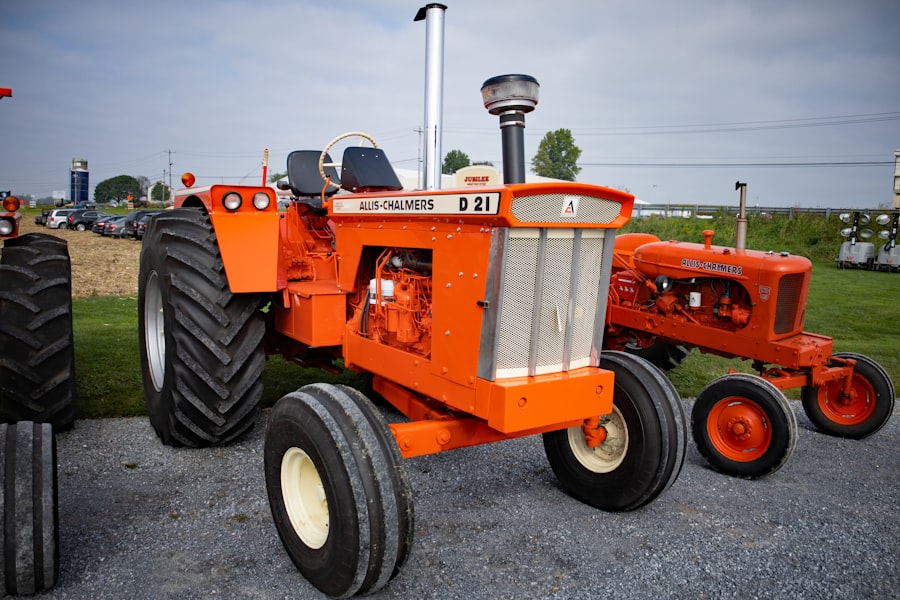
Finding quality second-hand farm machinery requires a strategic approach and knowledge of where to look. One of the most common avenues is through local auctions, which often feature a range of agricultural equipment from various sellers. Auctions can provide opportunities to acquire machinery at competitive prices, but they also require careful research and preparation.
Farmers should attend previews whenever possible to inspect the equipment before bidding and set a budget to avoid overspending in the heat of the moment. Online marketplaces have also become increasingly popular for sourcing used farm machinery. Websites such as Craigslist, eBay, and specialized agricultural equipment platforms allow farmers to browse listings from across the country or even internationally.
These platforms often include detailed descriptions, photographs, and seller ratings, which can help buyers make informed decisions. However, it is essential to exercise caution when purchasing online; verifying the seller’s credibility and arranging for inspections before finalizing any transactions is crucial to avoid potential scams or misrepresentations.
Inspecting Second Hand Farm Machinery Before Purchasing
| Inspection Aspect | Key Metrics | Recommended Checks | Acceptable Condition |
|---|---|---|---|
| Engine | Hours of Operation, Oil Condition, Leak Presence | Check hour meter, inspect oil color and level, look for leaks | Hours under 3000, clean oil, no leaks |
| Hydraulics | Pressure Levels, Hose Condition, Fluid Leaks | Test hydraulic pressure, inspect hoses for cracks, check fluid levels | Stable pressure, no hose damage, no leaks |
| Tires and Wheels | Tread Depth, Sidewall Condition, Wheel Alignment | Measure tread depth, inspect for cracks or bulges, check alignment | Tread depth >50%, no sidewall damage, aligned wheels |
| Transmission | Gear Shifting Smoothness, Fluid Condition, Noise Levels | Test gear shifts, check transmission fluid, listen for unusual noises | Smooth shifting, clean fluid, no abnormal sounds |
| Electrical System | Battery Health, Wiring Condition, Functionality of Lights and Controls | Test battery voltage, inspect wiring for wear, check all lights and controls | Battery fully charged, intact wiring, all functions operational |
| Frame and Body | Rust Presence, Structural Integrity, Weld Quality | Inspect for rust spots, check for cracks or bends, examine welds | Minimal rust, no structural damage, solid welds |
| Attachments and Implements | Wear and Tear, Compatibility, Operational Test | Inspect for damage, verify compatibility, test operation | Minor wear, compatible, fully functional |
| Documentation | Service History, Ownership Records, Warranty Status | Review maintenance logs, verify ownership, check warranty validity | Complete records, clear ownership, valid warranty if applicable |
A thorough inspection of second-hand farm machinery is paramount before making a purchase decision. This process involves not only a visual examination but also a functional assessment of the equipment. Farmers should start by checking for any visible signs of damage or excessive wear, such as rust, cracks, or leaks in hydraulic systems.
The condition of tires, belts, and other consumable parts should also be scrutinized, as these components can significantly affect performance and may require immediate replacement. In addition to visual checks, it is advisable to conduct a test run of the machinery if possible. Observing how the equipment operates under load can reveal potential issues that may not be apparent during a static inspection.
Listening for unusual noises or vibrations during operation can provide further insights into the machine’s condition. Furthermore, asking the seller about the machine’s history—such as previous repairs or modifications—can help gauge its reliability and suitability for the buyer’s specific needs.
Maintenance and Repairs for Second Hand Farm Machinery
Once second-hand farm machinery has been purchased, understanding its maintenance requirements is essential for ensuring longevity and optimal performance. Regular maintenance routines should be established based on the manufacturer’s recommendations and tailored to the specific conditions under which the machinery will be used. This includes routine oil changes, filter replacements, and inspections of critical components such as brakes and hydraulic systems.
Keeping detailed records of maintenance activities not only helps in tracking performance but can also enhance resale value in the future. Repairs may become necessary over time due to wear and tear or unexpected breakdowns. Farmers should familiarize themselves with common issues associated with their specific type of machinery and develop a network of reliable repair professionals who specialize in agricultural equipment.
In some cases, farmers may choose to undertake minor repairs themselves if they possess the necessary skills and tools; however, more complex issues should be left to experienced technicians to avoid exacerbating problems or causing safety hazards.
Negotiating the Price for Second Hand Farm Machinery
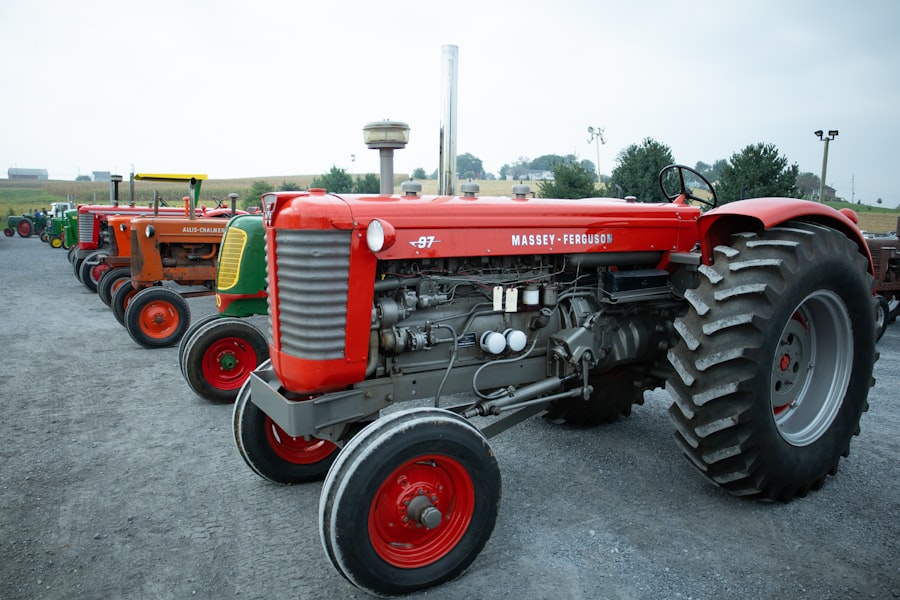
Negotiating the price for second-hand farm machinery is an art that requires preparation and confidence. Before entering negotiations, buyers should conduct thorough research on comparable models in terms of age, condition, and market value. This information will empower them to make informed offers and counteroffers during discussions with sellers.
Understanding the seller’s motivations—whether they are looking to sell quickly or are open to negotiation—can also provide leverage in discussions. During negotiations, it is crucial to remain respectful yet assertive. Buyers should clearly communicate their findings regarding the machine’s condition and any necessary repairs that may impact its value.
If discrepancies arise between the asking price and the buyer’s assessment, presenting evidence such as repair estimates or market comparisons can strengthen their position. Ultimately, successful negotiation hinges on finding a mutually agreeable price that reflects both parties’ interests while ensuring that the buyer feels confident in their investment.
Financing Options for Second Hand Farm Machinery
Financing options for purchasing second-hand farm machinery can vary widely depending on individual circumstances and available resources. Traditional bank loans are one common avenue; however, they often require substantial documentation and may involve lengthy approval processes. Farmers should prepare detailed business plans that outline how the machinery will enhance productivity and profitability to improve their chances of securing financing.
Another option is financing through specialized agricultural lenders who understand the unique needs of farmers. These lenders may offer more flexible terms tailored specifically for agricultural purchases, including lower interest rates or extended repayment periods. Additionally, some manufacturers or dealers may provide financing options directly through their sales channels, which can simplify the purchasing process by bundling financing with the sale itself.
Tips for Selling Your Own Second Hand Farm Machinery
When it comes time to sell second-hand farm machinery, several strategies can enhance visibility and attract potential buyers. First, presenting the equipment in its best light is essential; this includes cleaning it thoroughly and addressing any minor repairs that could improve its appearance and functionality. High-quality photographs showcasing different angles and features can significantly increase interest when listing online or in advertisements.
Crafting a compelling description is equally important; potential buyers want to know not only about the machine’s specifications but also its history and any unique selling points. Highlighting features such as low hours of use, recent maintenance work completed, or any included attachments can make a listing stand out from others on the market. Finally, being open to negotiation while setting a fair asking price based on market research will help facilitate a smoother selling process while ensuring that both parties feel satisfied with the transaction outcome.