
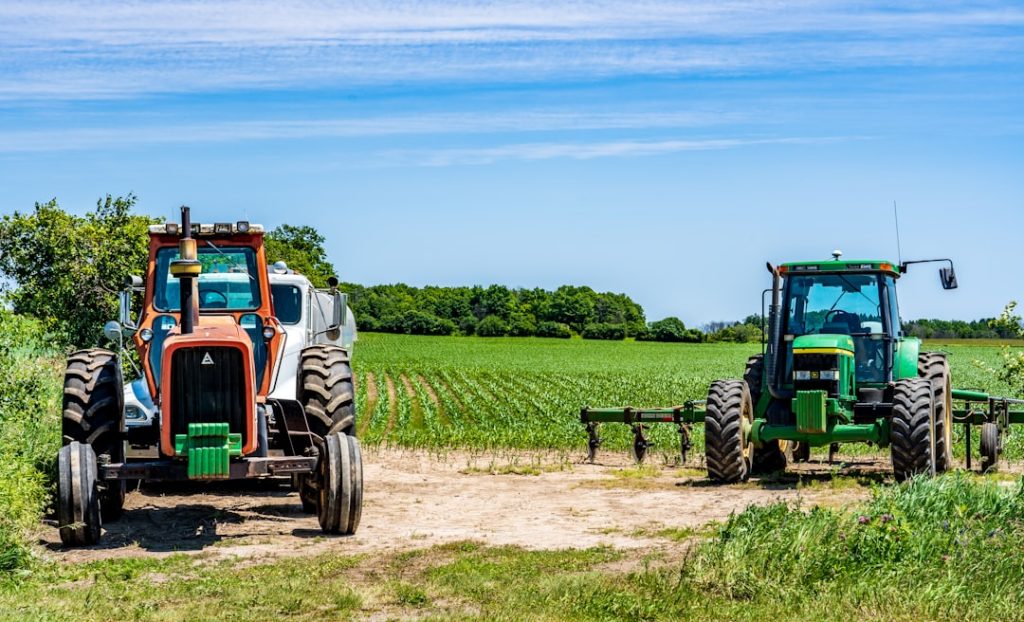
Purchasing second-hand farm equipment offers a multitude of advantages that can significantly impact a farmer’s bottom line. One of the most compelling benefits is the cost savings associated with buying used machinery. New agricultural equipment can be prohibitively expensive, often costing tens of thousands of dollars.
In contrast, second-hand options can be found at a fraction of the price, allowing farmers to allocate their budgets more effectively. This financial flexibility can enable them to invest in other critical areas of their operations, such as seed, fertilizer, or labor, ultimately enhancing productivity and profitability. Moreover, buying second-hand equipment can also lead to a more sustainable farming practice.
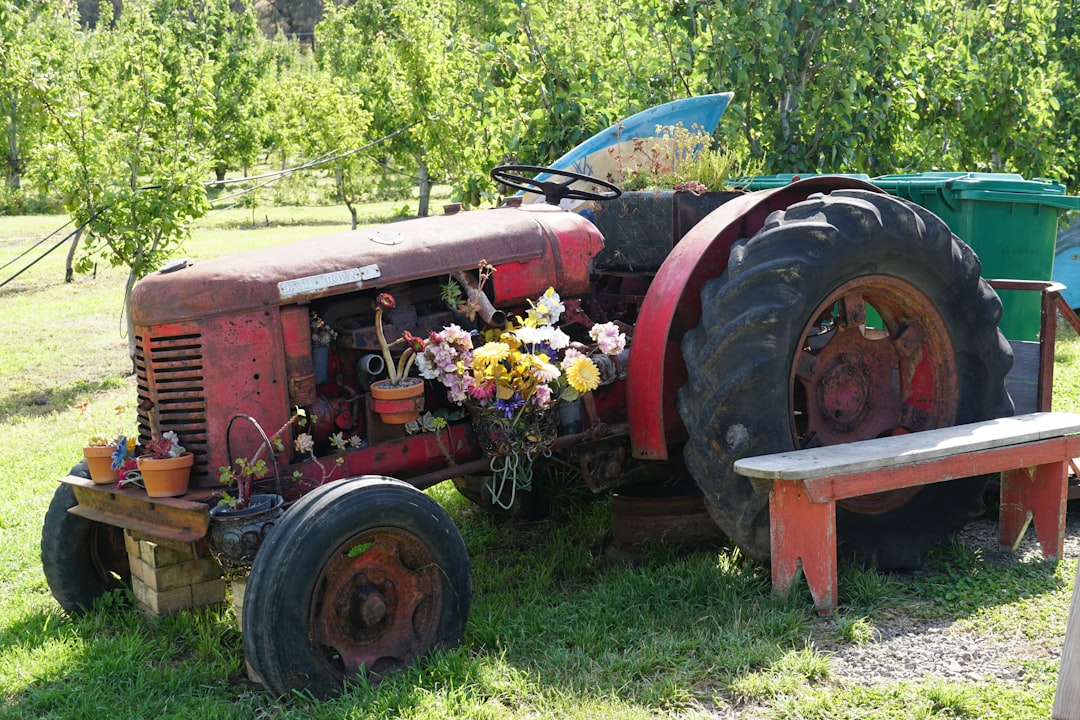
The agricultural industry is increasingly recognizing the importance of sustainability, and purchasing used machinery contributes to this goal by extending the lifecycle of existing equipment. By opting for second-hand items, farmers help reduce waste and minimize the environmental impact associated with manufacturing new machinery. This practice not only conserves resources but also aligns with the growing consumer demand for environmentally responsible farming practices.
As a result, farmers who choose to buy used equipment can enhance their reputation in the market while also contributing positively to the environment.
Key Takeaways
- Buying second hand farm equipment can save money and provide reliable tools for farming.
- Assess equipment quality by checking condition, maintenance history, and functionality before purchase.
- Explore various sources like online marketplaces, auctions, and local dealers to find second hand equipment.
- Negotiate prices by researching market values and being prepared to walk away if terms aren’t favorable.
- Proper maintenance and understanding warranty policies are crucial to maximize the lifespan and value of used equipment.
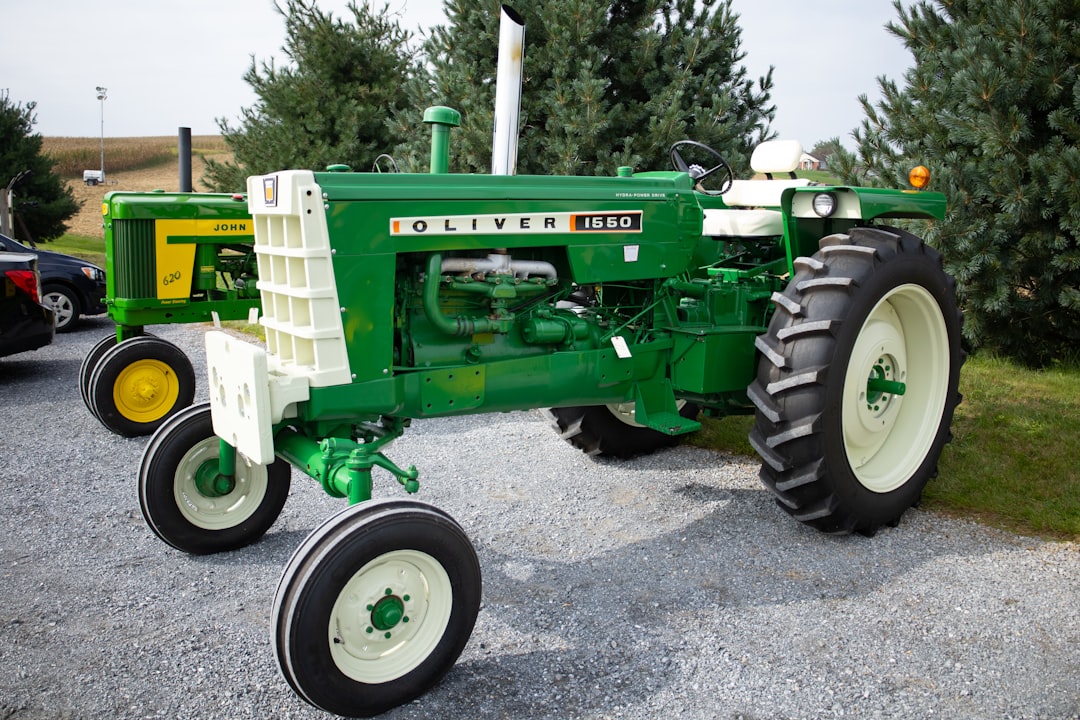
How to Assess the Quality of Second Hand Farm Equipment
When considering the purchase of second-hand farm equipment, assessing its quality is paramount to ensuring a wise investment. One effective approach is to conduct a thorough visual inspection of the machinery. Farmers should look for signs of wear and tear, such as rust, cracks, or excessive wear on moving parts.
For instance, checking the condition of tires, belts, and hydraulic systems can provide valuable insights into how well the equipment has been maintained. Additionally, examining the overall cleanliness of the machine can indicate how much care the previous owner took in its upkeep. Beyond visual inspections, it is also essential to evaluate the operational history of the equipment.
Requesting maintenance records can provide insight into how often the machinery was serviced and whether it underwent any significant repairs. A well-documented maintenance history can be a strong indicator of reliability and longevity. Furthermore, if possible, farmers should test the equipment in action before finalizing a purchase.
This hands-on experience allows potential buyers to assess performance firsthand and identify any operational issues that may not be immediately apparent during a static inspection.
Where to Find Second Hand Farm Equipment for Sale
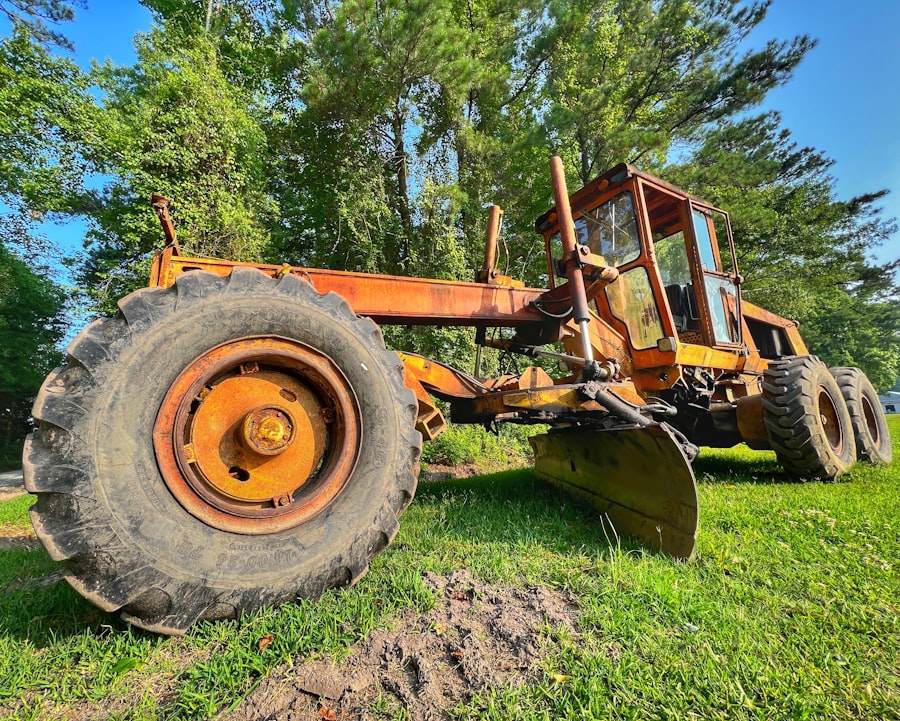
Finding second-hand farm equipment for sale can be accomplished through various channels, each offering unique advantages. One of the most traditional methods is through local auctions or farm sales. These events often feature a wide range of equipment from various sellers, providing an opportunity for farmers to compare different options in one location.
Attending these auctions not only allows buyers to inspect machinery up close but also enables them to gauge market prices through competitive bidding. In addition to auctions, online marketplaces have revolutionized the way farmers source second-hand equipment. Websites such as Craigslist, eBay, and specialized agricultural platforms like TractorHouse or Farm Equipment Locator offer extensive listings that can be filtered by location, price range, and equipment type.
These platforms often include detailed descriptions and photographs, making it easier for buyers to assess their options from the comfort of their homes. Social media groups dedicated to farming and agriculture also serve as valuable resources for finding used equipment, as they often feature listings from local sellers looking to offload machinery quickly.
Tips for Negotiating the Price of Second Hand Farm Equipment
| Tip | Description | Metric/Consideration | Example |
|---|---|---|---|
| Research Market Value | Understand the average price for the specific equipment model and condition. | Price range based on year, model, and condition | Compare listings from multiple sellers to find average price |
| Inspect Equipment Thoroughly | Check for wear, damage, and maintenance history to assess true value. | Hours of use, maintenance records, visible damage | Equipment with less than 2000 hours and full service history |
| Negotiate Based on Condition | Use any defects or needed repairs as leverage to lower price. | Estimated repair costs, part replacements needed | Request discount if tires need replacement soon |
| Consider Timing | Buy during off-season or when demand is low for better deals. | Seasonal price fluctuations, demand trends | Lower prices in winter months when farming slows |
| Be Ready to Walk Away | Show willingness to leave the deal to gain negotiating power. | Seller’s urgency, time on market | Seller reduces price after equipment sits unsold for 3 months |
| Bundle Purchases | Negotiate better price by buying multiple pieces of equipment together. | Discount percentage for bulk purchase | 5-10% off total price when buying tractor and trailer together |
| Use Cash Payment | Offer immediate payment to incentivize seller for a lower price. | Discount for cash payment | 2-3% discount offered for cash buyers |
Negotiating the price of second-hand farm equipment requires a strategic approach that balances assertiveness with respect for the seller’s position. One effective tactic is to conduct thorough research on comparable equipment prices before entering negotiations. By understanding the market value of similar models in similar condition, buyers can establish a reasonable price range and present this information during discussions.
This data-driven approach not only strengthens their bargaining position but also demonstrates to the seller that they are informed and serious about making a fair deal. Another useful strategy is to highlight any flaws or maintenance needs identified during inspections when negotiating. For example, if a buyer notices that a tractor has worn tires or requires minor repairs, they can use this information as leverage to negotiate a lower price.
Additionally, being willing to walk away from a deal can empower buyers during negotiations; it signals that they are not desperate and are prepared to explore other options if necessary. This mindset can often lead sellers to reconsider their asking price in order to close the deal.
Common Mistakes to Avoid When Buying Second Hand Farm Equipment
When purchasing second-hand farm equipment, several common pitfalls can lead to regrettable decisions and financial losses. One significant mistake is failing to conduct adequate research before making a purchase. Buyers who rush into a transaction without understanding the market value or specific needs of their operation may end up overpaying or acquiring equipment that does not meet their requirements.
It is crucial for farmers to take the time to evaluate their needs and compare various options before committing to a purchase. Another frequent error is neglecting to perform thorough inspections and tests on the equipment before buying it. Some buyers may be tempted by attractive prices and overlook potential red flags that could indicate underlying issues.
For instance, skipping a test drive on a used combine harvester could result in discovering significant operational problems only after the purchase is finalized. To avoid such scenarios, farmers should always prioritize comprehensive inspections and operational tests as part of their buying process.
The Importance of Proper Maintenance for Second Hand Farm Equipment
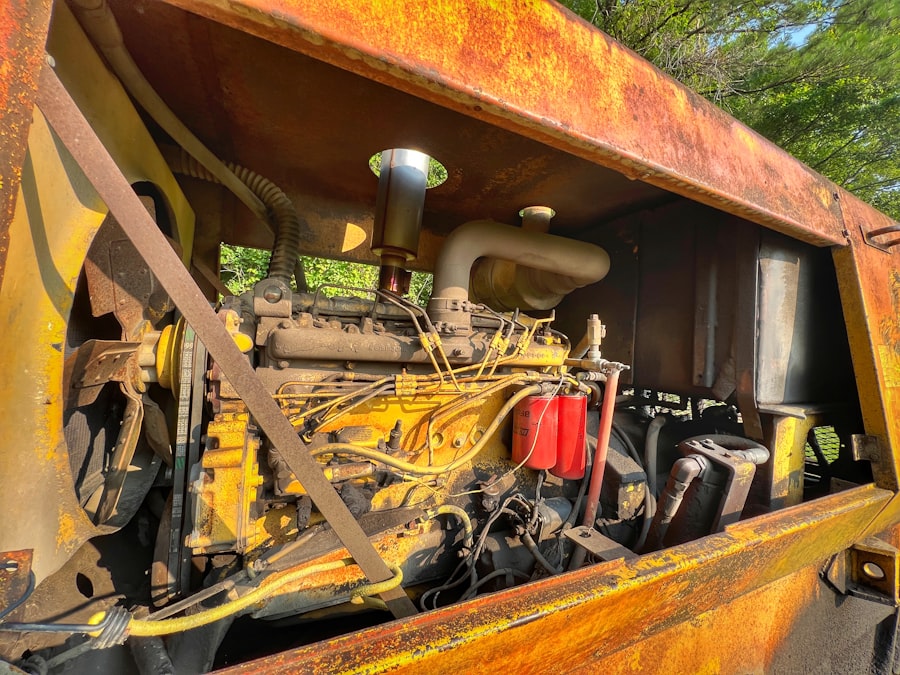
Proper maintenance is essential for ensuring the longevity and reliability of second-hand farm equipment. Once purchased, it is crucial for farmers to establish a regular maintenance schedule that includes routine checks and servicing based on manufacturer recommendations. This proactive approach not only helps prevent unexpected breakdowns but also enhances overall performance and efficiency.
For example, regularly changing oil and filters in tractors or ensuring that hydraulic systems are properly lubricated can significantly extend their operational lifespan. Additionally, keeping detailed records of maintenance activities can provide valuable insights into the equipment’s performance over time. These records can help identify patterns or recurring issues that may require attention or indicate when it might be time for an upgrade or replacement.
Furthermore, maintaining equipment properly can also enhance resale value when farmers decide to upgrade in the future. A well-maintained machine with documented service history is likely to attract more buyers and command a higher price than one that has been neglected.
Understanding the Warranty and Return Policies for Second Hand Farm Equipment
When purchasing second-hand farm equipment, understanding warranty and return policies is crucial for protecting one’s investment. Unlike new machinery that typically comes with comprehensive warranties, used equipment may have limited or no warranty coverage at all. Buyers should inquire about any existing warranties that may still be valid or whether the seller offers any guarantees on their products.
Some dealers may provide short-term warranties on used equipment as a way to instill confidence in their customers. In addition to warranties, it is essential for buyers to clarify return policies before finalizing a purchase. Some sellers may allow returns within a specific timeframe if the equipment does not meet expectations or has undisclosed issues.
Understanding these policies can provide peace of mind and an avenue for recourse if problems arise shortly after purchase. Farmers should always ensure that any agreements regarding warranties or returns are documented in writing to avoid misunderstandings later on.
The Future of Second Hand Farm Equipment in Agriculture
The future of second-hand farm equipment in agriculture appears promising as technological advancements continue to reshape the industry landscape. With innovations such as precision agriculture and automation becoming increasingly prevalent, there is a growing market for used machinery equipped with these technologies at more accessible price points. Farmers looking to adopt modern practices without incurring substantial debt may find that purchasing second-hand equipment with advanced features offers an attractive solution.
Moreover, as sustainability becomes a central focus in agriculture, the demand for second-hand equipment is likely to rise further. Farmers are increasingly recognizing that buying used machinery aligns with environmentally responsible practices by reducing waste and conserving resources. This shift in mindset could lead to more robust markets for second-hand equipment as farmers seek ways to enhance their operations while minimizing their ecological footprint.
As such, both buyers and sellers will need to adapt to this evolving landscape by staying informed about market trends and technological advancements that influence the value and utility of second-hand farm equipment.