
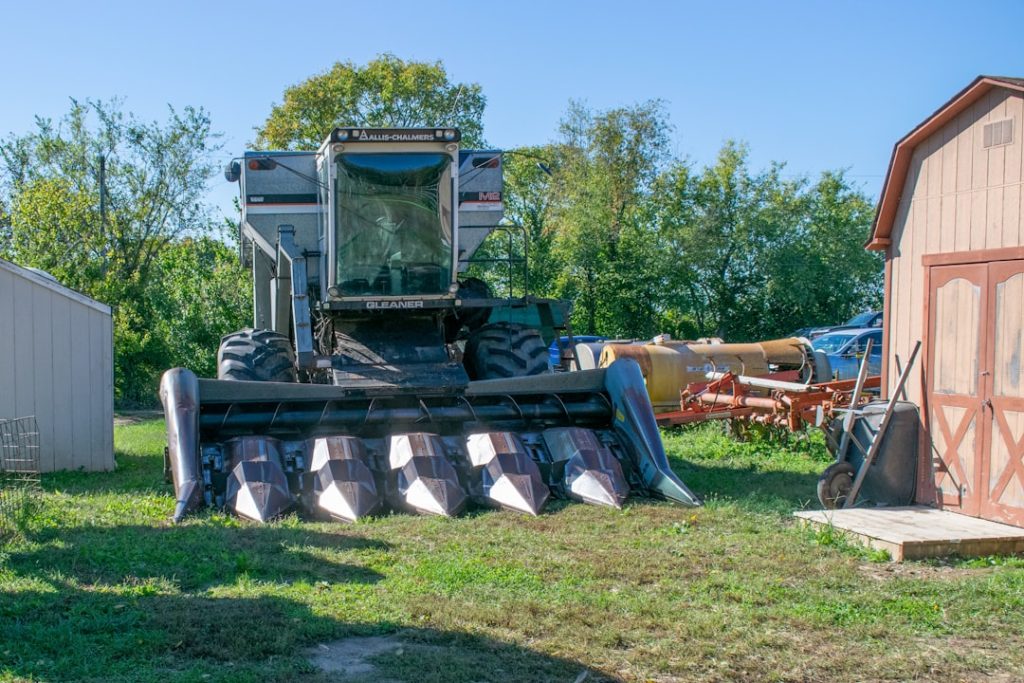
In the agricultural sector, the significance of quality farm equipment cannot be overstated. High-quality machinery and tools are essential for enhancing productivity, ensuring efficiency, and ultimately maximizing yield. Farmers rely on equipment for various tasks, from planting and cultivating to harvesting and transporting crops.
The right tools can make a substantial difference in the speed and effectiveness of these operations. For instance, a well-maintained tractor can significantly reduce the time required for plowing fields, allowing farmers to plant crops earlier in the season and take advantage of optimal growing conditions. Moreover, quality farm equipment contributes to the sustainability of farming practices.
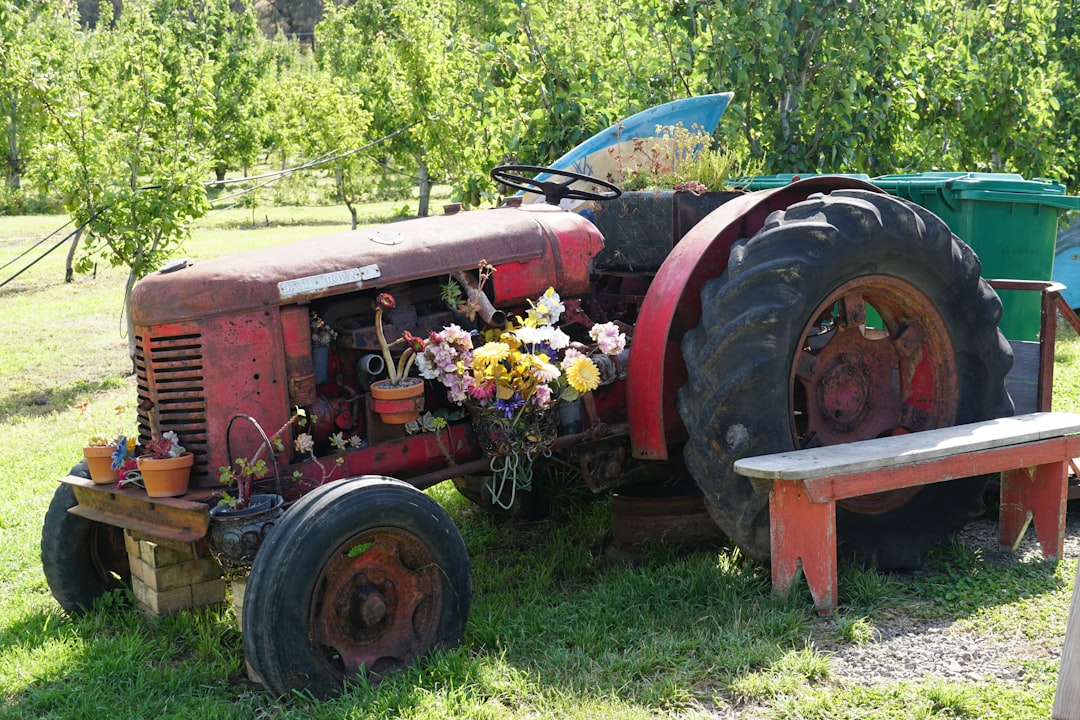
Durable machinery is less likely to break down, which minimizes downtime and reduces the need for frequent repairs or replacements. This reliability is crucial, especially during peak seasons when every moment counts. Additionally, modern equipment often incorporates advanced technology that can optimize resource use, such as precision agriculture tools that help in monitoring soil health and crop conditions.
By investing in high-quality equipment, farmers not only enhance their operational efficiency but also contribute to more sustainable agricultural practices that can benefit the environment.
Key Takeaways
- Quality farm equipment is essential for efficient and productive farming operations.
- Second-hand farm equipment can be found through online marketplaces, auctions, and local dealers.
- Key factors to check include the equipment’s condition, maintenance history, and compatibility with your needs.
- Buying second-hand equipment offers cost savings and quicker availability compared to new machinery.
- Proper assessment and regular maintenance are crucial to maximize the lifespan and performance of used farm equipment.
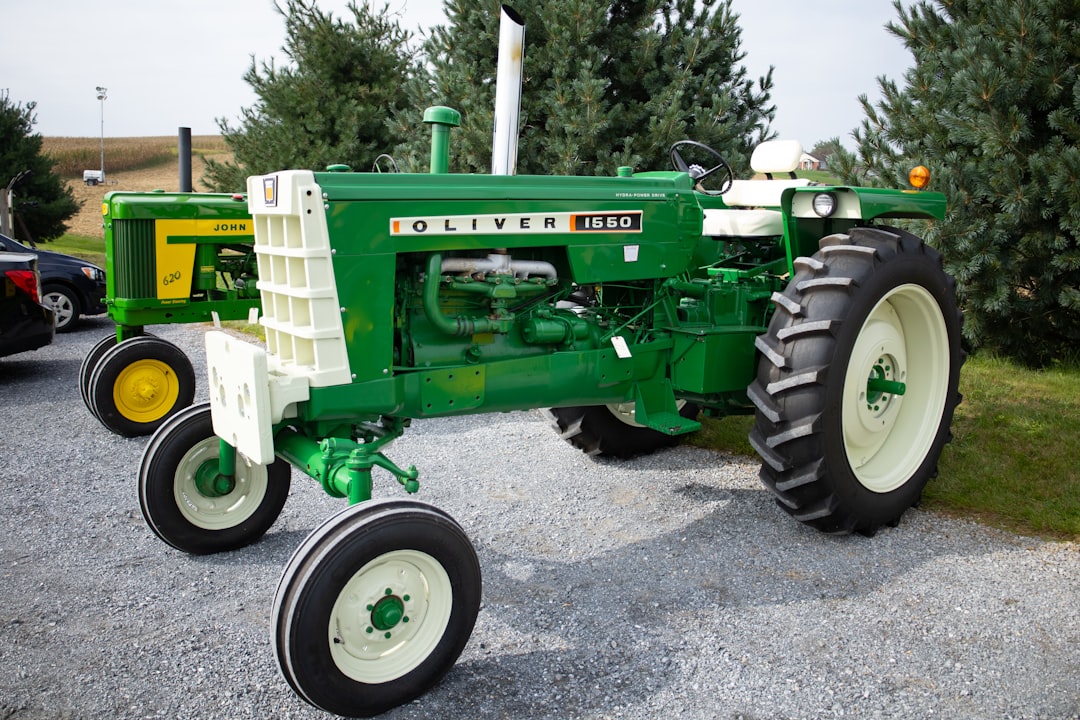
Where to Find Second-Hand Farm Equipment for Sale
Finding second-hand farm equipment for sale can be a rewarding endeavor for farmers looking to save costs while still acquiring necessary tools. One of the most common avenues is through online marketplaces. Websites such as Craigslist, eBay, and specialized agricultural equipment sites like TractorHouse or Farm Equipment Locator offer a wide range of listings from private sellers and dealers alike.
These platforms allow buyers to filter searches based on location, price range, and specific equipment types, making it easier to find what they need without extensive travel. Local auctions and farm sales are another excellent source for second-hand equipment. Many farmers hold estate sales or auctions when they retire or downsize their operations, providing an opportunity to purchase well-maintained machinery at competitive prices.
Attending these events not only allows buyers to inspect equipment firsthand but also offers the chance to negotiate prices directly with sellers. Additionally, networking within local farming communities can lead to valuable leads on available equipment. Farmers often share information about sales or equipment they no longer need, creating a community-driven marketplace that can yield great finds.
What to Look for When Buying Second-Hand Farm Equipment
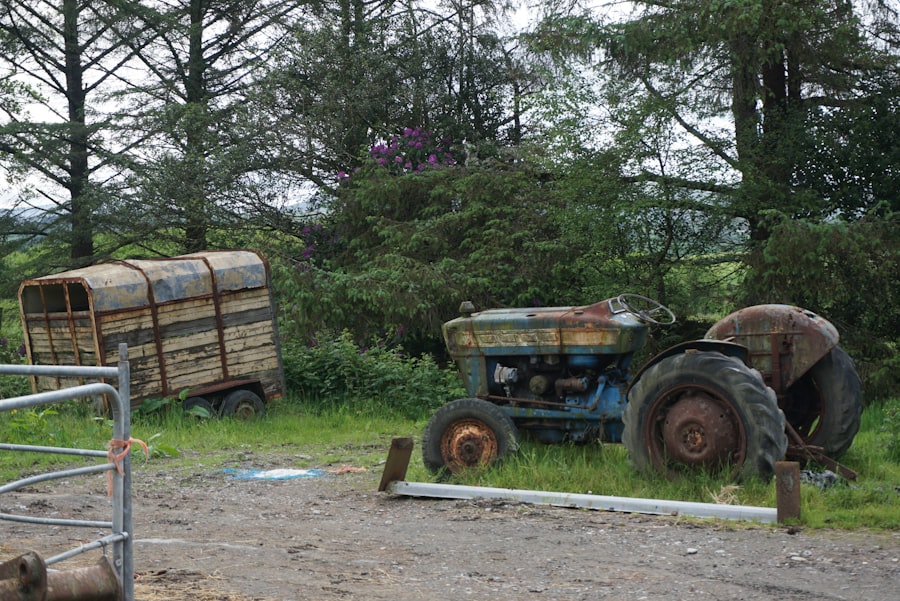
When purchasing second-hand farm equipment, several critical factors should be considered to ensure a wise investment. First and foremost, buyers should assess the overall condition of the machinery. This includes checking for signs of wear and tear, rust, or any mechanical issues that could lead to costly repairs down the line.
A thorough inspection of key components such as engines, hydraulic systems, and electrical systems is essential. For instance, a tractor with a well-maintained engine may still be a good buy even if it shows some cosmetic wear, while a machine with a poorly maintained engine could lead to significant expenses. Another important aspect is the equipment’s history and usage.
Understanding how the previous owner utilized the machinery can provide insights into its potential longevity and performance. For example, equipment that has been used primarily for light tasks may be in better condition than similar machinery that has been subjected to heavy-duty work. Additionally, verifying maintenance records can be beneficial; regular servicing often indicates that the previous owner took good care of the equipment.
Buyers should also consider the availability of parts and service for the specific model they are interested in, as some older models may have limited support.
Advantages of Buying Second-Hand Farm Equipment
| Advantage | Description | Impact | Example Metric |
|---|---|---|---|
| Cost Savings | Purchasing used equipment is generally less expensive than buying new. | Reduces initial capital expenditure | Up to 40% lower purchase price |
| Depreciation | Used equipment has already undergone initial depreciation, retaining value better. | Lower loss in value over time | Depreciation rate reduced by 20-30% |
| Availability | Used equipment is often available immediately, avoiding long lead times. | Faster acquisition and deployment | Immediate availability vs. 4-8 weeks for new |
| Variety | Wide range of models and brands to choose from in the used market. | Greater flexibility in selection | Access to over 100 different models |
| Lower Insurance Costs | Insurance premiums for used equipment are typically lower. | Reduced ongoing operational costs | 10-15% lower insurance premiums |
| Proven Reliability | Used equipment with service history can demonstrate reliability. | Reduced risk of unexpected failures | Average uptime of 90% or higher |
Purchasing second-hand farm equipment offers numerous advantages that can significantly benefit farmers financially and operationally. One of the most compelling reasons is cost savings. New agricultural machinery can be prohibitively expensive, often requiring substantial loans or financial commitments that may not be feasible for all farmers.
In contrast, second-hand equipment typically comes at a fraction of the price, allowing farmers to allocate their budgets more effectively across other essential areas such as seed purchases or labor costs. Additionally, buying used equipment can provide access to higher-quality brands or models that might otherwise be out of reach if purchased new. Many reputable manufacturers produce durable machinery designed to last for years; however, their new models may carry a hefty price tag.
By opting for second-hand options from these brands, farmers can benefit from superior technology and reliability without breaking the bank. Furthermore, purchasing used equipment can also contribute to sustainability efforts by promoting recycling and reducing waste in the agricultural sector.
Common Types of Second-Hand Farm Equipment Available
The market for second-hand farm equipment is diverse, encompassing a wide range of machinery suited for various agricultural tasks. Tractors are among the most sought-after items; they serve as the backbone of many farming operations due to their versatility in performing multiple functions such as plowing, tilling, and hauling. Buyers can find both compact tractors suitable for small farms and larger models designed for extensive agricultural operations.
Other common types of second-hand farm equipment include tillers, seeders, and harvesters. Tillers are essential for preparing soil before planting, while seeders ensure efficient planting at optimal depths and spacing. Harvesters come in various forms depending on the crop type; combines are popular for grain harvesting, while specialized machines exist for fruits and vegetables.
Additionally, implements such as plows, cultivators, and sprayers are frequently available in the second-hand market, providing farmers with essential tools for effective crop management.
How to Assess the Quality of Second-Hand Farm Equipment
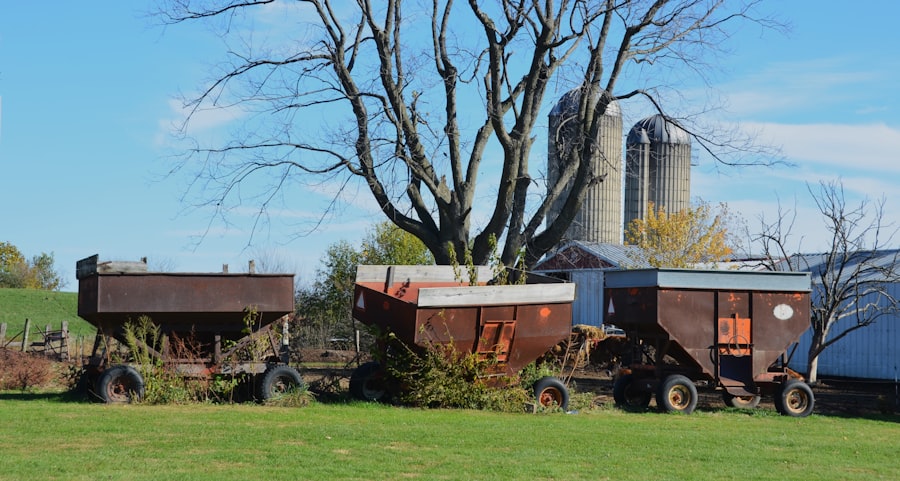
Assessing the quality of second-hand farm equipment requires a systematic approach that combines visual inspection with practical testing whenever possible. A thorough visual examination should begin with checking for any visible damage or signs of neglect. This includes looking for cracks in frames or welds, excessive rust on metal components, and worn-out tires or tracks.
Each of these factors can indicate how well the equipment has been maintained over its lifespan. In addition to visual checks, practical testing is crucial when feasible. For instance, if purchasing a tractor or combine harvester, taking it for a test run can reveal potential mechanical issues that may not be apparent during a static inspection.
Listening for unusual noises during operation or observing how smoothly it runs can provide valuable insights into its condition. Furthermore, asking the seller about maintenance history and any repairs made can help gauge how well the equipment has been cared for over time.
Tips for Maintaining Second-Hand Farm Equipment
Once second-hand farm equipment has been acquired, proper maintenance becomes essential to ensure its longevity and performance. Regular servicing is key; this includes routine oil changes, filter replacements, and inspections of hydraulic systems and belts. Establishing a maintenance schedule based on manufacturer recommendations can help prevent unexpected breakdowns during critical farming periods.
Additionally, keeping equipment clean is vital in prolonging its life span. Dirt and debris can accumulate in various parts of machinery, leading to corrosion or mechanical failures over time. After each use, farmers should clean their equipment thoroughly to remove any residue from soil or crops.
Storing machinery in a sheltered area when not in use also protects it from harsh weather conditions that could accelerate wear and tear.
The Future of Second-Hand Farm Equipment
The future of second-hand farm equipment appears promising as technological advancements continue to shape the agricultural landscape. With an increasing emphasis on sustainability and cost-effectiveness in farming practices, more farmers are likely to turn towards used machinery as a viable option. The rise of online marketplaces has made it easier than ever to buy and sell second-hand equipment, expanding access for farmers across various regions.
Moreover, as new technologies emerge—such as precision agriculture tools—older models may become more readily available on the second-hand market as farmers upgrade their fleets. This influx could provide opportunities for those looking to acquire reliable machinery at lower prices while still benefiting from advancements in agricultural practices. As environmental concerns grow alongside economic pressures in agriculture, the trend towards purchasing second-hand equipment is likely to gain momentum in the coming years, fostering a more sustainable approach within the industry.