
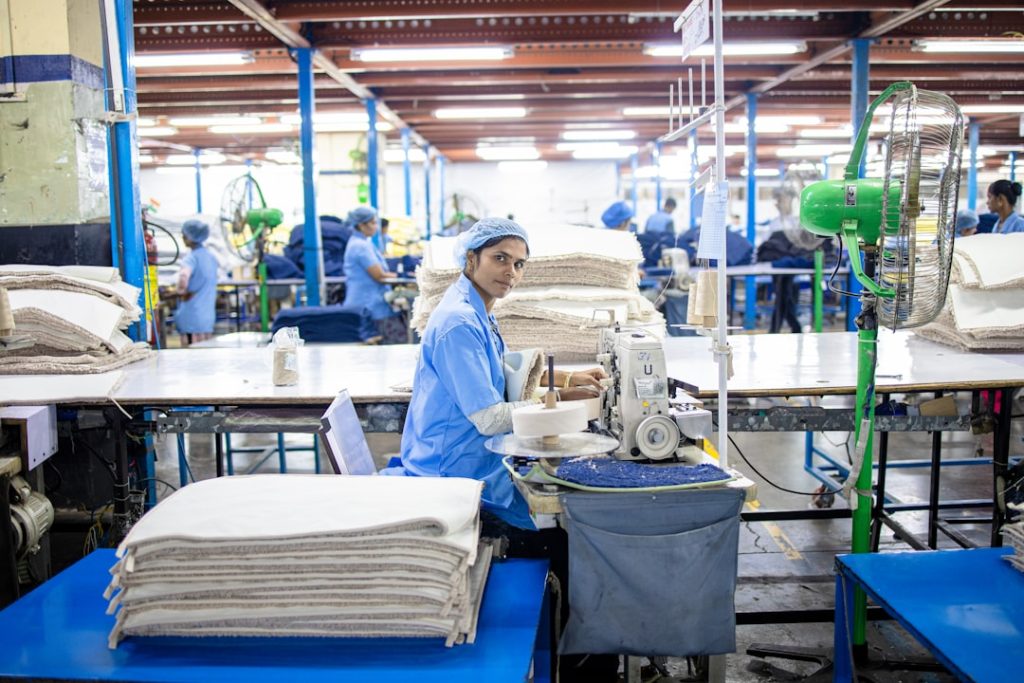
The paper bag manufacturing machine is a sophisticated piece of equipment designed to produce paper bags in various sizes and styles. These machines automate the process of converting rolls of paper into finished bags, significantly enhancing production efficiency compared to manual methods. The technology behind these machines has evolved over the years, incorporating advanced features such as automatic feeding, cutting, and sealing mechanisms.
This automation not only speeds up the production process but also ensures a higher level of precision and consistency in the final product. At the core of a paper bag manufacturing machine is its ability to handle different types of paper, including kraft paper, recycled paper, and specialty papers. The machine typically consists of several components, including a paper unwinding unit, a printing unit (if customization is required), a bag forming unit, and a sealing unit.
Each component plays a crucial role in ensuring that the bags produced meet specific quality standards. For instance, the sealing unit must apply the right amount of adhesive or heat to ensure that the bags are durable and can withstand the rigors of handling and transportation. Understanding these components is essential for manufacturers looking to invest in this technology, as it allows them to choose a machine that best fits their production needs.
Key Takeaways
- Paper bag manufacturing machines vary in type and features, influencing their price and suitability.
- Key factors affecting machine cost include capacity, automation level, and material compatibility.
- Additional expenses such as installation, maintenance, and training should be considered beyond the purchase price.
- Comparing prices from different suppliers and understanding total costs help in making an informed buying decision.
- Evaluating the return on investment is crucial to ensure the machine aligns with budget and business goals.
Factors Affecting the Price of Paper Bag Manufacturing Machines
The price of paper bag manufacturing machines can vary significantly based on several factors. One of the primary determinants is the machine’s capacity and speed. High-capacity machines that can produce thousands of bags per hour typically come with a higher price tag than smaller, slower models.
Manufacturers must assess their production requirements carefully; investing in a high-capacity machine may be justified for businesses with large-scale operations, while smaller enterprises may find that a more modestly priced machine meets their needs adequately. Another critical factor influencing the price is the level of automation incorporated into the machine. Fully automated machines that require minimal human intervention tend to be more expensive than semi-automated or manual options.
Automation can lead to significant labor cost savings over time, making it an attractive investment for many businesses. Additionally, features such as touchscreen controls, advanced safety mechanisms, and integrated quality control systems can also drive up costs. Therefore, potential buyers should weigh the benefits of these features against their budget constraints and operational needs.
Different Types of Paper Bag Manufacturing Machines
There are several types of paper bag manufacturing machines available on the market, each designed for specific applications and bag styles. One common type is the square bottom paper bag machine, which produces bags with a flat base that allows them to stand upright. These bags are often used for packaging groceries, bakery items, and other retail products.
The production process involves folding and gluing the paper to create a sturdy structure capable of holding heavier items. Another popular type is the SOS (Self-Opening Sack) bag machine, which produces bags that open automatically when filled. These bags are commonly used in food packaging and are designed for easy filling and sealing.
The SOS bag machine typically features a unique design that allows for quick production cycles and efficient material usage. Additionally, there are machines specifically designed for producing paper shopping bags with handles, which require additional steps in the manufacturing process to attach the handles securely.
Comparing Prices of Paper Bag Manufacturing Machines
| Machine Model | Production Capacity (bags/hour) | Power Consumption (kW) | Price Range | Material Compatibility | Automation Level | Warranty (years) |
|---|---|---|---|---|---|---|
| EcoBag Pro 3000 | 3000 | 5.5 | 15,000 – 18,000 | Kraft Paper, Recycled Paper | Fully Automatic | 2 |
| GreenPack 1500 | 1500 | 3.2 | 8,000 – 10,000 | Kraft Paper | Semi-Automatic | 1.5 |
| PaperMate 2000 | 2000 | 4.0 | 12,000 – 14,000 | Kraft Paper, Coated Paper | Fully Automatic | 2 |
| BagMaster 1000 | 1000 | 2.5 | 6,000 – 7,500 | Recycled Paper | Manual | 1 |
| EcoLine 2500 | 2500 | 4.8 | 13,500 – 16,000 | Kraft Paper, Recycled Paper | Fully Automatic | 2 |
When comparing prices of paper bag manufacturing machines, it is essential to consider not only the initial purchase price but also the long-term operational costs associated with each model. Some manufacturers may offer lower-priced machines that compromise on quality or efficiency, leading to higher maintenance costs or lower production rates over time. Therefore, it is advisable to conduct thorough research and read reviews from other users before making a decision.
Another aspect to consider is the warranty and after-sales support provided by the manufacturer. A machine with a higher upfront cost may offer better warranty terms or more comprehensive support services, which can save money in the long run if issues arise during operation. Additionally, potential buyers should inquire about the availability of spare parts and technical support, as these factors can significantly impact the overall cost of ownership.
Additional Costs Associated with Paper Bag Manufacturing Machines
Beyond the initial purchase price of a paper bag manufacturing machine, several additional costs must be factored into the overall investment. One significant expense is maintenance and repair costs. Like any machinery, paper bag manufacturing machines require regular maintenance to ensure optimal performance and longevity.
This may include routine inspections, lubrication of moving parts, and replacement of worn components. Businesses should budget for these ongoing expenses to avoid unexpected downtime that could disrupt production. Another cost consideration is training for operators.
While many modern machines are designed to be user-friendly, proper training is essential to maximize efficiency and minimize errors during production. Investing in training programs can help operators become proficient in using the machine’s features and troubleshooting common issues. Additionally, businesses should consider costs related to raw materials, such as paper rolls and adhesives, as these will be ongoing expenses tied to production levels.
Tips for Finding the Best Price for a Paper Bag Manufacturing Machine
Finding the best price for a paper bag manufacturing machine requires diligent research and strategic planning. One effective approach is to obtain quotes from multiple suppliers to compare prices and features comprehensively. This not only provides insight into market rates but also allows buyers to negotiate better terms based on competitive offers.
When reaching out to suppliers, it is beneficial to have a clear understanding of your production needs and desired specifications to ensure that comparisons are made on an apples-to-apples basis. Additionally, attending industry trade shows can be an excellent way to discover new technologies and pricing options. Trade shows often feature various manufacturers showcasing their latest products, allowing potential buyers to see machines in action and ask questions directly to company representatives.
This face-to-face interaction can lead to better deals or exclusive offers not available through online channels. Furthermore, considering used or refurbished machines can also yield significant savings while still providing reliable performance if purchased from reputable sources.
Budgeting for a Paper Bag Manufacturing Machine
Budgeting for a paper bag manufacturing machine involves more than just accounting for the purchase price; it requires a comprehensive understanding of all associated costs over time. Businesses should start by determining their production goals and estimating how much they are willing to invest in machinery that meets those goals. This initial assessment will help narrow down options based on capacity and features while ensuring that financial resources are allocated effectively.
Once a budget is established, it is crucial to include all potential costs in the financial plan. This includes not only the purchase price but also installation costs, training expenses, maintenance budgets, and raw material costs. By creating a detailed budget that accounts for these factors, businesses can avoid overspending or facing cash flow issues down the line.
Additionally, setting aside contingency funds for unexpected expenses related to machinery can provide peace of mind and financial stability.
Considering the Return on Investment for a Paper Bag Manufacturing Machine
Evaluating the return on investment (ROI) for a paper bag manufacturing machine is essential for justifying the purchase decision. ROI can be calculated by comparing the total costs associated with acquiring and operating the machine against the revenue generated from selling the produced bags. A positive ROI indicates that the investment is worthwhile and will contribute positively to the company’s bottom line.
To accurately assess ROI, businesses should consider factors such as increased production capacity leading to higher sales volumes, reduced labor costs due to automation, and potential savings from using eco-friendly materials that appeal to environmentally conscious consumers. Additionally, companies should analyze market trends indicating growing demand for sustainable packaging solutions; this can further enhance profitability by positioning them favorably within their industry. By taking a holistic approach to ROI analysis, businesses can make informed decisions about investing in paper bag manufacturing technology that aligns with their long-term goals.