
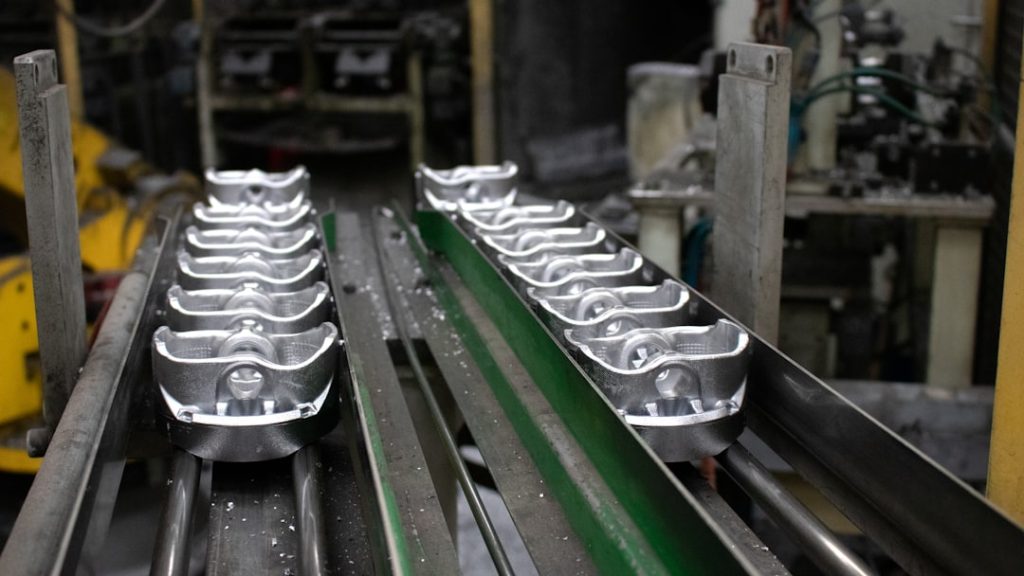
The efficiency of machine parts is a critical factor that directly influences the overall performance and productivity of manufacturing systems. In an era where competition is fierce and profit margins are often razor-thin, the ability to produce high-quality components that operate seamlessly can be the differentiator between success and failure. Efficient machine parts not only enhance the operational capabilities of machinery but also contribute to reduced energy consumption, lower maintenance costs, and extended equipment lifespan.
For instance, in the automotive industry, precision-engineered components such as pistons and crankshafts must operate with minimal friction to ensure optimal engine performance. Any inefficiency in these parts can lead to increased fuel consumption and higher emissions, which are detrimental both economically and environmentally. Moreover, the importance of machine parts efficiency extends beyond mere functionality; it also encompasses the reliability and safety of the machinery.

In sectors such as aerospace and medical devices, where the stakes are particularly high, the failure of a single component can have catastrophic consequences. Therefore, manufacturers must prioritize the design and production of machine parts that not only meet stringent performance standards but also adhere to rigorous safety regulations. This commitment to efficiency and reliability fosters trust among consumers and stakeholders, ultimately enhancing brand reputation and market position.
Key Takeaways
- Efficient machine parts are crucial for optimal machine performance and longevity.
- Selecting appropriate materials enhances durability and functionality of machine components.
- Advanced manufacturing and quality control ensure precision and reduce defects.
- Automation and streamlined production boost productivity and consistency.
- Collaboration and ongoing R&D drive innovation and continuous improvement.
Choosing the Right Materials for Machine Parts
Selecting appropriate materials for machine parts is a foundational step that significantly impacts their performance, durability, and cost-effectiveness. The choice of material must align with the specific requirements of the application, including factors such as load-bearing capacity, resistance to wear and corrosion, and thermal stability. For example, in high-stress environments like aerospace applications, lightweight yet strong materials such as titanium alloys or carbon fiber composites are often preferred due to their excellent strength-to-weight ratios.
These materials not only reduce the overall weight of the aircraft but also improve fuel efficiency and performance. In contrast, for components that will be exposed to harsh chemical environments, such as pumps in chemical processing plants, materials like stainless steel or specialized polymers may be more suitable. These materials offer superior resistance to corrosion and degradation, ensuring longevity and reliability in demanding conditions.
Additionally, advancements in material science have led to the development of innovative materials such as advanced ceramics and composites that can withstand extreme temperatures and pressures. By carefully evaluating the specific demands of each application and selecting the right materials accordingly, manufacturers can enhance the performance and lifespan of their machine parts while minimizing maintenance costs.
Utilizing Advanced Manufacturing Techniques

The landscape of manufacturing is rapidly evolving with the advent of advanced techniques that enhance precision, efficiency, and flexibility in production processes. Techniques such as additive manufacturing, also known as 3D printing, have revolutionized the way machine parts are designed and produced. This technology allows for the creation of complex geometries that would be impossible or prohibitively expensive to achieve using traditional subtractive methods.
For instance, in industries like aerospace, where weight reduction is paramount, additive manufacturing enables the production of lightweight lattice structures that maintain strength while minimizing material usage. Another advanced technique gaining traction is computer numerical control (CNC) machining, which offers unparalleled precision in shaping materials. CNC machines can execute intricate designs with high repeatability, reducing human error and ensuring consistent quality across batches.
Furthermore, techniques such as laser cutting and waterjet cutting provide additional versatility in processing various materials with minimal waste. By integrating these advanced manufacturing techniques into their operations, companies can not only improve the quality of their machine parts but also respond more swiftly to market demands and customization requests.
Implementing Quality Control Measures
| Quality Control Measure | Description | Key Metrics | Target Value | Frequency of Measurement |
|---|---|---|---|---|
| Incoming Material Inspection | Checking raw materials for defects before production | Defect Rate (%) | Less than 1% | Per Batch |
| In-Process Quality Checks | Monitoring product quality during manufacturing | Process Yield (%) | Greater than 98% | Hourly |
| Final Product Inspection | Verifying finished products meet specifications | Defect Rate (%) | Less than 0.5% | Per Lot |
| Statistical Process Control (SPC) | Using statistical methods to monitor and control processes | Control Chart Compliance (%) | 100% | Daily |
| Employee Training | Training staff on quality standards and procedures | Training Completion Rate (%) | 100% | Quarterly |
| Customer Feedback Analysis | Collecting and analyzing customer complaints and returns | Customer Complaint Rate (%) | Less than 0.2% | Monthly |
Quality control is an indispensable aspect of manufacturing that ensures machine parts meet established standards for performance and reliability. Implementing robust quality control measures involves a systematic approach to monitoring every stage of production, from raw material selection to final inspection. Techniques such as statistical process control (SPC) allow manufacturers to analyze production data in real-time, identifying variations that could indicate potential defects before they escalate into larger issues.
For example, in a facility producing precision gears for automotive applications, regular monitoring of machining tolerances can prevent costly rework or scrap due to out-of-spec components. In addition to real-time monitoring, employing advanced inspection technologies such as coordinate measuring machines (CMM) or non-destructive testing (NDT) methods can further enhance quality assurance efforts. CMMs provide precise measurements of complex geometries, while NDT techniques like ultrasonic testing or X-ray inspection can detect internal flaws without damaging the components.
By fostering a culture of quality throughout the organization and investing in state-of-the-art inspection technologies, manufacturers can ensure that their machine parts consistently meet or exceed customer expectations.
Streamlining Production Processes
Streamlining production processes is essential for enhancing efficiency and reducing lead times in manufacturing operations. This involves analyzing workflows to identify bottlenecks and implementing strategies to optimize each stage of production. Techniques such as lean manufacturing focus on eliminating waste—whether it be time, materials, or labor—while maximizing value for customers.
For instance, by adopting just-in-time (JIT) inventory practices, manufacturers can minimize excess inventory costs while ensuring that materials arrive precisely when needed for production. Additionally, employing techniques like value stream mapping can help visualize the flow of materials and information throughout the production process. This tool allows manufacturers to pinpoint areas where delays occur or where resources are underutilized.
By addressing these inefficiencies through process re-engineering or automation solutions, companies can significantly enhance their throughput and responsiveness to market demands. The result is a more agile manufacturing environment capable of adapting to changing customer needs while maintaining high levels of quality.
Embracing Automation and Robotics
The integration of automation and robotics into manufacturing processes has transformed traditional production paradigms by enhancing efficiency and precision. Automated systems can perform repetitive tasks with remarkable speed and accuracy, reducing the likelihood of human error while freeing up skilled workers for more complex responsibilities. For example, robotic arms equipped with advanced sensors can handle delicate assembly tasks in electronics manufacturing with a level of precision that far exceeds human capabilities.
Moreover, automation extends beyond just assembly lines; it encompasses various aspects of production including material handling, quality inspection, and even supply chain management. Automated guided vehicles (AGVs) can transport materials across a facility without human intervention, optimizing logistics and reducing downtime associated with manual handling. As manufacturers increasingly adopt these technologies, they not only improve operational efficiency but also enhance workplace safety by minimizing human exposure to hazardous environments.
Investing in Research and Development
Investing in research and development (R&D) is crucial for manufacturers seeking to maintain a competitive edge in an ever-evolving market landscape. R&D initiatives enable companies to explore new technologies, materials, and processes that can lead to innovative machine parts with enhanced performance characteristics. For instance, research into nanomaterials has opened up possibilities for creating components with superior strength-to-weight ratios or enhanced thermal properties.
Furthermore, R&D plays a vital role in sustainability efforts within manufacturing. As environmental regulations become more stringent and consumer demand for eco-friendly products rises, companies must innovate to develop sustainable practices and materials. This could involve researching biodegradable polymers for packaging or exploring energy-efficient manufacturing processes that reduce carbon footprints.
By prioritizing R&D investments, manufacturers position themselves not only as leaders in innovation but also as responsible stewards of environmental sustainability.
Collaborating with Machine Operators and Engineers
Collaboration between machine operators and engineers is essential for optimizing machine parts design and functionality. Operators possess invaluable insights gained from hands-on experience with machinery; their feedback can inform engineers about practical challenges encountered during operation. For example, an operator may notice that a particular component wears out faster than expected due to unforeseen stressors during operation.
This information can prompt engineers to revisit the design or material selection process to enhance durability. Moreover, fostering a culture of collaboration encourages knowledge sharing across disciplines within an organization. Regular meetings between operators and engineers can facilitate discussions on best practices for maintenance or troubleshooting common issues encountered on the shop floor.
By creating an environment where both groups feel empowered to contribute their expertise, manufacturers can drive continuous improvement initiatives that enhance both machine parts efficiency and overall operational effectiveness. This collaborative approach not only leads to better-designed components but also cultivates a sense of ownership among employees, ultimately benefiting the organization as a whole.