
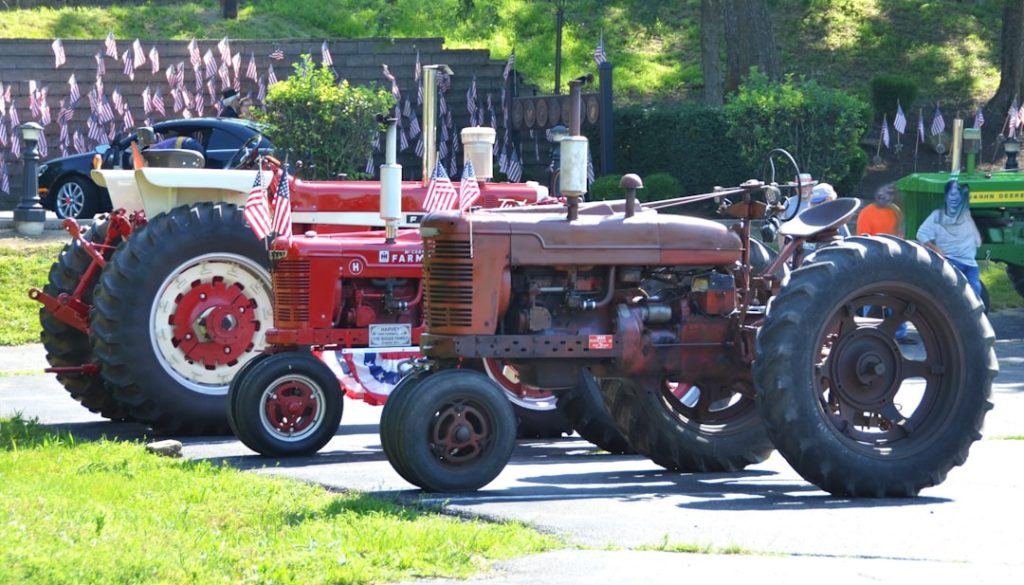
In recent years, the agricultural industry has witnessed a significant shift towards digital platforms, making the online purchase of tractors increasingly popular among farmers and agricultural enthusiasts. One of the primary benefits of buying a tractor online is the vast selection available at one’s fingertips. Unlike traditional dealerships, which may have limited inventory, online platforms can showcase a wide array of models, brands, and specifications.
This extensive variety allows buyers to compare different tractors side by side, enabling them to make informed decisions based on their specific needs and budget constraints. For instance, a farmer looking for a compact tractor for small-scale operations can easily find options from various manufacturers, complete with detailed specifications and user reviews. Moreover, purchasing a tractor online often leads to cost savings.
Online retailers frequently offer competitive pricing due to lower overhead costs compared to brick-and-mortar dealerships. Additionally, buyers can take advantage of seasonal sales, discounts, and promotions that may not be available in physical stores. The ability to shop around and compare prices across multiple platforms empowers consumers to find the best deals.
Furthermore, many online marketplaces provide financing options that can make purchasing a tractor more accessible for those who may not have the full amount upfront. This financial flexibility can be particularly beneficial for new farmers or those looking to expand their operations without straining their budgets.
Key Takeaways
- Buying tractors online offers convenience, wider selection, and competitive pricing.
- Participating in online tractor auctions requires registration, understanding bidding rules, and timely participation.
- Choosing the right tractor involves assessing your needs, budget, and tractor specifications carefully.
- Researching the seller and tractor history is crucial to avoid fraud and ensure quality.
- Ensuring smooth transactions involves clear communication, secure payment methods, and reliable delivery arrangements.
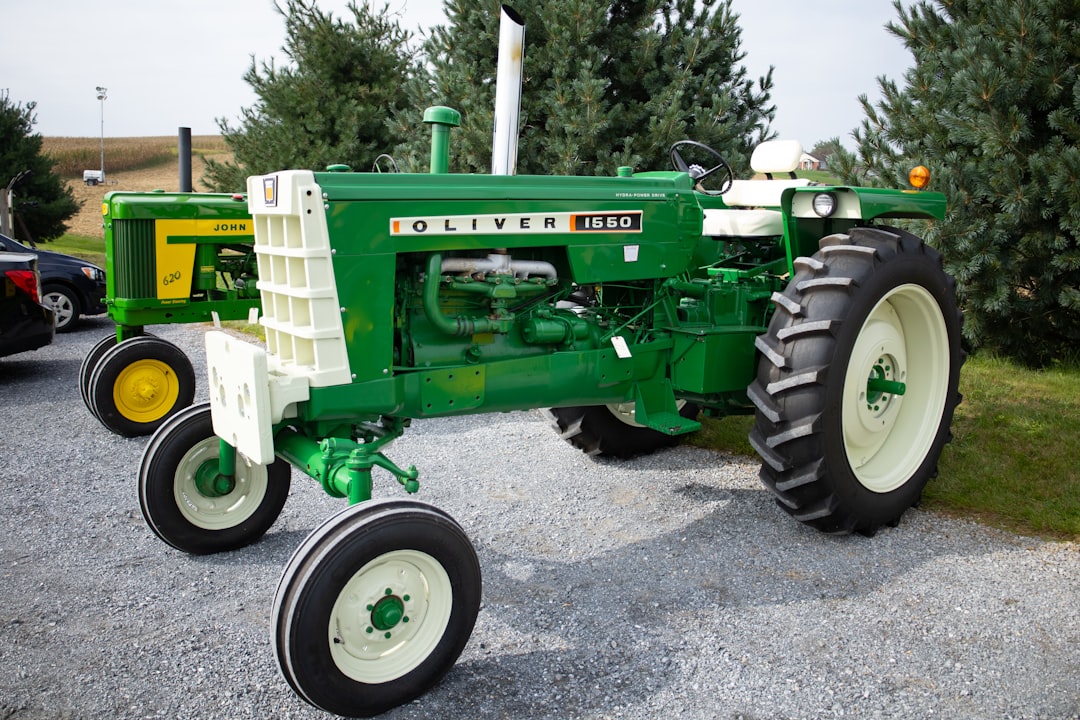
How to Participate in an Online Tractor Auction
Participating in an online tractor auction can be an exhilarating experience, but it requires a clear understanding of the process to maximize success. The first step is to identify reputable auction platforms that specialize in agricultural equipment. Websites like AuctionTime, Ritchie Bros., and IronPlanet are well-known for hosting online auctions where buyers can bid on a variety of tractors.
Once a suitable platform is chosen, prospective bidders must create an account, which typically involves providing personal information and agreeing to the auction’s terms and conditions. After setting up an account, it’s crucial to familiarize oneself with the auction’s rules and bidding procedures. Each auction may have different starting bids, reserve prices, and bidding increments.
Some auctions may also allow for proxy bidding, where buyers can set a maximum bid amount, and the system will automatically increase their bid incrementally until that limit is reached. This feature can be particularly useful for busy individuals who may not be able to monitor the auction in real-time. Additionally, it’s advisable to participate in pre-auction inspections if possible, as this allows bidders to assess the condition of the tractors firsthand before placing bids.
Tips for Finding the Right Tractor for Your Needs
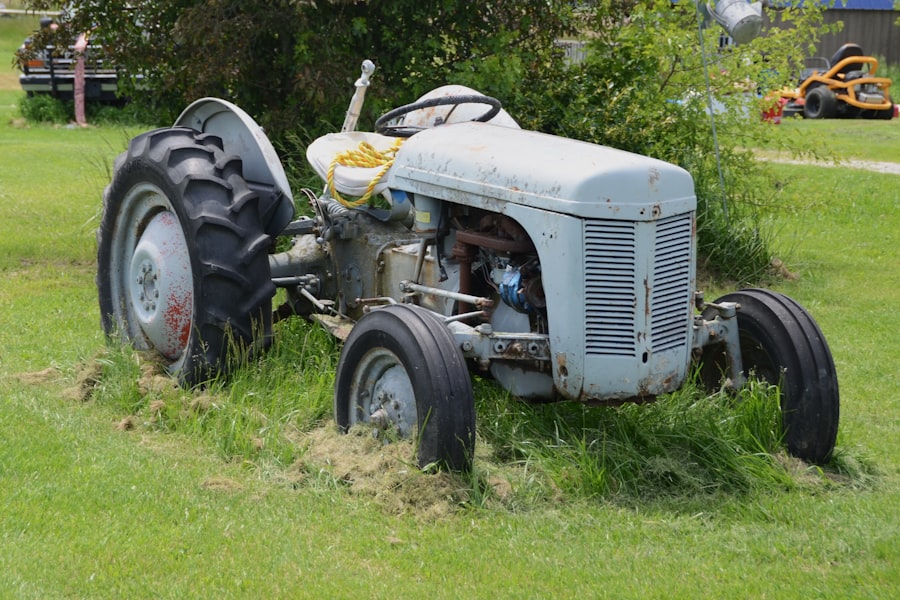
Finding the right tractor involves more than just selecting a model that looks appealing; it requires careful consideration of various factors tailored to individual needs. First and foremost, buyers should assess their specific agricultural requirements. For instance, a farmer engaged in large-scale crop production may need a high-horsepower tractor equipped with advanced features such as GPS technology and hydraulic systems for efficient plowing and planting.
Conversely, someone managing a small homestead might prioritize compact tractors that are easier to maneuver in tight spaces and suitable for tasks like mowing or tilling. Another critical aspect is understanding the tractor’s specifications and capabilities. Buyers should pay close attention to horsepower ratings, engine types, transmission options, and available attachments.
For example, a tractor with a powerful diesel engine may be more suitable for heavy-duty tasks compared to a gasoline-powered model. Additionally, considering the availability of attachments such as loaders, plows, and seeders can enhance the tractor’s versatility and utility on the farm. Researching user reviews and seeking recommendations from fellow farmers can also provide valuable insights into the performance and reliability of specific models.
Understanding the Process of Bidding and Winning
| Step | Description | Key Metrics | Success Factors |
|---|---|---|---|
| 1. Identifying Opportunities | Research and find relevant projects or contracts to bid on. | Number of opportunities found, Relevance score | Effective market research, strong network |
| 2. Preparing the Bid | Develop a detailed proposal including pricing, timelines, and qualifications. | Proposal completeness (%), Time spent preparing (hours) | Clear value proposition, competitive pricing |
| 3. Submitting the Bid | Deliver the bid before the deadline using the required format. | On-time submission rate (%), Compliance with requirements (%) | Attention to detail, adherence to guidelines |
| 4. Evaluation by Client | Client reviews bids based on criteria such as cost, quality, and experience. | Bid evaluation score, Client feedback rating | Strong credentials, clear differentiation |
| 5. Winning the Bid | Bid is selected and contract awarded. | Win rate (%), Average bid value | Competitive pricing, strong relationships |
| 6. Post-Award Process | Contract negotiation, project kickoff, and delivery. | Contract finalization time, Project start delay | Effective communication, project management |
The bidding process in an online tractor auction can be both thrilling and strategic. Once the auction begins, participants must remain vigilant as bids are placed by other buyers. It’s essential to set a budget beforehand to avoid overspending in the heat of competition.
Many successful bidders recommend using a bidding strategy that involves waiting until the final moments of the auction to place their bids—often referred to as “sniping.” This tactic can prevent other bidders from having enough time to respond with counter-bids. Additionally, understanding how bidding increments work is crucial for effective participation. Auctions typically have predetermined increments based on the current bid amount; knowing these increments can help bidders plan their strategies accordingly.
For instance, if the current bid is $10,000 and the increment is $500, placing a bid of $10,500 would be necessary to stay competitive. It’s also important to keep an eye on any reserve prices set by sellers; if the bidding does not reach this minimum threshold, the item may not be sold at all. Therefore, being aware of these nuances can significantly enhance one’s chances of winning the desired tractor.
Factors to Consider When Buying a Tractor Online
When buying a tractor online, several factors must be taken into account to ensure a satisfactory purchase experience. One of the most critical considerations is the condition of the tractor being sold. Buyers should look for detailed descriptions and high-quality images that showcase both the exterior and interior components of the machine.
Many online listings will include information about previous usage, maintenance records, and any repairs that have been made. This transparency is vital for assessing whether the tractor is worth the investment. Another important factor is warranty coverage and after-sales support.
Buyers should inquire about any warranties offered by sellers or manufacturers, as this can provide peace of mind regarding potential repairs or issues that may arise after purchase. Additionally, understanding the availability of parts and service for specific models is essential; some tractors may have limited support due to being older or less common models. Ensuring that there are local dealers or service centers that can assist with maintenance can save buyers time and money in the long run.
The Importance of Researching the Seller and the Tractor’s History

Before finalizing any online tractor purchase, conducting thorough research on both the seller and the tractor’s history is paramount. Buyers should verify the seller’s reputation by checking reviews and ratings from previous customers. Reputable sellers often have established track records with positive feedback regarding their transactions.
Platforms that facilitate user reviews can provide insights into other buyers’ experiences with specific sellers, helping potential buyers gauge reliability. Equally important is understanding the tractor’s history through documentation such as service records or previous ownership details. A well-documented history can reveal how well-maintained the tractor has been over its lifespan.
For instance, if a tractor has undergone regular servicing and has no history of major repairs or accidents, it may be considered a safer investment than one with an unclear maintenance record. Additionally, buyers should inquire about any modifications made to the tractor; while some upgrades can enhance performance, others may indicate potential issues if not done correctly.
How to Ensure a Smooth Transaction and Delivery
Ensuring a smooth transaction when buying a tractor online involves several key steps that require attention to detail and proactive communication with sellers. First and foremost, buyers should confirm payment methods accepted by the seller and ensure they are secure options such as credit cards or trusted payment platforms like PayPal. Avoiding cash transactions or wire transfers without proper safeguards is advisable due to potential fraud risks associated with online purchases.
Once payment has been arranged, coordinating delivery logistics becomes essential. Buyers should discuss shipping options with sellers to determine whether they will handle transportation or if it falls on the buyer’s responsibility. Understanding shipping costs and timelines is crucial for planning purposes; delays in delivery can disrupt farming operations if equipment is needed urgently during planting or harvesting seasons.
Additionally, it’s wise to inspect the tractor upon arrival before finalizing any payments or accepting delivery; this ensures that what was purchased matches expectations based on online descriptions.
The Future of Online Tractor Auctions: What to Expect
As technology continues to evolve, so too does the landscape of online tractor auctions. The future promises even greater advancements that will enhance user experience and accessibility for buyers across various demographics. One significant trend is the integration of augmented reality (AR) tools that allow potential buyers to visualize tractors in their own environments before making a purchase decision.
This technology could enable users to see how different models would fit within their existing operations or land layouts. Additionally, as more farmers embrace digital solutions for their agricultural needs, we can expect an increase in mobile-friendly auction platforms that cater specifically to on-the-go users. Enhanced mobile applications will likely provide real-time notifications about bidding activity and allow users to place bids directly from their smartphones or tablets without needing access to a computer.
Furthermore, advancements in data analytics could lead to more personalized recommendations based on individual buying patterns and preferences—streamlining the search process for buyers looking for specific types of tractors. In conclusion, as online tractor auctions continue to grow in popularity and sophistication, both buyers and sellers stand to benefit from these innovations that promise greater efficiency and convenience in agricultural equipment transactions.