
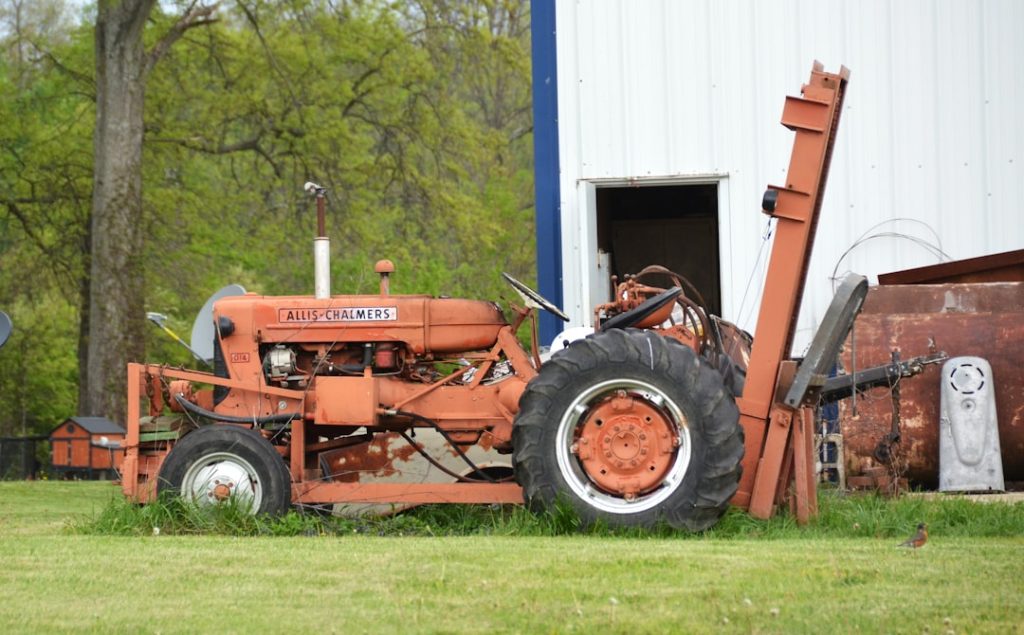
In recent years, the agricultural sector has witnessed a significant transformation with the advent of online farm machinery auctions. Traditionally, farmers and agricultural businesses relied on in-person auctions, which often required extensive travel and time commitments. However, the digital revolution has changed the landscape, allowing buyers and sellers to connect in a virtual marketplace.
This shift has been driven by advancements in technology, increased internet accessibility, and the growing need for efficiency in the agricultural industry. As a result, online auctions have become a popular alternative, providing a platform where equipment can be bought and sold with just a few clicks. The rise of online farm machinery auctions can also be attributed to the changing demographics of farmers.
Younger generations, who are more tech-savvy and comfortable with digital transactions, are entering the agricultural field. They seek modern solutions that align with their lifestyles and preferences. Online auctions cater to this demographic by offering user-friendly interfaces, mobile accessibility, and real-time bidding options.
Furthermore, the COVID-19 pandemic accelerated this trend as many traditional auction houses were forced to adapt to social distancing measures. Consequently, online platforms have gained traction, proving to be a viable solution for both buyers and sellers in the agricultural machinery market.
Key Takeaways
- Online farm machinery auctions are becoming increasingly popular and accessible.
- Buying equipment online offers convenience, wider selection, and competitive pricing.
- Successful participation requires understanding auction rules and thorough research.
- Buyers should be aware of potential risks like equipment condition and bidding competition.
- Ensuring quality involves verifying seller credibility and inspecting equipment when possible.
Benefits of Buying Equipment Online
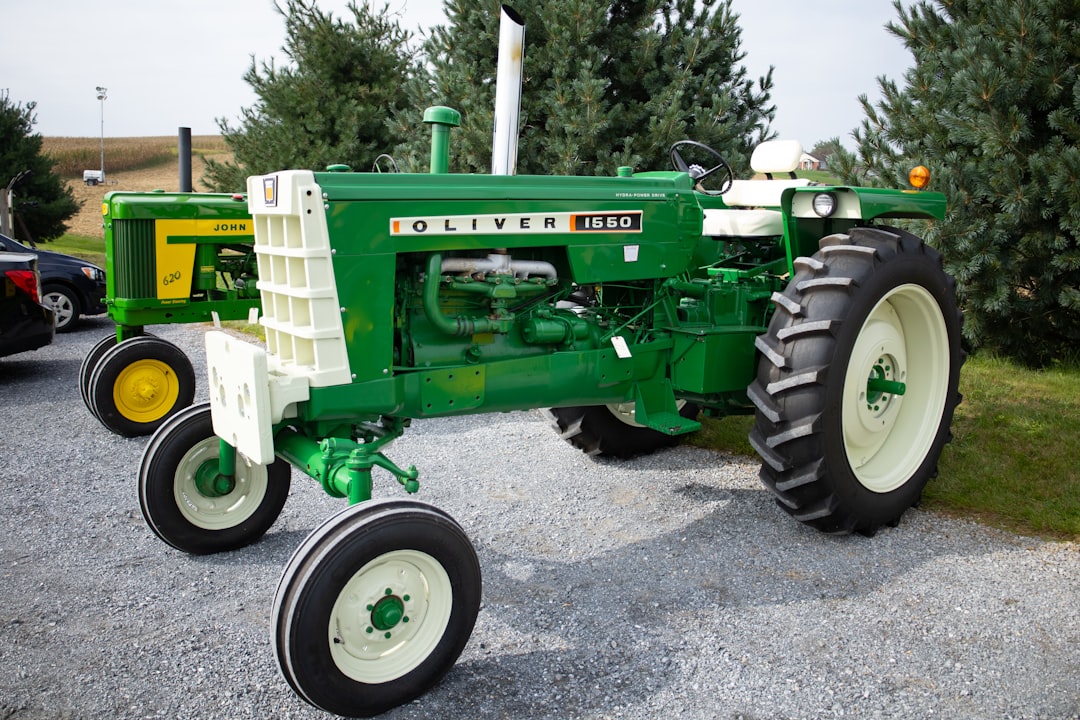
One of the most significant advantages of purchasing farm machinery through online auctions is the vast selection available to buyers. Unlike traditional auctions that may be limited to local inventory, online platforms aggregate listings from various regions, providing access to a broader range of equipment. This diversity allows farmers to find specific models or brands that may not be available in their immediate vicinity.
For instance, a farmer in Iowa might discover a rare piece of vintage equipment listed by a seller in California, expanding their options significantly. Additionally, online auctions often feature competitive pricing due to the increased number of participants and the transparency of bidding processes. Buyers can compare prices across different listings and make informed decisions based on market trends.
This competitive environment can lead to better deals than those typically found at local auctions. Moreover, many online platforms provide historical data on past sales, enabling buyers to gauge fair market values for specific machinery. This wealth of information empowers farmers to make strategic purchases that align with their operational needs and budget constraints.
How to Participate in Online Farm Machinery Auctions
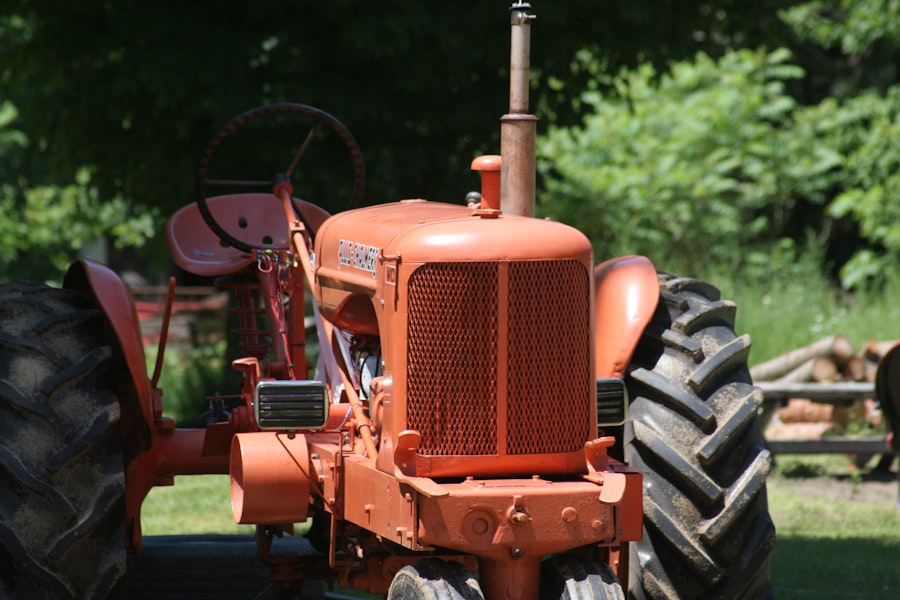
Participating in online farm machinery auctions is a straightforward process that begins with selecting a reputable auction platform. Numerous websites specialize in agricultural equipment auctions, each offering unique features and benefits. Once a platform is chosen, prospective buyers must create an account, which typically involves providing basic personal information and agreeing to the site’s terms and conditions.
Some platforms may require verification or additional documentation, especially for high-value transactions. After setting up an account, users can browse available listings based on their specific needs. Most platforms allow filtering by category, brand, location, and price range, making it easier for buyers to find suitable equipment.
Once a desired item is located, interested bidders can place bids directly through the platform. Many auctions operate on a timed basis, meaning that bidders must act quickly to secure their desired equipment before the auction closes. Some platforms also offer proxy bidding options, where users can set a maximum bid amount, allowing the system to automatically increase their bid incrementally until that limit is reached.
Tips for Successfully Navigating Online Auctions
| Tip | Description | Benefit | Success Rate (%) |
|---|---|---|---|
| Research Items Thoroughly | Investigate the item’s condition, market value, and seller reputation before bidding. | Reduces risk of overpaying or buying counterfeit items. | 85 |
| Set a Maximum Bid Limit | Determine the highest amount you are willing to pay and stick to it. | Prevents emotional overspending during bidding wars. | 90 |
| Use Sniping Tools | Employ automated bidding software to place last-second bids. | Increases chances of winning at the lowest possible price. | 75 |
| Monitor Auctions Closely | Keep track of auction end times and bid activity. | Allows timely bids and adjustments to strategy. | 80 |
| Check Seller Feedback | Review ratings and comments from previous buyers. | Ensures reliability and reduces fraud risk. | 88 |
| Understand Auction Rules | Familiarize yourself with bidding increments, payment terms, and return policies. | Prevents misunderstandings and unexpected costs. | 82 |
To maximize success in online farm machinery auctions, bidders should conduct thorough research before participating. Understanding the specific equipment they are interested in is crucial; this includes knowing its market value, condition, and any potential maintenance issues. Buyers should familiarize themselves with the auction platform’s rules and bidding procedures to avoid any surprises during the process.
Reading reviews and testimonials from previous users can also provide insights into the platform’s reliability and customer service. Another essential tip is to set a budget before entering an auction. It can be easy to get caught up in the excitement of bidding wars, leading to overspending.
By establishing a clear financial limit beforehand, bidders can maintain control over their purchases and avoid buyer’s remorse later on. Additionally, it is wise to monitor the auction closely as it approaches its closing time; last-minute bids can significantly alter the outcome. Utilizing features like alerts or notifications can help bidders stay informed about their desired items and any competing bids.
Potential Drawbacks of Online Auctions
While online farm machinery auctions offer numerous benefits, they are not without potential drawbacks. One significant concern is the inability to physically inspect equipment before purchase. Unlike traditional auctions where buyers can examine machinery firsthand, online transactions rely heavily on photographs and descriptions provided by sellers.
This lack of tactile assessment can lead to discrepancies between expectations and reality; for example, a buyer may receive equipment that appears well-maintained in photos but has hidden defects or wear that were not disclosed. Another challenge is the risk of fraudulent listings or misrepresentation by sellers. Although reputable auction platforms implement measures to verify sellers and their listings, some unscrupulous individuals may still attempt to take advantage of unsuspecting buyers.
It is crucial for bidders to remain vigilant and conduct due diligence before finalizing any purchase. Researching seller ratings and feedback from previous transactions can help mitigate this risk; however, it does not eliminate it entirely.
Ensuring Quality and Reliability in Online Equipment Purchases
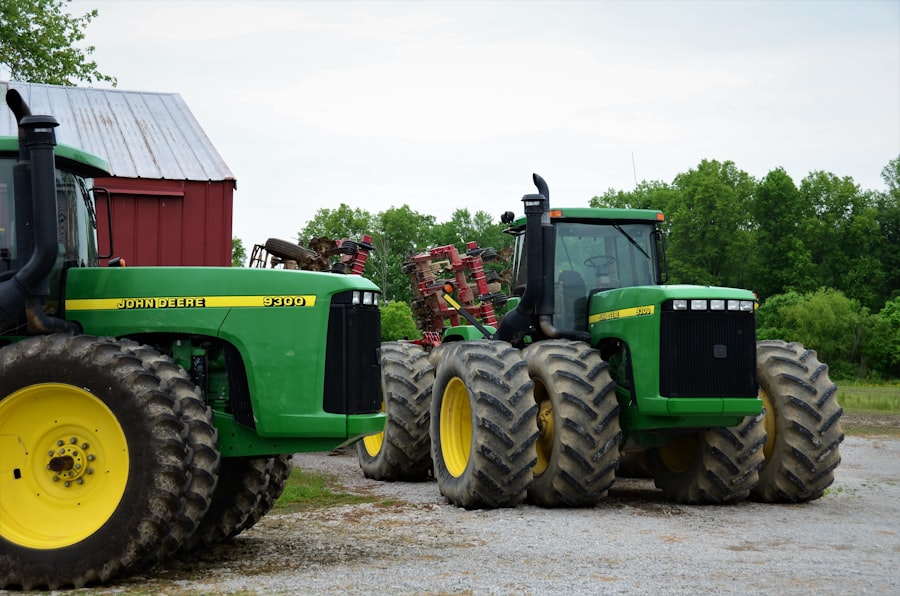
To ensure quality and reliability when purchasing equipment through online auctions, buyers should prioritize platforms that offer comprehensive seller verification processes. Reputable auction sites often have systems in place to vet sellers based on their history and performance within the marketplace. This vetting process can include checking for previous sales records, customer feedback ratings, and even direct communication with sellers regarding their equipment.
Additionally, buyers should take advantage of any available warranties or guarantees offered by sellers or auction platforms. Some listings may come with assurances regarding the condition of the machinery or options for returns if the equipment does not meet specified criteria upon delivery. Engaging in open communication with sellers can also provide valuable insights into the equipment’s history and maintenance records.
Asking questions about usage patterns or any repairs made can help buyers make informed decisions about their purchases.
The Future of Online Farm Machinery Auctions
The future of online farm machinery auctions appears promising as technology continues to evolve and reshape the agricultural landscape. Innovations such as augmented reality (AR) and virtual reality (VR) could revolutionize how buyers interact with listings by allowing them to visualize equipment in 3D or even simulate its operation before making a purchase decision. These advancements could bridge the gap between physical inspections and online transactions, enhancing buyer confidence.
Moreover, as data analytics becomes increasingly sophisticated, auction platforms may leverage artificial intelligence (AI) to provide personalized recommendations based on user behavior and preferences. This could streamline the buying process further by suggesting relevant listings tailored to individual needs. Additionally, blockchain technology may play a role in enhancing transparency and security within online transactions by providing immutable records of ownership and transaction history.
Embracing the Convenience of Online Equipment Purchases
The convenience offered by online farm machinery auctions has transformed how farmers acquire essential equipment for their operations. With an expansive selection of listings available at their fingertips, buyers can navigate a competitive marketplace that fosters better pricing and informed decision-making. While challenges such as inspection limitations and potential fraud exist, proactive measures can mitigate these risks effectively.
As technology continues to advance, the future of online farm machinery auctions holds exciting possibilities that promise to enhance user experience further while ensuring quality and reliability in purchases. Embracing this digital shift allows farmers not only to save time but also to access resources that were previously out of reach due to geographical constraints or logistical challenges. The evolution of this marketplace reflects broader trends within agriculture toward modernization and efficiency—an essential step for those looking to thrive in an increasingly competitive industry.