
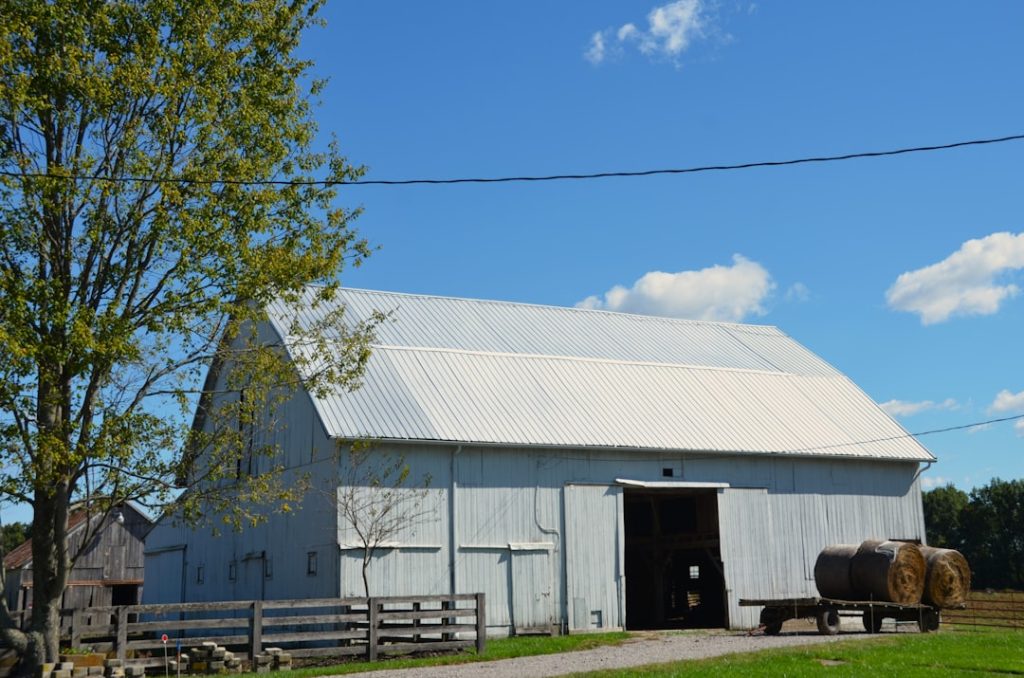
The landscape of agricultural commerce has undergone a significant transformation in recent years, with online farm auctions emerging as a prominent method for buying and selling agricultural equipment, livestock, and other farm-related items. This shift can be attributed to the increasing digitization of various sectors, including agriculture, which has embraced technology to enhance efficiency and accessibility. The rise of online farm auctions has been fueled by the need for farmers and agricultural businesses to reach broader markets, streamline their operations, and adapt to changing consumer behaviors.
In the past, traditional farm auctions were often limited by geographical constraints, requiring buyers and sellers to be physically present at a specific location. However, the advent of online platforms has dismantled these barriers, allowing participants from different regions or even countries to engage in bidding wars from the comfort of their homes. This democratization of access has not only expanded the pool of potential buyers but has also provided sellers with a larger audience for their goods.
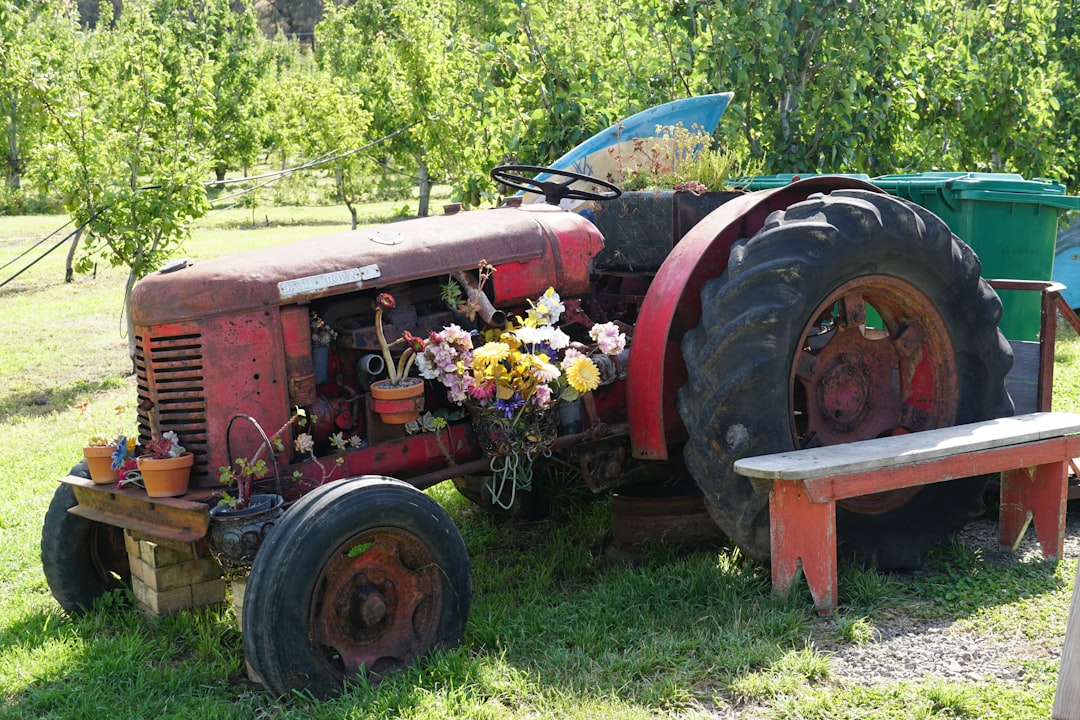
As a result, online farm auctions have become a vital component of the agricultural economy, reflecting a broader trend towards e-commerce in various industries.
Key Takeaways
- Online farm auctions have grown significantly, offering a convenient platform for buying and selling agricultural goods.
- Benefits include wider reach, competitive pricing, and time savings for both buyers and sellers.
- Participating requires registration, understanding auction rules, and timely bidding strategies.
- Sellers should present items clearly, set realistic reserves, and engage actively to maximize sales.
- While promising, online farm auctions may face challenges like limited item inspection and technology barriers, impacting the agriculture industry’s traditional practices.
Benefits of Online Farm Auctions
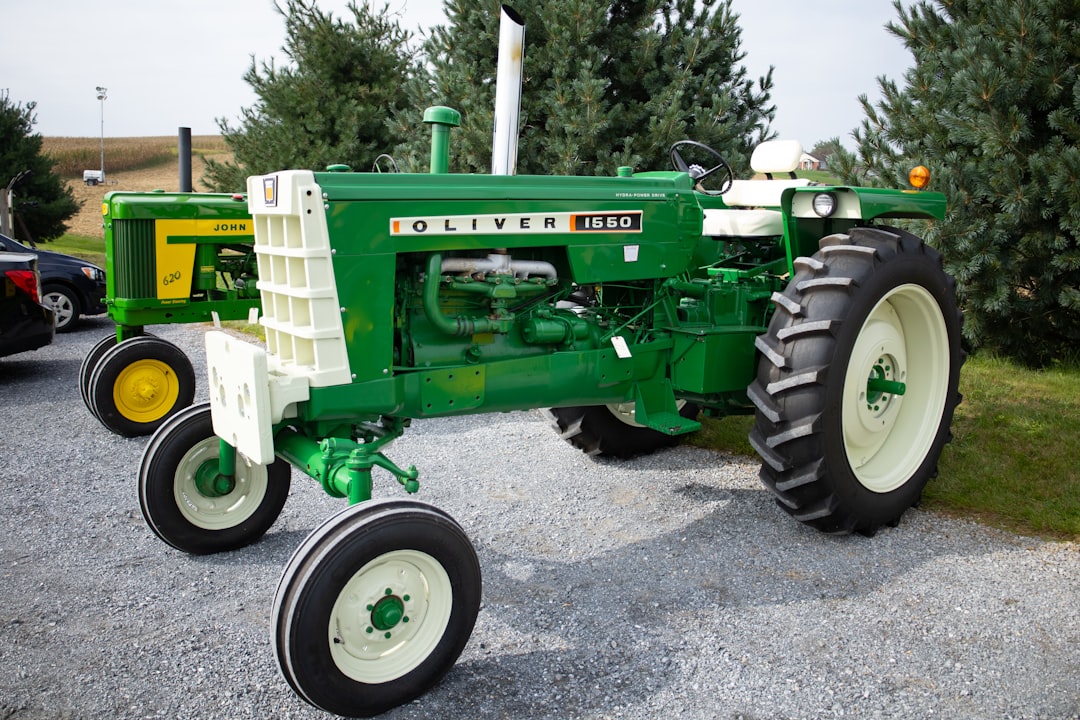
One of the most significant advantages of online farm auctions is the convenience they offer. Participants can browse listings, place bids, and complete transactions at any time and from anywhere with internet access. This flexibility is particularly beneficial for busy farmers who may not have the time to attend traditional auctions.
Additionally, online platforms often provide detailed descriptions and photographs of items, allowing buyers to make informed decisions without needing to inspect items in person. This level of transparency can lead to more confident purchasing decisions and ultimately enhance buyer satisfaction. Another key benefit is the potential for increased profitability for sellers.
Online farm auctions typically attract a larger audience than local auctions, which can drive up competition and, consequently, prices. Sellers can also take advantage of specialized online auction platforms that cater specifically to agricultural goods, ensuring that their items are seen by interested buyers. Furthermore, many online auction sites offer tools and analytics that help sellers understand market trends and pricing strategies, enabling them to optimize their listings for maximum visibility and profitability.
How to Participate in an Online Farm Auction
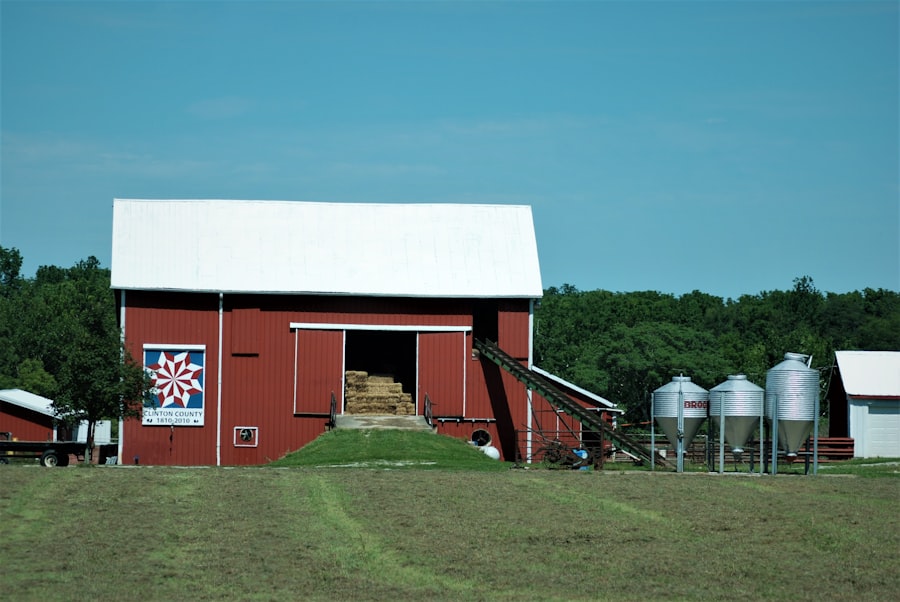
Participating in an online farm auction is a straightforward process that typically involves several key steps. First, prospective bidders must choose a reputable auction platform that specializes in agricultural items. Many platforms require users to create an account, which may involve providing personal information and agreeing to terms and conditions.
Once registered, users can browse upcoming auctions and view detailed listings of available items. Before placing bids, it is crucial for participants to conduct thorough research on the items they are interested in. This includes reviewing item descriptions, examining photographs, and understanding the auction terms, such as bidding increments and payment methods.
Many platforms also provide resources such as buyer’s guides or FAQs to help newcomers navigate the auction process. Once a bidder feels confident about an item, they can place their bid either manually or through automated bidding options that allow them to set a maximum bid amount. This feature can be particularly useful for those who may not be able to monitor the auction in real-time.
Tips for Selling at an Online Farm Auction
| Tip | Description | Metric/Example |
|---|---|---|
| Research Market Prices | Understand current market values for your items to set realistic expectations. | Average price per item category (e.g., livestock, equipment) |
| High-Quality Photos | Use clear, well-lit images to attract more bidders. | Items with photos sell 30% faster |
| Detailed Descriptions | Provide thorough information about the item’s condition and history. | Listings with detailed descriptions receive 25% more bids |
| Set a Reserve Price | Protect your minimum acceptable price to avoid underselling. | Reserve prices increase seller confidence by 40% |
| Timing of Auction | Choose auction dates and times when bidder activity is highest. | Peak bidding hours: 7 PM – 9 PM local time |
| Engage with Bidders | Respond promptly to questions to build trust and encourage bidding. | Response time under 1 hour increases bids by 15% |
| Shipping and Pickup Options | Clearly state logistics to avoid confusion and delays. | Items with clear shipping info sell 20% faster |
| Promote Your Auction | Use social media and email to increase visibility. | Promoted auctions see 50% more traffic |
For sellers looking to maximize their success at online farm auctions, several strategies can enhance their listings and attract potential buyers. First and foremost, high-quality photographs are essential. Clear images that showcase the item from multiple angles can significantly increase interest and trust among bidders.
Additionally, providing detailed descriptions that include specifications, condition reports, and any relevant history can help buyers make informed decisions. Timing is another critical factor in selling at online farm auctions. Sellers should consider when their target audience is most likely to be active online.
For instance, scheduling auctions during off-peak farming seasons or on weekends may yield better results than during busy planting or harvest times. Furthermore, promoting listings through social media channels or agricultural forums can help generate buzz and drive traffic to the auction site. Engaging with potential buyers by answering questions promptly can also foster trust and encourage bidding.
Finding Quality Items at Online Farm Auctions
Navigating the vast array of listings available at online farm auctions can be daunting for buyers seeking quality items. One effective strategy is to utilize search filters provided by auction platforms to narrow down options based on specific criteria such as category, location, or price range. This targeted approach allows buyers to focus on items that meet their needs without sifting through irrelevant listings.
Additionally, buyers should pay close attention to seller ratings and reviews when evaluating potential purchases. Reputable sellers often have positive feedback from previous transactions, which can serve as an indicator of reliability and product quality. Engaging with sellers through direct messaging can also provide valuable insights into the item’s condition or history that may not be included in the listing.
By combining these strategies with diligent research, buyers can increase their chances of finding high-quality items that offer good value.
The Future of Online Farm Auctions
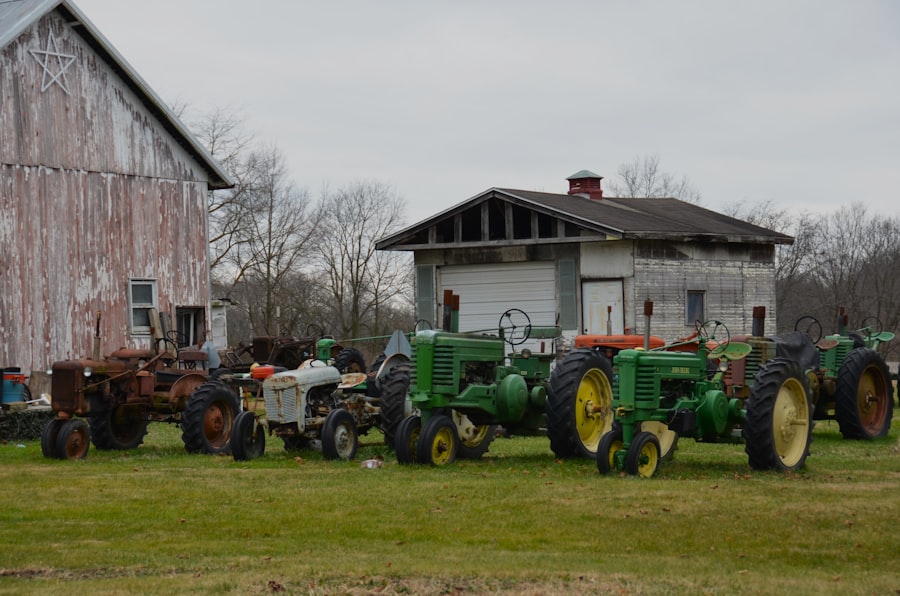
As technology continues to evolve, the future of online farm auctions appears promising. Innovations such as virtual reality (VR) and augmented reality (AR) could revolutionize how buyers interact with auction items by allowing them to visualize equipment or livestock in a more immersive way before making a purchase decision. These technologies could bridge the gap between online shopping and in-person inspections, enhancing buyer confidence.
Moreover, advancements in data analytics and artificial intelligence (AI) are likely to play a significant role in shaping online farm auctions. AI algorithms could analyze bidding patterns and market trends to provide sellers with tailored recommendations on pricing strategies or optimal auction timing. Additionally, machine learning could enhance user experiences by personalizing content based on individual preferences and past behaviors.
As these technologies become more integrated into online auction platforms, they will likely create more efficient and user-friendly environments for both buyers and sellers.
Potential Drawbacks of Online Farm Auctions
Despite their many advantages, online farm auctions are not without potential drawbacks that participants should consider. One significant concern is the risk of fraud or misrepresentation. While reputable auction platforms implement measures to verify sellers and protect buyers, there is always a possibility of encountering scams or dishonest listings.
Buyers must exercise caution by thoroughly researching sellers and being wary of deals that seem too good to be true. Another challenge is the lack of physical inspection before purchase. Unlike traditional auctions where bidders can examine items firsthand, online auctions rely heavily on photographs and descriptions that may not always accurately represent the item’s condition.
This limitation can lead to buyer dissatisfaction if the item does not meet expectations upon delivery. To mitigate this risk, buyers should seek out platforms that offer buyer protection policies or guarantees that allow for returns or refunds in cases of misrepresentation.
The Impact of Online Farm Auctions on the Agriculture Industry
The emergence of online farm auctions has had a profound impact on the agriculture industry as a whole. By facilitating easier access to markets for both buyers and sellers, these platforms have contributed to increased liquidity in agricultural goods. Farmers can quickly sell surplus equipment or livestock without waiting for traditional auction events, while buyers have greater access to diverse products that may not be available locally.
Furthermore, online farm auctions have encouraged competition among sellers, which can lead to better pricing for consumers. As more participants enter the market through digital platforms, price transparency increases, allowing buyers to make more informed purchasing decisions based on real-time data rather than relying solely on local market conditions. This shift not only benefits individual farmers but also contributes to a more dynamic agricultural economy overall.
In conclusion, while online farm auctions present certain challenges, their benefits far outweigh the drawbacks for many participants in the agriculture sector. As technology continues to advance and reshape how agricultural transactions occur, it is likely that online farm auctions will play an increasingly central role in connecting farmers with buyers in an efficient and effective manner.