
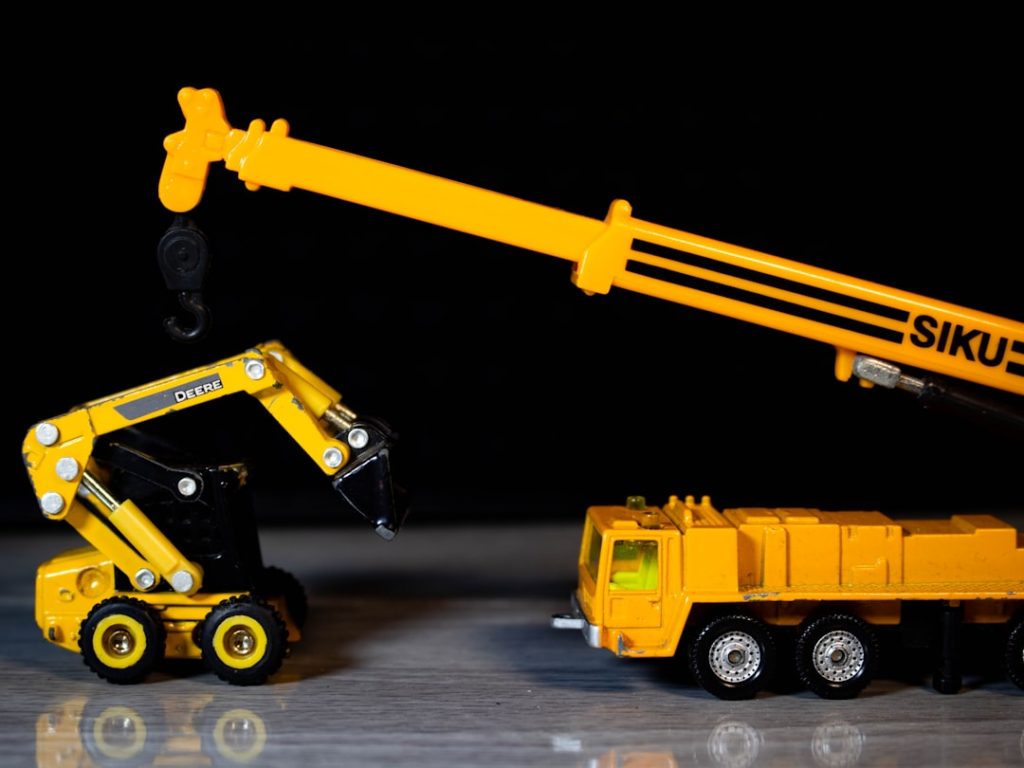
The auction process is a dynamic and multifaceted method of buying and selling goods, often characterized by competitive bidding. At its core, an auction serves as a marketplace where potential buyers place bids on items, with the highest bidder ultimately securing the purchase. This process can take various forms, including live auctions, online auctions, and sealed-bid auctions, each with its own set of rules and procedures.
Understanding the nuances of these different formats is crucial for both sellers and buyers, as it can significantly impact the outcome of the sale. In a live auction, for instance, participants gather in a physical location where an auctioneer facilitates the bidding. The auctioneer plays a pivotal role in energizing the crowd, encouraging bids, and maintaining the pace of the event.

In contrast, online auctions have gained immense popularity due to their convenience and accessibility. They allow bidders to participate from anywhere in the world, often extending over several days or weeks. Sealed-bid auctions, on the other hand, require bidders to submit their offers confidentially, with the highest bid winning without any public competition.
Each format has its advantages and disadvantages, making it essential for sellers to choose the one that aligns best with their goals and the nature of their equipment.
Key Takeaways
- Understand each step of the auction process to prepare effectively.
- Accurately evaluate your equipment’s condition and value before auctioning.
- Select an auction house that specializes in your equipment type for better results.
- Use targeted marketing strategies to attract serious bidders.
- Plan for post-auction logistics and follow-up to ensure smooth transaction completion.

Evaluating Your Equipment for Auction
Before placing equipment up for auction, a thorough evaluation is necessary to determine its condition, market value, and potential appeal to buyers. This evaluation process involves inspecting the equipment meticulously, assessing its functionality, and identifying any wear and tear that may affect its value. For instance, heavy machinery like excavators or bulldozers should be examined for engine performance, hydraulic systems, and overall structural integrity.
Documenting these findings can provide potential buyers with confidence in their bids. In addition to physical inspection, researching comparable sales can offer valuable insights into pricing strategies. By analyzing recent auction results for similar equipment, sellers can gauge what buyers are willing to pay.
This research should include factors such as age, brand reputation, and any unique features that may enhance desirability. For example, a well-maintained Caterpillar excavator may command a higher price than a similar model from a lesser-known brand. By combining a detailed assessment of the equipment with market research, sellers can establish a realistic price range that reflects both the condition of their equipment and current market trends.
Choosing the Right Auction House

Selecting the appropriate auction house is a critical step in the auction process that can significantly influence the success of the sale. Different auction houses specialize in various types of equipment and have distinct reputations within specific markets. For instance, some auction houses may focus on industrial machinery, while others may cater to agricultural equipment or consumer goods.
Researching potential auction houses involves examining their track record, understanding their target audience, and evaluating their marketing strategies. A reputable auction house will not only have experience in selling similar types of equipment but also possess a strong network of potential buyers. This network can be instrumental in driving competitive bidding during the auction.
Additionally, sellers should consider the fees associated with each auction house, as these can vary widely. Some may charge a flat fee, while others take a percentage of the final sale price. Understanding these costs upfront will help sellers make informed decisions about which auction house aligns best with their financial goals.
Marketing Your Equipment for Auction
| Metric | Description | Typical Value/Range | Importance |
|---|---|---|---|
| Number of Listings | Total count of equipment items listed for auction | 10 – 100+ | High |
| Average Views per Listing | Number of times each equipment listing is viewed | 50 – 500 | High |
| Click-Through Rate (CTR) | Percentage of viewers who click on the listing details | 2% – 10% | Medium |
| Number of Bidders per Item | Average count of unique bidders participating per equipment item | 3 – 15 | High |
| Average Final Bid Price | Mean closing bid price for auctioned equipment | Varies by equipment type | High |
| Marketing Reach | Number of potential buyers reached through marketing channels | 1,000 – 50,000+ | High |
| Conversion Rate | Percentage of viewers who place a bid | 5% – 20% | High |
| Time on Market | Average duration equipment is listed before auction closes | 7 – 30 days | Medium |
| Cost per Lead | Marketing cost divided by number of interested bidders | Varies | Medium |
| Customer Feedback Score | Rating from buyers on auction experience and equipment quality | 1 – 5 (stars) | Medium |
Effective marketing is essential for attracting potential buyers to an auction. The way equipment is presented can significantly influence buyer interest and bidding behavior. High-quality photographs showcasing the equipment from multiple angles are crucial; they should highlight key features and any accessories included in the sale.
For example, if selling a tractor, images should capture not only the exterior but also the interior controls and any attachments that come with it. In addition to visual marketing materials, crafting compelling descriptions is vital. These descriptions should provide detailed information about the equipment’s specifications, maintenance history, and any unique selling points that set it apart from similar items on the market.
Utilizing online platforms and social media can further enhance visibility; sharing posts on relevant forums or groups can reach targeted audiences who are actively seeking such equipment. Collaborating with the auction house to leverage their marketing channels can also amplify exposure and attract more bidders.
Setting Realistic Expectations for Auction Results
Setting realistic expectations for auction results is crucial for sellers to avoid disappointment and ensure a smooth selling experience. Understanding that auctions are inherently unpredictable is essential; while some items may fetch prices above expectations due to competitive bidding, others may fall short of anticipated values. Sellers should consider factors such as market demand, seasonal trends, and economic conditions when setting their expectations.
Moreover, it is beneficial to have a clear understanding of the reserve price—the minimum price a seller is willing to accept for their equipment. Setting this reserve price too high may deter potential bidders, while setting it too low could result in an unsatisfactory sale. Engaging with industry experts or consulting with the chosen auction house can provide valuable insights into what constitutes a realistic reserve price based on current market conditions.
Maximizing Your Equipment’s Value at Auction

To maximize equipment value at auction, sellers must adopt strategies that enhance appeal and encourage competitive bidding. One effective approach is to invest time in cleaning and refurbishing the equipment before the auction date. A well-maintained appearance not only attracts more bidders but also instills confidence in potential buyers regarding the equipment’s condition.
For instance, power washing heavy machinery or performing minor repairs can significantly improve its visual appeal. Additionally, providing comprehensive documentation can bolster buyer confidence and justify higher bids. This documentation may include maintenance records, warranties, and inspection reports that demonstrate the equipment’s reliability and history of care.
Transparency about any issues or repairs made can also build trust with bidders. Furthermore, offering flexible payment options or financing arrangements can attract a broader range of buyers who may be interested but constrained by budget limitations.
Navigating the Bidding Process
Navigating the bidding process requires both strategic thinking and an understanding of bidder psychology. As an auction unfolds, observing bidding patterns can provide insights into how competitors are valuing the equipment. For instance, if multiple bidders are actively participating early on, it may indicate strong demand for that particular item.
Conversely, if bidding remains stagnant for an extended period, it could suggest that interest is waning. Sellers should also be prepared to engage with bidders during the auction itself. This engagement can take various forms—answering questions about the equipment or providing additional information that may sway undecided bidders.
Maintaining a positive demeanor and being responsive can create an inviting atmosphere that encourages participation. Additionally, understanding when to accept bids or counter-offer can be crucial; knowing when to hold firm on price versus when to negotiate can make a significant difference in final sale outcomes.
Post-Auction Follow-Up and Logistics
Once the auction concludes, post-auction follow-up is essential for ensuring a smooth transition from seller to buyer. If the equipment has sold successfully, prompt communication with the winning bidder is necessary to finalize payment arrangements and coordinate logistics for pickup or delivery. Clear communication regarding timelines and expectations helps build trust and ensures that both parties are aligned on next steps.
In cases where equipment does not sell or meets reserve prices, sellers should consider their options carefully. Some auction houses offer post-auction sales or private negotiations for unsold items; engaging in these discussions can provide alternative avenues for selling equipment that did not attract sufficient bids during the auction event. Additionally, reflecting on feedback from bidders or observing bidding patterns can offer valuable insights for future auctions—whether it’s adjusting marketing strategies or reevaluating pricing expectations based on market trends.
By understanding each aspect of the auction process—from evaluating equipment to navigating post-auction logistics—sellers can enhance their chances of achieving successful outcomes while maximizing their returns on investment.