
Used farm equipment auctions have become a vital marketplace for farmers and agricultural businesses seeking to acquire machinery at competitive prices. These auctions provide an opportunity for buyers to access a wide range of equipment, from tractors and combines to tillers and seeders, often at a fraction of the cost of new machinery. The auction format allows sellers, including individuals, dealerships, and even banks, to liquidate surplus or repossessed equipment, creating a dynamic environment where buyers can find great deals.
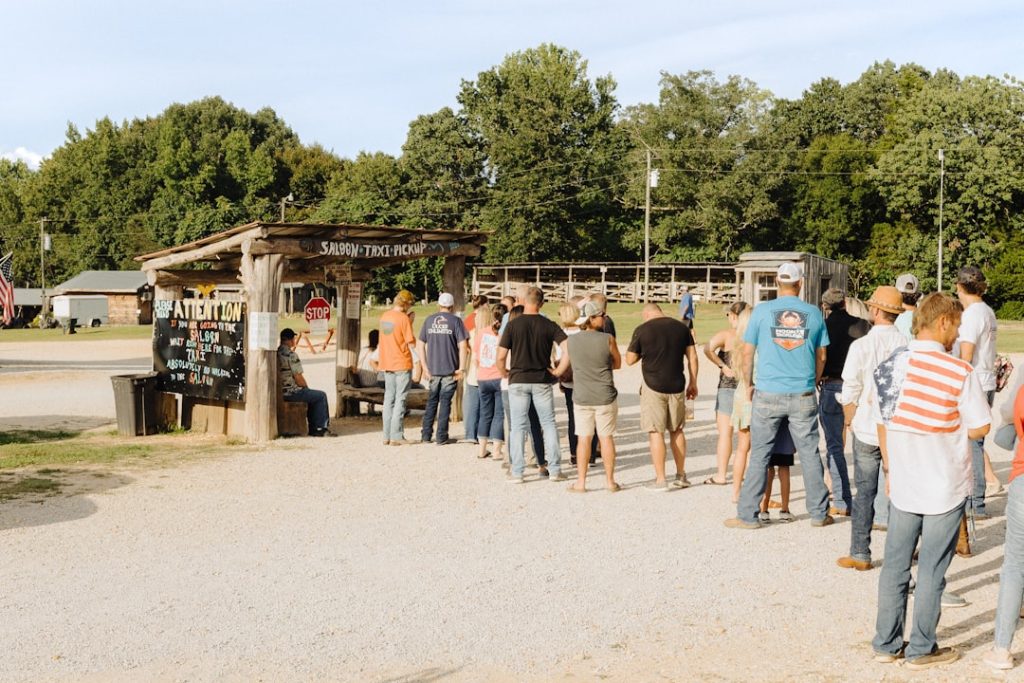
The appeal of these auctions lies not only in the potential for savings but also in the variety of equipment available, catering to diverse agricultural needs. The auction process itself is steeped in tradition, often drawing crowds of eager bidders who are well-versed in the nuances of agricultural machinery. Many auctions are held in person, allowing for a tactile experience where potential buyers can inspect equipment firsthand.
However, with the rise of technology, online auctions have also gained popularity, expanding access to buyers who may not be able to attend in person. This evolution has made it easier for farmers across different regions to participate in auctions, increasing competition and potentially driving down prices. Understanding the intricacies of used farm equipment auctions is essential for anyone looking to make informed purchasing decisions in this unique marketplace.
Key Takeaways
- Used farm equipment auctions offer cost-effective opportunities to purchase machinery.
- Researching equipment condition and market value is crucial before bidding.
- Effective bidding strategies can help maximize savings during auctions.
- Understanding financing options ensures smoother transactions post-auction.
- Proper maintenance after purchase extends the lifespan of used farm equipment.
Advantages of Buying Used Farm Equipment at Auctions
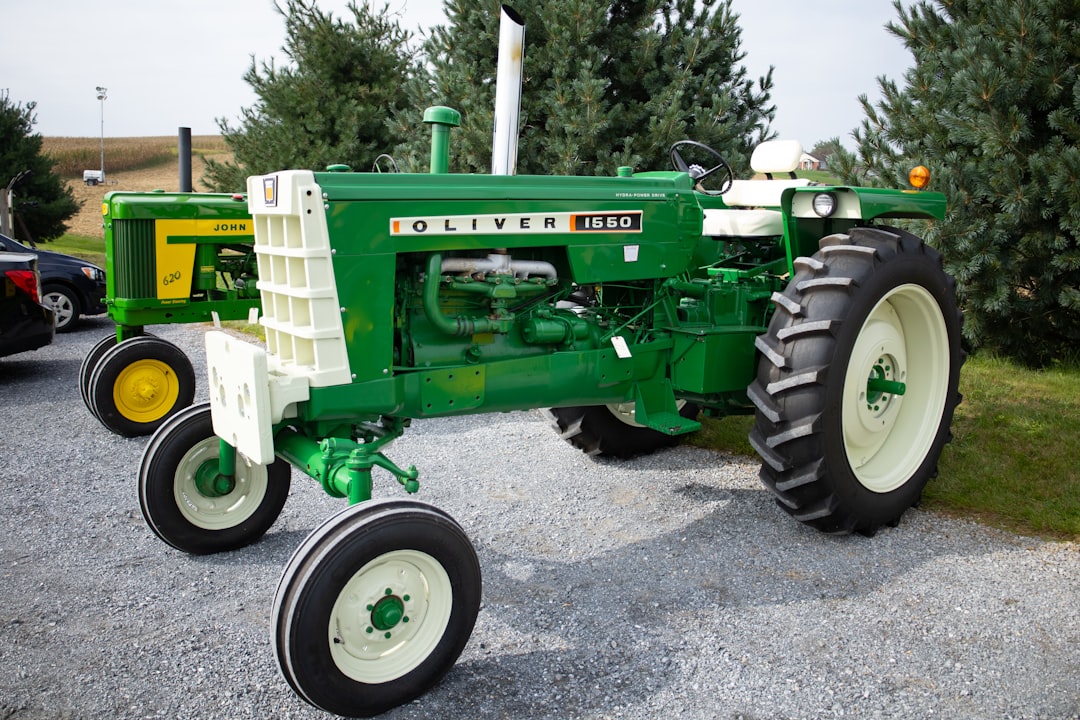
One of the primary advantages of purchasing used farm equipment at auctions is the significant cost savings compared to buying new machinery. New agricultural equipment can be prohibitively expensive, often requiring substantial financial investment that may not be feasible for all farmers. In contrast, used equipment can be acquired at a fraction of the original price, allowing farmers to allocate their budgets more effectively.
This financial flexibility is particularly beneficial for small to medium-sized farms that may be operating on tighter margins. Additionally, auctions often feature a diverse selection of equipment that may not be readily available through traditional retail channels. Farmers can find specialized machinery tailored to their specific needs, whether it’s a vintage tractor for restoration or a modern combine harvester equipped with the latest technology.
This variety enables buyers to explore options they might not have considered otherwise, fostering innovation and adaptability within their operations. Furthermore, the competitive nature of auctions can lead to lower prices as bidders vie for the same piece of equipment, creating an environment where savvy buyers can secure excellent deals.
Tips for Maximizing Savings at Used Farm Equipment Auctions
To maximize savings at used farm equipment auctions, prospective buyers should approach the event with a well-defined strategy. One effective tip is to set a budget before attending the auction. This budget should encompass not only the purchase price but also additional costs such as transportation, repairs, and maintenance.
By establishing a clear financial limit, bidders can avoid getting caught up in the excitement of the auction and overspending on equipment that may not fit their financial plans. Another crucial strategy is to conduct thorough research on the specific equipment being auctioned. Familiarizing oneself with market values and understanding the typical price range for various types of machinery can provide valuable insights during bidding.
Buyers should also take note of any auction previews or inspections offered prior to the event, as these opportunities allow for hands-on evaluation of the equipment’s condition. By being well-informed about both the equipment and its market value, bidders can make more confident decisions and potentially secure better deals.
How to Research and Prepare for a Used Farm Equipment Auction
| Step | Action | Details | Tips |
|---|---|---|---|
| 1 | Identify Auction Listings | Search local newspapers, auction websites, and farm equipment dealers for upcoming auctions. | Subscribe to auction newsletters for updates. |
| 2 | Research Equipment Types | Understand the types of equipment available and their typical uses. | Make a list of equipment you need or are interested in. |
| 3 | Review Auction Catalog | Obtain the auction catalog to see detailed listings and equipment conditions. | Note equipment serial numbers and hours of use if available. |
| 4 | Inspect Equipment | Attend preview days to physically inspect equipment condition and functionality. | Bring a mechanic or knowledgeable friend for expert advice. |
| 5 | Set Budget | Determine your maximum bid for each item based on research and condition. | Include additional costs like buyer’s premiums and transportation. |
| 6 | Understand Auction Terms | Read the auction terms and conditions carefully. | Clarify payment methods, pickup deadlines, and warranties. |
| 7 | Register for Auction | Complete registration requirements before bidding. | Bring valid ID and any required deposits. |
| 8 | Plan Logistics | Arrange transportation and storage for purchased equipment. | Coordinate with auction staff for pickup times. |
Preparation is key when it comes to successfully navigating a used farm equipment auction. Researching upcoming auctions is the first step; many auction houses provide detailed catalogs or listings online that outline the equipment available for bidding. Buyers should take advantage of these resources to identify specific items of interest and gather information about their specifications, age, and condition.
This preliminary research can help narrow down choices and focus attention on the most relevant pieces of equipment. In addition to reviewing auction listings, prospective buyers should also investigate the auctioneer’s reputation and track record. Established auction houses often have a history of successful sales and satisfied customers, which can provide reassurance regarding the quality of the equipment being sold.
Engaging with other farmers or industry professionals who have attended previous auctions can yield valuable insights into what to expect and how to navigate the bidding process effectively. By combining thorough research with firsthand accounts, buyers can enter the auction with confidence and clarity.
Understanding the Auction Process and Bidding Strategies
Understanding the auction process is essential for anyone looking to participate effectively in used farm equipment auctions. Auctions typically begin with an introduction from the auctioneer, who outlines the rules and procedures for bidding. Equipment is presented in a sequential manner, with each item receiving a designated time slot for bidding.
Bidders must be attentive and ready to act quickly as items are called; hesitation can result in missed opportunities. Bidding strategies can vary widely among participants, but one common approach is to start with lower bids to gauge interest from other bidders. This tactic allows individuals to assess competition before committing to higher bids.
Additionally, some experienced bidders employ a technique known as “sniping,” where they wait until the final moments of bidding to place their highest offer. This strategy can catch other bidders off guard and potentially secure a win at a lower price. However, it requires careful timing and an understanding of how quickly bids can escalate during an auction.
Evaluating the Condition and Value of Used Farm Equipment
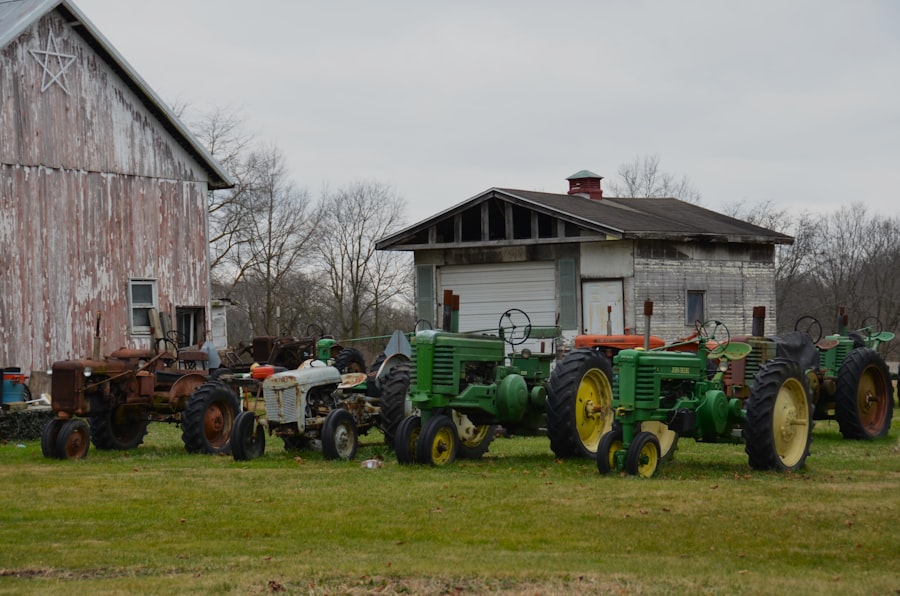
Evaluating the condition and value of used farm equipment is a critical step in making informed purchasing decisions at auctions. Buyers should arrive at the auction prepared with a checklist or criteria for assessing equipment quality. Key factors to consider include overall appearance, signs of wear and tear, maintenance history, and functionality.
For instance, inspecting hydraulic systems for leaks or checking engine components for signs of rust can provide insights into potential future repair costs. In addition to physical inspection, buyers should also consider obtaining any available documentation related to the equipment’s history. Service records, previous ownership details, and warranty information can all contribute to understanding an item’s value and reliability.
Engaging with knowledgeable individuals—such as mechanics or experienced farmers—can further enhance this evaluation process by providing expert opinions on specific models or brands known for their durability or performance.
Financing and Payment Options for Purchasing Used Farm Equipment at Auctions
Financing options play a crucial role in facilitating purchases at used farm equipment auctions. Many buyers may not have immediate access to cash or may prefer financing arrangements that allow them to manage their cash flow more effectively. Traditional bank loans are one option; however, they often require extensive documentation and may involve lengthy approval processes.
Alternatively, some auction houses offer financing solutions directly through partnerships with lenders or financial institutions. Buyers should also explore alternative payment methods such as leasing or rent-to-own agreements, which can provide flexibility in acquiring necessary equipment without significant upfront costs. These arrangements allow farmers to use machinery while gradually paying off its value over time.
Understanding these various financing options is essential for making informed decisions that align with individual financial situations and operational needs.
Post-Auction Considerations and Maintenance of Used Farm Equipment
Once a purchase has been made at a used farm equipment auction, several post-auction considerations come into play that are vital for ensuring long-term satisfaction with the acquisition. First and foremost is transportation; buyers must arrange for safe delivery of their newly acquired machinery to their farms or facilities. This may involve hiring professional transport services or utilizing personal vehicles equipped for hauling heavy loads.
Maintenance is another critical aspect that cannot be overlooked after acquiring used farm equipment. Establishing a regular maintenance schedule is essential for prolonging the lifespan of machinery and ensuring optimal performance. This includes routine checks on oil levels, tire pressure, and hydraulic systems as well as addressing any repairs promptly to prevent minor issues from escalating into major problems.
By prioritizing maintenance and care, farmers can maximize their investment in used equipment while enhancing productivity on their farms over time.