

The auction process is a dynamic and often exhilarating method of selling goods, particularly in the realm of farm equipment. At its core, an auction is a public sale in which goods or property are sold to the highest bidder. This process can take various forms, including live auctions, where bidders are physically present, and online auctions, which have gained immense popularity due to their convenience and accessibility.
Understanding the nuances of the auction process is crucial for sellers looking to maximize their returns on farm equipment. In a typical auction setting, the auctioneer plays a pivotal role, acting as the intermediary between the seller and potential buyers. The auctioneer is responsible for setting the pace of the bidding, engaging bidders, and ensuring that the process runs smoothly.
Sellers must be prepared for a fast-paced environment where bids can escalate quickly. Familiarity with the auction format, including how bids are placed and how the auctioneer communicates with participants, can significantly impact a seller’s experience and outcomes. Additionally, understanding the terms of sale, including any fees or commissions charged by the auction house, is essential for calculating potential profits.
Key Takeaways
- Understand each step of the auction process to ensure a smooth sale.
- Research current market values to price farm equipment competitively.
- Prepare and present equipment well to attract more bidders.
- Select an auction house that aligns with your equipment type and target buyers.
- Use online bidding and marketing strategies to increase auction visibility and participation.
Researching Market Value of Farm Equipment
Before entering the auction arena, it is imperative for sellers to conduct thorough research on the market value of their farm equipment. This involves analyzing recent sales data, consulting industry publications, and leveraging online resources to gauge what similar items have sold for in recent auctions. Websites dedicated to agricultural equipment sales often provide valuable insights into current market trends and pricing structures.
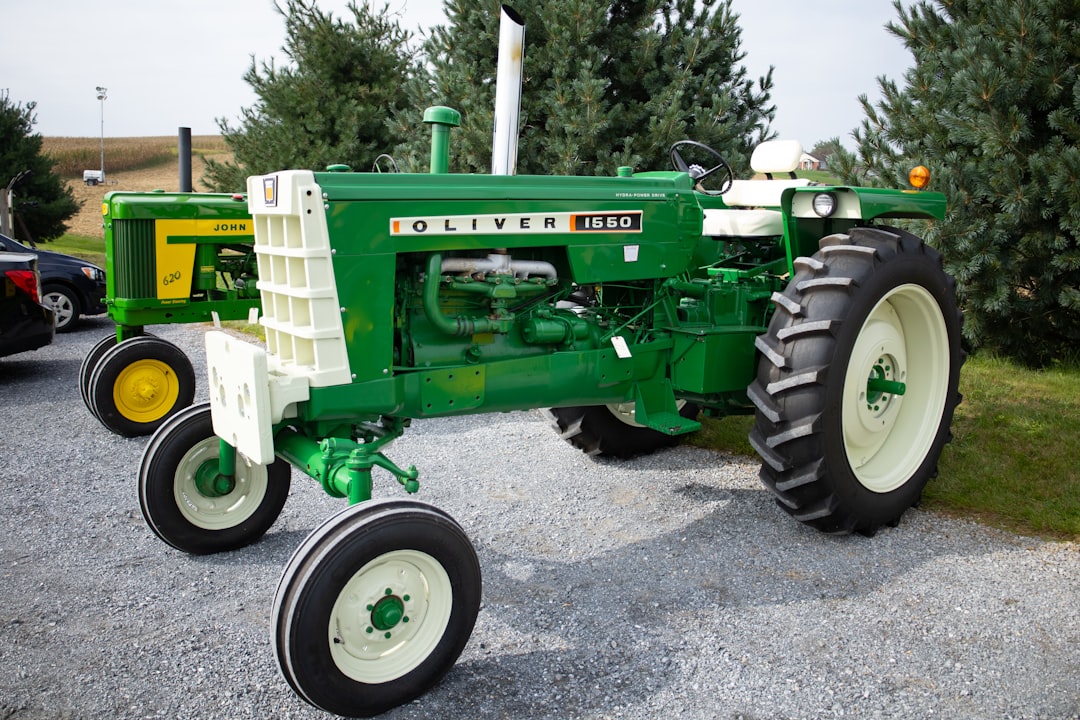
By understanding the market landscape, sellers can set realistic expectations for their equipment’s value. Moreover, factors such as equipment condition, age, brand reputation, and technological advancements play a significant role in determining market value. For instance, a well-maintained tractor from a reputable brand may command a higher price than an older model with significant wear and tear.
Sellers should also consider seasonal demand fluctuations; certain types of equipment may be more sought after during specific times of the year, such as planting or harvest seasons. By aligning their auction timing with market demand, sellers can enhance their chances of achieving favorable sale prices.
Preparing Equipment for Auction

Preparation is key when it comes to selling farm equipment at auction. Sellers should begin by thoroughly cleaning and servicing their equipment to ensure it is in optimal working condition. A well-presented item not only attracts more bidders but also instills confidence in potential buyers regarding its reliability.
This may involve routine maintenance tasks such as oil changes, tire checks, and addressing any minor repairs that could detract from the equipment’s appeal. In addition to physical preparation, sellers should compile comprehensive documentation for their equipment. This includes maintenance records, manuals, and any warranties that may still be valid.
Providing potential buyers with detailed information about the equipment’s history and performance can significantly enhance its perceived value. High-quality photographs showcasing the equipment from multiple angles can also make a substantial difference in attracting bidders’ attention. In an increasingly visual marketplace, compelling imagery can set an item apart from others and generate interest.
Choosing the Right Auction House
| Criteria | Description | Importance Level | Example Metrics |
|---|---|---|---|
| Reputation | Track record and credibility in the auction industry | High | Years in business, customer reviews, industry awards |
| Specialization | Focus on specific types of items (art, antiques, collectibles) | Medium | Percentage of auctions in category, expert appraisers on staff |
| Commission Fees | Percentage charged on final sale price | High | Seller commission rate, buyer premium rate |
| Marketing Reach | Ability to attract potential buyers through advertising and networks | High | Number of registered bidders, online traffic, social media followers |
| Sale Success Rate | Percentage of items sold versus items listed | High | Average sell-through rate, average final price vs. estimate |
| Location | Physical location and accessibility of the auction house | Medium | Proximity to major cities, accessibility for consignors and buyers |
| Customer Service | Support provided to sellers and buyers before, during, and after auction | Medium | Response time, availability of consultation, dispute resolution |
Selecting the right auction house is a critical decision that can influence the success of an auction. Not all auction houses are created equal; they vary in terms of reputation, expertise in specific markets, and the services they offer. Sellers should seek out auction houses that specialize in agricultural equipment or have a proven track record in this niche.
A knowledgeable auctioneer who understands the intricacies of farm machinery can effectively communicate its value to potential buyers. Additionally, sellers should consider the auction house’s marketing strategies and reach. An effective auction house will have a robust network of potential buyers and employ various marketing channels to promote upcoming auctions.
This may include online advertising, social media campaigns, and email newsletters targeting interested parties. By choosing an auction house with a strong marketing presence, sellers can increase their chances of attracting a larger pool of bidders, ultimately driving up competition and sale prices.
Maximizing Exposure for Your Auction
Maximizing exposure for an auction is essential to ensure that it garners the attention it deserves. In today’s digital age, leveraging online platforms is crucial for reaching a wider audience. Sellers should utilize social media channels to promote their upcoming auctions, sharing engaging content that highlights the unique features of their equipment.
Creating event pages on platforms like Facebook or Instagram can help generate buzz and encourage potential buyers to mark their calendars. In addition to social media promotion, sellers should consider collaborating with local agricultural organizations or farming communities to spread the word about their auction. Networking within these circles can lead to increased visibility among individuals who are genuinely interested in purchasing farm equipment.
Furthermore, utilizing email marketing campaigns to reach out to previous customers or interested parties can serve as a reminder about the upcoming auction and provide them with essential details.
Setting Realistic Reserve Prices

Setting a reserve price is a strategic decision that requires careful consideration. A reserve price is the minimum amount that a seller is willing to accept for their equipment during an auction. While it may be tempting to set a high reserve price based on personal expectations or sentimental value, doing so can deter potential bidders if they perceive it as unrealistic.
Researching comparable sales data can provide valuable insights into what constitutes a reasonable reserve price. Sellers should also consider the overall market conditions when determining their reserve price. If there is high demand for specific types of farm equipment at the time of the auction, setting a slightly higher reserve may be justified.
Conversely, if market conditions are less favorable or if similar items are available at lower prices elsewhere, it may be wise to set a more competitive reserve price to attract bidders. Striking the right balance between achieving a fair return and encouraging bidding activity is crucial for a successful auction outcome.
Utilizing Online Bidding Options
The rise of online bidding options has transformed the auction landscape, providing sellers with unprecedented opportunities to reach potential buyers beyond geographical limitations. Online auctions allow participants to bid from anywhere in the world, significantly expanding the pool of interested bidders for farm equipment sales. Sellers should consider utilizing reputable online auction platforms that specialize in agricultural equipment to maximize their reach.
One of the key advantages of online bidding is the ability to create detailed listings that include high-quality images and comprehensive descriptions of each item. This level of detail can help potential buyers make informed decisions without needing to inspect the equipment physically. Additionally, many online platforms offer features such as live bidding updates and notifications, keeping bidders engaged throughout the process.
By embracing online bidding options, sellers can tap into a broader audience and potentially achieve higher sale prices through increased competition.
Post-Auction Follow-Up and Evaluation
Once an auction concludes, post-auction follow-up is essential for both sellers and buyers alike. For sellers, this phase involves evaluating the overall success of the auction process and identifying areas for improvement in future sales endeavors. Analyzing key metrics such as total sales revenue, number of bidders, and feedback received can provide valuable insights into what worked well and what could be enhanced.
Additionally, maintaining communication with buyers after the auction is crucial for building relationships and fostering trust within the agricultural community. Sellers should promptly follow up with successful bidders to finalize payment arrangements and coordinate equipment pickup or delivery logistics. For those who did not sell their items at auction, reaching out to interested parties who placed bids can provide opportunities for private sales or negotiations outside of the auction setting.
In conclusion, navigating the auction process requires careful planning and execution at every stage—from understanding how auctions work to effectively preparing equipment for sale and maximizing exposure through strategic marketing efforts. By conducting thorough research on market values and selecting reputable auction houses while utilizing modern online bidding options, sellers can enhance their chances of achieving favorable outcomes in their farm equipment auctions. Post-auction evaluation further allows sellers to refine their strategies for future endeavors while fostering lasting connections within their industry.