
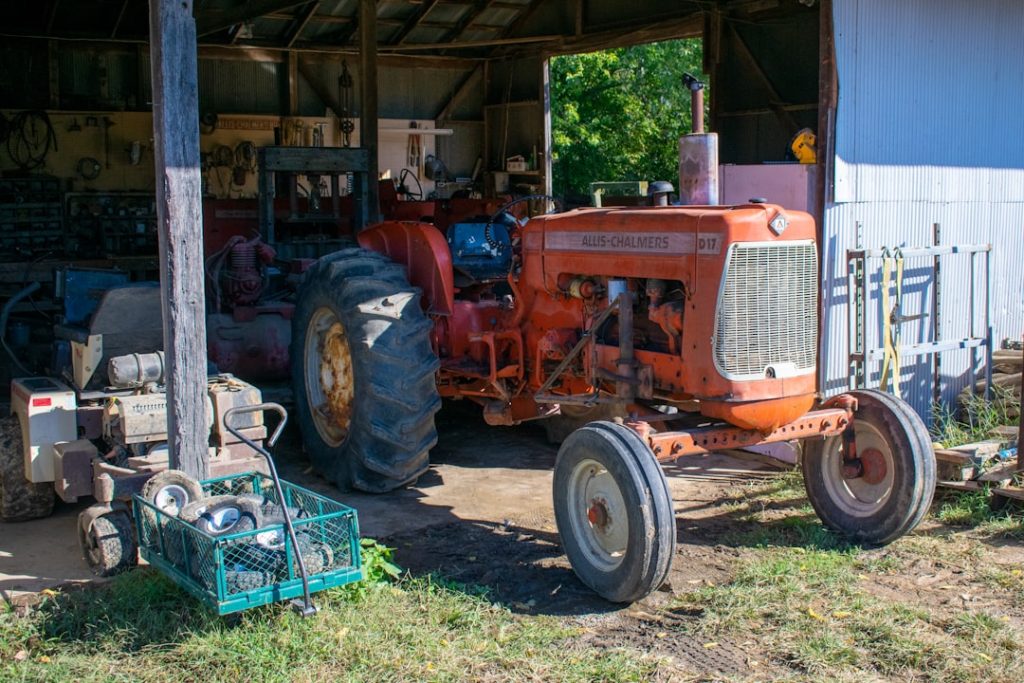
Farming auctions have long been a cornerstone of agricultural commerce, providing a dynamic platform for buying and selling a wide array of farming equipment, livestock, and even land. These auctions serve as a marketplace where farmers, ranchers, and agricultural entrepreneurs can come together to transact in a transparent and competitive environment. The auction format allows sellers to reach a broader audience, while buyers can often find unique items that may not be available through traditional retail channels.
The excitement of bidding, the thrill of competition, and the potential for securing a great deal make farming auctions an integral part of the agricultural landscape. In recent years, the evolution of technology has further transformed the farming auction scene. Online platforms have emerged, allowing participants to bid from the comfort of their homes or fields, thus expanding the reach of these auctions beyond local communities.
This shift has not only increased participation but has also introduced new dynamics in pricing and bidding strategies. As farmers adapt to these changes, understanding the nuances of farming auctions becomes essential for maximizing opportunities and ensuring successful transactions.
Key Takeaways
- Farming auctions offer a specialized marketplace for buying and selling agricultural goods efficiently.
- Proper preparation and marketing are crucial to maximize profits at farming auctions.
- Understanding the bidding process helps sellers and buyers make informed decisions.
- Networking at auctions can build valuable relationships within the farming community.
- Farming auctions continue to evolve, integrating new strategies for future growth and success.
Advantages of Selling at Farming Auctions
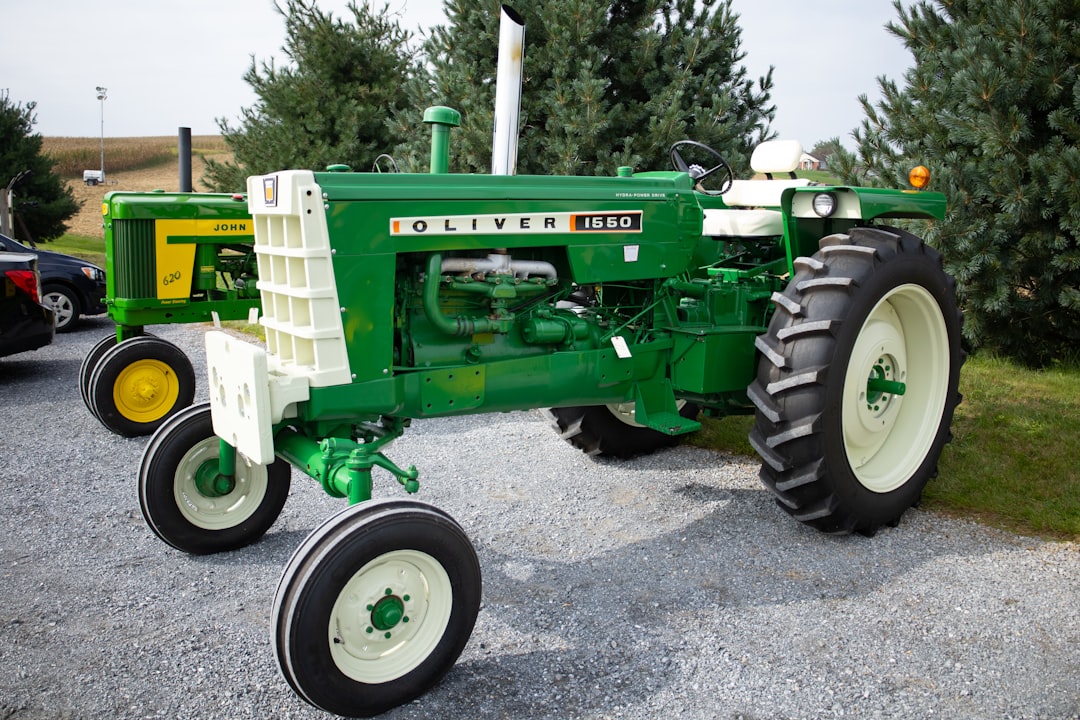
One of the primary advantages of selling at farming auctions is the potential for higher prices due to competitive bidding. When multiple buyers are interested in a particular item, the auction format encourages them to bid against one another, often driving the final sale price above what might be achieved through private sales. This competitive atmosphere can be particularly beneficial for unique or high-demand items, such as specialized equipment or rare livestock breeds.
Sellers can capitalize on this competition, potentially resulting in significant financial gains. Additionally, farming auctions provide sellers with immediate liquidity. Unlike traditional sales methods that may involve lengthy negotiations or waiting periods for payment, auctions typically conclude within a set timeframe.
Once an item is sold, the seller receives payment promptly, allowing them to reinvest those funds into their operations or pursue new opportunities without delay. This immediacy can be crucial for farmers who need to manage cash flow effectively, especially during peak seasons when expenses can escalate rapidly.
How to Prepare for a Farming Auction
Preparation is key to a successful farming auction experience, whether one is selling or buying. For sellers, the first step involves conducting a thorough inventory of items to be auctioned. This includes assessing the condition of equipment, livestock health, and any necessary repairs or maintenance that may enhance value.
Properly cleaning and presenting items can significantly impact buyer perception and willingness to bid. For instance, a well-maintained tractor with a fresh coat of paint and detailed service records is likely to attract more interest than one that appears neglected. Another critical aspect of preparation is setting realistic expectations regarding pricing.
Sellers should research recent auction results for similar items to gauge market value accurately. Understanding the demand for specific equipment or livestock breeds can help sellers establish a competitive starting bid that attracts buyers while still meeting their financial goals. Additionally, sellers should familiarize themselves with the auction’s terms and conditions, including fees and commission structures, to avoid any surprises on sale day.
Tips for Maximizing Profits at Farming Auctions
| Tip | Description | Expected Benefit | Implementation Time |
|---|---|---|---|
| Research Items Before Auction | Investigate the market value and condition of items to avoid overbidding. | Reduce overspending by up to 20% | 2-3 hours per auction |
| Set a Budget | Determine maximum bid limits to maintain profitability. | Maintain profit margins by controlling expenses | 30 minutes |
| Attend Preview Days | Inspect items in person to assess quality and functionality. | Increase accuracy of bids, reducing risk of buying faulty equipment | 1 day before auction |
| Network with Sellers and Buyers | Build relationships to gain insights and potential deals. | Access to exclusive items and better pricing | Ongoing |
| Bid Strategically | Use timing and bidding increments to avoid price inflation. | Save up to 15% on purchase prices | During auction |
| Consider Resale Value | Focus on items with high demand and good resale potential. | Increase profit margins by 10-25% | During item selection |
| Factor in Additional Costs | Account for transport, repairs, and fees when bidding. | Prevent unexpected expenses that reduce profits | Before bidding |
To maximize profits at farming auctions, sellers should consider timing their sales strategically. Certain times of the year may yield better prices based on market demand; for example, selling hay equipment in early spring when farmers are preparing for planting may attract more bidders than during the off-season. Additionally, sellers should consider bundling related items together to create attractive packages that appeal to buyers looking for comprehensive solutions rather than individual pieces.
Effective marketing is another crucial element in maximizing profits at farming auctions. Utilizing social media platforms and local agricultural networks can help generate buzz around upcoming auctions and attract potential buyers. High-quality photographs and detailed descriptions of items can enhance visibility and interest.
For instance, showcasing a vintage tractor with its history and unique features can entice collectors and enthusiasts who may be willing to pay a premium for such items.
Understanding the Bidding Process at Farming Auctions
The bidding process at farming auctions can vary significantly depending on whether the auction is conducted live or online. In live auctions, an auctioneer typically leads the proceedings, calling out bids and encouraging participants to raise their offers. Understanding the auctioneer’s cadence and style can help bidders gauge when to enter or increase their bids effectively.
It’s essential for bidders to remain calm and composed during this fast-paced environment; impulsive decisions can lead to overbidding and regrettable purchases. In contrast, online auctions often feature a different bidding dynamic where participants place bids over a set period without the immediate pressure of competing bidders in real-time. This format allows bidders to strategize more thoughtfully but also requires vigilance as last-minute bids can dramatically change outcomes.
Understanding how proxy bidding works—where bidders set a maximum amount they are willing to pay—can also be advantageous in securing items without getting caught up in bidding wars.
The Role of Marketing in Farming Auctions
Marketing plays a pivotal role in the success of farming auctions by attracting both sellers and buyers to participate actively. For sellers, effective marketing strategies can significantly enhance visibility and interest in their items. Utilizing various channels such as social media platforms, local agricultural publications, and community bulletin boards can help reach a wider audience.
Creating engaging content that highlights unique features or historical significance can draw attention from potential buyers who may not have otherwise considered attending. Moreover, auction houses often employ marketing tactics to promote their events effectively. This may include targeted advertising campaigns that reach specific demographics within the agricultural community or partnerships with local agricultural organizations to increase credibility and reach.
The use of email newsletters to inform subscribers about upcoming auctions and featured items can also create anticipation and drive attendance.
Networking and Building Relationships at Farming Auctions
Farming auctions provide an excellent opportunity for networking within the agricultural community. Farmers and ranchers can connect with one another, share experiences, and build relationships that may lead to future collaborations or partnerships. Engaging with fellow attendees during auctions fosters a sense of community that extends beyond mere transactions; it creates an environment where knowledge sharing and support are commonplace.
Building relationships with auctioneers and industry professionals is equally important. Establishing rapport with auctioneers can lead to better insights into market trends and bidding strategies that may benefit future sales or purchases. Additionally, networking with other sellers can provide valuable information about best practices for preparing items for auction or marketing strategies that have proven successful in similar contexts.
The Future of Farming Auctions
As agriculture continues to evolve in response to technological advancements and changing market dynamics, farming auctions are likely to adapt accordingly. The integration of online platforms has already transformed how these auctions operate, making them more accessible than ever before. As farmers increasingly embrace digital tools, we can expect further innovations that enhance the bidding experience and streamline transactions.
Moreover, sustainability concerns are becoming more prominent within the agricultural sector, which may influence the types of items sold at auctions in the future. As farmers seek eco-friendly practices and equipment, auctions could become vital venues for trading sustainable technologies and practices. The future of farming auctions holds promise as they continue to serve as essential hubs for commerce, community building, and knowledge exchange within the agricultural landscape.