

The agricultural sector is the backbone of many economies, providing food, fiber, and fuel to sustain populations. Within this sector, the efficiency of agricultural machinery plays a pivotal role in determining productivity levels. Efficient agricultural machinery not only enhances the speed and quality of farming operations but also significantly reduces labor costs and resource wastage.
For instance, modern tractors equipped with GPS technology can optimize field operations by ensuring precise planting and fertilization, which leads to better crop yields. The integration of efficient machinery into farming practices can thus be seen as a critical investment that pays dividends in terms of both economic viability and sustainability. Moreover, the importance of efficient ag machinery extends beyond mere productivity.
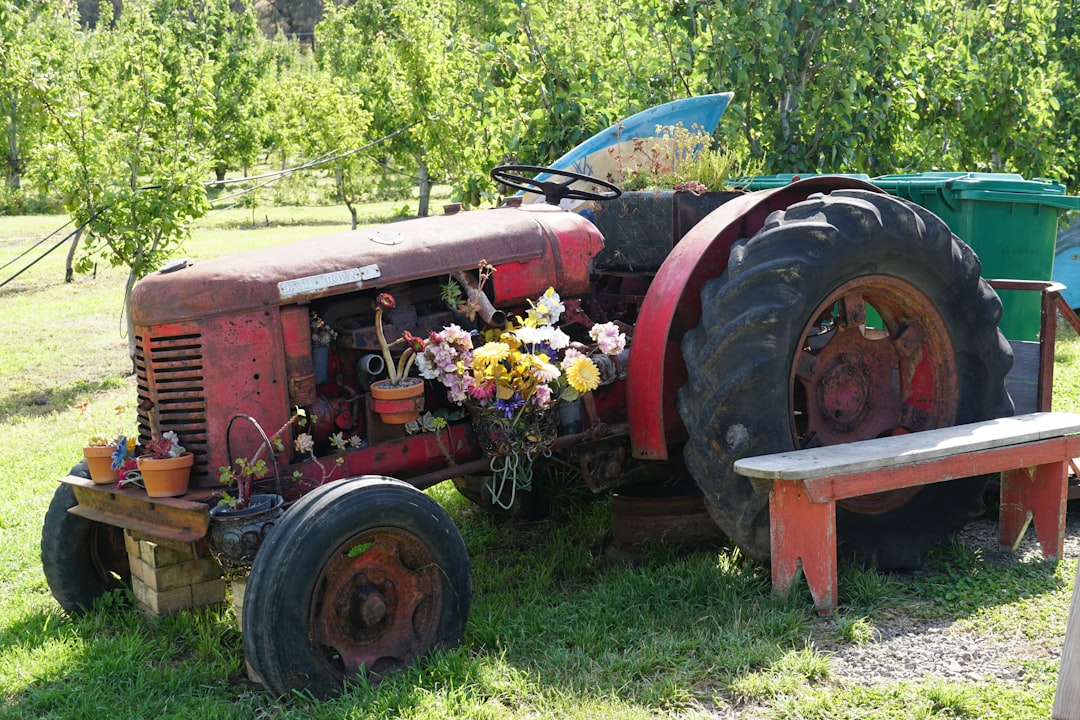
It also encompasses environmental considerations. With the increasing pressure on agricultural practices to minimize their ecological footprint, efficient machinery can help reduce fuel consumption and greenhouse gas emissions. For example, precision agriculture techniques, facilitated by advanced machinery, allow farmers to apply inputs like water and fertilizers more judiciously, thereby conserving resources and minimizing runoff into nearby ecosystems.
As the global population continues to rise, the demand for food will only increase, making the role of efficient agricultural machinery even more crucial in meeting these challenges sustainably.
Key Takeaways
- Efficient agricultural machinery is crucial for maximizing productivity and reducing costs.
- Key factors when buying used machinery include condition, compatibility, and cost-effectiveness.
- Regular maintenance and timely repairs extend the lifespan and performance of used equipment.
- Integrating modern technology and proper techniques enhances operational efficiency.
- Continuous training and monitoring ensure optimal use and ongoing improvement of machinery efficiency.
Factors to Consider When Buying Used Ag Machinery
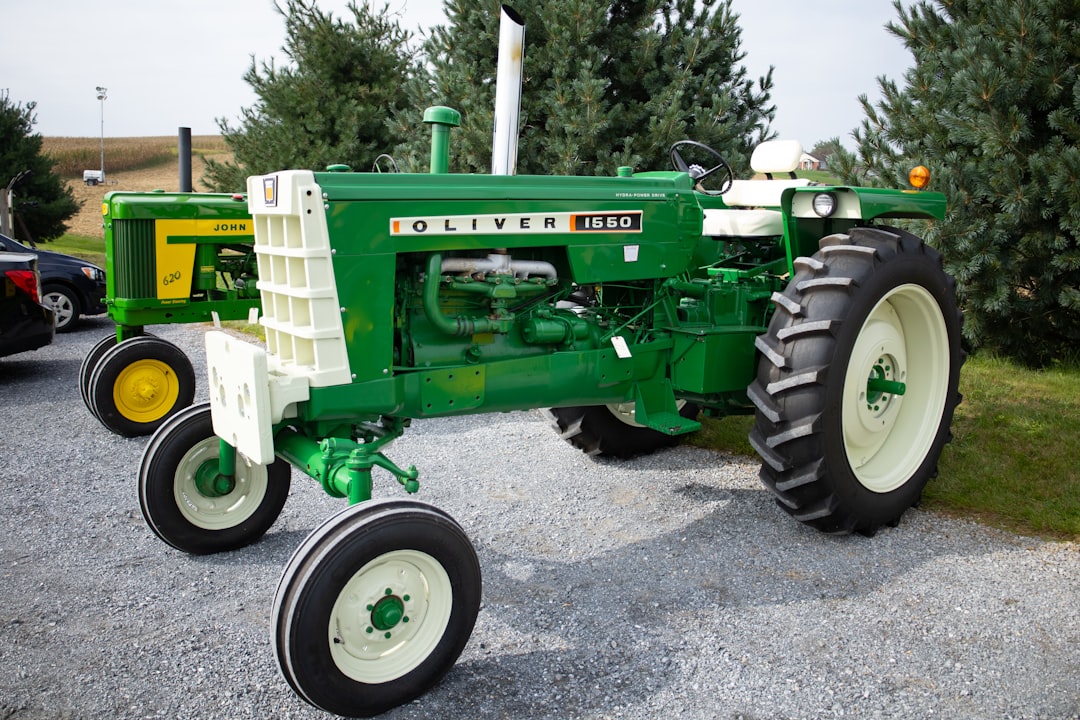
When considering the purchase of used agricultural machinery, several factors must be taken into account to ensure a wise investment. First and foremost is the condition of the equipment. Prospective buyers should conduct thorough inspections to assess wear and tear, checking for signs of rust, leaks, or mechanical issues that could lead to costly repairs down the line.
Additionally, understanding the machine’s maintenance history can provide insights into its reliability and longevity. For instance, a well-maintained tractor with a documented service history may be a better choice than a newer model that has been poorly cared for. Another critical factor is compatibility with existing equipment and farming practices.
Buyers should evaluate whether the used machinery can integrate seamlessly into their current operations. This includes considering the type of crops being cultivated, the scale of operations, and the specific tasks that need to be performed. For example, a combine harvester designed for small-scale operations may not be suitable for a large farm that requires high throughput during harvest season.
Furthermore, potential buyers should also consider the availability of parts and service for the specific make and model they are interested in, as this can significantly impact long-term operational efficiency.
Maintenance and Upkeep for Used Ag Machinery
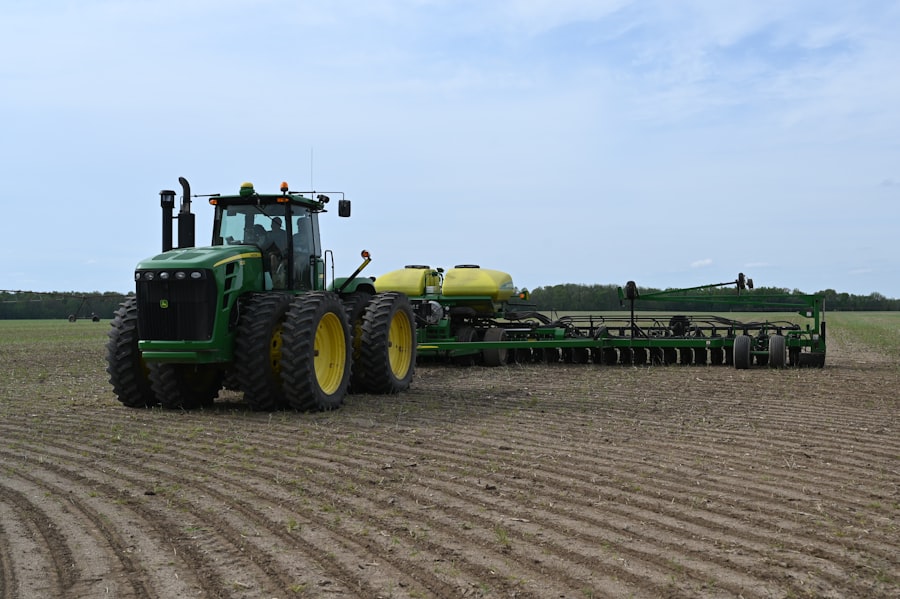
Proper maintenance is essential for ensuring the longevity and efficiency of used agricultural machinery. Regular servicing not only helps prevent unexpected breakdowns but also enhances performance by keeping equipment in optimal working condition. Farmers should establish a routine maintenance schedule that includes tasks such as oil changes, filter replacements, and inspections of critical components like belts and hydraulic systems.
For instance, neglecting to change the oil in a tractor can lead to engine wear and reduced fuel efficiency over time. In addition to routine maintenance, farmers should also be proactive in addressing any issues that arise during operation. This means being vigilant for unusual sounds or performance changes that could indicate underlying problems.
For example, if a planter begins to leave uneven rows or fails to plant seeds at the correct depth, it may require immediate attention to avoid costly replanting or reduced yields. Keeping detailed records of maintenance activities can also help farmers track performance trends and identify areas for improvement over time.
Implementing Technology to Improve Efficiency
| Technology Implemented | Efficiency Metric | Before Implementation | After Implementation | Improvement (%) |
|---|---|---|---|---|
| Automated Workflow Software | Task Completion Time (hours) | 10 | 6 | 40% |
| Cloud Collaboration Tools | Project Delivery Time (days) | 30 | 20 | 33% |
| AI-Powered Customer Support | Response Time (minutes) | 15 | 5 | 67% |
| Inventory Management System | Stock Replenishment Time (days) | 7 | 3 | 57% |
| Data Analytics Platform | Decision-Making Time (hours) | 12 | 4 | 67% |
The integration of technology into agricultural practices has revolutionized the industry, offering numerous opportunities to enhance efficiency. One significant advancement is the use of precision agriculture tools that leverage data analytics and GPS technology to optimize farming operations. For example, variable rate technology (VRT) allows farmers to apply fertilizers and pesticides at varying rates across different areas of a field based on soil health and crop needs.
This targeted approach not only maximizes input efficiency but also minimizes environmental impact. Additionally, advancements in automation are transforming how agricultural tasks are performed. Autonomous tractors and drones are increasingly being utilized for tasks such as planting, monitoring crop health, and even harvesting.
These technologies can operate around the clock without fatigue, significantly increasing productivity while reducing labor costs. For instance, a farmer using drones equipped with multispectral cameras can quickly assess crop health across vast fields, allowing for timely interventions that can improve yields and reduce resource waste.
Utilizing Proper Techniques for Maximum Efficiency
Beyond machinery and technology, employing proper farming techniques is essential for maximizing efficiency in agricultural operations. Crop rotation is one such technique that not only enhances soil health but also optimizes resource use by breaking pest cycles and improving nutrient availability. By alternating crops in a systematic manner, farmers can reduce reliance on chemical inputs while maintaining high productivity levels.
Another technique is conservation tillage, which minimizes soil disturbance and helps retain moisture in the soil. This practice can lead to improved soil structure and reduced erosion while also lowering fuel consumption associated with tillage operations. For example, no-till farming has gained popularity as it allows farmers to plant directly into undisturbed soil, reducing labor costs and improving overall efficiency.
By adopting these techniques alongside efficient machinery, farmers can create a synergistic effect that enhances both productivity and sustainability.
Upgrading and Retrofitting Used Ag Machinery
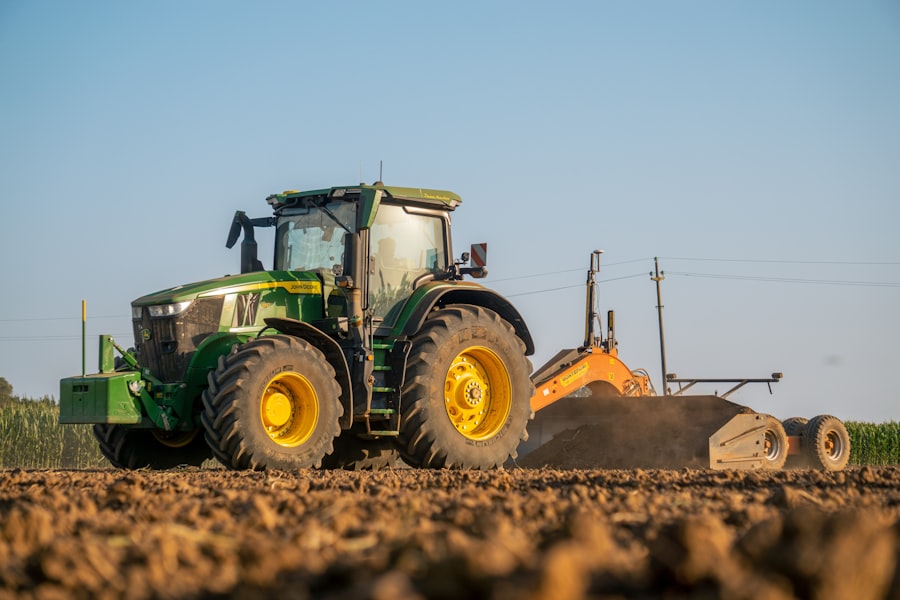
As agricultural technology continues to evolve, upgrading or retrofitting used machinery can be a cost-effective way to enhance performance without the need for a complete replacement. Many older machines can be fitted with modern components such as GPS systems or precision planting attachments that significantly improve their functionality. For instance, retrofitting an older tractor with an auto-steering system can enhance accuracy during planting and reduce operator fatigue.
Moreover, upgrading hydraulic systems or adding precision monitoring tools can extend the life of older equipment while improving operational efficiency. Farmers should assess their specific needs and consider which upgrades would provide the most significant return on investment. For example, adding yield monitors to combines allows farmers to collect data on crop performance in real-time, enabling them to make informed decisions about future planting strategies.
Training and Education for Operators
The effectiveness of agricultural machinery is heavily reliant on the skills and knowledge of its operators. Therefore, investing in training and education is crucial for maximizing efficiency gains from both new and used equipment. Operators should be well-versed in the specific functionalities of the machinery they are using, including how to perform routine maintenance checks and troubleshoot common issues.
Furthermore, ongoing education about advancements in agricultural technology can empower operators to utilize equipment more effectively. Workshops or online courses focusing on precision agriculture techniques or new software applications can provide valuable insights that enhance operational efficiency. For instance, training programs that cover data interpretation from precision agriculture tools can help operators make better decisions regarding resource allocation and crop management.
Evaluating and Monitoring Efficiency Gains
To ensure that investments in agricultural machinery yield tangible benefits, it is essential to establish metrics for evaluating efficiency gains over time. Farmers should track key performance indicators (KPIs) such as fuel consumption per acre, labor hours per task, and overall yield per field to assess how effectively their machinery is contributing to productivity goals. By comparing these metrics before and after implementing new technologies or practices, farmers can gain insights into what strategies are most effective.
Additionally, utilizing software solutions that aggregate data from various sources can provide a comprehensive view of operational efficiency. These tools can help identify trends over time and highlight areas where further improvements may be needed. For example, if data shows that fuel consumption has increased despite upgrades in machinery, it may prompt a reevaluation of operational practices or further training for operators.
By continuously monitoring efficiency gains through data-driven approaches, farmers can make informed decisions that enhance both productivity and sustainability in their operations.