
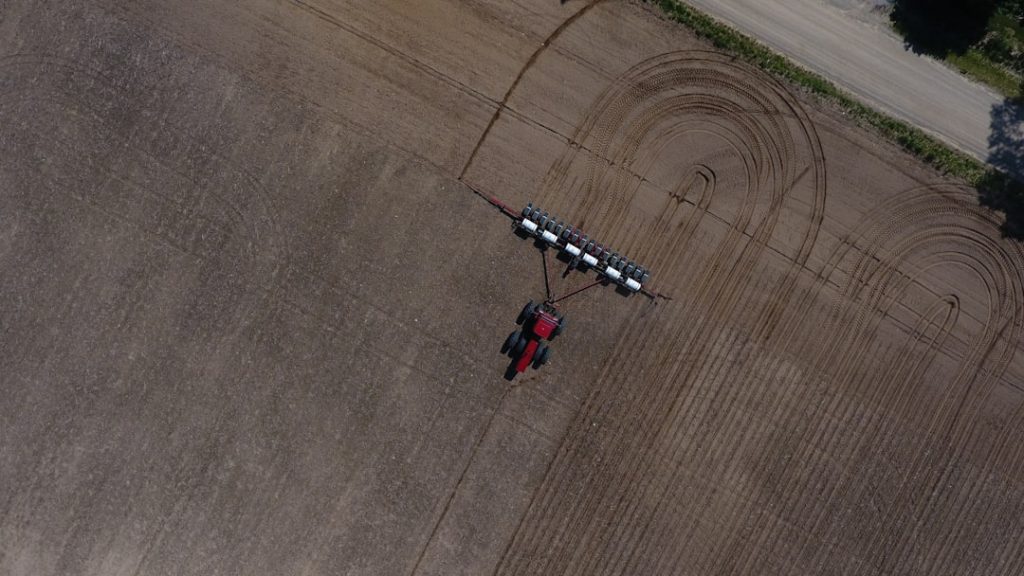
Investing in quality used farm machinery can yield significant advantages for agricultural operations of all sizes. One of the most compelling benefits is the cost savings associated with purchasing pre-owned equipment. New machinery often comes with a hefty price tag, which can strain budgets, especially for small to medium-sized farms.
In contrast, used equipment typically costs a fraction of its original price, allowing farmers to allocate their financial resources more effectively. This financial flexibility can enable farmers to invest in other critical areas of their operations, such as seed quality, soil health, or even labor. Moreover, the depreciation rate of used machinery is considerably lower than that of new equipment.
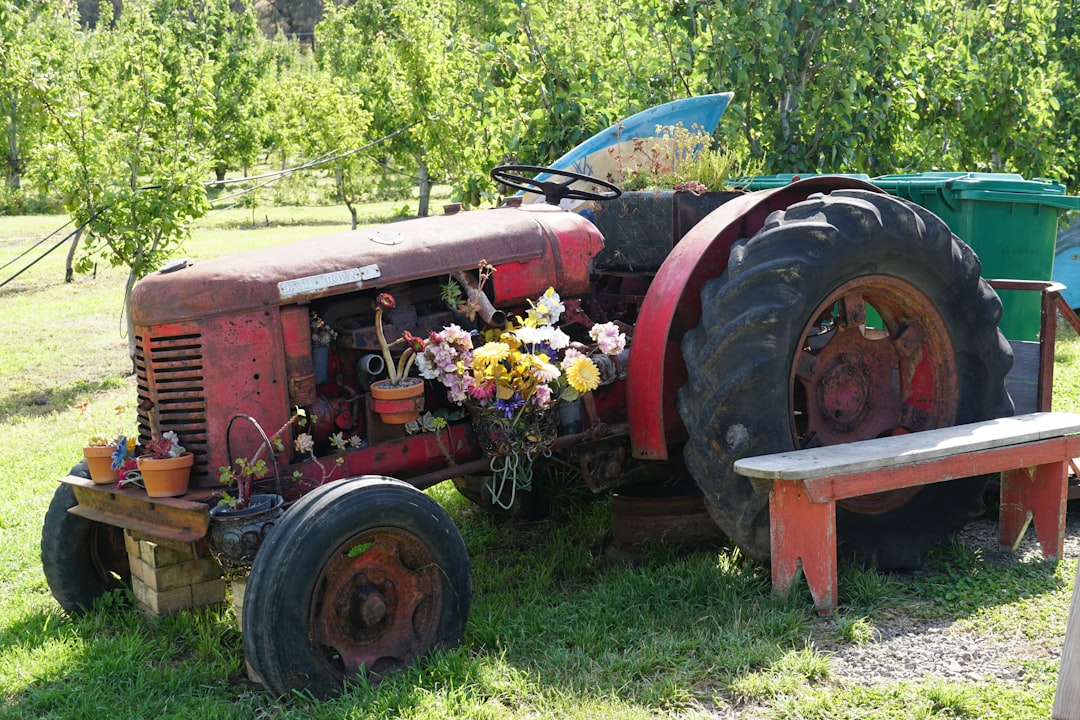
New farm machinery can lose a substantial portion of its value within the first few years of ownership, while used machinery has already undergone this initial depreciation. This means that when farmers decide to sell or trade in their used equipment, they are likely to recover a more significant portion of their investment compared to if they had purchased new machinery. Additionally, many used machines come with a proven track record, allowing buyers to assess their reliability and performance based on previous owners’ experiences.
Key Takeaways
- Investing in quality used farm machinery offers cost savings and reliable performance.
- Proper selection and regular maintenance are key to maximizing the lifespan and efficiency of used equipment.
- Upgrading and retrofitting can enhance the functionality and productivity of older machinery.
- Integrating technology and precision agriculture tools improves operational accuracy and output.
- Training operators and exploring financing options ensure safe use and affordable acquisition of used machinery.
Tips for Selecting the Right Used Farm Machinery for Your Operation
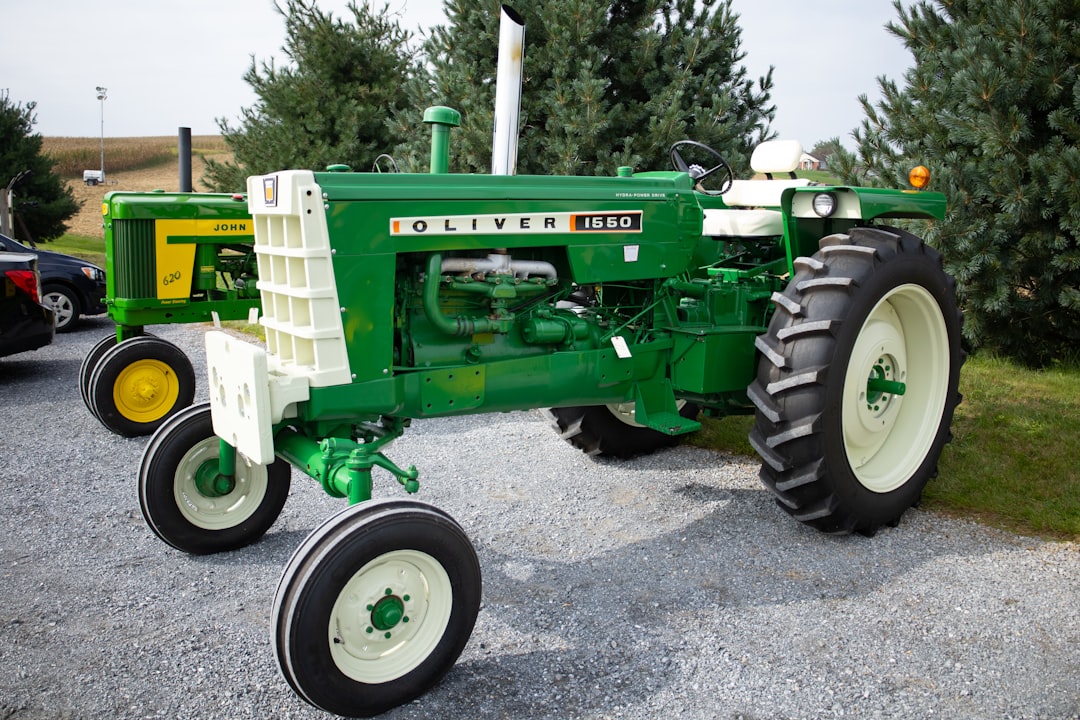
Selecting the right used farm machinery requires careful consideration and thorough research. First and foremost, farmers should assess their specific operational needs. This involves evaluating the type of crops being cultivated, the size of the farm, and the specific tasks that need to be accomplished.
For instance, a farmer specializing in row crops may require different equipment than one focused on livestock or specialty crops. Understanding these nuances will help narrow down the options and ensure that the machinery selected is well-suited for the intended purpose. Another critical factor to consider is the condition and maintenance history of the used machinery.
Prospective buyers should seek out equipment that has been well-maintained and serviced regularly. This can often be verified through maintenance records or by consulting with previous owners. Additionally, conducting a thorough inspection of the machinery is essential.
Farmers should look for signs of wear and tear, rust, or any mechanical issues that could lead to costly repairs down the line. Engaging a knowledgeable mechanic or technician to evaluate the equipment can provide further assurance regarding its condition and longevity.
Maintaining and Servicing Used Farm Machinery for Optimal Efficiency
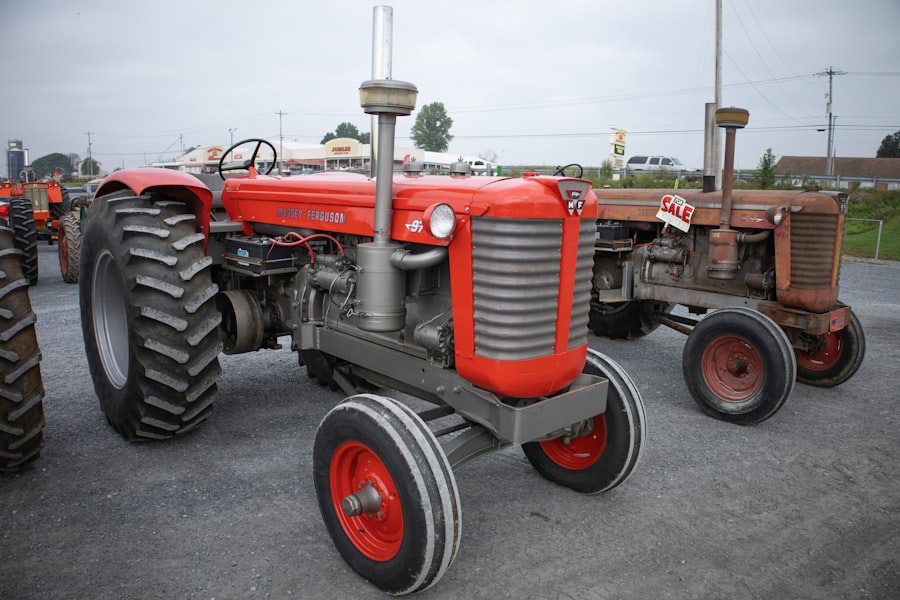
Once quality used farm machinery has been acquired, maintaining it properly is crucial for ensuring optimal efficiency and longevity. Regular maintenance routines should be established, including routine checks on fluid levels, filters, belts, and tires. For instance, oil changes should be performed at recommended intervals to keep engines running smoothly, while hydraulic systems should be inspected for leaks or wear.
Implementing a preventive maintenance schedule not only extends the life of the machinery but also minimizes unexpected breakdowns during critical planting or harvesting periods. In addition to routine maintenance, farmers should also invest in training for themselves and their staff on proper equipment care. Understanding how to operate machinery correctly can prevent unnecessary wear and tear.
For example, improper use of a tractor can lead to excessive strain on its components, resulting in costly repairs. Furthermore, keeping detailed records of maintenance activities can help track performance trends over time and identify potential issues before they escalate into major problems.
Upgrading and Retrofitting Used Farm Machinery to Improve Performance
| Upgrade/Retrofit Component | Performance Metric | Improvement Range | Impact on Efficiency | Estimated Time to Implement |
|---|---|---|---|---|
| Engine Replacement with Modern Diesel Engine | Fuel Efficiency (liters/hour) | 15% – 30% reduction | Significant | 2-4 days |
| Hydraulic System Upgrade | Hydraulic Pressure & Response Time | 20% – 40% improvement | Moderate to High | 1-3 days |
| Installation of GPS and Precision Farming Tools | Operational Accuracy (%) | Up to 95% | High | 1-2 days |
| Retrofitting with LED Lighting | Energy Consumption (watts) | 50% – 70% reduction | Low to Moderate | Half day |
| Upgrading Tires to Radial Types | Soil Compaction (psi) | 10% – 25% reduction | Moderate | 1 day |
| Adding Automatic Transmission | Operator Fatigue & Fuel Use | 15% – 25% improvement | High | 3-5 days |
Upgrading and retrofitting used farm machinery can significantly enhance its performance and extend its useful life. Many older machines can be fitted with modern technology that improves efficiency and productivity. For example, adding precision agriculture tools such as GPS guidance systems can help optimize planting patterns and reduce input costs by ensuring that seeds are planted at the correct depth and spacing.
This not only maximizes yield potential but also minimizes waste. Another common upgrade involves enhancing the power or capabilities of existing machinery. For instance, older tractors can often be retrofitted with more powerful engines or improved transmission systems that allow them to handle larger implements or work more efficiently under heavy loads.
Additionally, farmers may consider upgrading hydraulic systems to improve lifting capacity or speed, which can be particularly beneficial during busy seasons when time is of the essence.
Implementing Technology and Precision Agriculture with Used Farm Machinery
The integration of technology into farming practices has revolutionized agriculture in recent years, and this trend extends to used farm machinery as well. Precision agriculture techniques leverage data analytics, GPS technology, and remote sensing to optimize farming operations. By implementing these technologies on used equipment, farmers can achieve greater efficiency and productivity without the need for brand-new machinery.
For example, equipping older sprayers with variable rate technology allows farmers to apply fertilizers and pesticides more precisely based on soil conditions and crop needs. This not only reduces input costs but also minimizes environmental impact by preventing over-application of chemicals. Similarly, using yield monitors on combines enables farmers to collect data on crop performance across different field zones, allowing for more informed decision-making regarding future planting strategies.
Training and Educating Operators for Safe and Efficient Use of Used Farm Machinery
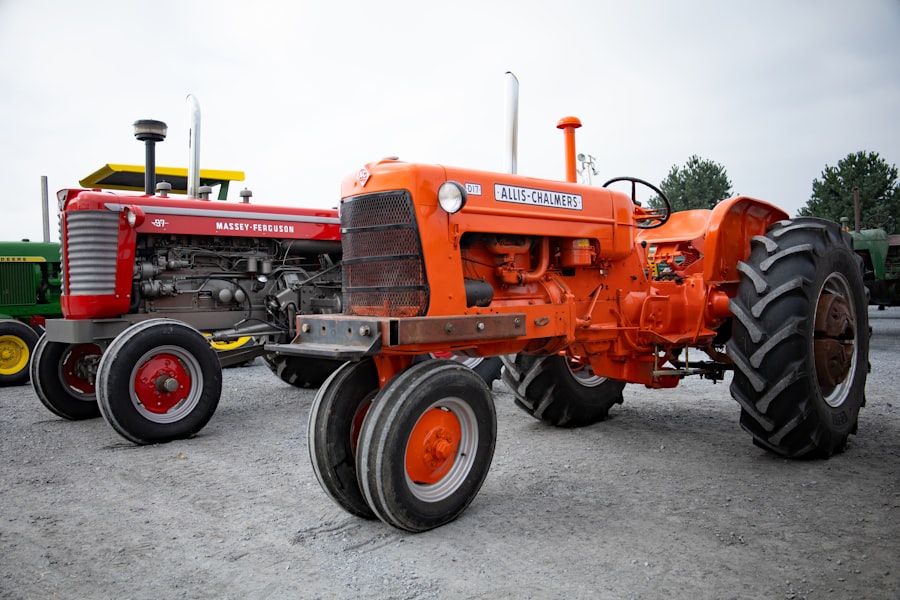
The safe and efficient operation of used farm machinery hinges on proper training and education for operators. It is essential that all individuals who will be using the equipment understand its functions, limitations, and safety protocols. Comprehensive training programs should cover not only how to operate the machinery but also how to perform basic maintenance tasks and troubleshoot common issues.
Incorporating hands-on training sessions can be particularly effective in reinforcing learning outcomes. For instance, allowing operators to practice using the machinery under supervision helps build confidence and competence. Additionally, ongoing education should be encouraged as technology evolves; staying updated on new features or best practices ensures that operators can maximize the potential of their equipment while minimizing risks associated with improper use.
Utilizing Financing and Leasing Options for Acquiring Quality Used Farm Machinery
Acquiring quality used farm machinery does not always require a significant upfront investment; financing and leasing options are available to help farmers manage costs effectively. Many financial institutions offer loans specifically tailored for agricultural equipment purchases, allowing farmers to spread payments over time while still benefiting from immediate access to necessary machinery. Leasing is another viable option that provides flexibility without the long-term commitment associated with ownership.
Through leasing agreements, farmers can use high-quality equipment without incurring substantial debt. This approach is particularly advantageous for those who may need specific machinery only during peak seasons or for particular projects. Additionally, leasing often includes maintenance services as part of the agreement, further reducing operational burdens.
Resale and Trade-In Strategies for Upgrading Used Farm Machinery
As agricultural needs evolve over time, so too does the necessity for upgrading used farm machinery. Developing effective resale and trade-in strategies can help farmers recoup some of their initial investments when it comes time to acquire newer equipment. One approach is to maintain detailed records of all maintenance performed on the machinery; this documentation can enhance resale value by demonstrating that the equipment has been well cared for.
Farmers should also stay informed about market trends and demand for specific types of machinery within their region. Timing the sale or trade-in of equipment can significantly impact financial returns; selling during peak demand periods often yields better prices than during off-seasons when supply exceeds demand. Engaging with reputable dealers who specialize in used farm machinery can provide valuable insights into current market conditions and help facilitate smoother transactions.
In conclusion, investing in quality used farm machinery presents numerous benefits that extend beyond mere cost savings. By carefully selecting equipment tailored to specific operational needs, maintaining it diligently, upgrading it with modern technology, training operators effectively, utilizing financing options wisely, and developing strategic resale plans, farmers can enhance their productivity while ensuring sustainable agricultural practices for years to come.