

The evolution of agriculture has been significantly influenced by advancements in technology, particularly in the realm of modern farm machinery. This transformation has not only revolutionized the way farming is conducted but has also enhanced productivity and efficiency across various agricultural sectors. Modern farm machinery encompasses a wide array of equipment, from tractors and harvesters to seeders and irrigation systems, all designed to streamline farming processes and reduce labor intensity.
The integration of sophisticated technologies into these machines has enabled farmers to tackle challenges such as labor shortages, fluctuating market demands, and the need for sustainable practices. As the global population continues to rise, the demand for food production intensifies, necessitating the adoption of innovative farming techniques. Modern farm machinery plays a pivotal role in meeting these demands by allowing farmers to cultivate larger areas of land with greater precision and less manual effort.
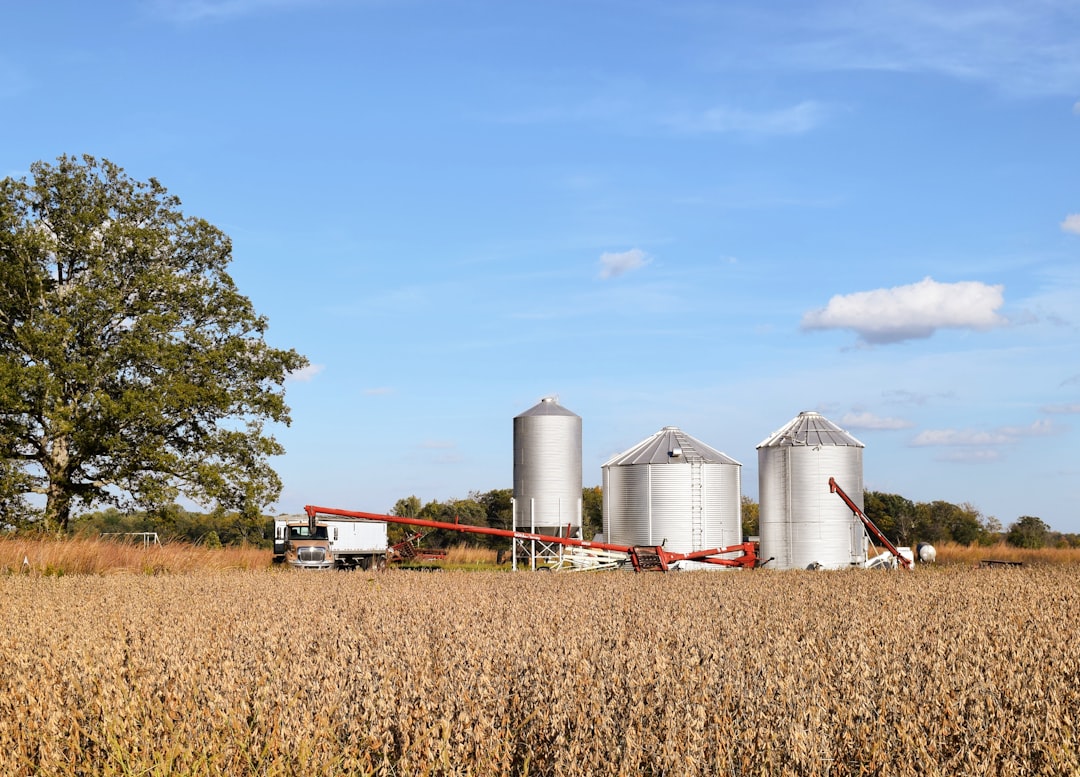
The introduction of GPS technology, automated systems, and data analytics into farming equipment has transformed traditional practices, enabling farmers to make informed decisions based on real-time data. This article delves into the multifaceted aspects of modern farm machinery, exploring its benefits, selection criteria, maintenance needs, and future trends that are shaping the agricultural landscape.
Key Takeaways
- Modern farm machinery enhances efficiency and reduces labor in agricultural operations.
- Selecting appropriate machinery depends on farm size, crop type, and budget considerations.
- Regular maintenance is crucial to ensure longevity and optimal performance of equipment.
- Integrating technology like GPS and automation boosts productivity and precision farming.
- Ongoing training and awareness of future trends help farmers adapt to evolving machinery innovations.
Benefits of Using Modern Farm Machinery
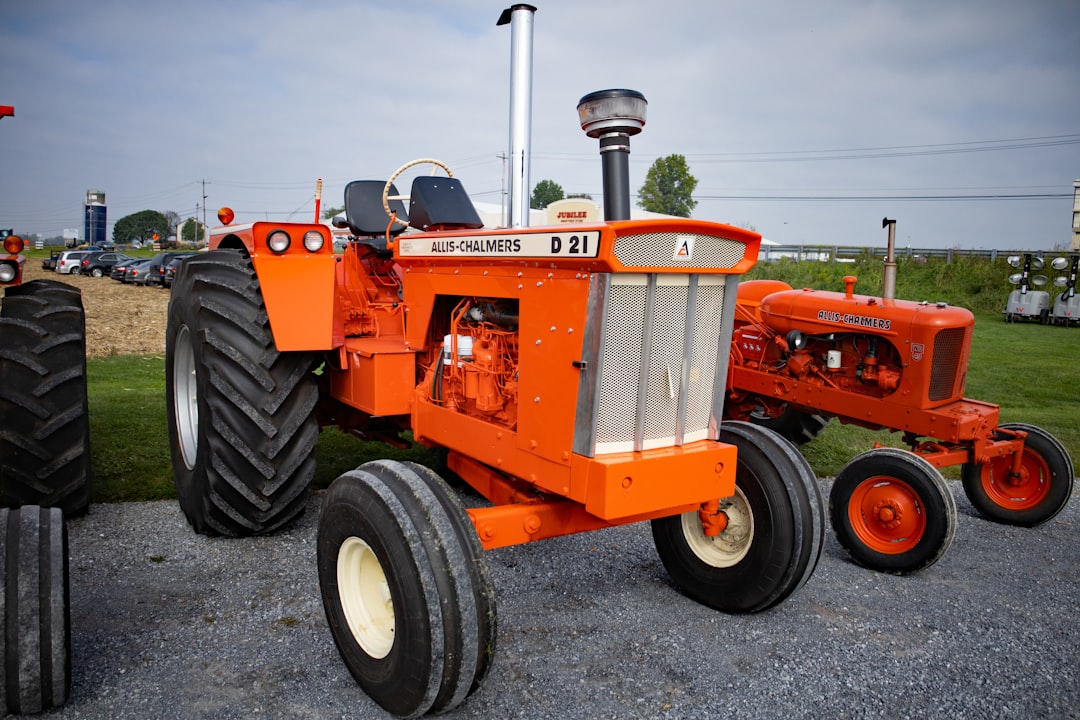
The advantages of utilizing modern farm machinery are manifold, significantly impacting both the efficiency and sustainability of agricultural practices. One of the most notable benefits is the substantial increase in productivity. Modern equipment is designed to perform tasks at a much faster rate than manual labor, allowing farmers to cover larger areas in shorter timeframes.
For instance, a contemporary combine harvester can harvest several acres of crops in a single day, a feat that would take numerous workers several days to accomplish using traditional methods. This efficiency not only saves time but also reduces labor costs, which can be a significant expense for many farming operations. In addition to enhancing productivity, modern farm machinery contributes to improved precision in farming practices.
Equipment equipped with GPS technology allows for accurate planting, fertilization, and irrigation, ensuring that resources are utilized optimally. For example, precision agriculture techniques enable farmers to apply fertilizers and pesticides only where needed, minimizing waste and reducing environmental impact. This targeted approach not only conserves resources but also promotes sustainable farming practices by decreasing chemical runoff into surrounding ecosystems.
Furthermore, modern machinery often incorporates features that enhance safety for operators, such as automatic shut-off systems and ergonomic designs that reduce the risk of injury.
Choosing the Right Modern Farm Machinery for Your Farm
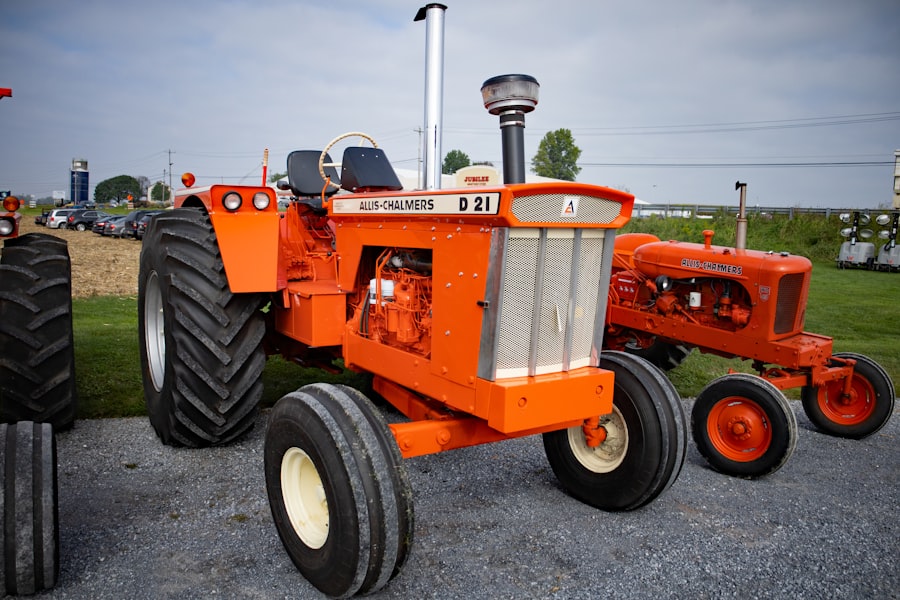
Selecting the appropriate modern farm machinery is a critical decision that can significantly influence the success of agricultural operations. The choice largely depends on various factors including the type of crops being cultivated, the size of the farm, and specific operational needs. For instance, a farmer specializing in row crops may require different equipment compared to one focused on livestock or specialty crops.
Understanding these unique requirements is essential for making informed purchasing decisions. Additionally, budget considerations play a crucial role in the selection process. While investing in high-quality machinery can lead to long-term savings through increased efficiency and reduced labor costs, it is important for farmers to assess their financial capabilities and explore financing options if necessary.
Leasing equipment can be an attractive alternative for those who may not have the capital for outright purchases. Farmers should also consider the availability of local dealerships and service centers when choosing machinery, as proximity can affect maintenance and support services. Ultimately, thorough research and consultation with industry experts can guide farmers in selecting machinery that aligns with their operational goals and financial constraints.
Maintenance and Upkeep of Modern Farm Machinery
| Maintenance Task | Frequency | Estimated Time Required | Key Metrics | Impact on Machinery Performance |
|---|---|---|---|---|
| Engine Oil Change | Every 100-200 hours | 30 minutes | Oil viscosity, contamination level | Improves engine efficiency and longevity |
| Hydraulic System Check | Monthly | 45 minutes | Hydraulic fluid level, pressure, leak detection | Ensures smooth operation of hydraulic components |
| Air Filter Replacement | Every 200 hours or as needed | 15 minutes | Filter clogging rate, airflow restriction | Maintains engine air intake quality |
| Tire Pressure Check | Weekly | 10 minutes | PSI levels, tread wear | Improves traction and fuel efficiency |
| Greasing Moving Parts | Bi-weekly | 20 minutes | Lubrication levels, wear rate | Reduces friction and wear on components |
| Battery Inspection | Monthly | 15 minutes | Voltage, electrolyte level, terminal corrosion | Ensures reliable starting and electrical system |
| Software Updates (for smart machinery) | Quarterly | 30 minutes | Firmware version, error logs | Enhances operational efficiency and diagnostics |
Proper maintenance and upkeep of modern farm machinery are essential for ensuring optimal performance and longevity. Regular servicing not only prevents unexpected breakdowns but also enhances safety for operators. Farmers should establish a routine maintenance schedule that includes tasks such as oil changes, filter replacements, and inspections of critical components like brakes and hydraulic systems.
For instance, neglecting to change engine oil can lead to decreased performance and potential engine failure, resulting in costly repairs and downtime during critical planting or harvesting periods. Moreover, keeping machinery clean is an often-overlooked aspect of maintenance that can significantly impact its functionality. Dirt and debris can accumulate on equipment, leading to wear and tear over time.
Regular cleaning helps maintain efficiency by ensuring that all moving parts operate smoothly. Additionally, farmers should invest in training for their staff on proper handling and maintenance procedures to foster a culture of care for equipment. By prioritizing maintenance practices, farmers can maximize their investment in modern machinery while minimizing disruptions to their operations.
Increasing Productivity with Modern Farm Machinery
The integration of modern farm machinery into agricultural practices has led to remarkable increases in productivity across various sectors. One key factor contributing to this surge is the ability of advanced equipment to perform multiple functions simultaneously. For example, multifunctional tractors equipped with attachments can plow fields, plant seeds, and apply fertilizers all in one pass.
This capability not only saves time but also reduces soil compaction by minimizing the number of passes required over a field. Furthermore, automation plays a significant role in enhancing productivity. Autonomous tractors and drones are becoming increasingly prevalent in modern agriculture, allowing for tasks such as planting and monitoring crops without direct human intervention.
These technologies enable farmers to allocate their time more effectively by focusing on strategic decision-making rather than manual labor. Additionally, data analytics tools integrated into modern machinery provide valuable insights into crop health and soil conditions, empowering farmers to make data-driven decisions that optimize yields. As a result, the combination of multifunctionality and automation positions modern farm machinery as a cornerstone of increased agricultural productivity.
Integrating Technology with Modern Farm Machinery
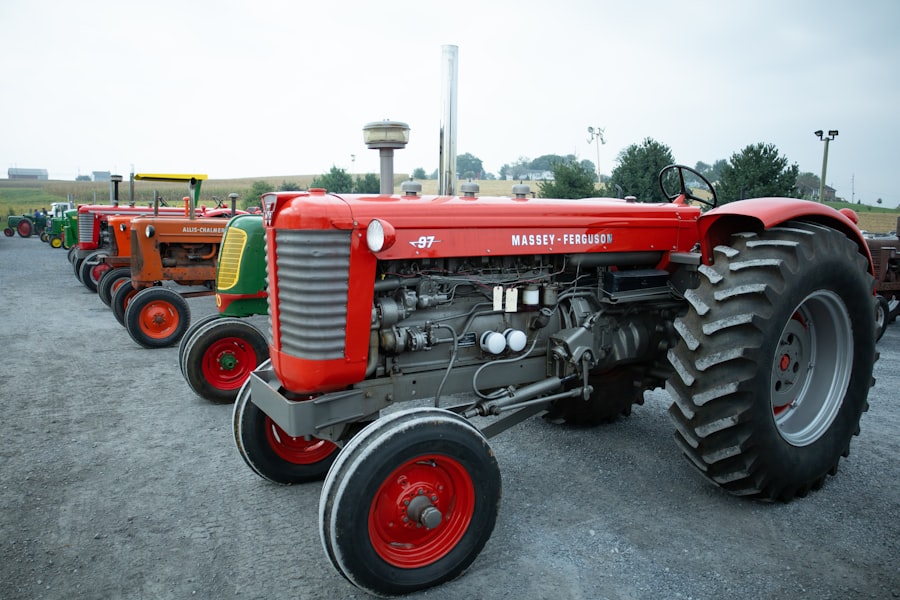
The integration of technology with modern farm machinery has ushered in a new era of precision agriculture that enhances efficiency and sustainability. One prominent example is the use of Internet of Things (IoT) devices that connect various pieces of equipment to a centralized system for real-time monitoring and control. Sensors placed in fields can collect data on soil moisture levels, temperature, and nutrient content, which can then be analyzed to inform irrigation schedules or fertilization plans.
This level of connectivity allows farmers to respond promptly to changing conditions, optimizing resource use while minimizing waste. Moreover, advancements in machine learning and artificial intelligence are transforming how farmers interact with their equipment. Predictive analytics can forecast equipment failures before they occur by analyzing historical performance data, enabling proactive maintenance strategies that reduce downtime.
Additionally, software platforms that aggregate data from multiple sources allow farmers to visualize trends over time, facilitating better decision-making regarding crop rotation or pest management strategies. The seamless integration of technology into modern farm machinery not only enhances operational efficiency but also supports sustainable practices by promoting responsible resource management.
Training and Education for Operating Modern Farm Machinery
As modern farm machinery becomes increasingly sophisticated, the need for comprehensive training and education for operators is paramount. Farmers must ensure that their staff is well-versed in operating advanced equipment safely and effectively. This training should encompass not only the technical aspects of machinery operation but also best practices for maintenance and troubleshooting common issues.
Many manufacturers offer training programs or workshops that provide hands-on experience with their equipment, which can be invaluable for operators who may be unfamiliar with new technologies. In addition to formal training programs, ongoing education is essential as technology continues to evolve rapidly within the agricultural sector. Online courses and webinars focused on topics such as precision agriculture techniques or data analytics can help farmers stay abreast of industry trends and innovations.
Furthermore, fostering a culture of continuous learning within farming operations encourages employees to share knowledge and experiences related to machinery use. By investing in training and education initiatives, farmers can enhance their workforce’s skills while maximizing the benefits derived from modern farm machinery.
Future Trends in Modern Farm Machinery
The future of modern farm machinery is poised for further innovation as technological advancements continue to reshape the agricultural landscape. One emerging trend is the increasing adoption of electric-powered equipment as concerns about fossil fuel consumption and environmental sustainability grow. Electric tractors and other machinery promise reduced emissions and lower operating costs while maintaining high levels of performance.
As battery technology improves, we can expect more robust electric options that cater to various farming needs. Another significant trend is the rise of autonomous farming solutions that leverage artificial intelligence and robotics to perform tasks traditionally carried out by human operators. Autonomous drones are already being used for crop monitoring and spraying applications, while self-driving tractors are being tested in fields across the globe.
These innovations not only enhance efficiency but also address labor shortages by reducing reliance on manual labor for routine tasks. Additionally, advancements in data analytics will continue to play a crucial role in shaping modern farm machinery’s future capabilities. As more sensors are integrated into equipment, the volume of data generated will increase exponentially, providing farmers with unprecedented insights into their operations.
The ability to analyze this data effectively will empower farmers to make informed decisions that optimize yields while minimizing environmental impact. In conclusion, modern farm machinery represents a critical component of contemporary agriculture, offering numerous benefits that enhance productivity and sustainability. As technology continues to evolve, farmers must remain adaptable and proactive in embracing these advancements to ensure their operations thrive in an increasingly competitive landscape.