
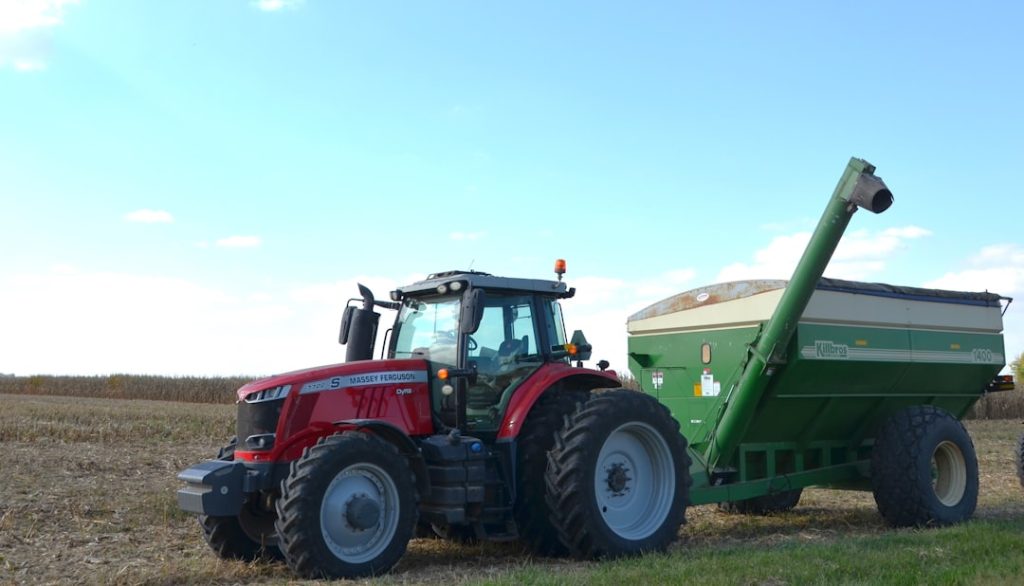
The agricultural sector is a cornerstone of the global economy, and the equipment used in this field plays a pivotal role in enhancing productivity and efficiency. One of the most significant advantages of opting for used agricultural equipment is the substantial cost savings it offers. New machinery can be prohibitively expensive, often requiring farmers to take on significant debt or forgo necessary upgrades altogether.
In contrast, used equipment typically comes at a fraction of the price, allowing farmers to allocate their financial resources more effectively. This financial flexibility can be crucial, especially for small to medium-sized farms that operate on tighter budgets. Moreover, purchasing used agricultural equipment can lead to quicker returns on investment.
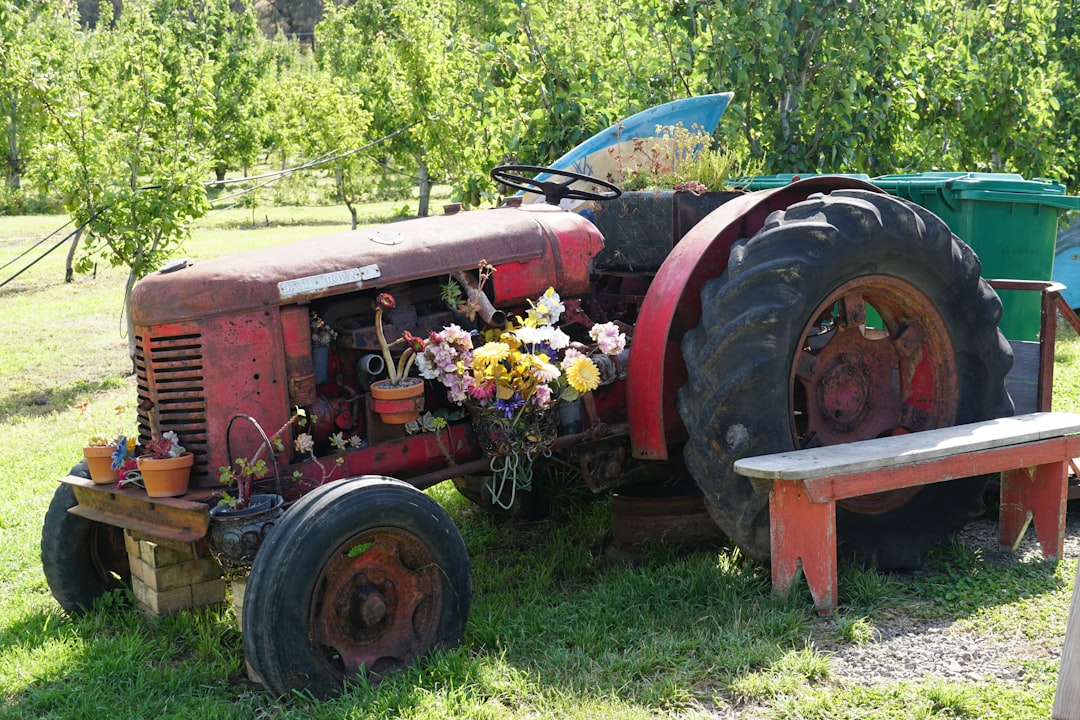
Many used machines are still in excellent working condition and can perform just as well as their new counterparts. For instance, a well-maintained used tractor can provide the same level of performance as a new model but at a significantly lower cost. This means that farmers can start using the equipment immediately, leading to increased productivity and potentially higher yields.
Additionally, the depreciation on used equipment is often less steep than that of new machinery, making it a more financially sound investment in the long run.
Key Takeaways
- Used agricultural equipment offers cost savings and immediate availability compared to new machinery.
- Key factors when buying include equipment history, condition, and suitability for your farming needs.
- Thoroughly inspect and assess the equipment’s mechanical and structural condition before purchase.
- Effective negotiation can secure better prices and favorable terms for used equipment deals.
- Regular maintenance and timely upgrades extend the lifespan and performance of used agricultural machinery.
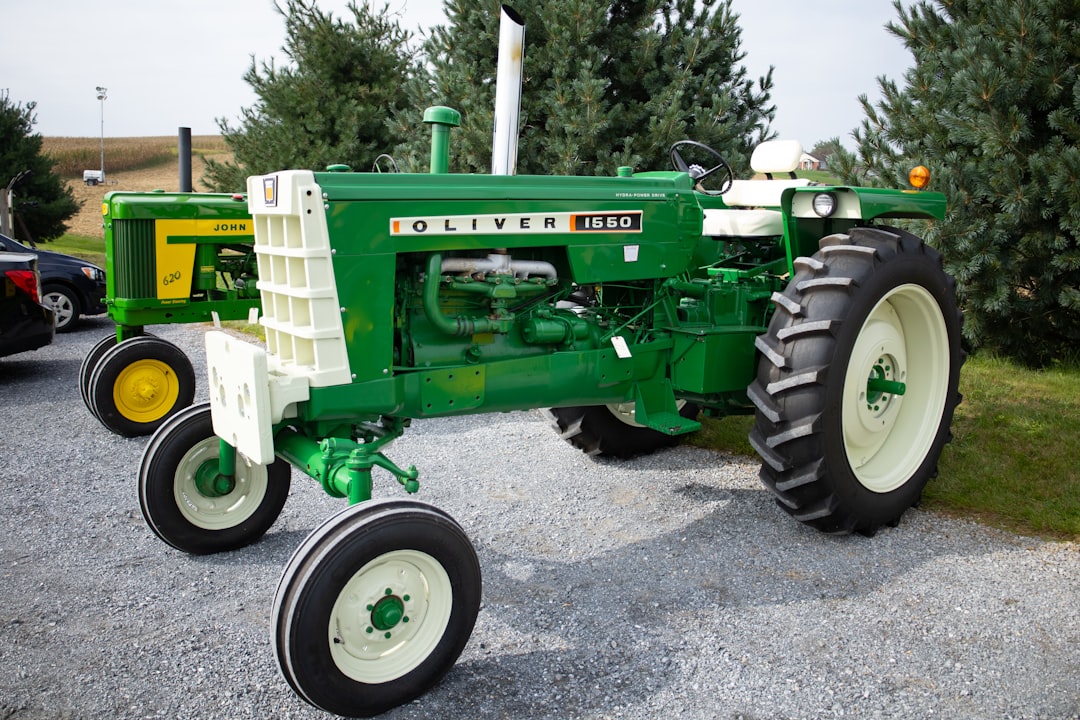
Factors to Consider When Purchasing Used Agricultural Equipment
When considering the purchase of used agricultural equipment, several critical factors must be taken into account to ensure a wise investment. First and foremost is the type of equipment needed for specific farming operations. Different crops and farming methods require different machinery; for example, a farmer specializing in row crops may need a different type of planter than one focused on livestock.
Understanding the specific requirements of one’s farming operation is essential in narrowing down the options available in the used market. Another vital factor is the age and brand of the equipment. Some brands are known for their durability and longevity, while others may have a reputation for frequent breakdowns or high maintenance costs.
Researching various manufacturers and their models can provide insights into which pieces of equipment are likely to offer the best performance over time. Additionally, considering the availability of parts and service for specific brands can save farmers from future headaches. A piece of equipment that is difficult to repair or for which parts are hard to find can quickly become a liability rather than an asset.
Assessing the Condition of Used Agricultural Equipment
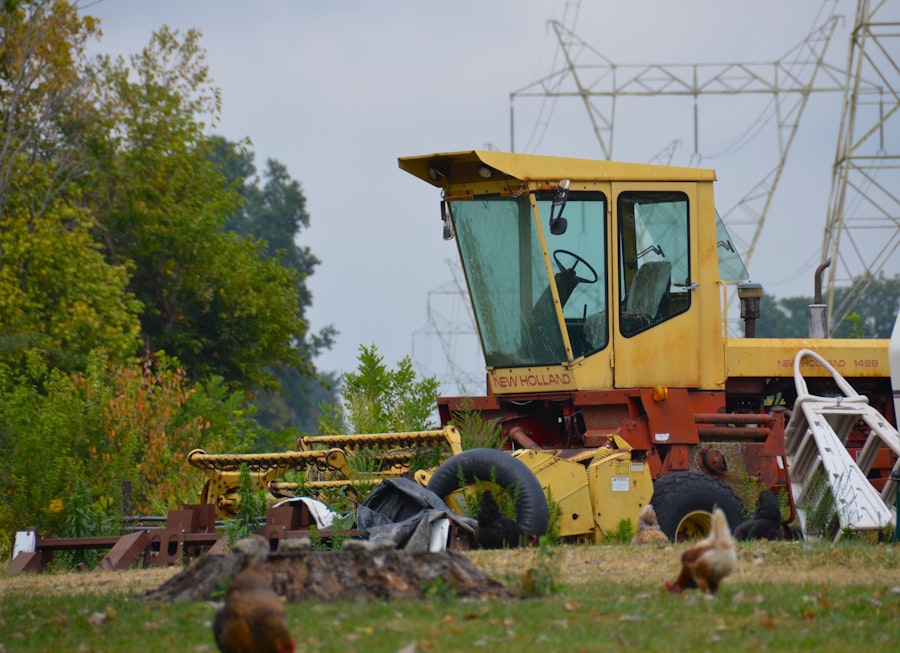
Evaluating the condition of used agricultural equipment is paramount before making a purchase. A thorough inspection should include both visual assessments and operational tests. Visually, one should look for signs of wear and tear, such as rust, cracks, or excessive wear on tires and belts.
These indicators can provide insight into how well the equipment has been maintained and whether it is likely to require immediate repairs after purchase. Operational testing is equally important. If possible, prospective buyers should request to see the equipment in action.
This allows them to assess its performance firsthand, checking for any unusual noises or vibrations that could indicate underlying issues. Additionally, reviewing maintenance records can provide valuable information about how well the equipment has been cared for over its lifespan. A well-documented history of regular maintenance is often a good sign that the previous owner took care of the machine, which can translate into fewer problems down the line.
Negotiating the Best Deal for Used Agricultural Equipment
| Metric | Description | Typical Range | Importance Level |
|---|---|---|---|
| Equipment Age | Number of years since the equipment was manufactured | 1 – 15 years | High |
| Hours of Use | Total operational hours logged on the equipment | 500 – 10,000 hours | High |
| Maintenance History | Record of repairs and routine maintenance performed | Complete, Partial, None | High |
| Market Price | Average selling price for similar used equipment | Varies by model and condition | High |
| Depreciation Rate | Annual percentage decrease in equipment value | 10% – 20% per year | Medium |
| Warranty Availability | Whether the equipment comes with a warranty or service contract | Yes / No | Medium |
| Negotiation Margin | Typical discount range achievable through negotiation | 5% – 15% | High |
| Inspection Cost | Cost to have equipment professionally inspected before purchase | 50 – 300 | Medium |
| Resale Value | Estimated value if resold after purchase | 60% – 80% of purchase price | Medium |
Negotiation is an essential skill when it comes to purchasing used agricultural equipment. Understanding the market value of similar models can provide leverage during discussions with sellers. Researching online marketplaces, auction results, and dealer listings can help establish a baseline price range for specific types of equipment.
Armed with this knowledge, buyers can approach negotiations with confidence, knowing what constitutes a fair price. Additionally, being prepared to walk away from a deal can significantly enhance negotiating power. If a seller is unwilling to meet a reasonable price or address concerns about the equipment’s condition, being ready to explore other options can lead to better outcomes.
It’s also beneficial to build rapport with sellers; establishing a positive relationship can sometimes result in more favorable terms or additional perks, such as warranties or service agreements.
Upgrading and Customizing Used Agricultural Equipment
One of the often-overlooked benefits of purchasing used agricultural equipment is the potential for upgrading and customizing it to better suit specific farming needs. Many older models can be retrofitted with modern technology, such as GPS systems or precision agriculture tools, enhancing their functionality without the need for a complete replacement. For instance, adding a precision planting system to an older planter can significantly improve planting accuracy and crop yields.
Customization doesn’t have to be limited to technology; physical modifications can also enhance performance. Farmers might consider upgrading tires for better traction or adding attachments that allow for more versatile use of machinery. For example, a tractor can be fitted with various implements like plows or seeders, transforming it into a multi-functional tool that meets diverse operational needs.
This adaptability not only maximizes the utility of existing equipment but also extends its lifespan by ensuring it remains relevant in an evolving agricultural landscape.
Maintaining and Servicing Used Agricultural Equipment
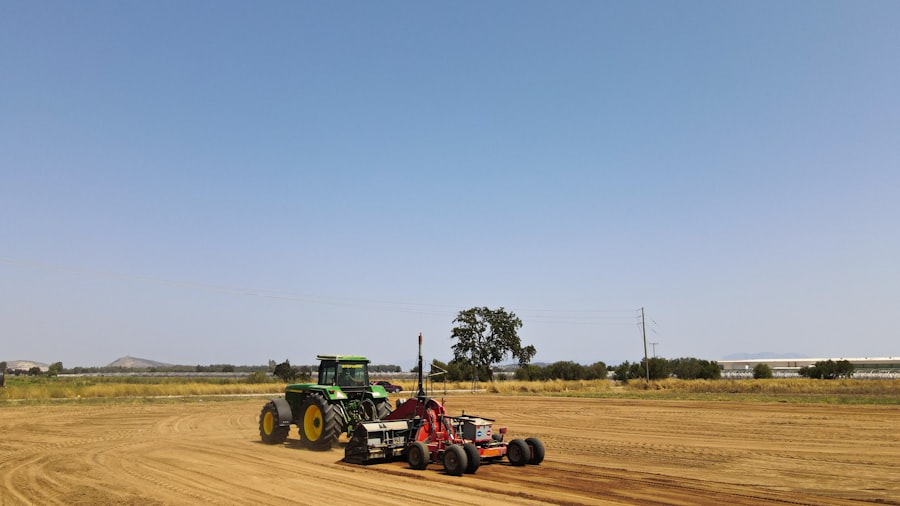
Proper maintenance is crucial for ensuring that used agricultural equipment remains operational and efficient over time. Establishing a regular maintenance schedule based on manufacturer recommendations can help prevent costly breakdowns and extend the life of machinery. This includes routine tasks such as oil changes, filter replacements, and inspections of critical components like hydraulic systems and electrical wiring.
Farmers should also invest in training for themselves and their staff on how to properly operate and maintain equipment. Understanding how to identify early signs of wear or malfunction can lead to timely interventions that prevent more significant issues from developing. Additionally, keeping detailed records of maintenance activities not only helps track performance but can also enhance resale value by demonstrating that the equipment has been well cared for.
Reselling Used Agricultural Equipment
When it comes time to upgrade or replace used agricultural equipment, understanding how to effectively resell it can significantly impact financial returns. The resale market for agricultural machinery can be robust, especially if the equipment has been well-maintained and is still in good working condition. To maximize resale value, farmers should clean and repair any minor issues before listing their equipment for sale; this not only makes it more appealing but also signals to potential buyers that it has been cared for.
Marketing strategies play a crucial role in reselling used agricultural equipment as well. Utilizing online platforms dedicated to agricultural sales can reach a broader audience than traditional methods alone. High-quality photographs and detailed descriptions highlighting key features and maintenance history can attract more interested buyers.
Additionally, networking within local farming communities or attending agricultural trade shows can provide opportunities to connect with potential buyers directly.
Making the Most of Used Agricultural Equipment
In summary, navigating the world of used agricultural equipment requires careful consideration and strategic planning but offers numerous benefits that can enhance farming operations significantly. From cost savings to customization opportunities, used machinery presents an attractive alternative to new purchases. By understanding what factors to consider when buying, assessing condition meticulously, negotiating effectively, maintaining diligently, and reselling wisely, farmers can make informed decisions that contribute positively to their bottom line while ensuring they have access to reliable tools necessary for successful agricultural practices.