

Farm machinery plays a pivotal role in modern agriculture, serving as the backbone of farming operations across the globe. The advent of mechanization has transformed traditional farming practices, enabling farmers to cultivate larger areas of land with greater efficiency and productivity. From tractors to harvesters, the variety of machinery available today has revolutionized how crops are planted, tended, and harvested.
This transformation is not merely about increasing output; it also encompasses improvements in the quality of produce, reduction in labor costs, and the ability to implement precision agriculture techniques that enhance sustainability. The integration of technology into farm machinery has further propelled agricultural practices into a new era. With advancements such as GPS-guided tractors and automated planting systems, farmers can now optimize their operations with unprecedented precision.
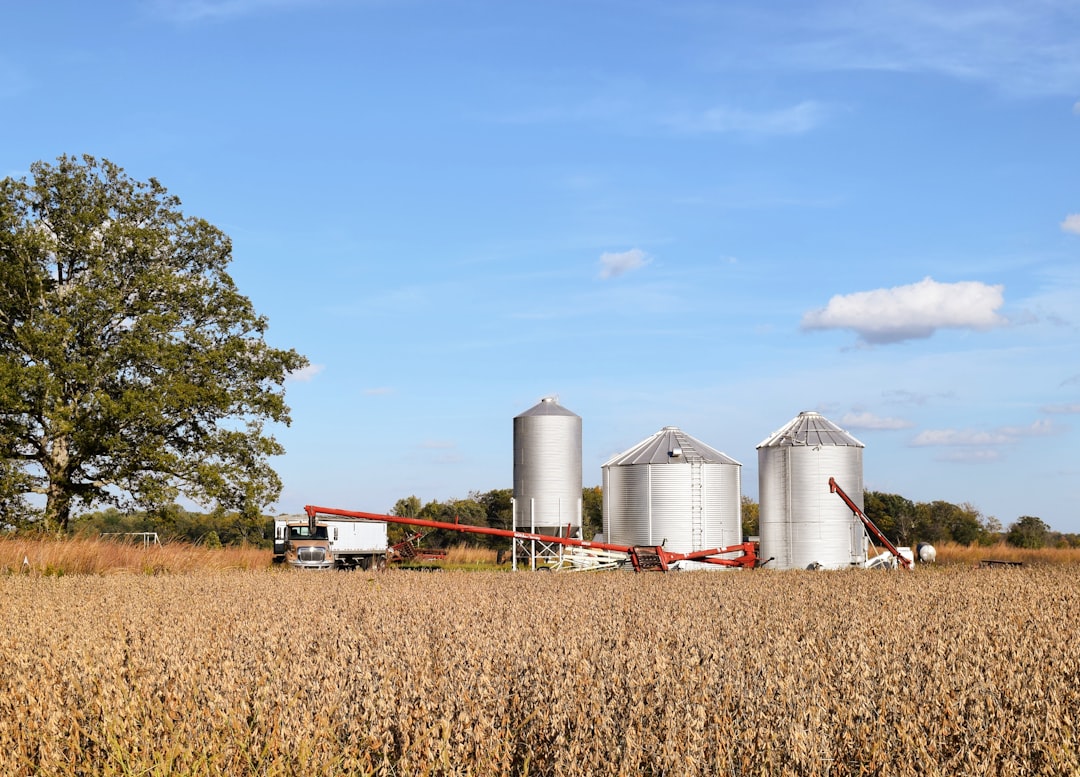
This technological evolution has not only made farming more efficient but has also allowed for better resource management, reducing waste and environmental impact. As we delve deeper into the world of farm machinery, it becomes evident that understanding its evolution, types, and future prospects is essential for anyone involved in agriculture today.
Key Takeaways
- Farm machinery has revolutionized agriculture by enhancing productivity and efficiency.
- Various types of machinery serve specific functions, from planting to harvesting.
- Choosing the right machinery depends on factors like farm size, crop type, and budget.
- Regular maintenance is crucial to ensure the longevity and optimal performance of equipment.
- Advances in technology promise a future of smarter, more sustainable farm machinery.
The Evolution of Farm Machinery
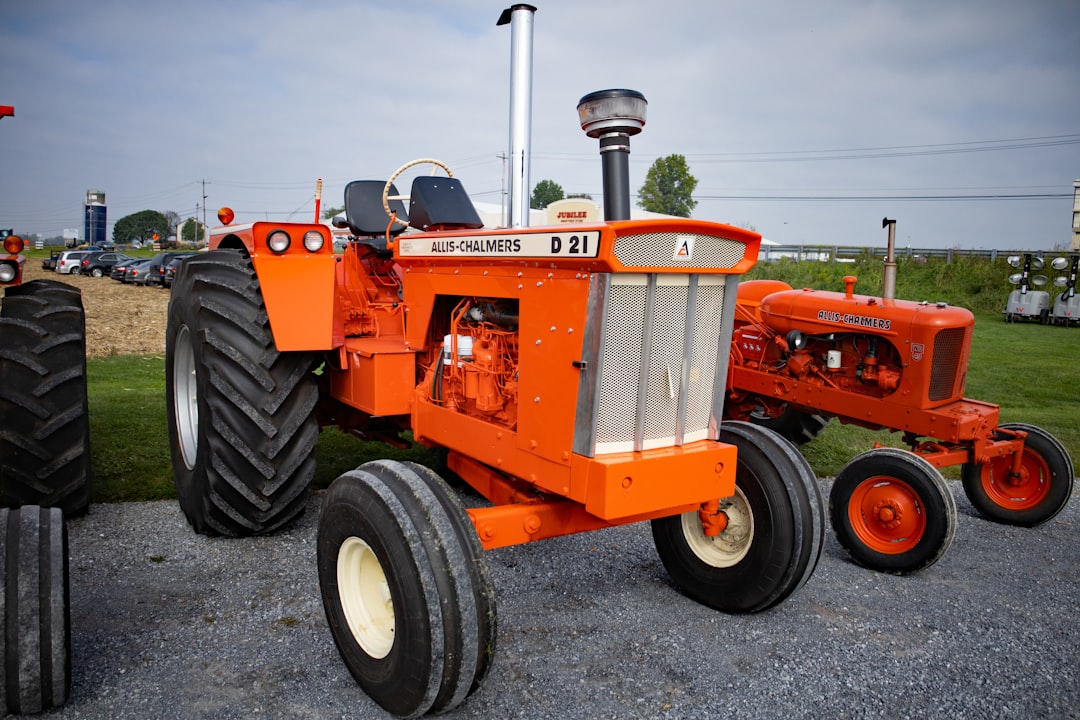
The history of farm machinery dates back thousands of years, beginning with simple tools like the plow, which revolutionized soil cultivation. Early plows were often made from wood and pulled by oxen or horses, allowing farmers to till the land more effectively than with hand tools alone. As societies progressed, so did the complexity and efficiency of agricultural implements.
The Industrial Revolution marked a significant turning point; steam-powered machines began to emerge in the 19th century, drastically changing the landscape of farming. The introduction of the internal combustion engine in the early 20th century further accelerated this evolution. Tractors replaced horses as the primary source of power on farms, enabling farmers to work larger fields with less effort.
The development of specialized machinery, such as combine harvesters in the 1930s, allowed for the simultaneous harvesting and threshing of grain, significantly reducing labor time and increasing yield. Over the decades, innovations such as hydraulic systems, GPS technology, and computerization have continued to enhance farm machinery, making it more efficient and user-friendly.
The Importance of Farm Machinery in Maximizing Efficiency
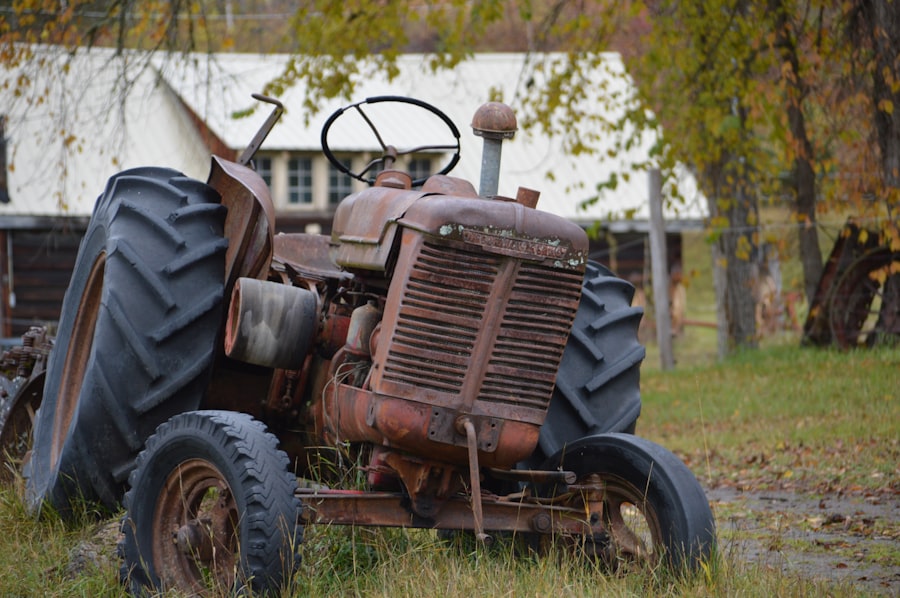
Farm machinery is crucial for maximizing efficiency in agricultural operations. The ability to perform tasks quickly and accurately translates directly into increased productivity. For instance, modern tractors equipped with advanced technology can cover vast areas in a fraction of the time it would take using traditional methods.
This efficiency not only saves time but also reduces labor costs, allowing farmers to allocate resources more effectively. Moreover, farm machinery enables precision agriculture practices that optimize inputs such as seeds, fertilizers, and water. For example, precision planters can place seeds at optimal depths and spacing, ensuring better germination rates and crop yields.
Similarly, variable rate technology allows for the application of fertilizers based on soil nutrient levels, minimizing waste and environmental impact. By maximizing efficiency through the use of machinery, farmers can achieve higher yields while also promoting sustainable practices that benefit both their operations and the environment.
Types of Farm Machinery and Their Functions
| Type of Machinery | Function | Common Use | Example |
|---|---|---|---|
| Tractor | Provides power and traction for agricultural tasks | Tilling, plowing, hauling, planting | John Deere 5055E |
| Plow | Turns over soil to prepare for planting | Soil preparation | Moldboard Plow |
| Harvester | Harvests crops efficiently | Cutting and gathering crops | Combine Harvester |
| Seeder/Planter | Plants seeds at uniform depth and spacing | Sowing seeds | Seed Drill |
| Sprayer | Applies pesticides, herbicides, and fertilizers | Crop protection and nutrition | Boom Sprayer |
| Baler | Compresses cut crops into compact bales | Hay and straw baling | Round Baler |
| Irrigation Equipment | Supplies water to crops | Water management | Drip Irrigation System |
The diversity of farm machinery available today is vast, each type designed for specific tasks within the agricultural process. Tractors are perhaps the most recognizable piece of equipment; they serve as the power source for various implements such as plows, harrows, and seeders. Tractors come in different sizes and capabilities, allowing farmers to choose models that best suit their land and crop types.
Harvesting equipment is another critical category of farm machinery. Combine harvesters are designed to efficiently harvest grain crops by cutting, threshing, and separating grain from chaff in a single operation. For fruit and vegetable growers, specialized harvesters are available that can gently pick crops without damaging them.
Additionally, tillage equipment such as cultivators and disk harrows prepares the soil for planting by breaking up compacted earth and controlling weeds. Irrigation systems also fall under the umbrella of farm machinery. Modern irrigation technology includes drip systems that deliver water directly to plant roots, reducing water waste and improving crop health.
Sprayers are used for applying pesticides and fertilizers uniformly across fields, ensuring that crops receive necessary nutrients while minimizing chemical runoff.
Factors to Consider When Choosing Farm Machinery
Selecting the right farm machinery involves careful consideration of several factors that can significantly impact operational efficiency and cost-effectiveness. One primary consideration is the type of crops being cultivated. Different crops may require specific machinery tailored to their unique growth patterns and harvesting needs.
For instance, row crops like corn or soybeans may necessitate different planting and harvesting equipment compared to specialty crops like berries or nuts. Another critical factor is the size of the farm. Larger operations may benefit from high-capacity machinery that can cover more ground quickly, while smaller farms might prioritize versatility and ease of use over sheer power.
Budget constraints also play a significant role; farmers must weigh the initial investment against long-term benefits such as fuel efficiency, maintenance costs, and potential increases in yield. Additionally, technological compatibility should be considered when choosing farm machinery. As precision agriculture becomes more prevalent, farmers may want equipment that can integrate with existing technology systems for data collection and analysis.
This integration can enhance decision-making processes regarding planting schedules, resource allocation, and overall farm management.
Maintenance and Upkeep of Farm Machinery
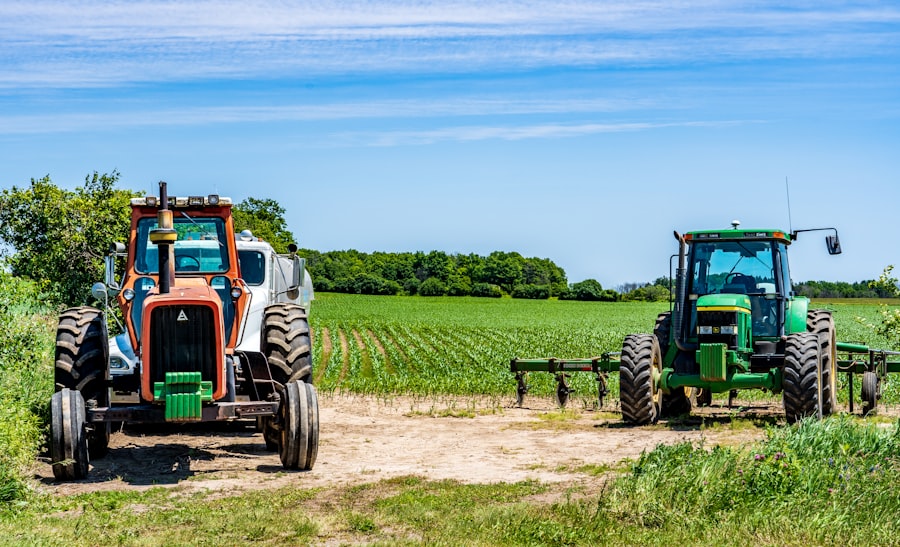
Proper maintenance and upkeep of farm machinery are essential for ensuring longevity and optimal performance. Regular servicing can prevent breakdowns during critical planting or harvesting periods when time is of the essence. Farmers should establish a routine maintenance schedule that includes checking fluid levels, inspecting belts and hoses for wear, and ensuring that all moving parts are lubricated adequately.
Seasonal maintenance is particularly important; before planting season begins, farmers should conduct thorough inspections to ensure that all equipment is in working order. This may involve calibrating seeders or planters to ensure accurate seed placement or testing irrigation systems for leaks or blockages. During harvest time, machinery should be cleaned thoroughly to remove debris that could cause damage or hinder performance in subsequent seasons.
Investing in training for operators is another vital aspect of maintenance. Well-trained personnel can identify potential issues before they escalate into costly repairs or downtime. Furthermore, understanding how to operate machinery efficiently can lead to better fuel economy and reduced wear on equipment.
The Future of Farm Machinery in Agriculture
The future of farm machinery is poised for exciting advancements driven by technological innovation and sustainability initiatives. One significant trend is the increasing adoption of automation and robotics in agriculture. Autonomous tractors and drones are already being tested in various agricultural settings, allowing for tasks such as planting, monitoring crop health, and even harvesting to be performed with minimal human intervention.
These technologies promise to enhance efficiency while addressing labor shortages that many farmers face today. Another area of development is the integration of artificial intelligence (AI) into farm machinery. AI can analyze vast amounts of data collected from fields to provide insights on optimal planting times, pest management strategies, and resource allocation.
This data-driven approach enables farmers to make informed decisions that can lead to higher yields and reduced environmental impact. Sustainability will also play a crucial role in shaping the future of farm machinery. As concerns about climate change grow, there is a push towards developing equipment that minimizes carbon footprints through improved fuel efficiency or alternative energy sources such as electric or hybrid models.
Innovations in bioengineering may lead to machinery designed specifically for regenerative agriculture practices that restore soil health while maximizing productivity.
The Impact of Farm Machinery on Agricultural Efficiency
Farm machinery has undeniably transformed agriculture into a more efficient and productive industry. The evolution from simple hand tools to sophisticated automated systems illustrates how far farming practices have come over the centuries. By maximizing efficiency through advanced technology and specialized equipment, farmers can achieve higher yields while managing resources sustainably.
As we look toward the future, it is clear that ongoing innovations will continue to shape the landscape of agriculture. The integration of automation, AI, and sustainable practices will not only enhance productivity but also address pressing global challenges such as food security and environmental sustainability. Understanding the importance of farm machinery is essential for anyone involved in agriculture today; it is not just about cultivating crops but about cultivating a sustainable future for generations to come.